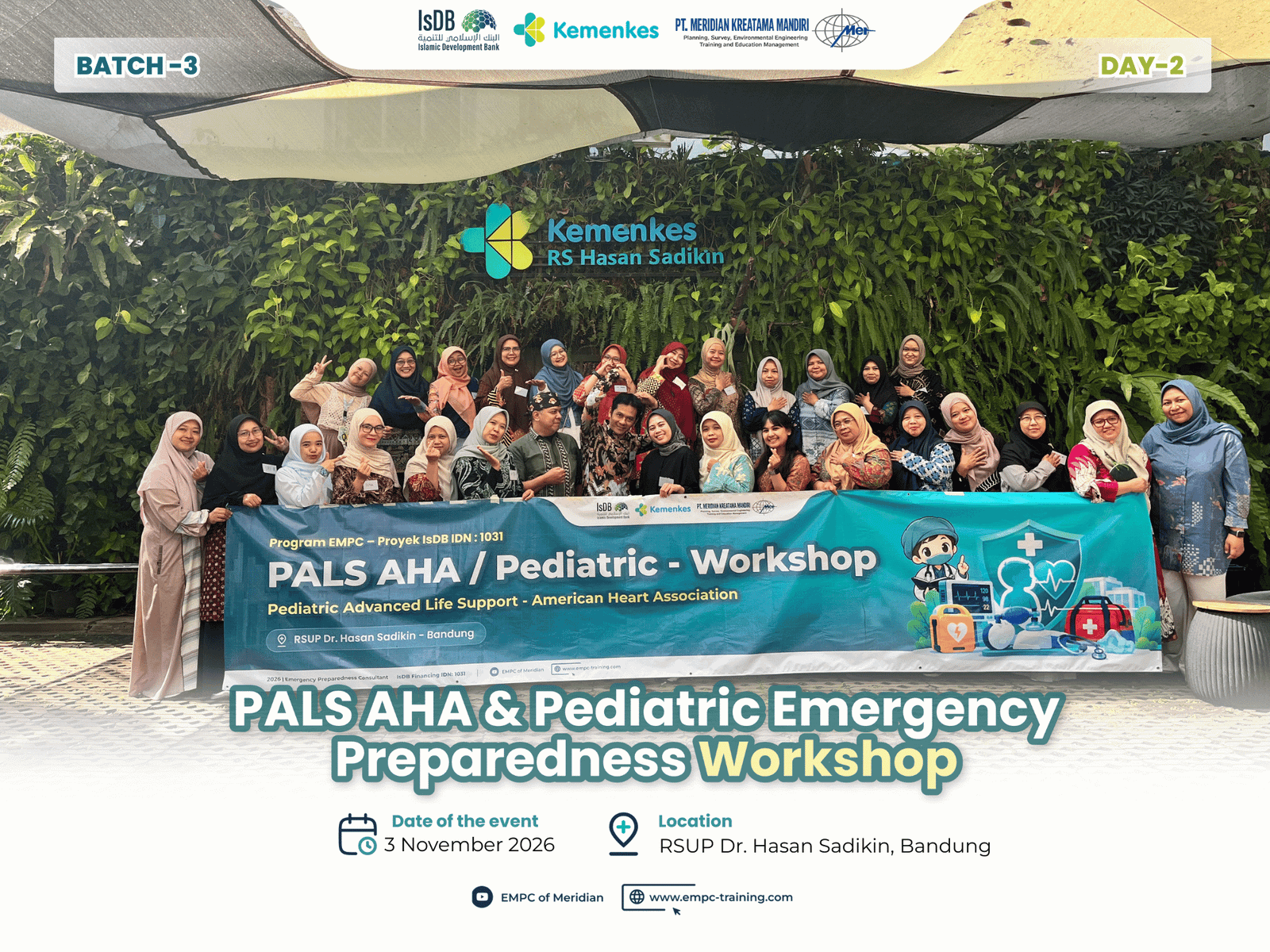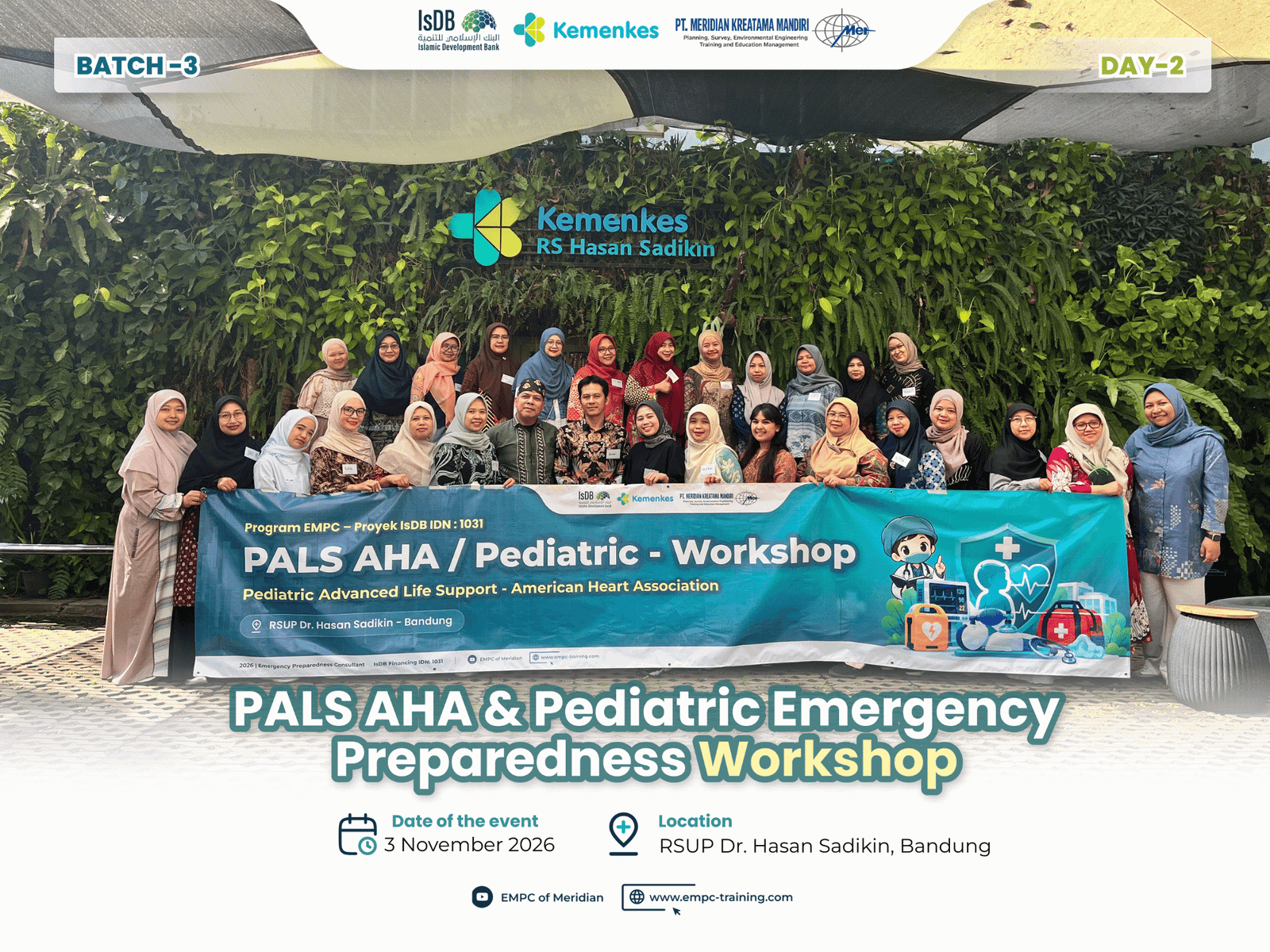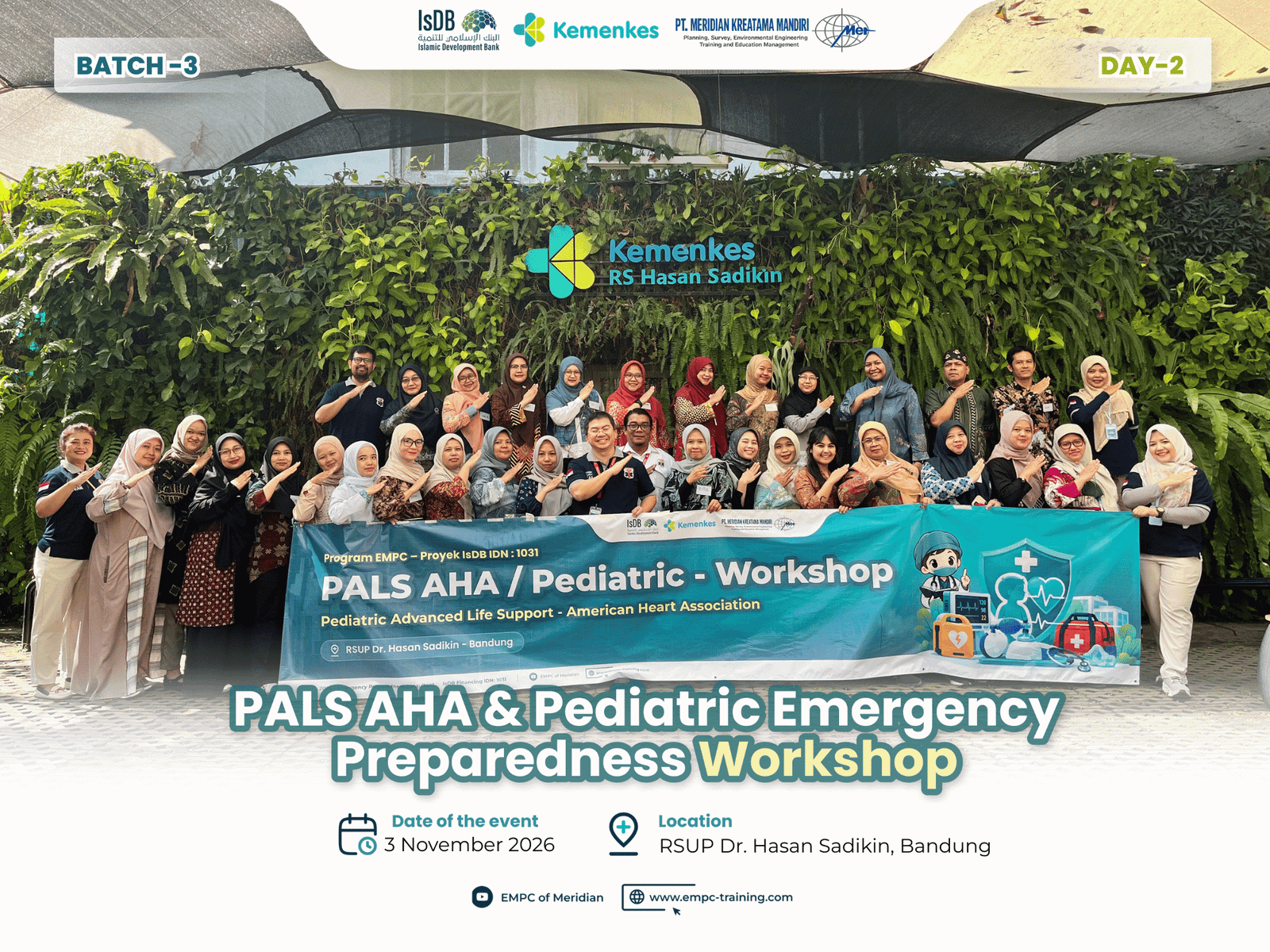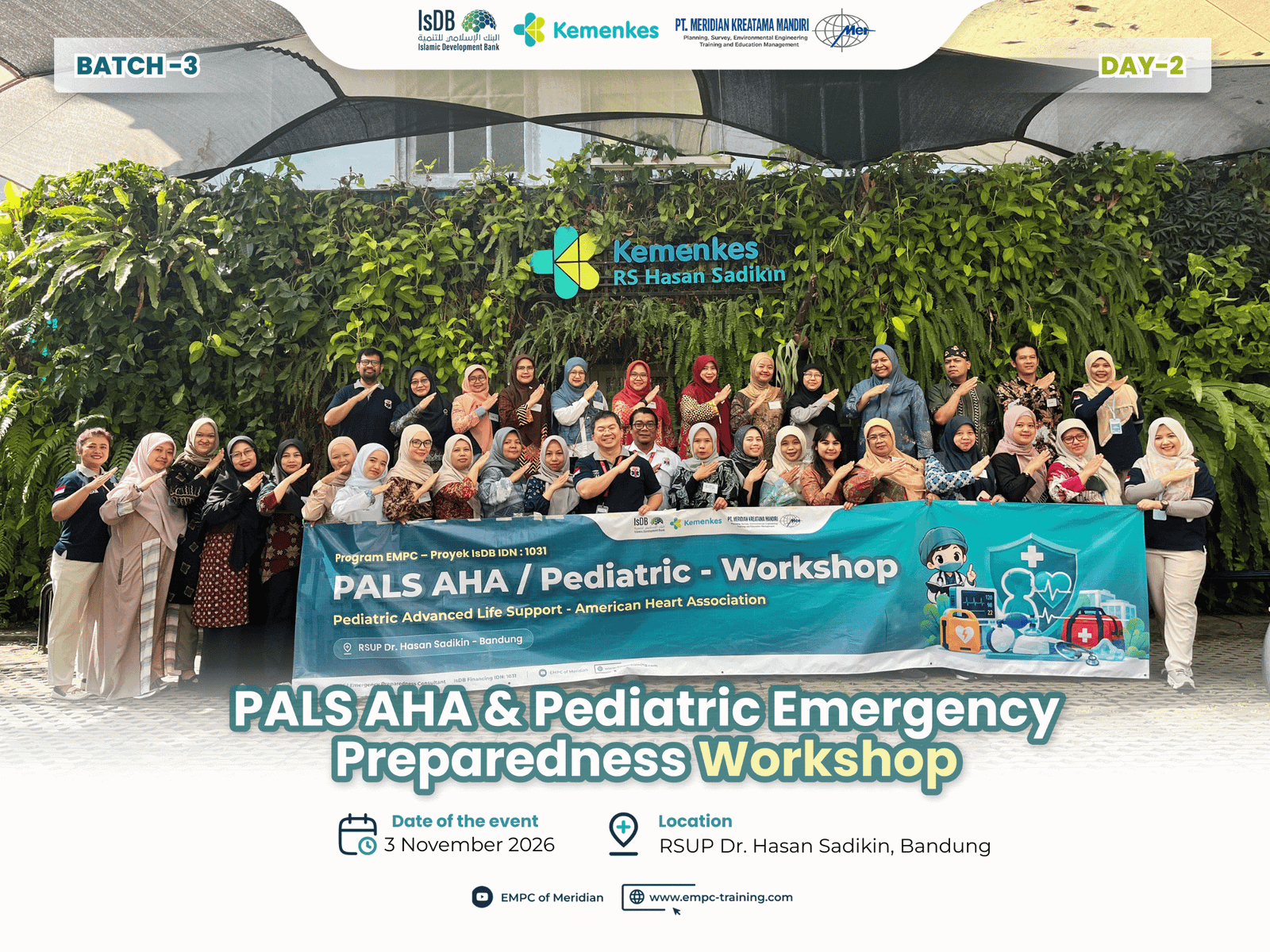
PALS AHA & Pediatric Emergency Preparedness Workshop – Batch 3
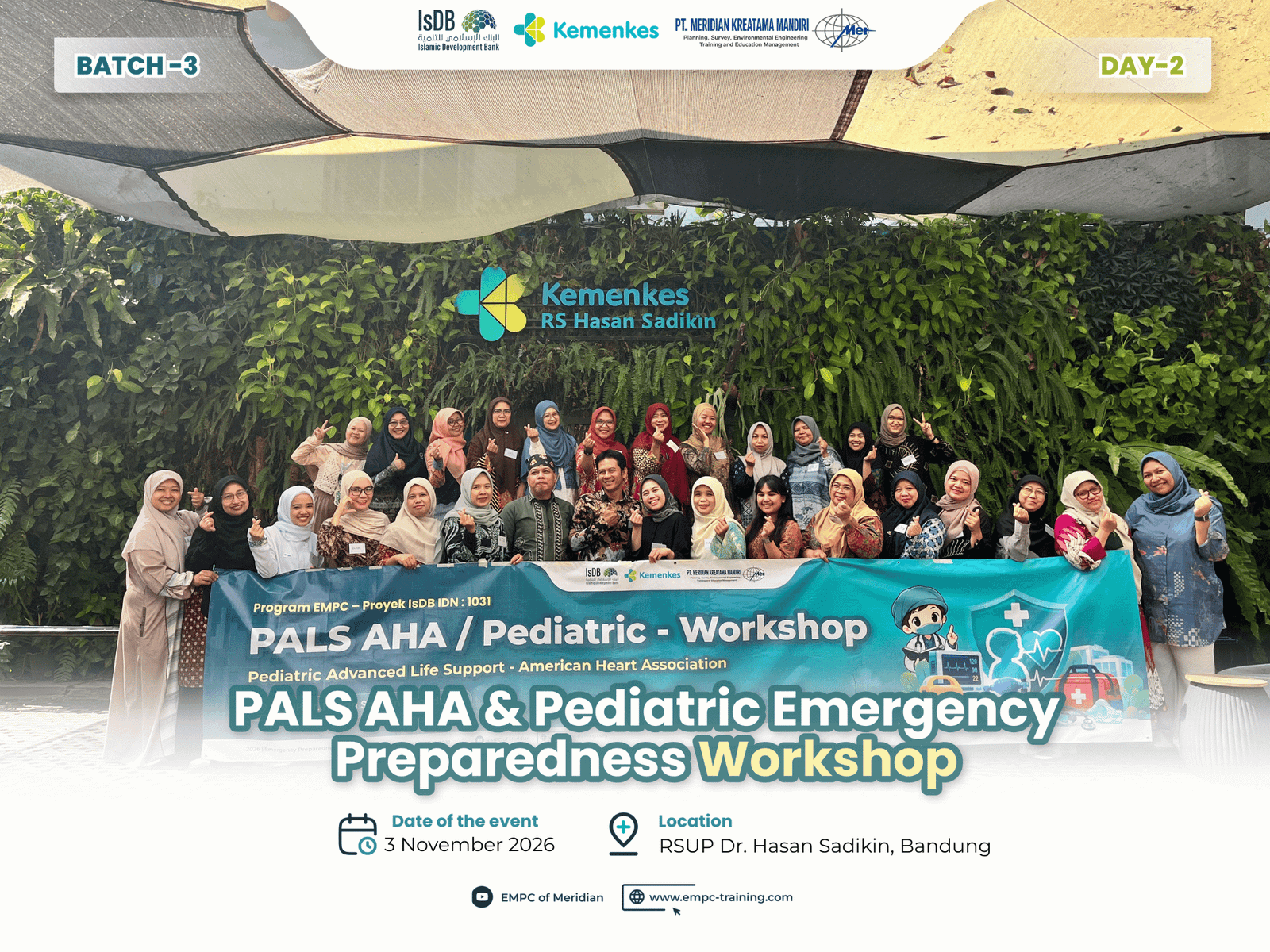
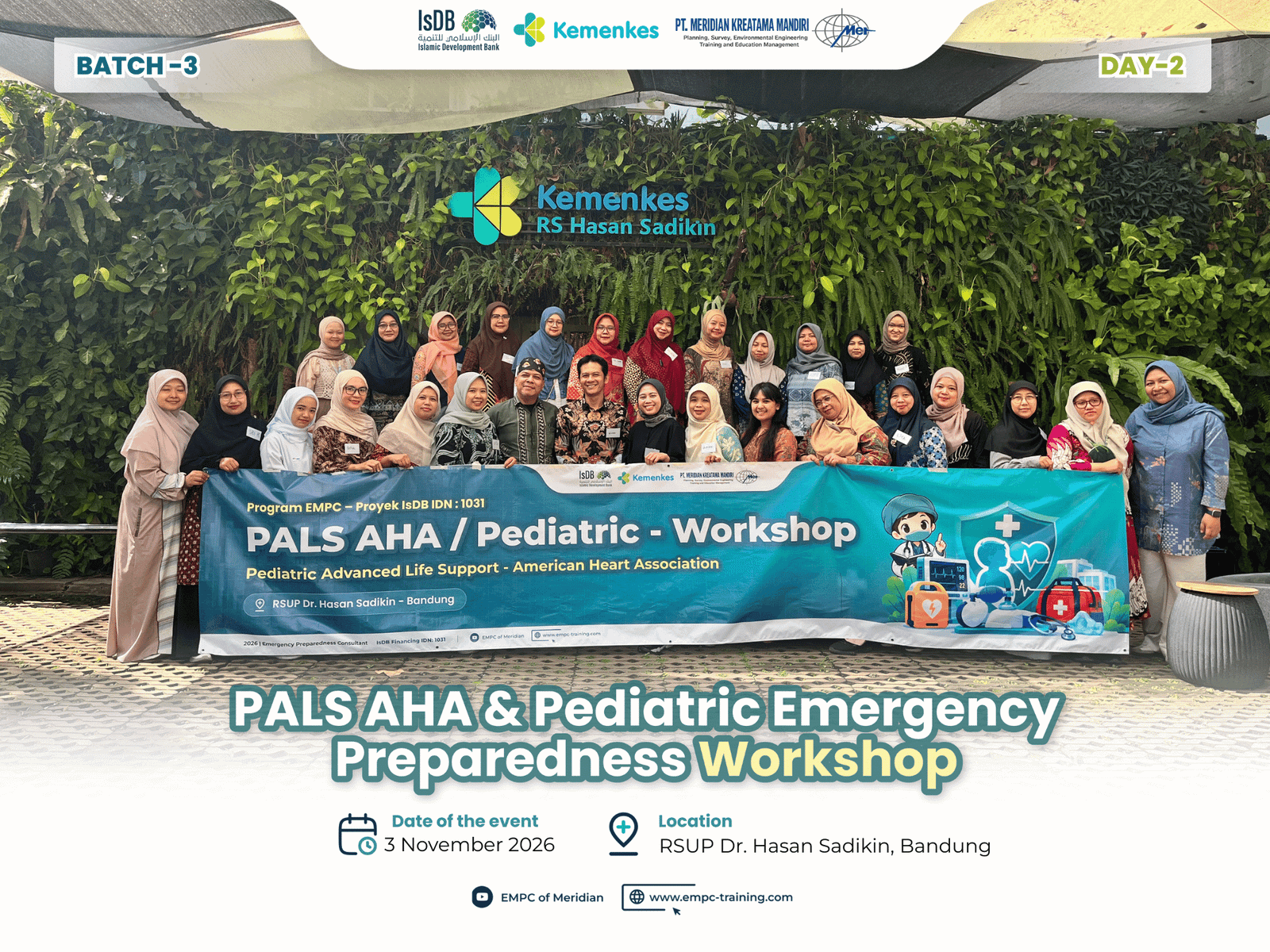
The PALS AHA & Pediatric Emergency Preparedness Workshop was conducted at RSUP Dr. Hasan Sadikin, Bandung, as part of the EMPC Program Hospital Training under IsDB Project IDN: 1031.
Building on ongoing efforts to strengthen hospital emergency preparedness, the three-day program brought together healthcare professionals from RSUP Dr. Hasan Sadikin for an intensive learning experience focused on pediatric emergency care, resuscitation, and clinical response.
The program was designed to enhance participants’ ability to recognize and respond to life-threatening conditions in pediatric patients through a combination of theoretical learning, interactive discussions, simulation-based practice, and competency assessments.
Aligned with the American Heart Association (AHA) Pediatric Advanced Life Support (PALS) framework, the training emphasized a systematic approach to pediatric emergency assessment and management while strengthening essential competencies in resuscitation, clinical decision-making, teamwork, and effective emergency response.
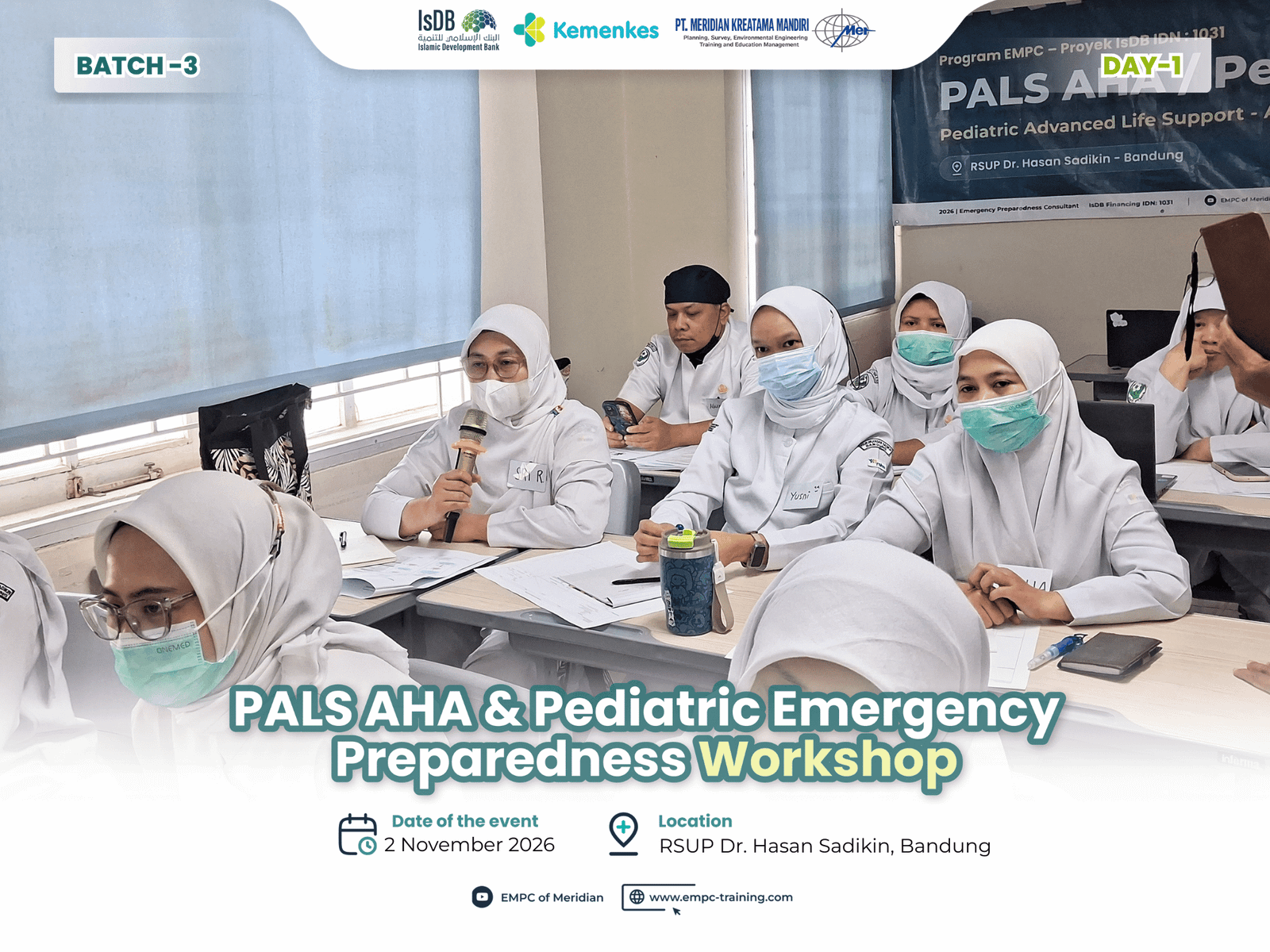
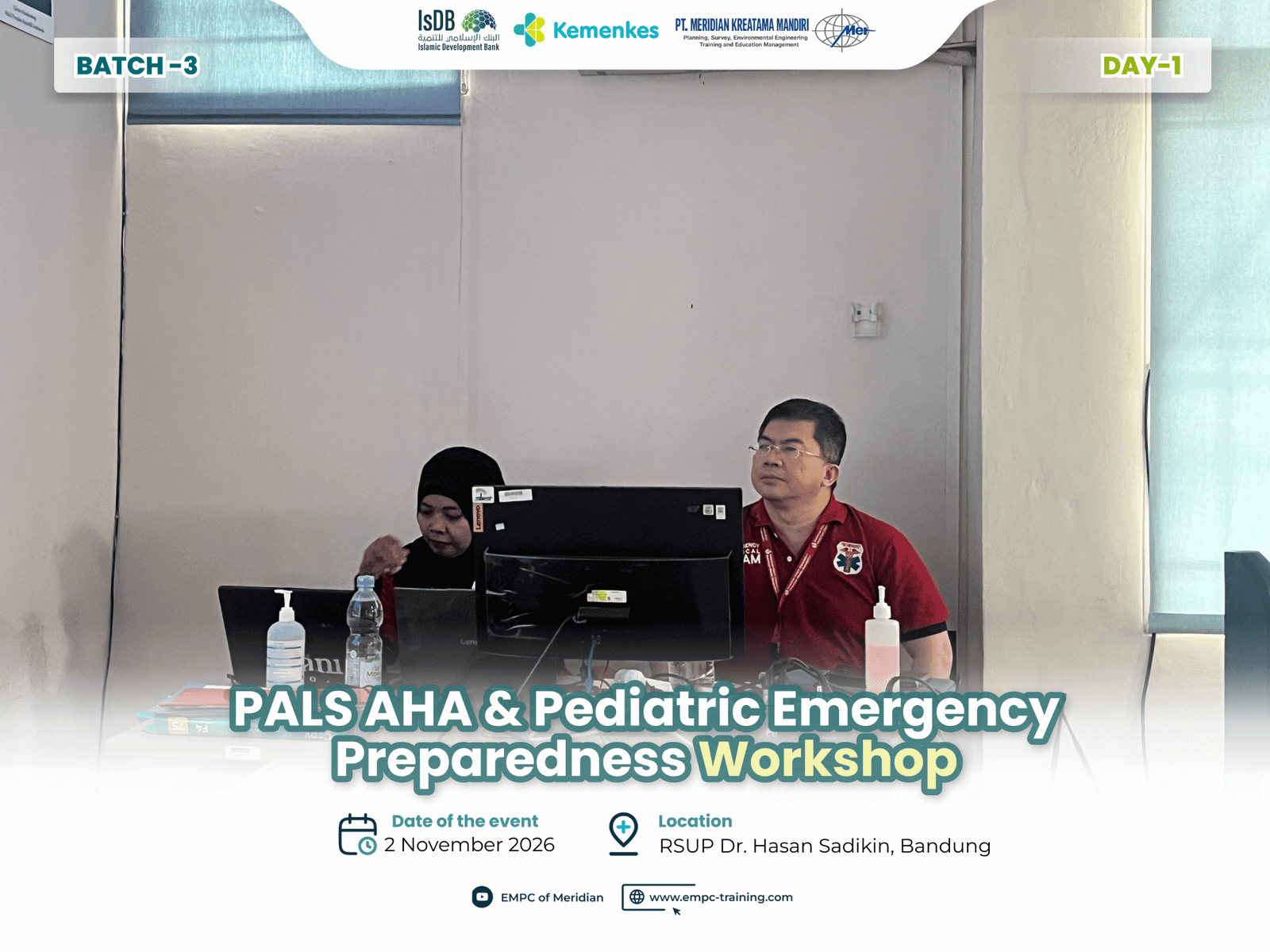
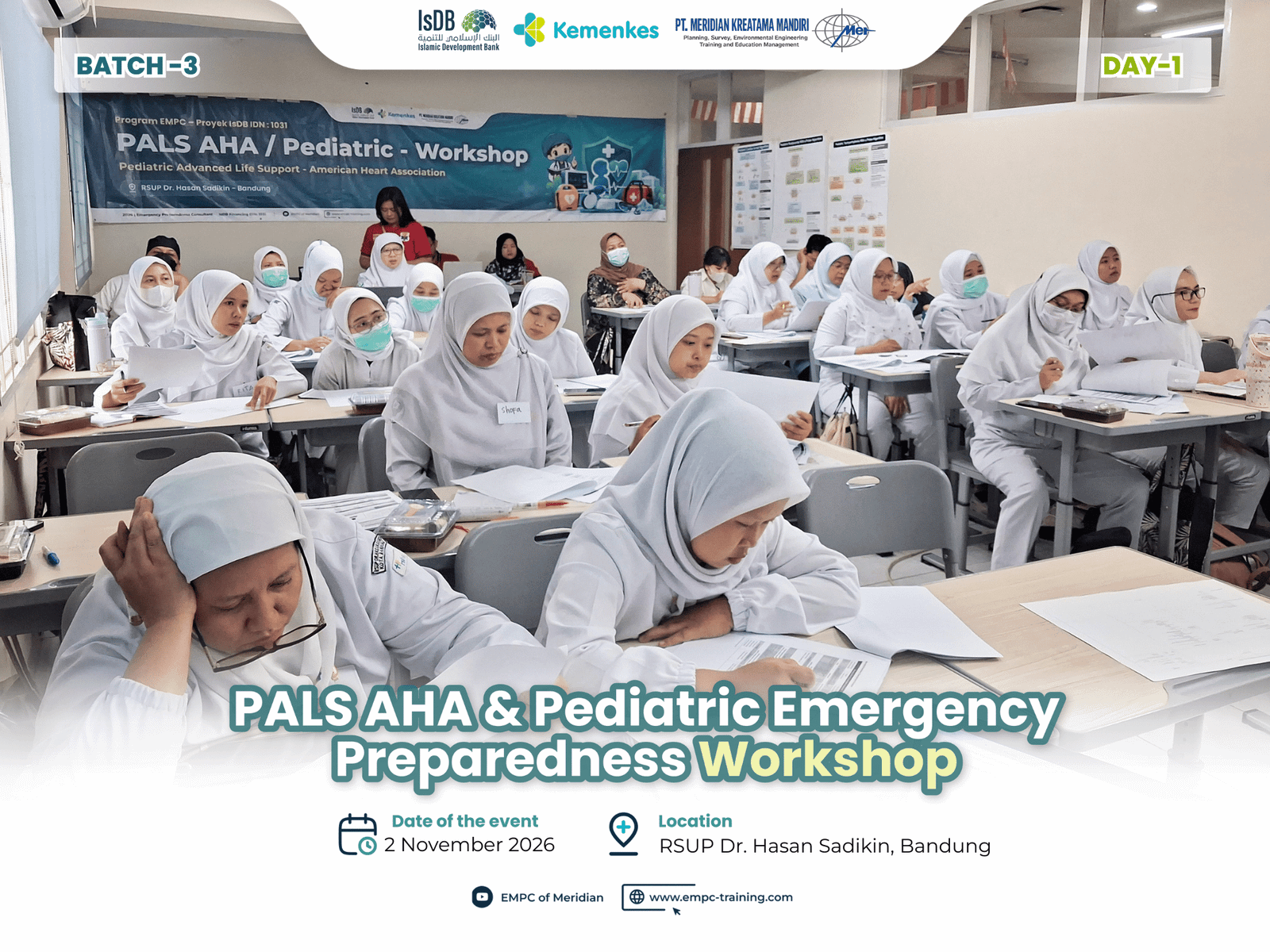
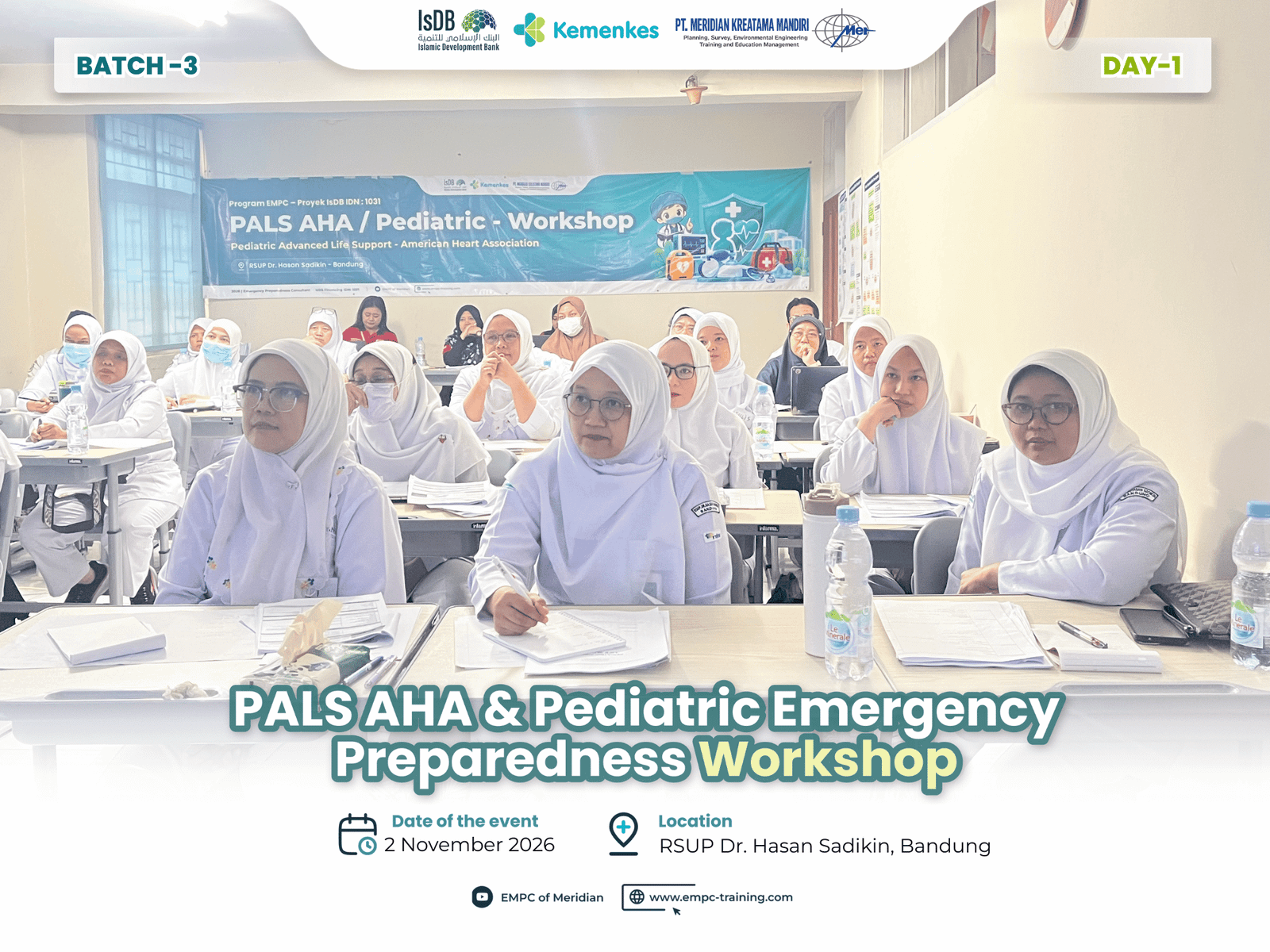
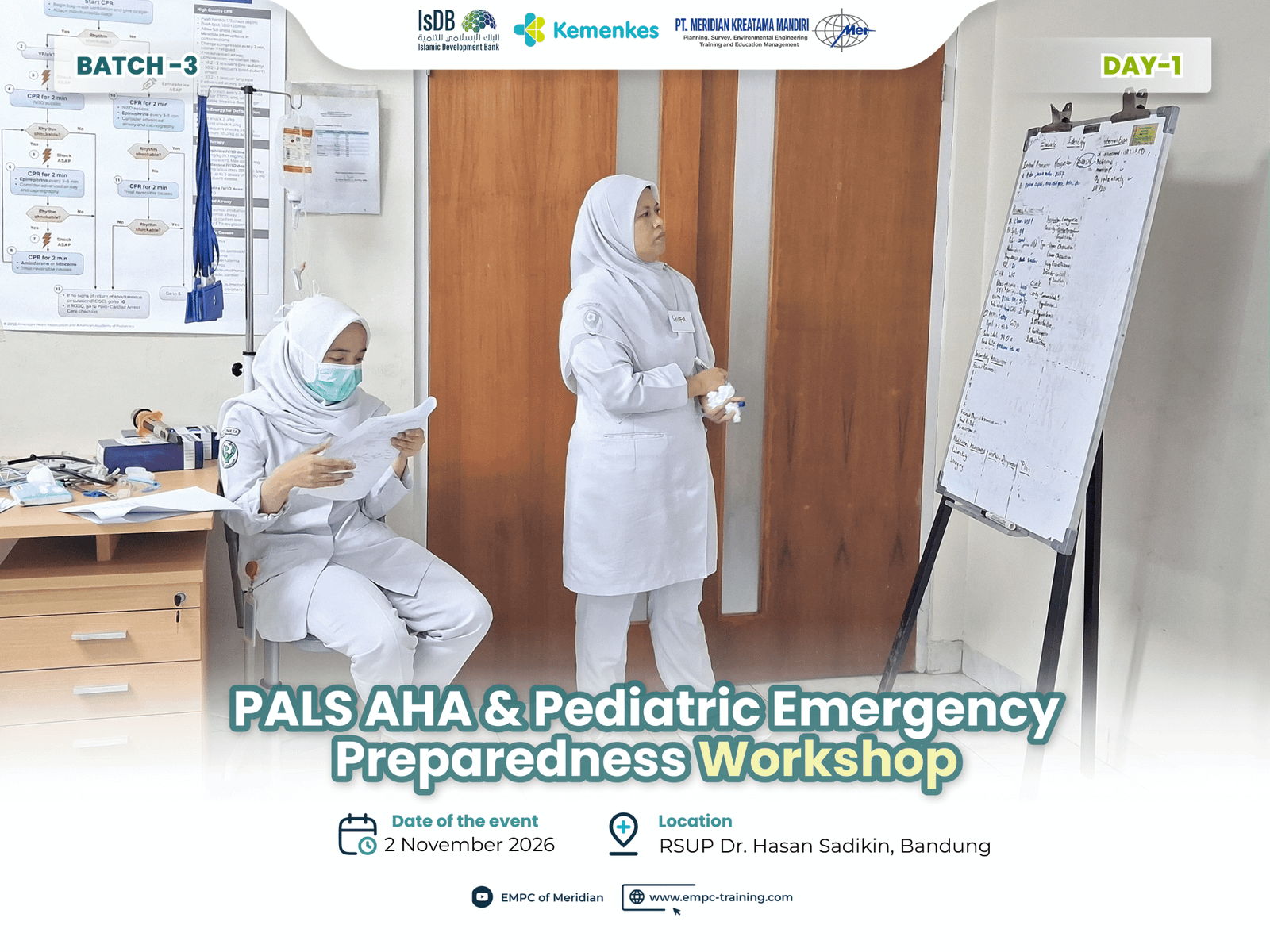
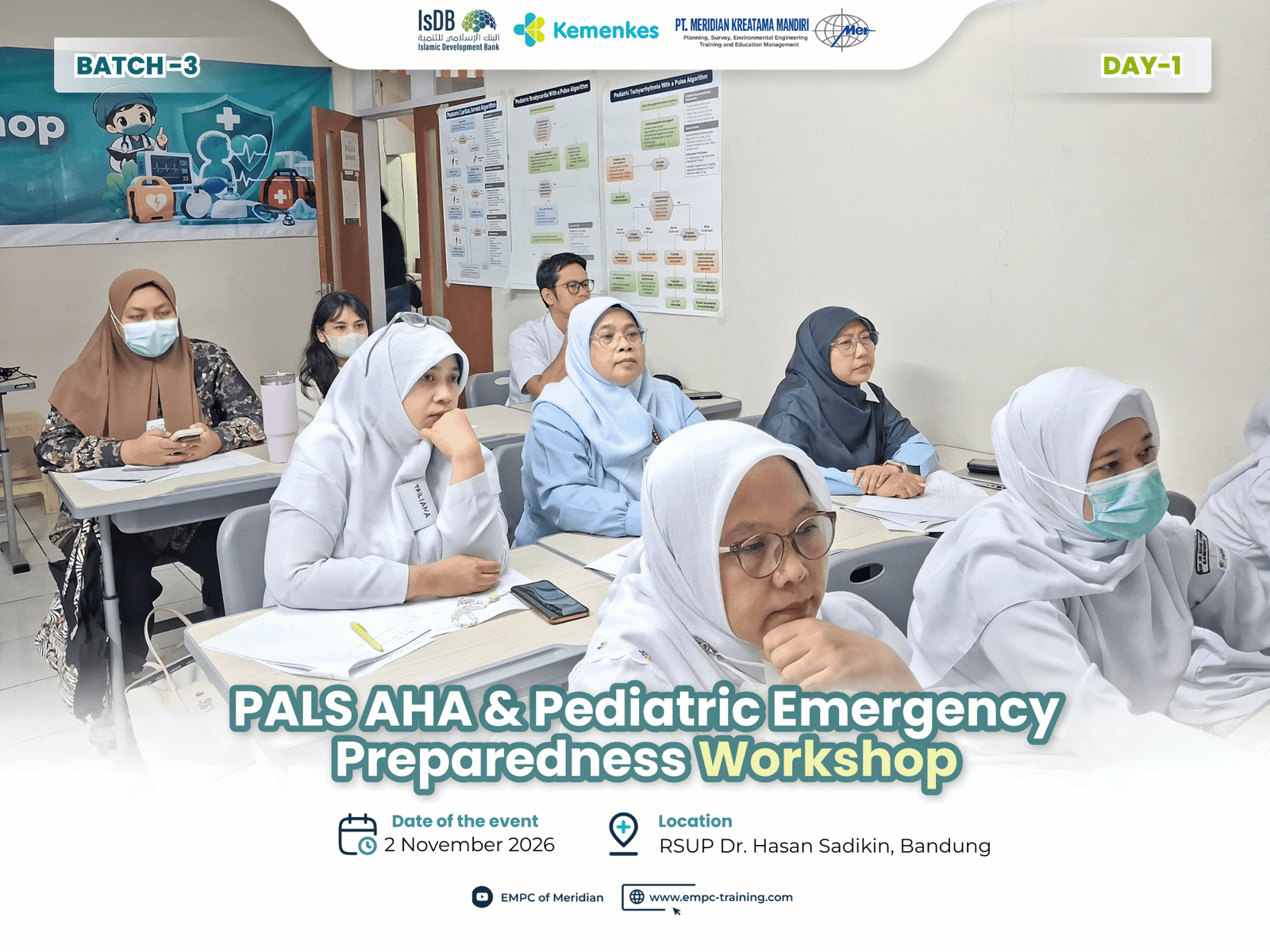
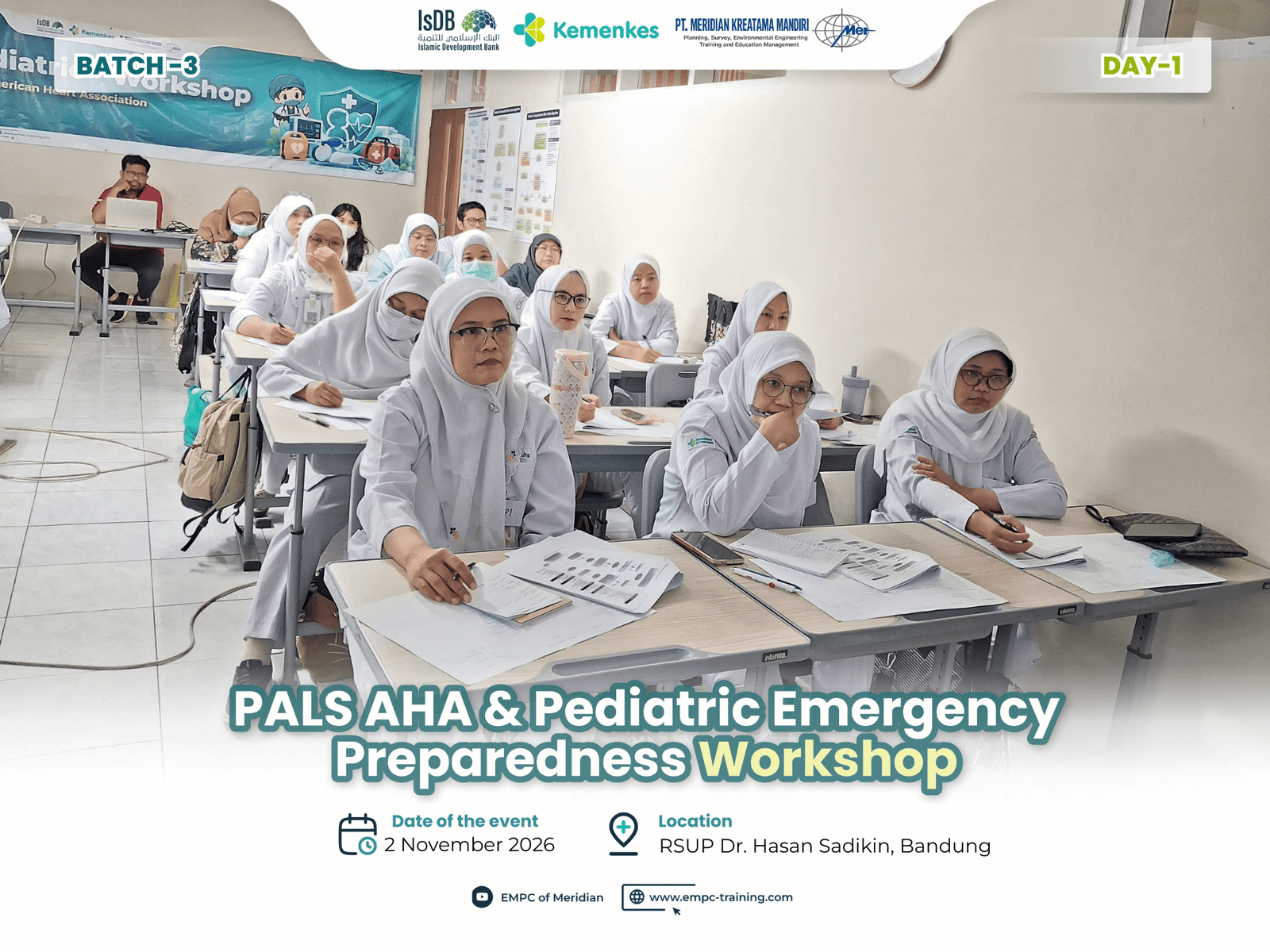
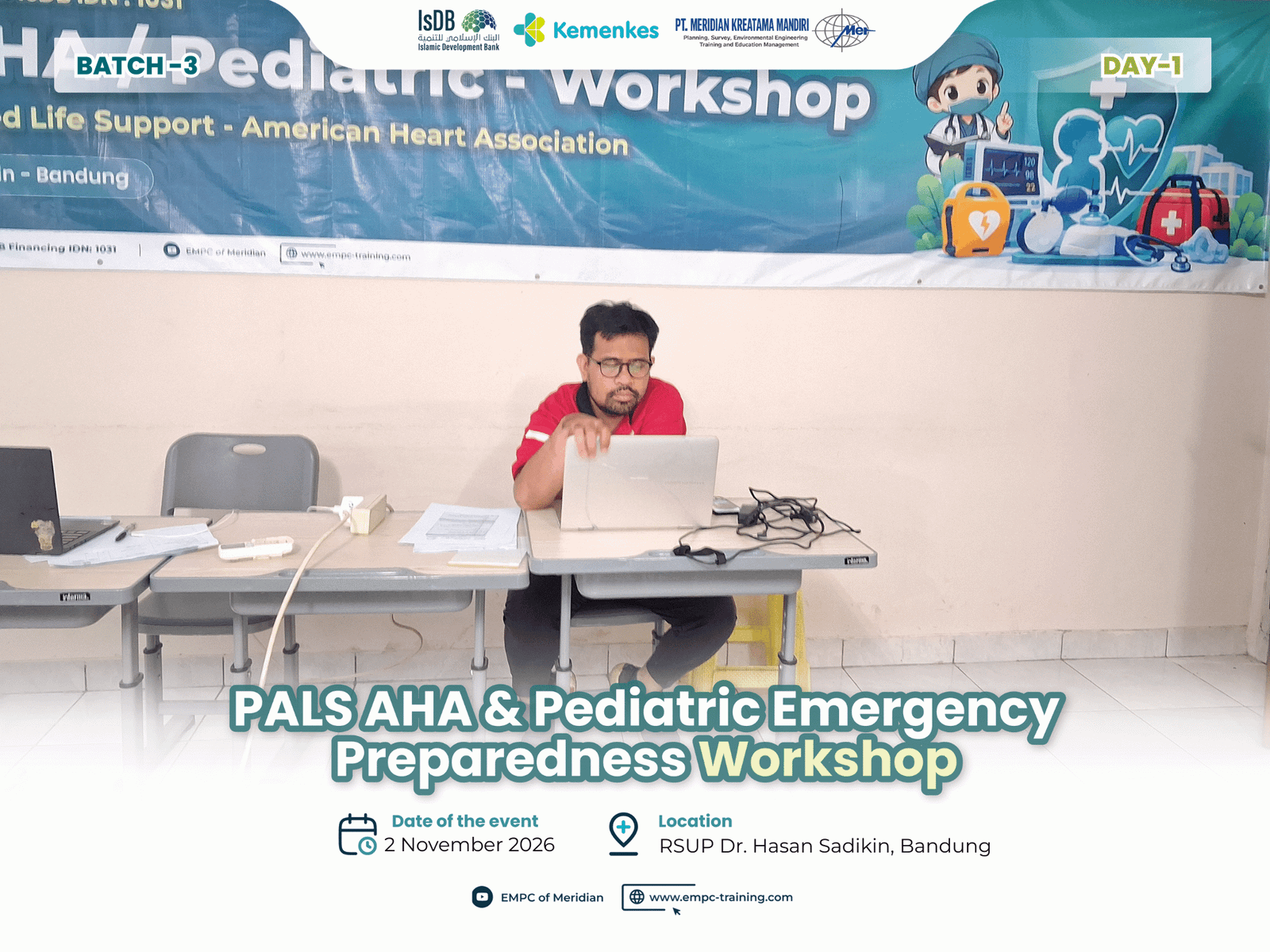
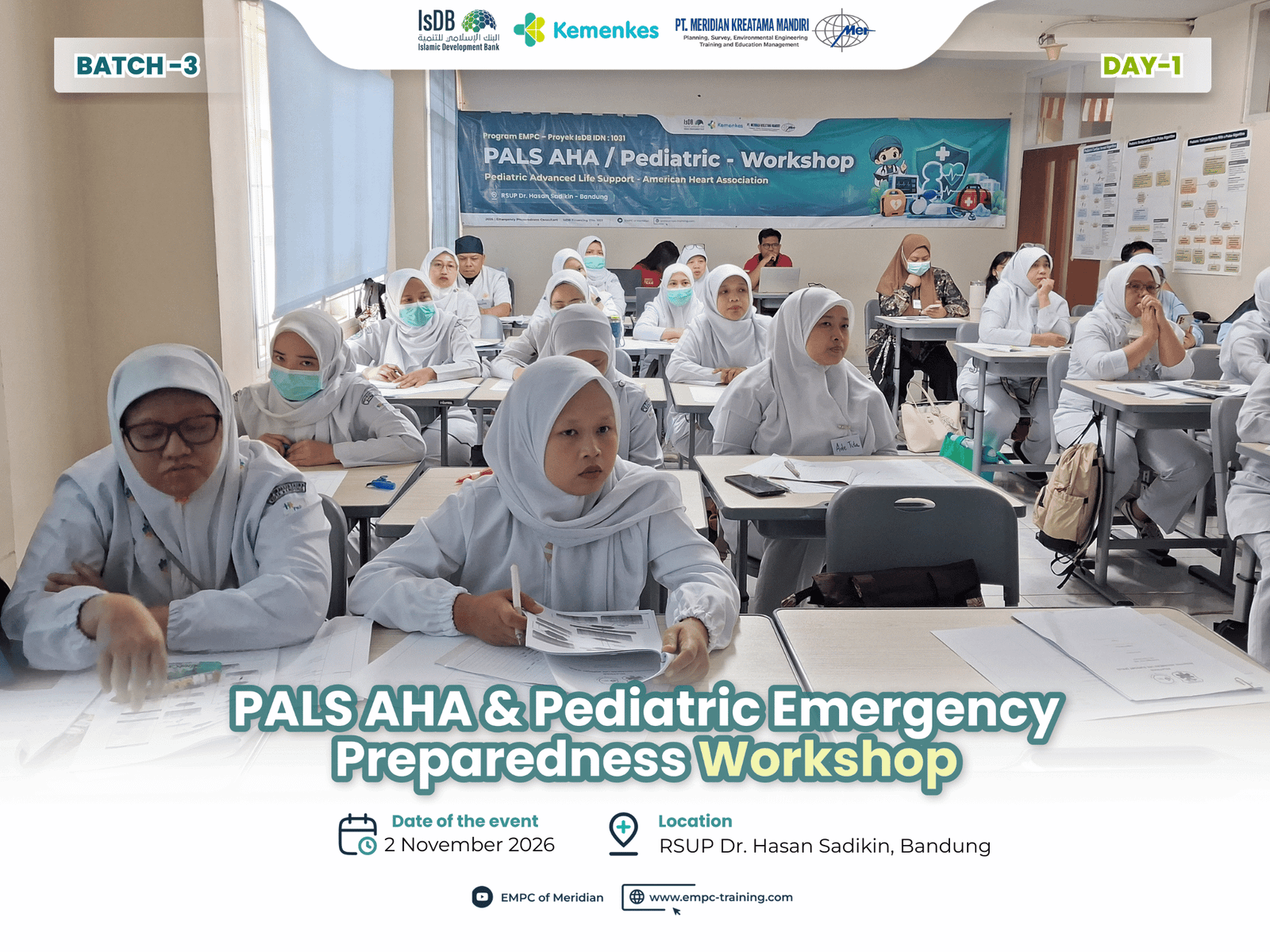
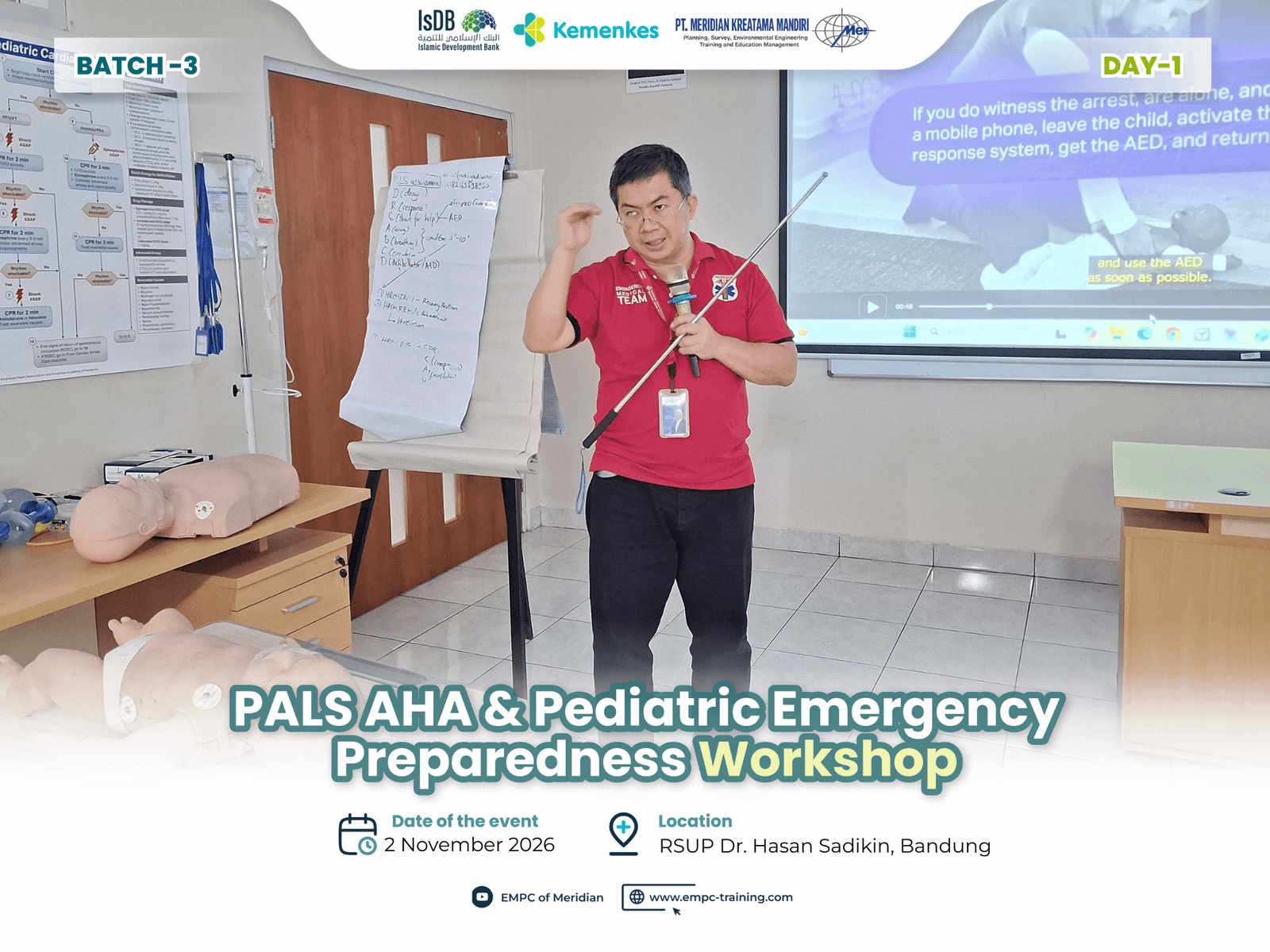
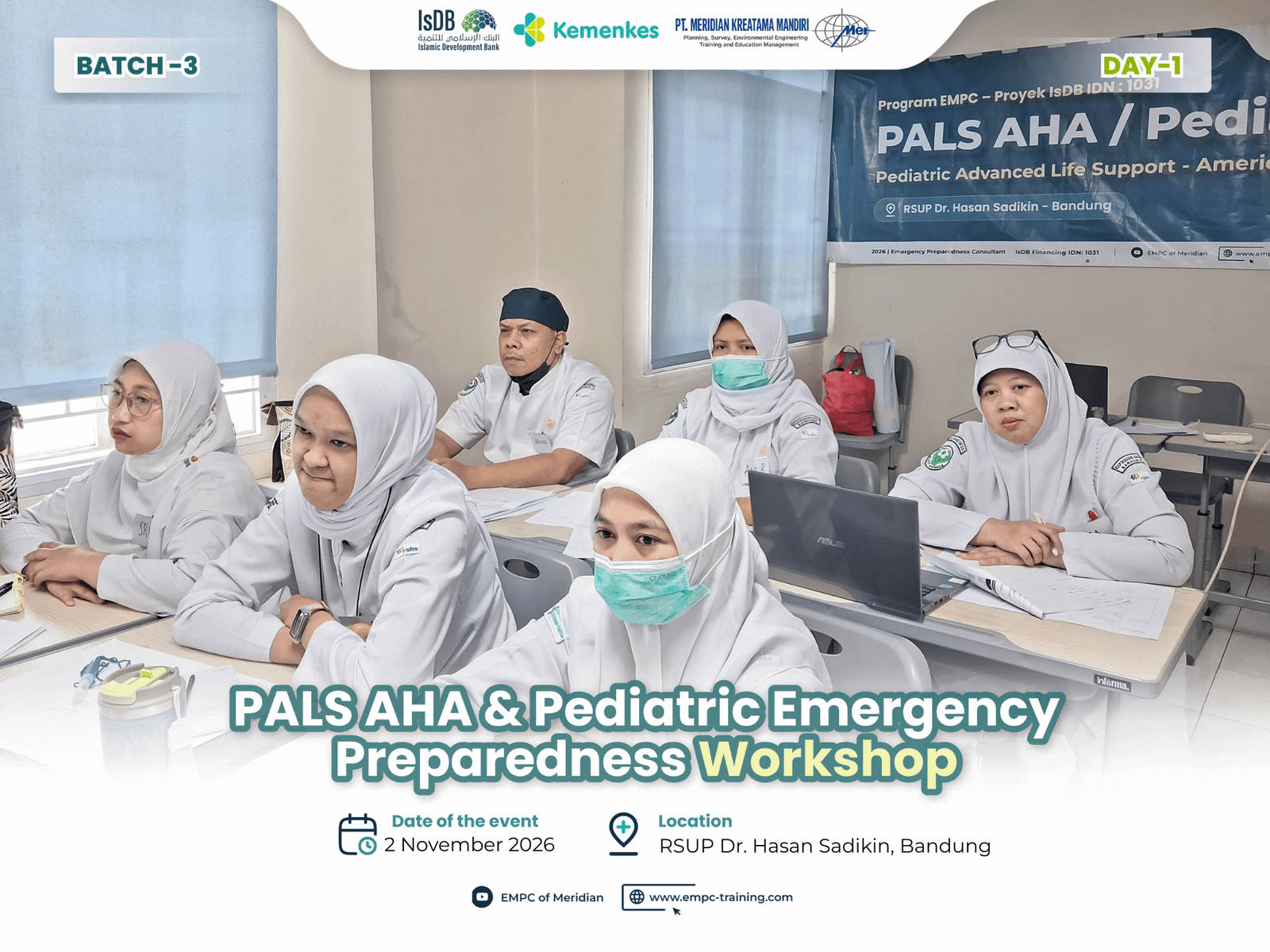
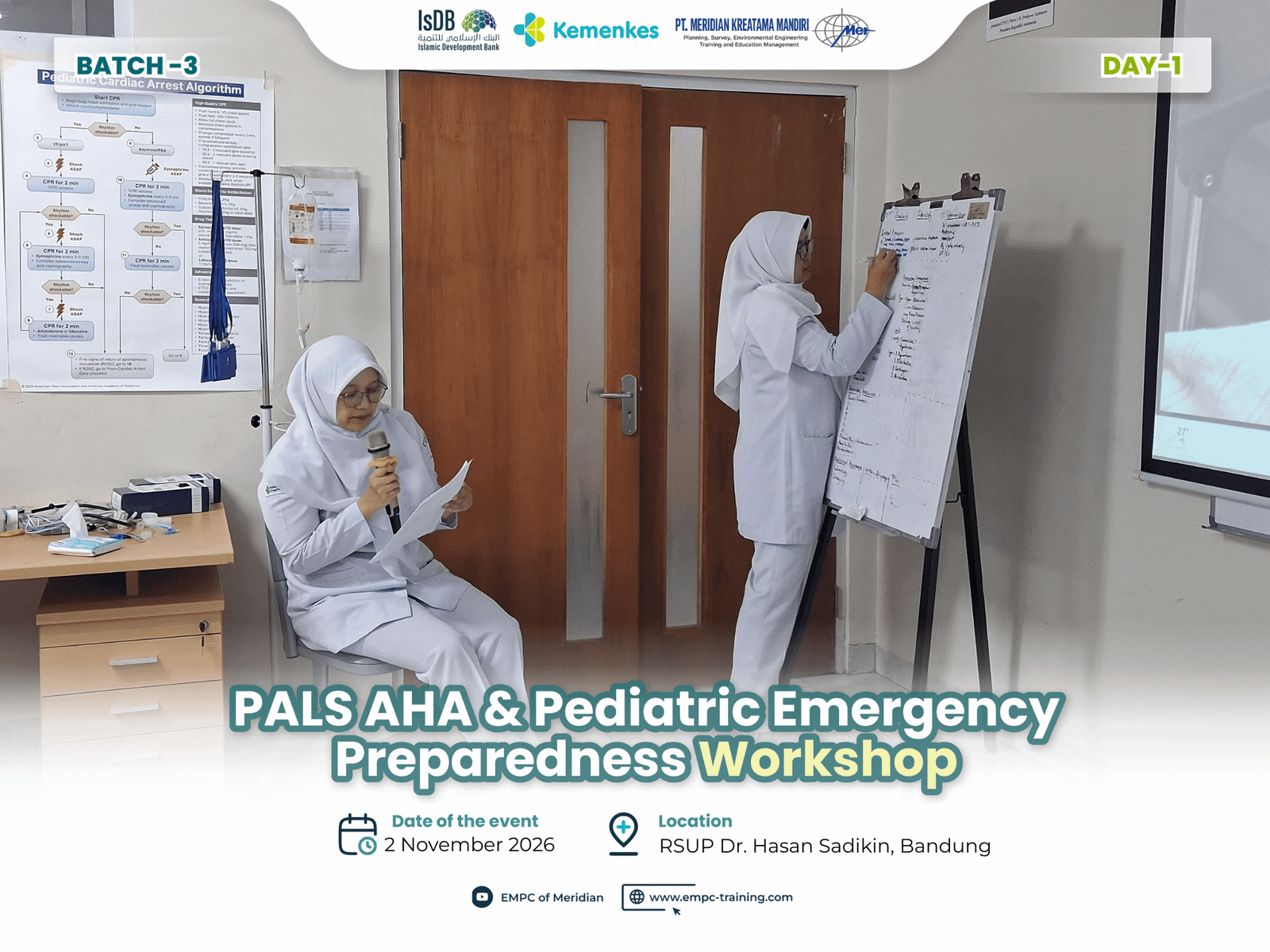
Day 1 – PALS AHA & Pediatric Emergency Preparedness
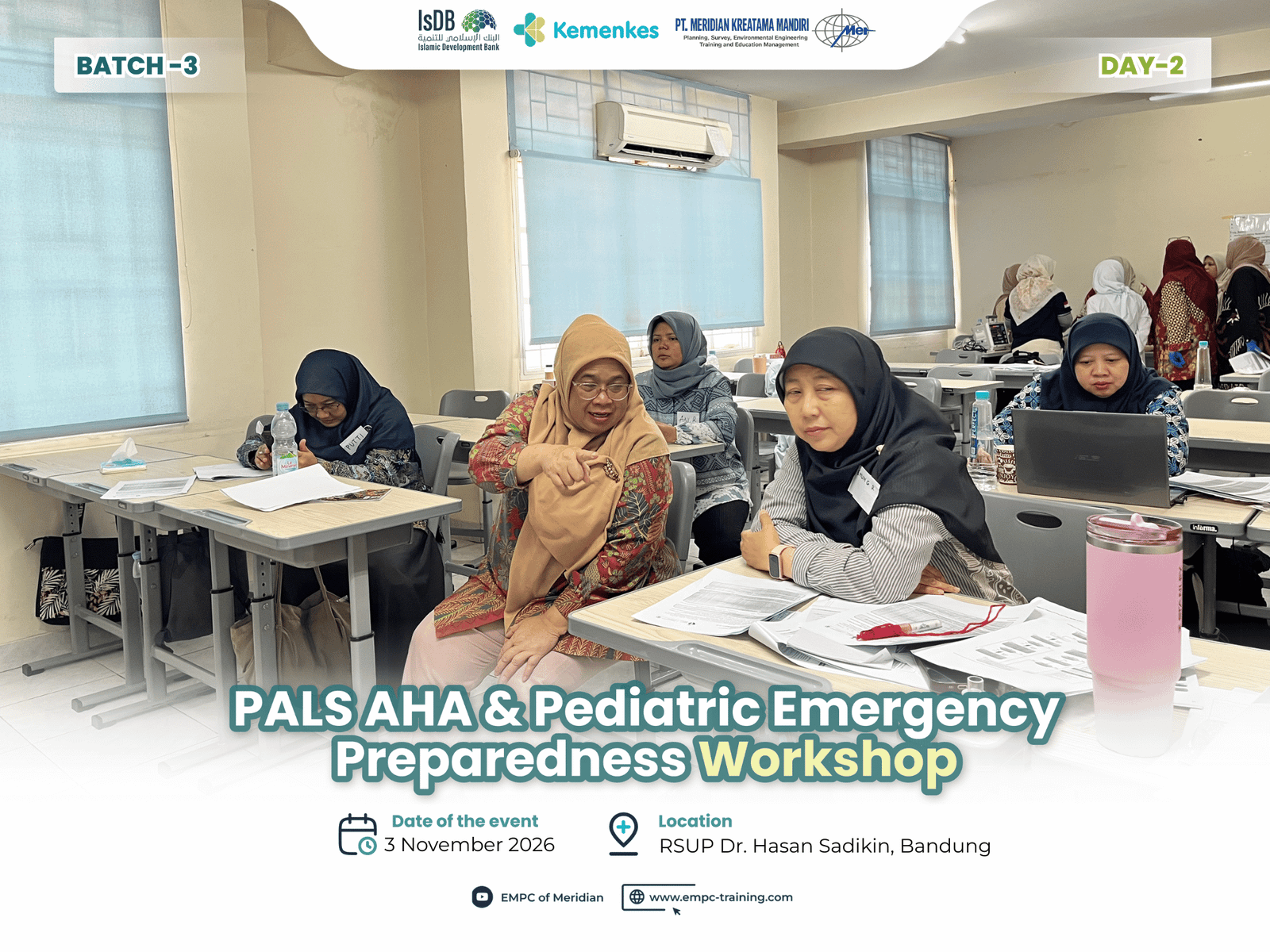
The first day introduced participants to the fundamental principles of Pediatric Advanced Life Support and pediatric emergency preparedness.
Through expert-led sessions and interactive discussions, participants explored key approaches to recognizing and managing critically ill or injured pediatric patients. The sessions provided a foundation for understanding the importance of early recognition, timely intervention, and coordinated teamwork in emergency situations.
The first day also established the clinical framework that participants would apply during the practical learning activities on the following day.
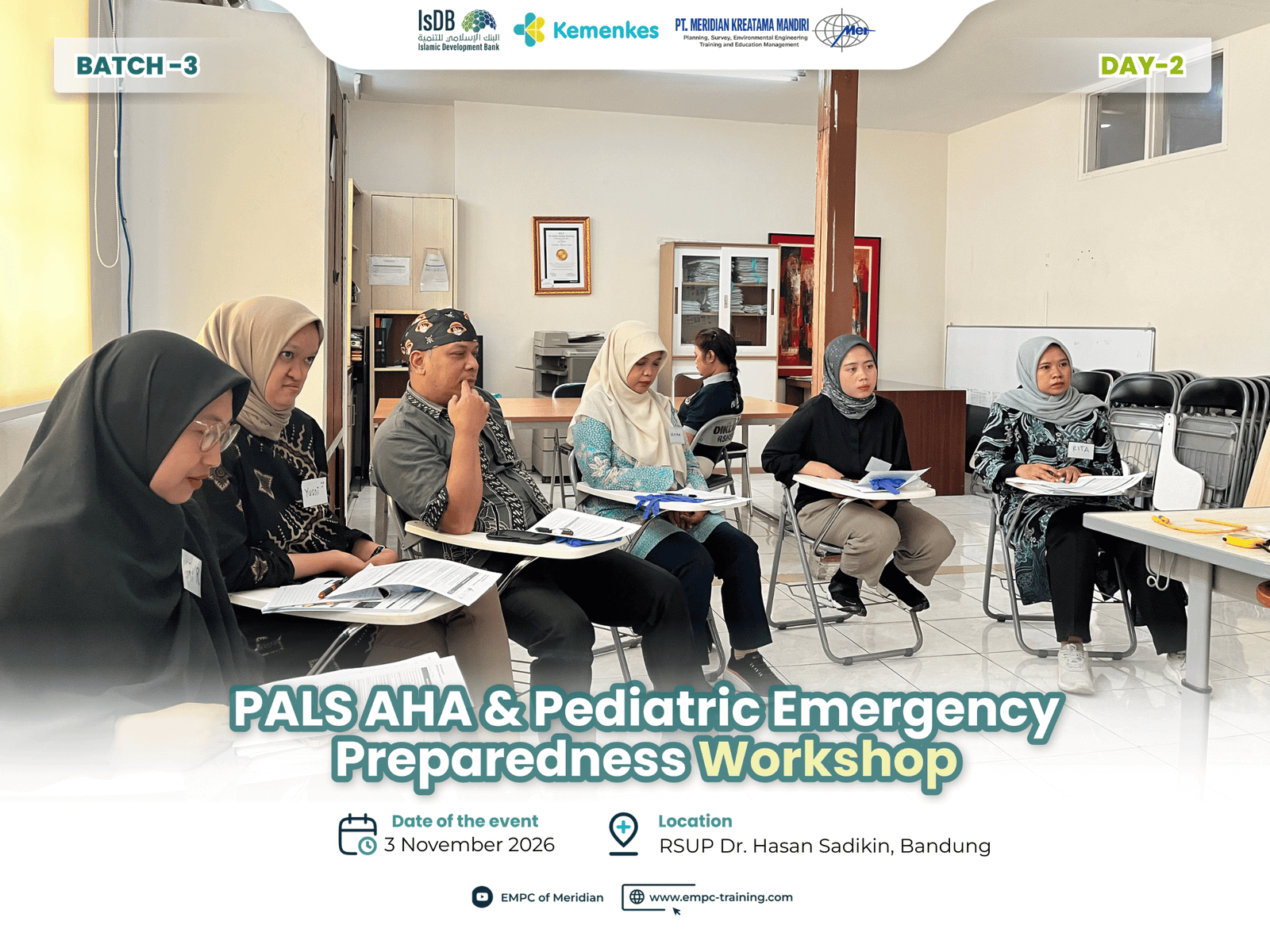
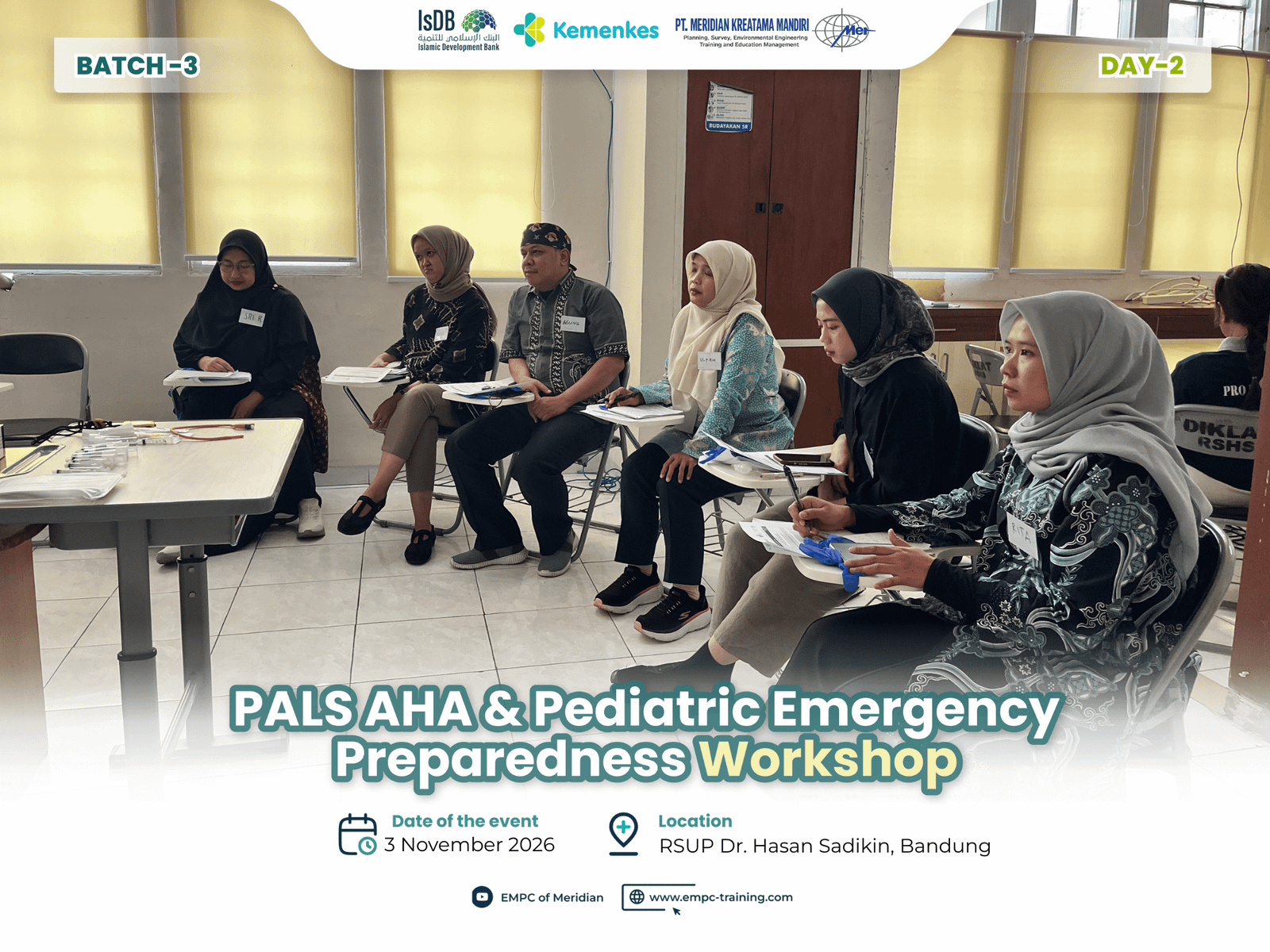
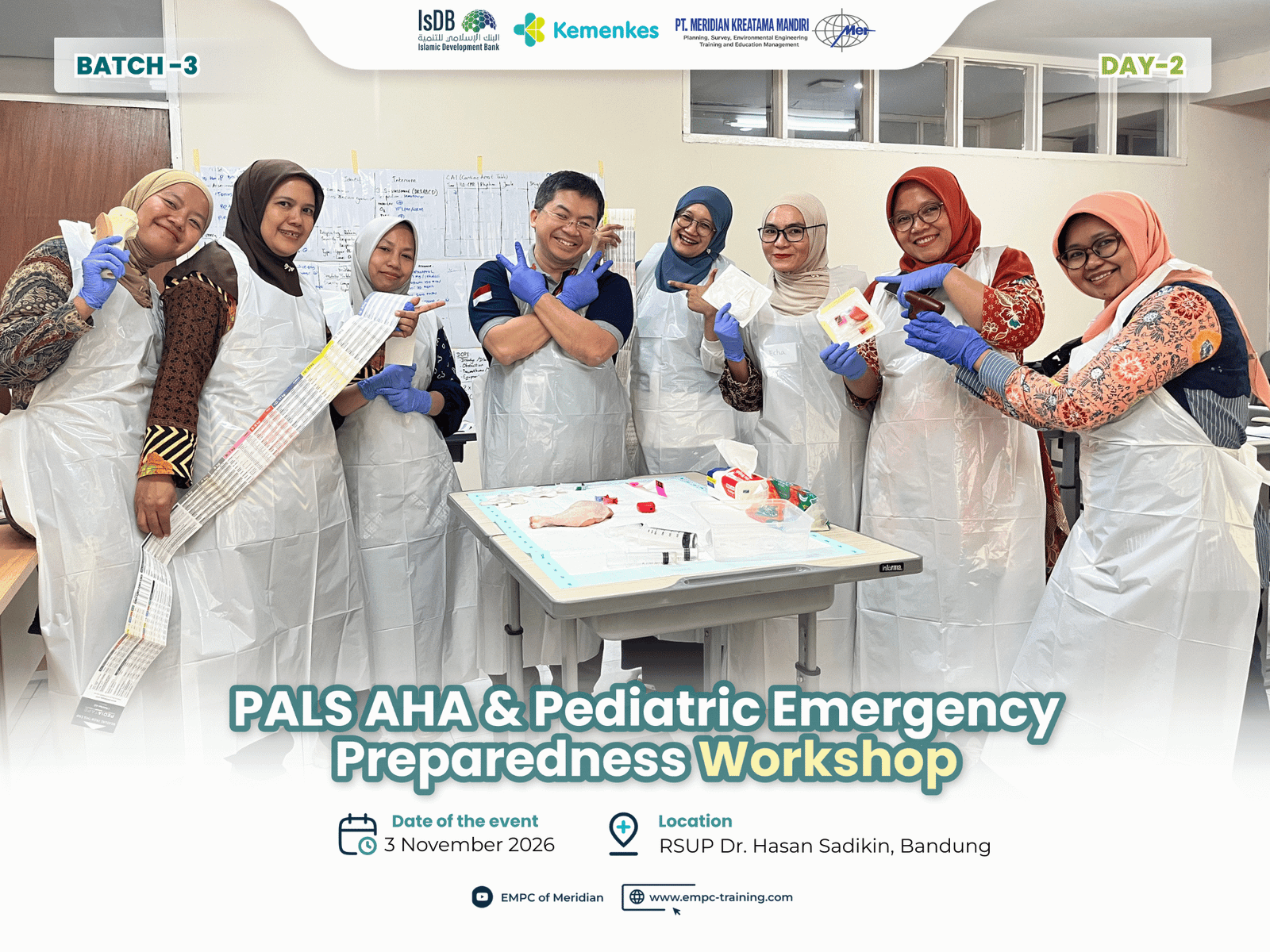
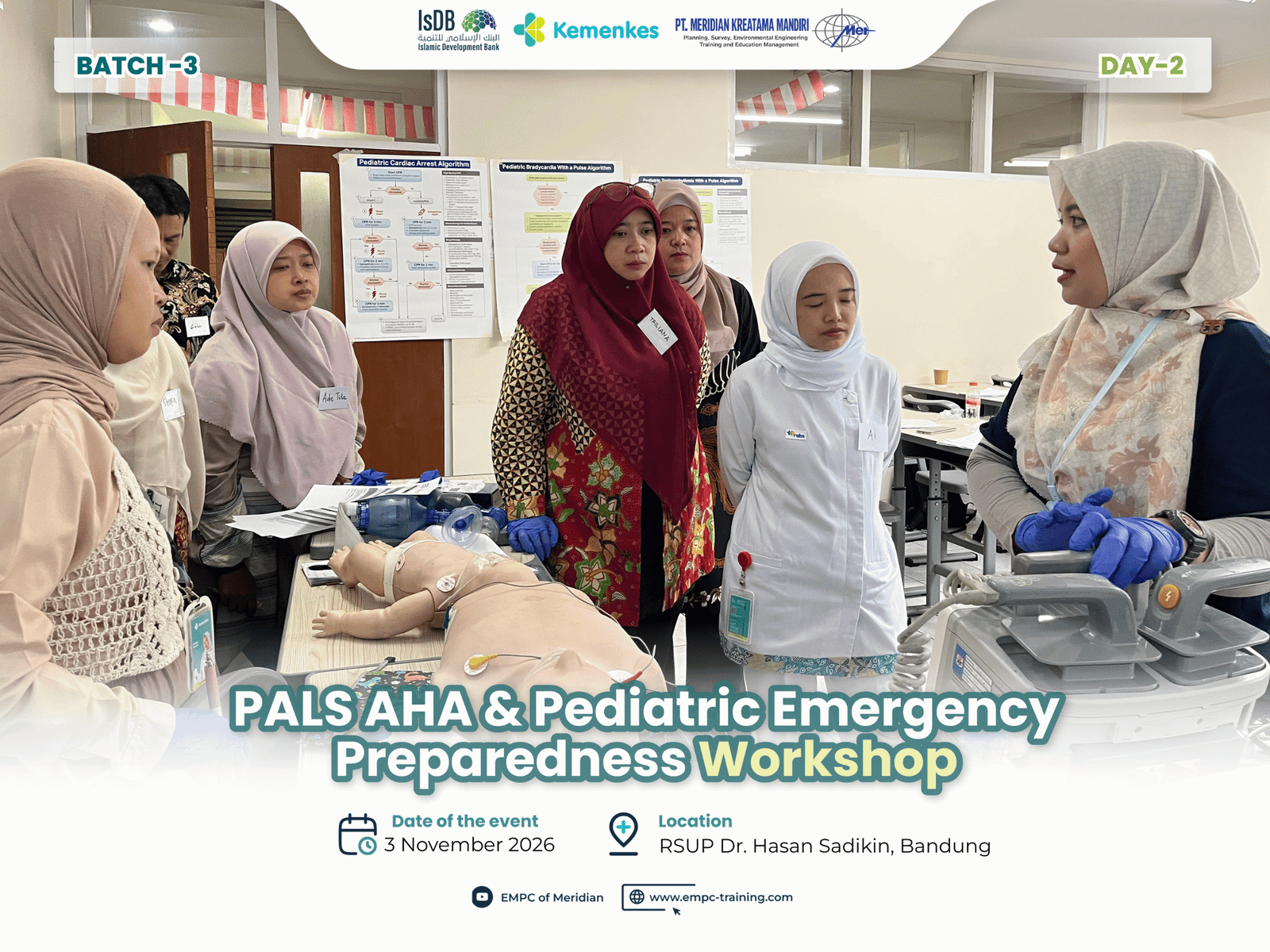
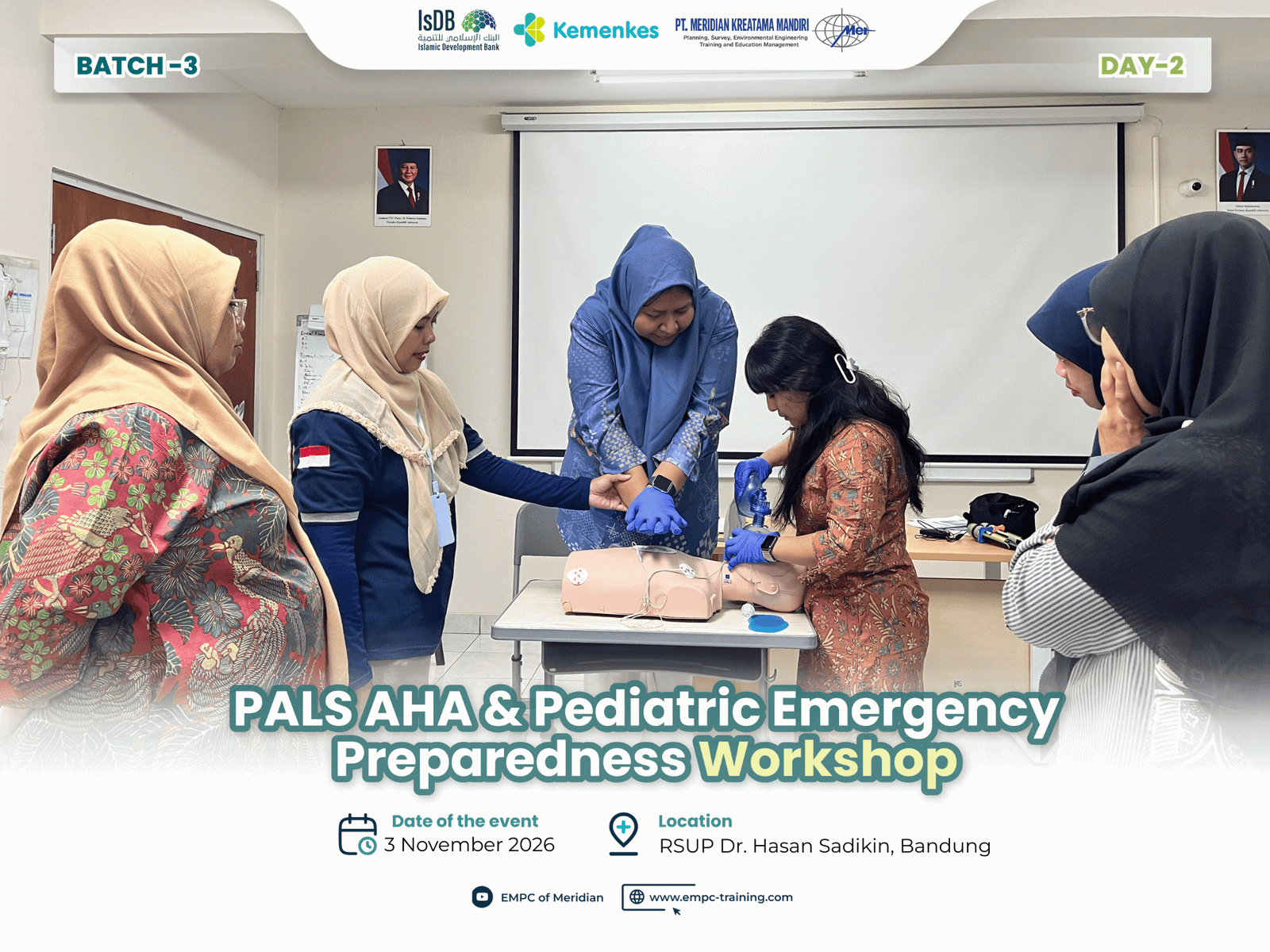
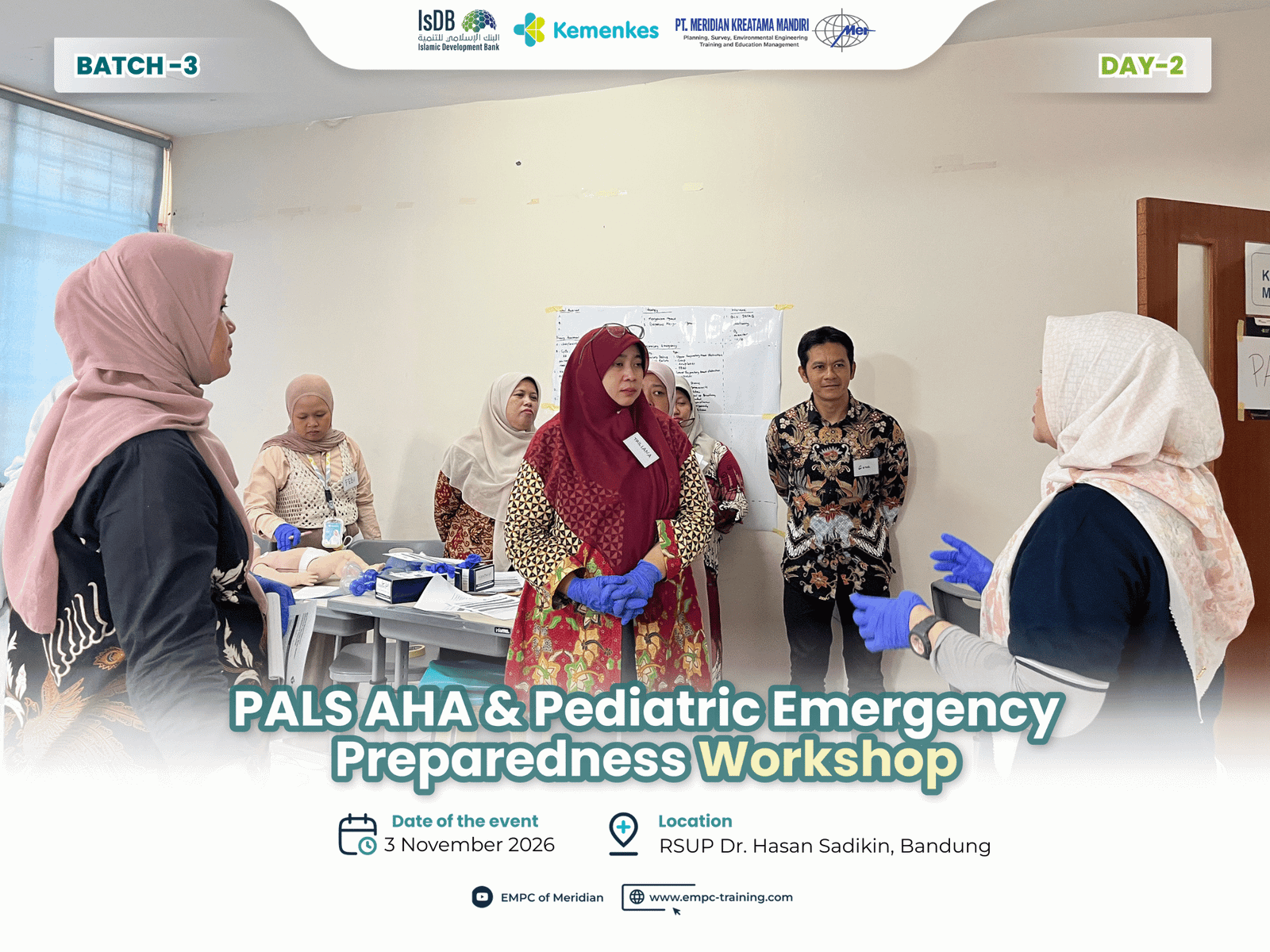
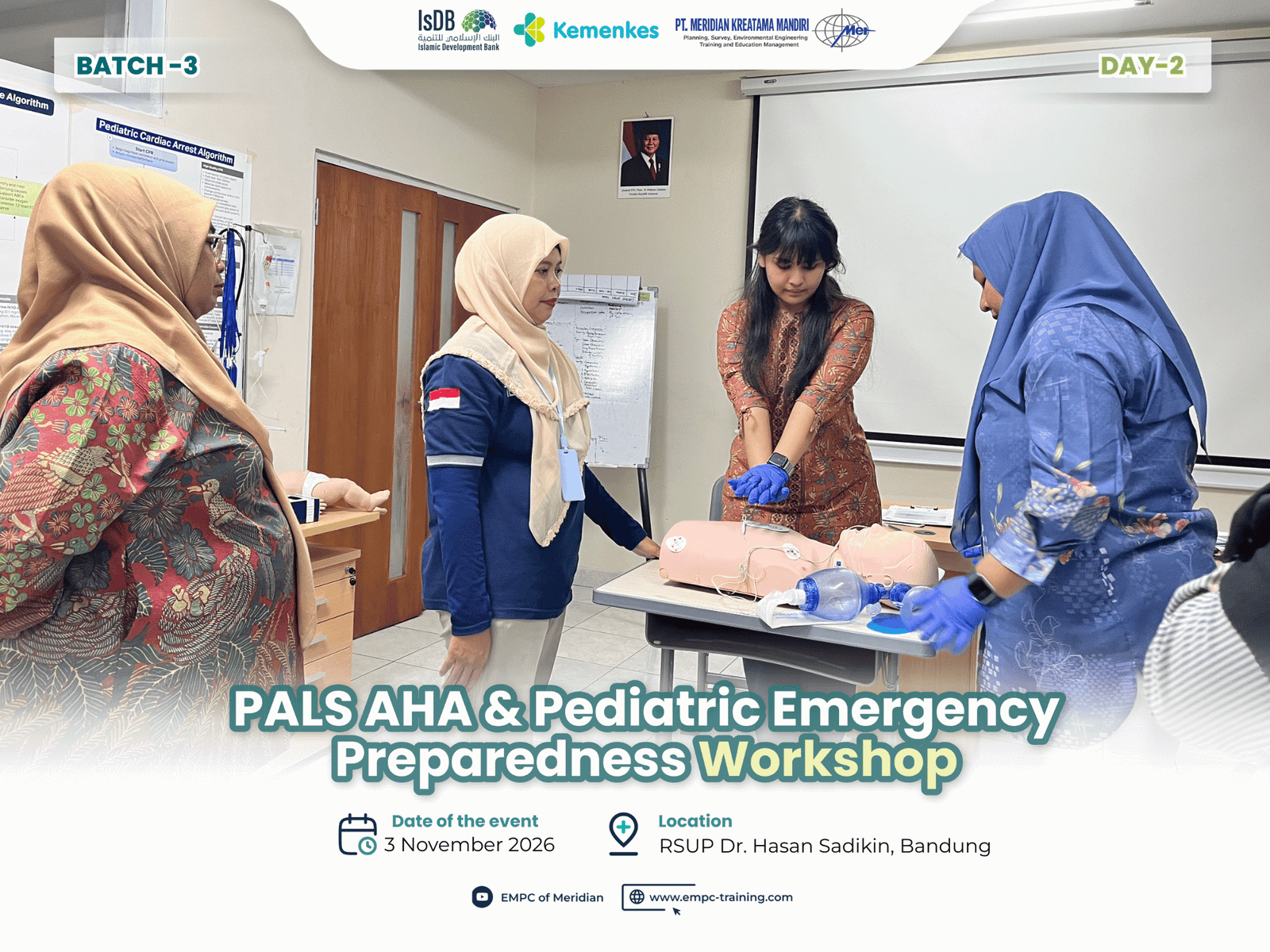
Day 2 – Hands-on Learning Stations
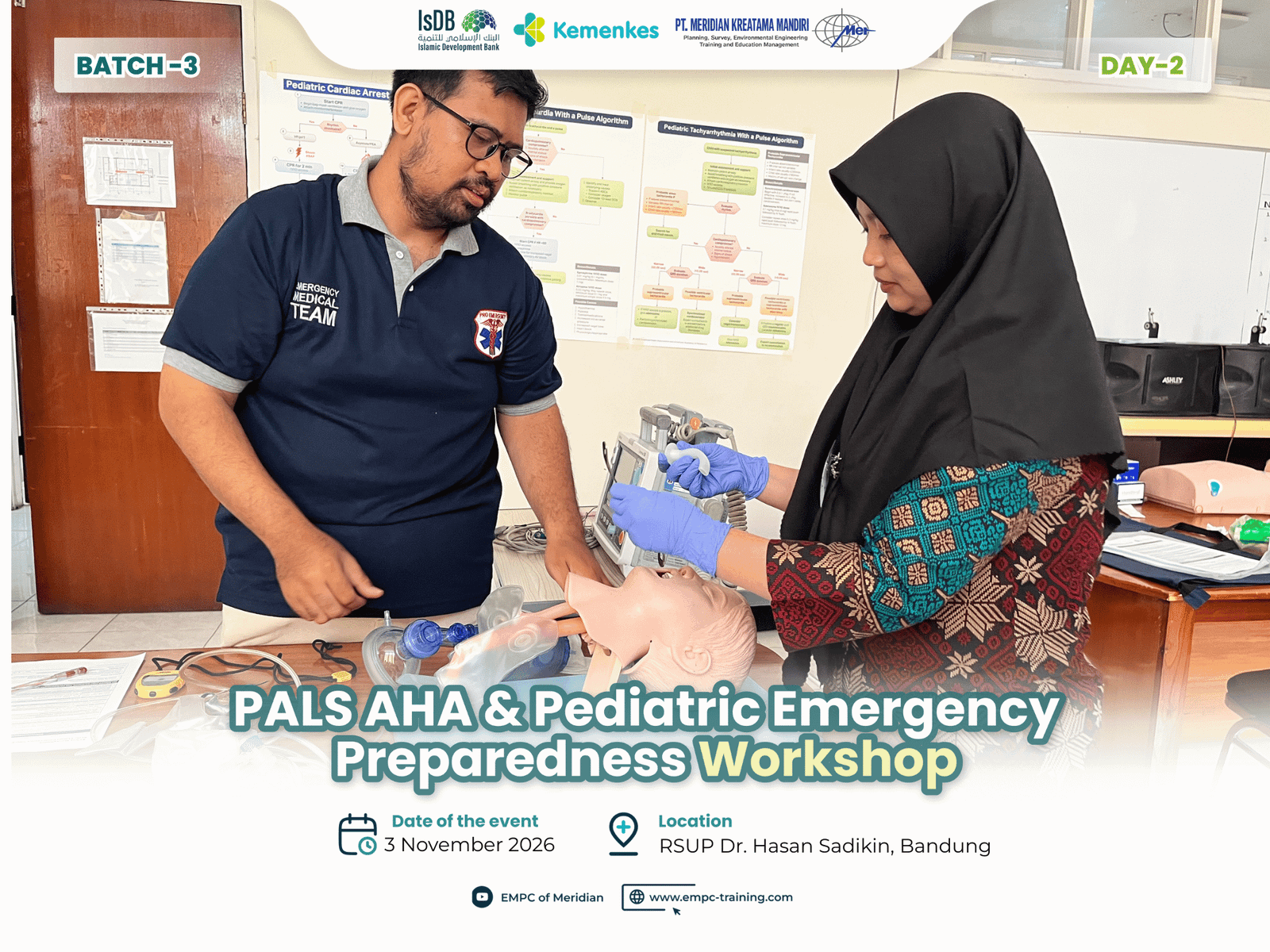
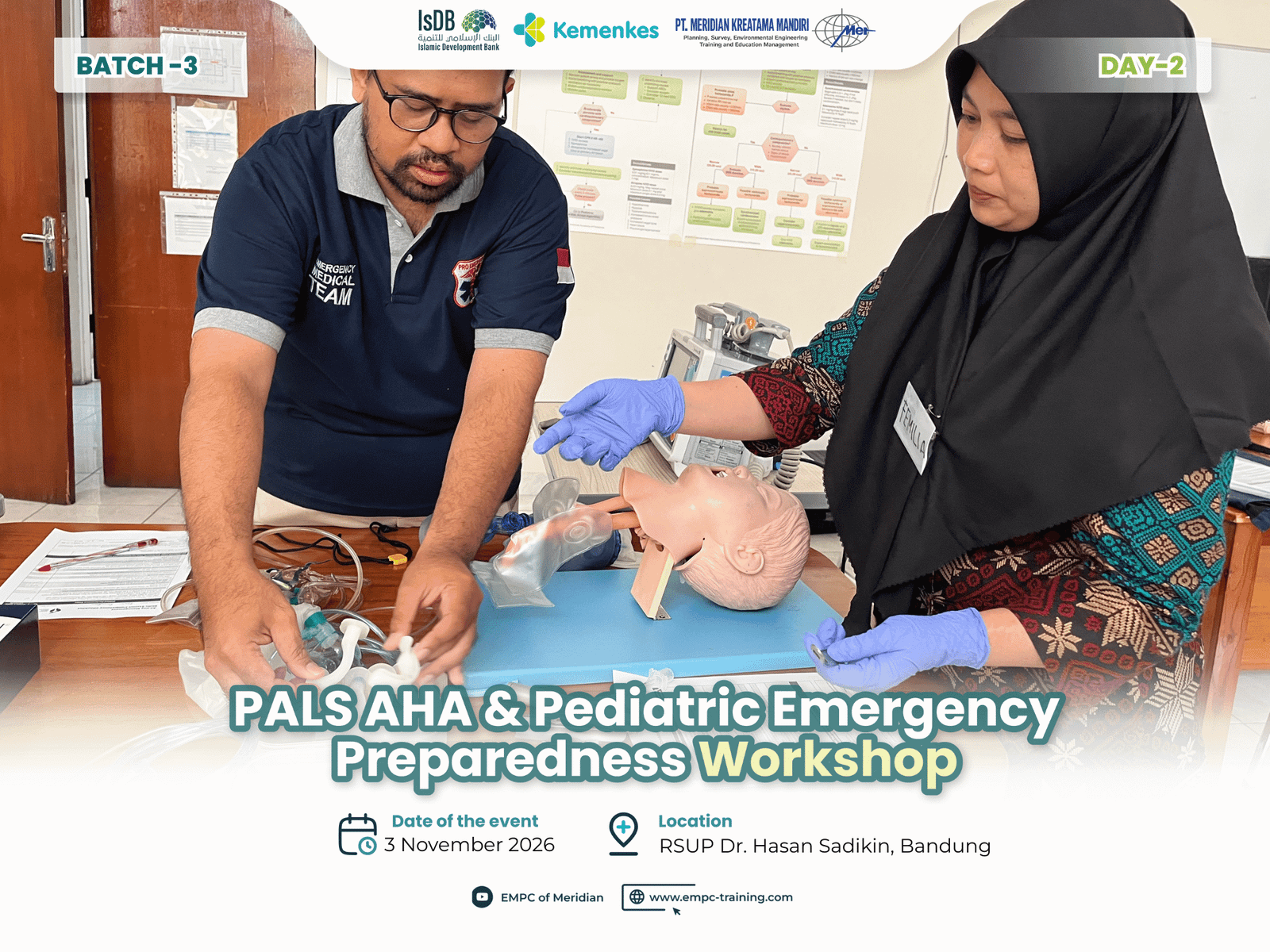
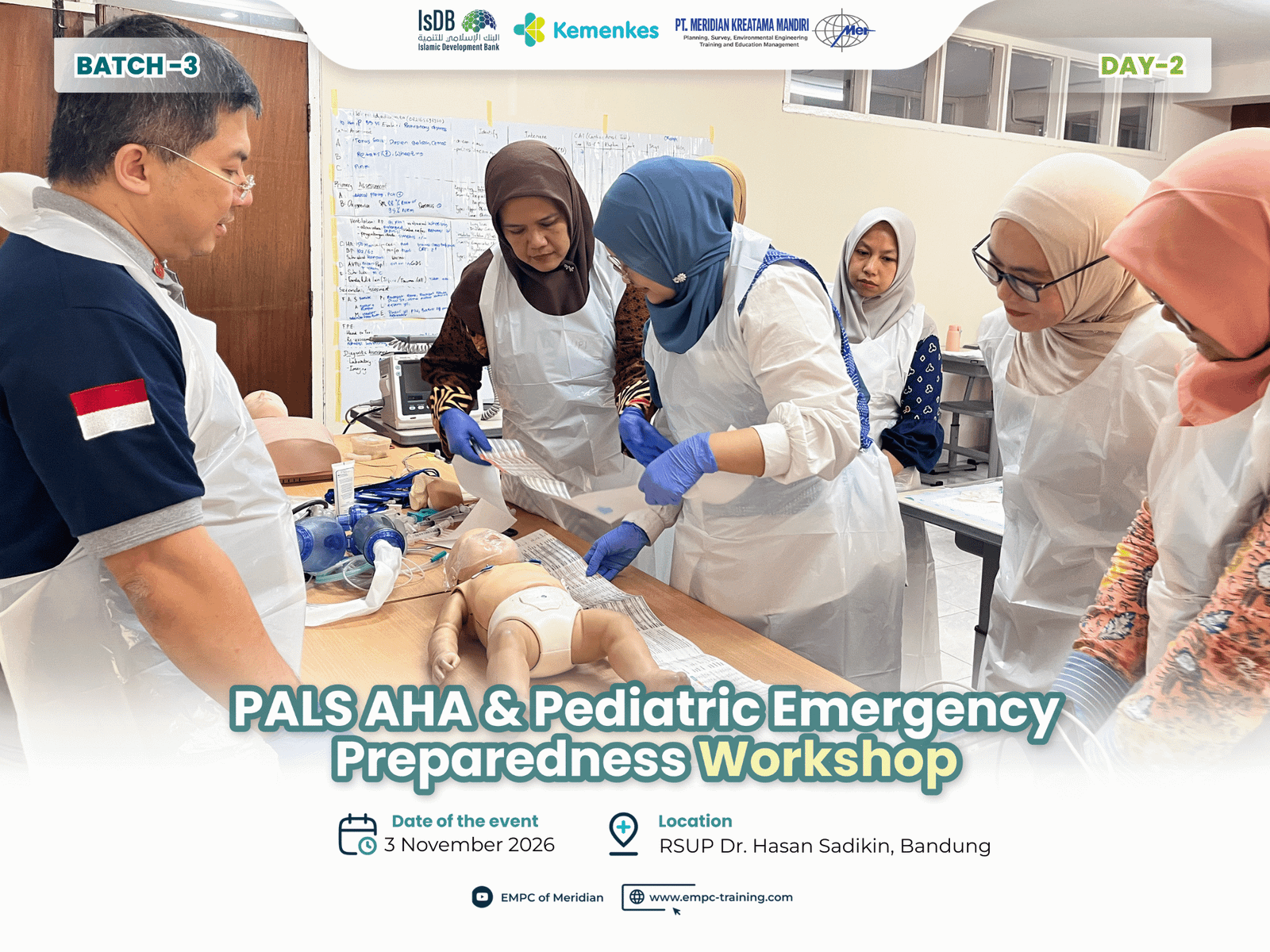
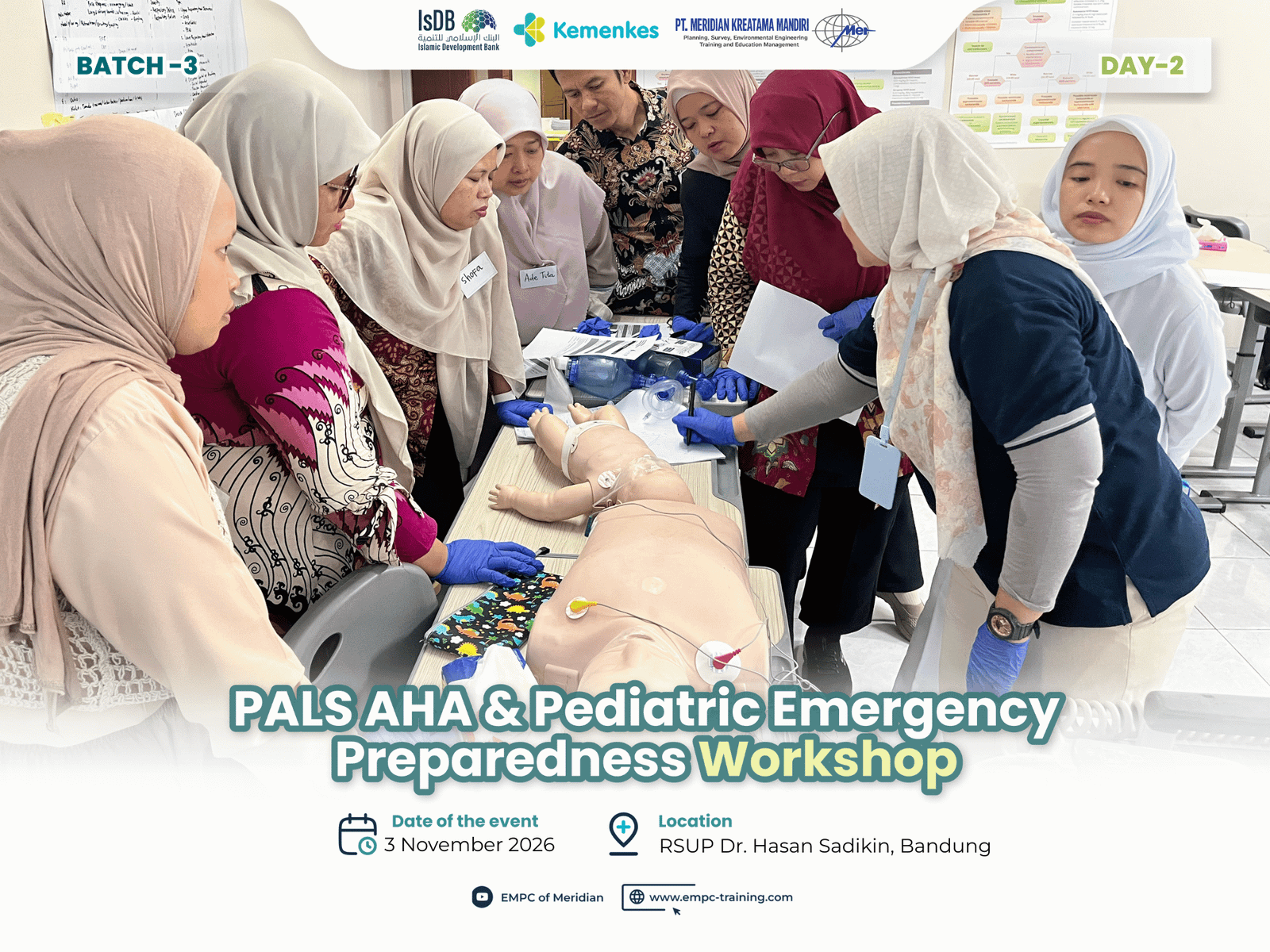
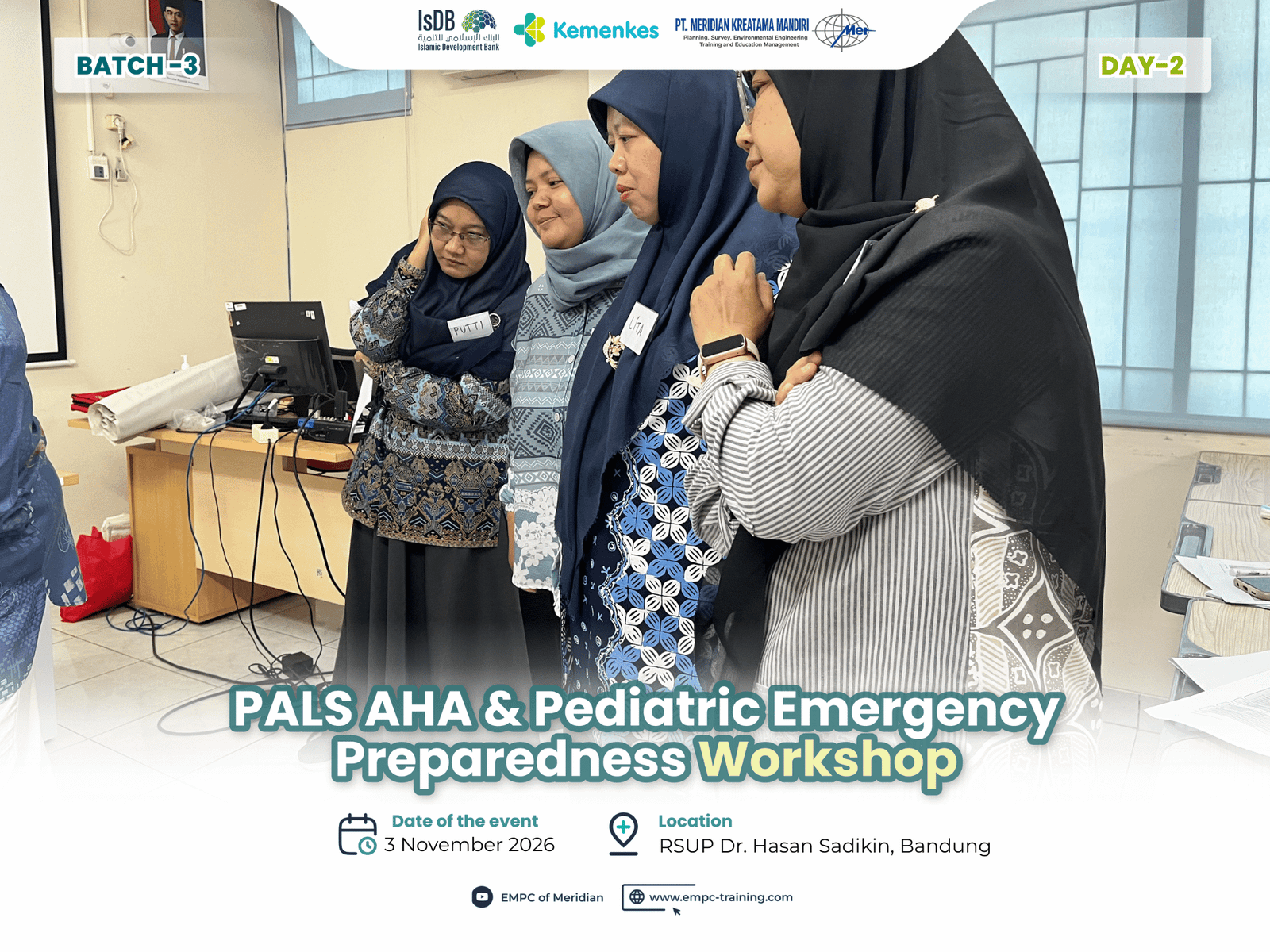
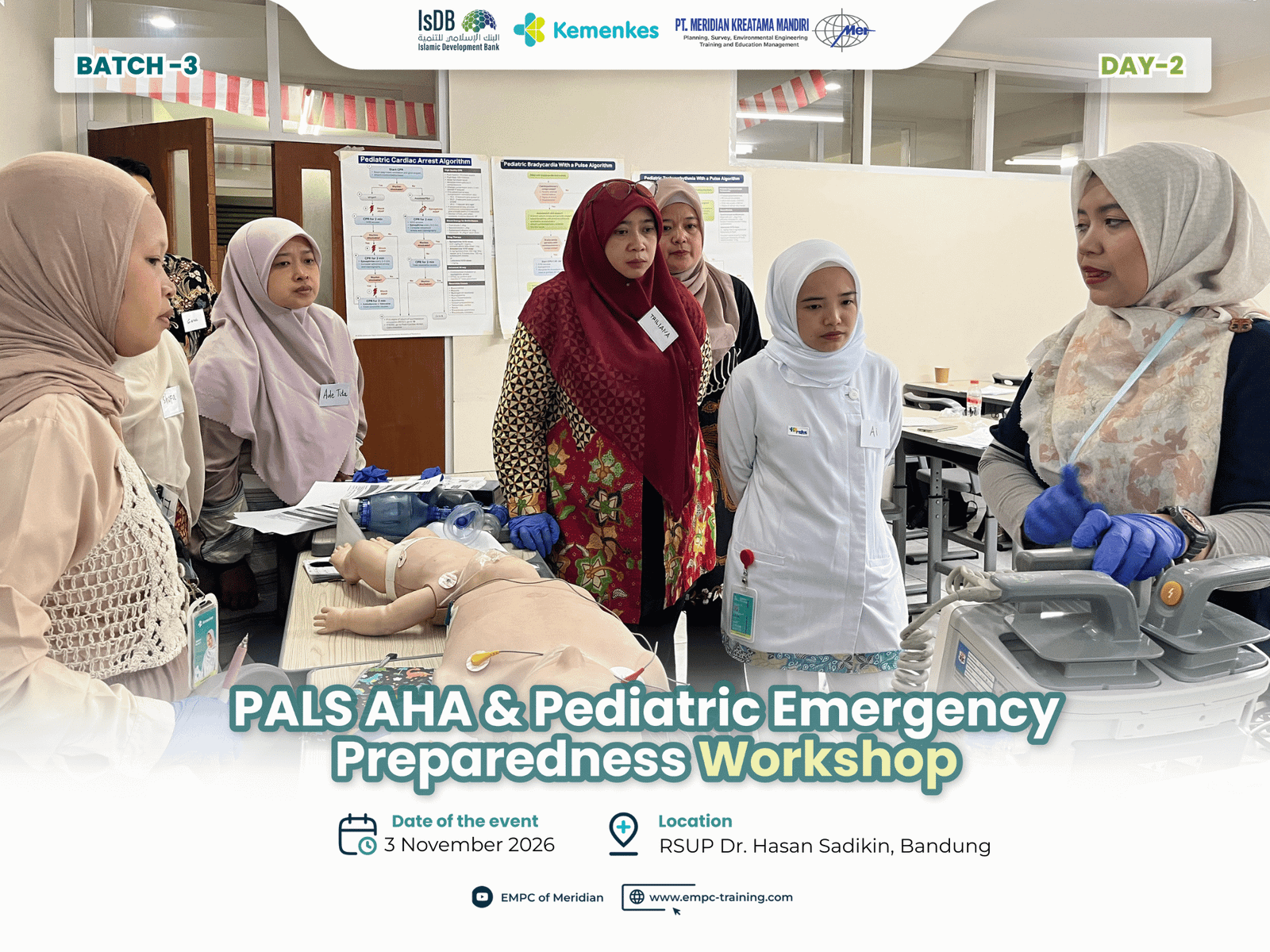
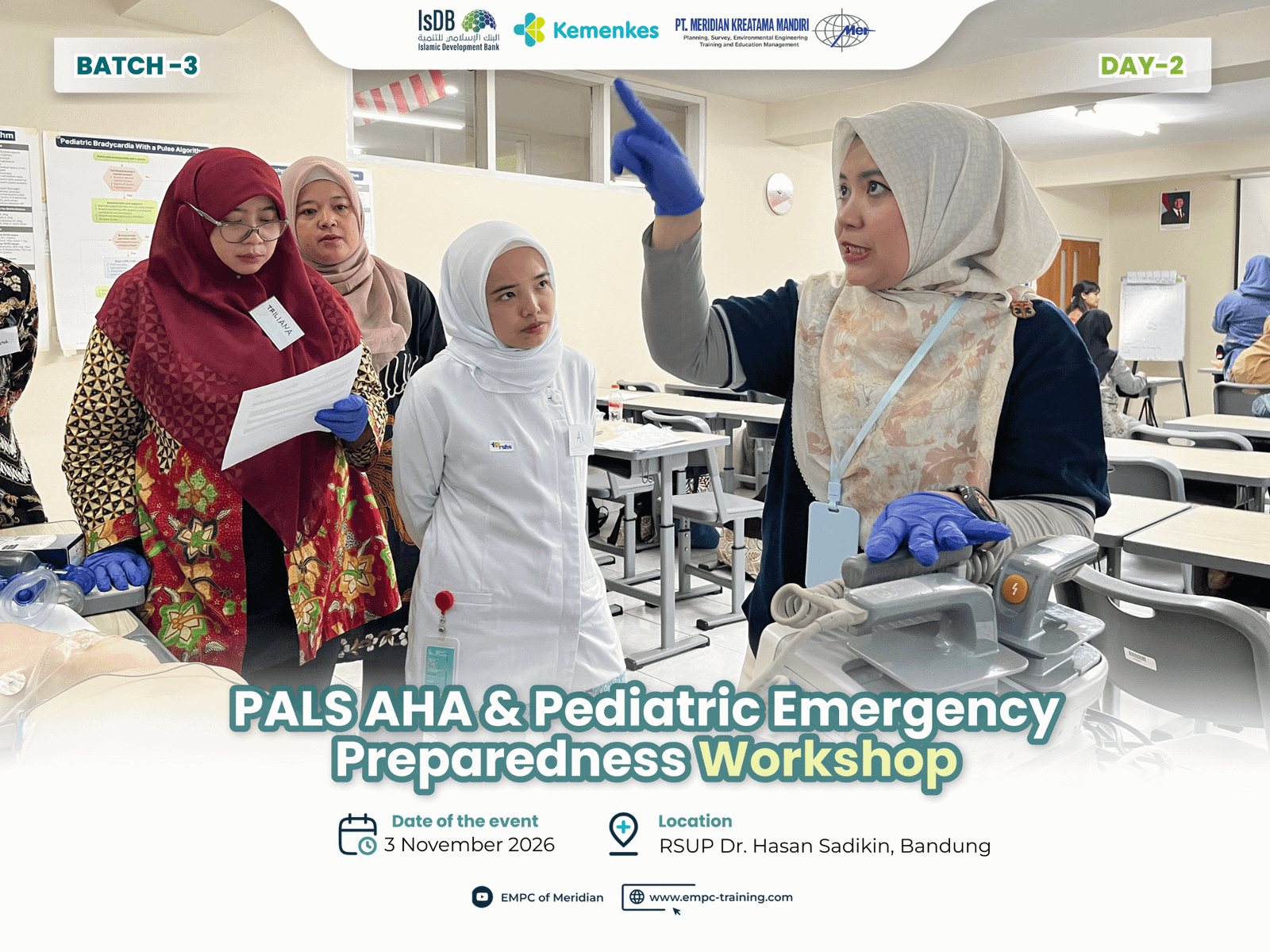
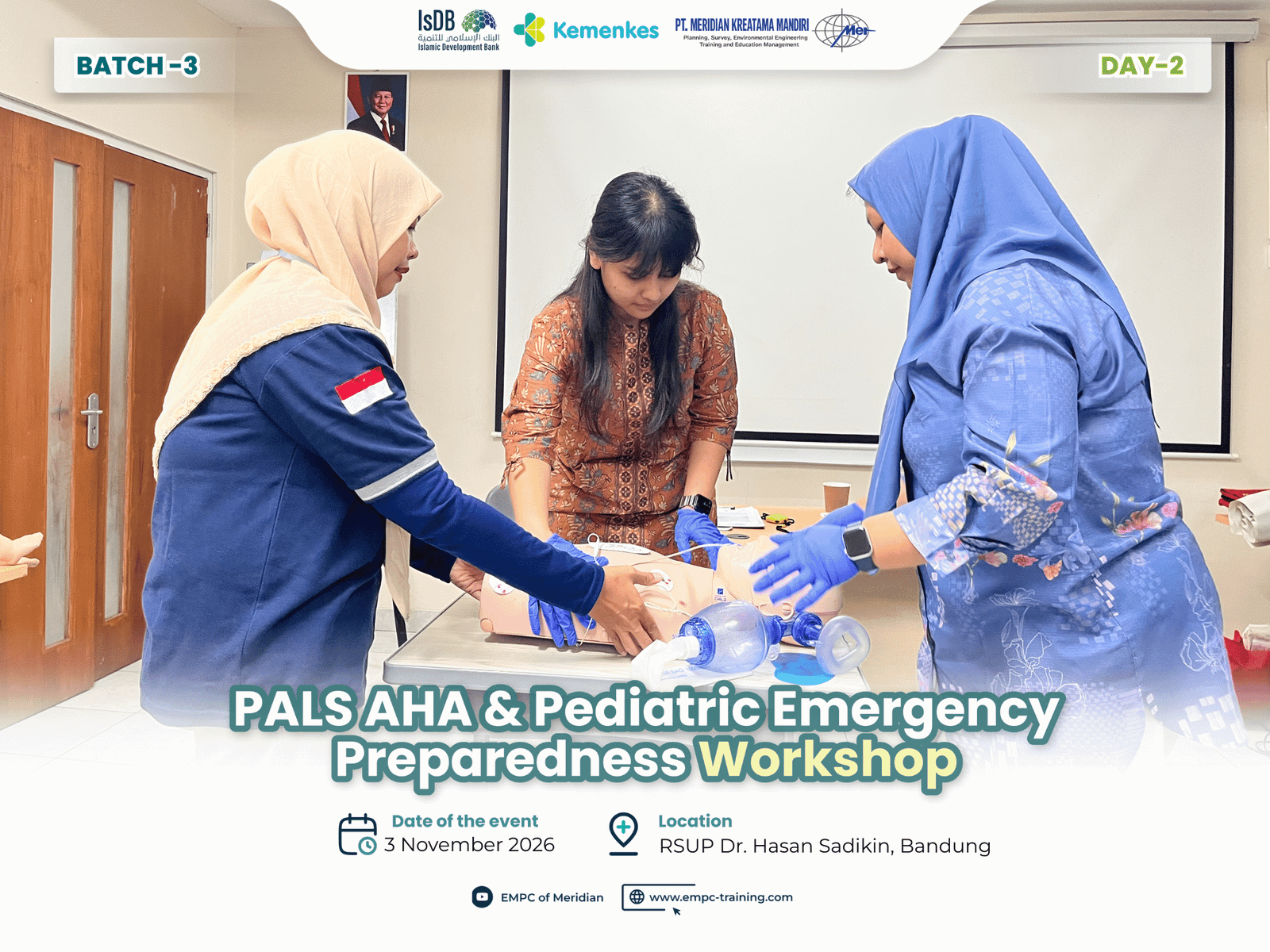
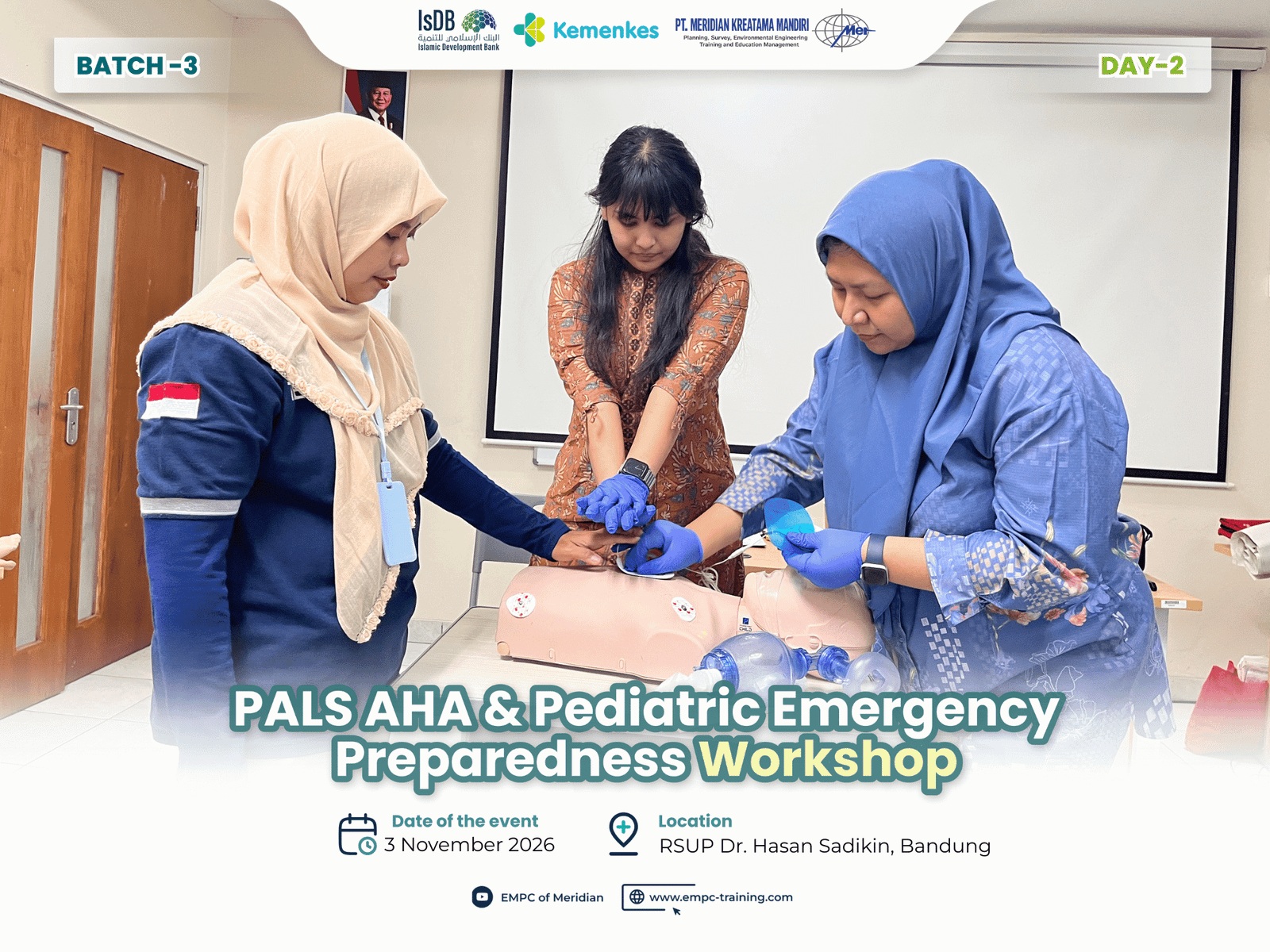
The second day focused on practical skills development through a series of hands-on learning stations. Participants were given opportunities to translate theoretical knowledge into practical interventions through demonstrations, simulations, and supervised practice.
The learning stations covered four essential areas:
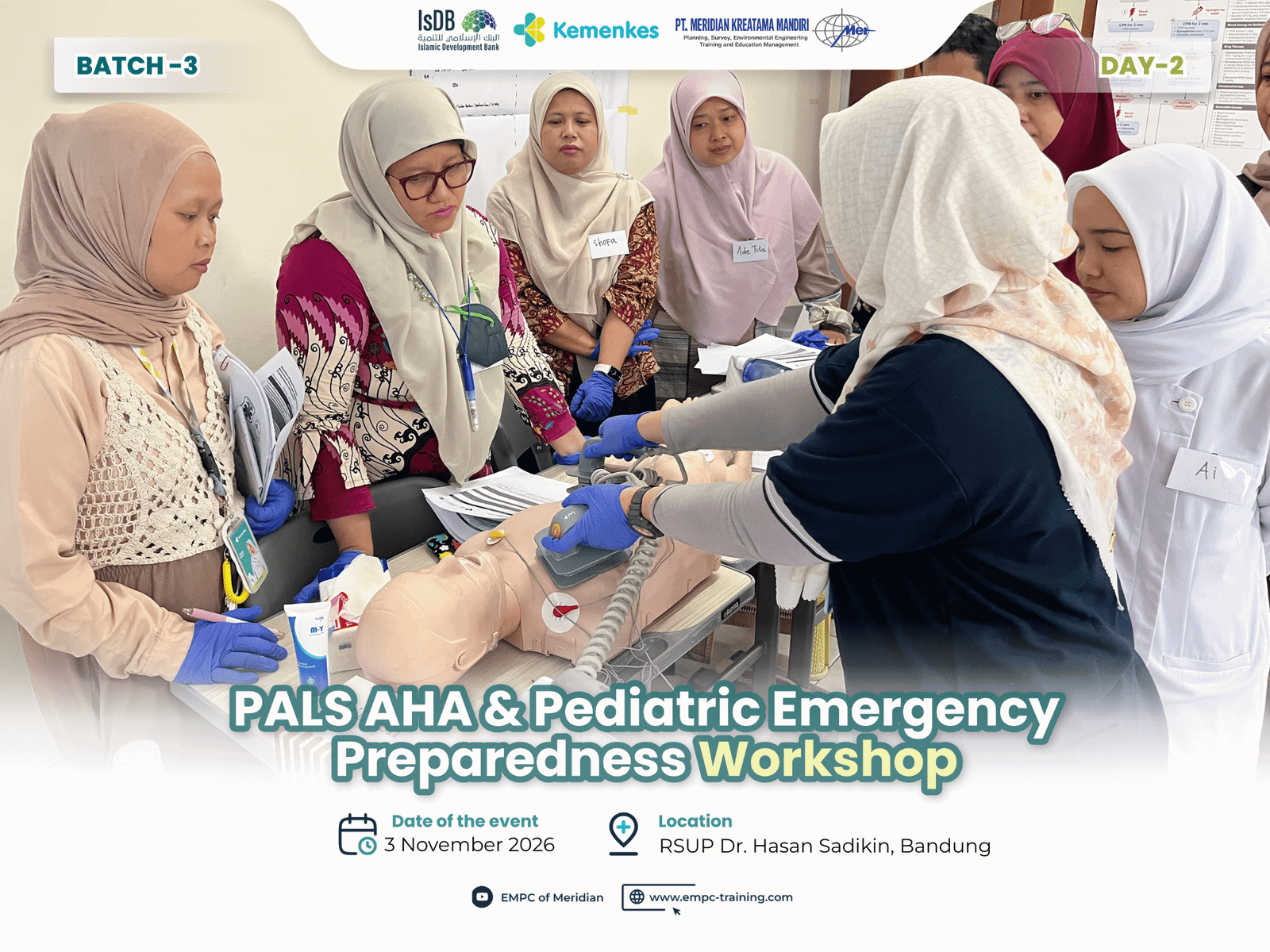
1. Rhythm Disturbances & Electrical Therapy
Participants practiced ECG rhythm recognition and defibrillation, focusing on identifying and responding to potentially life-threatening rhythm disturbances.
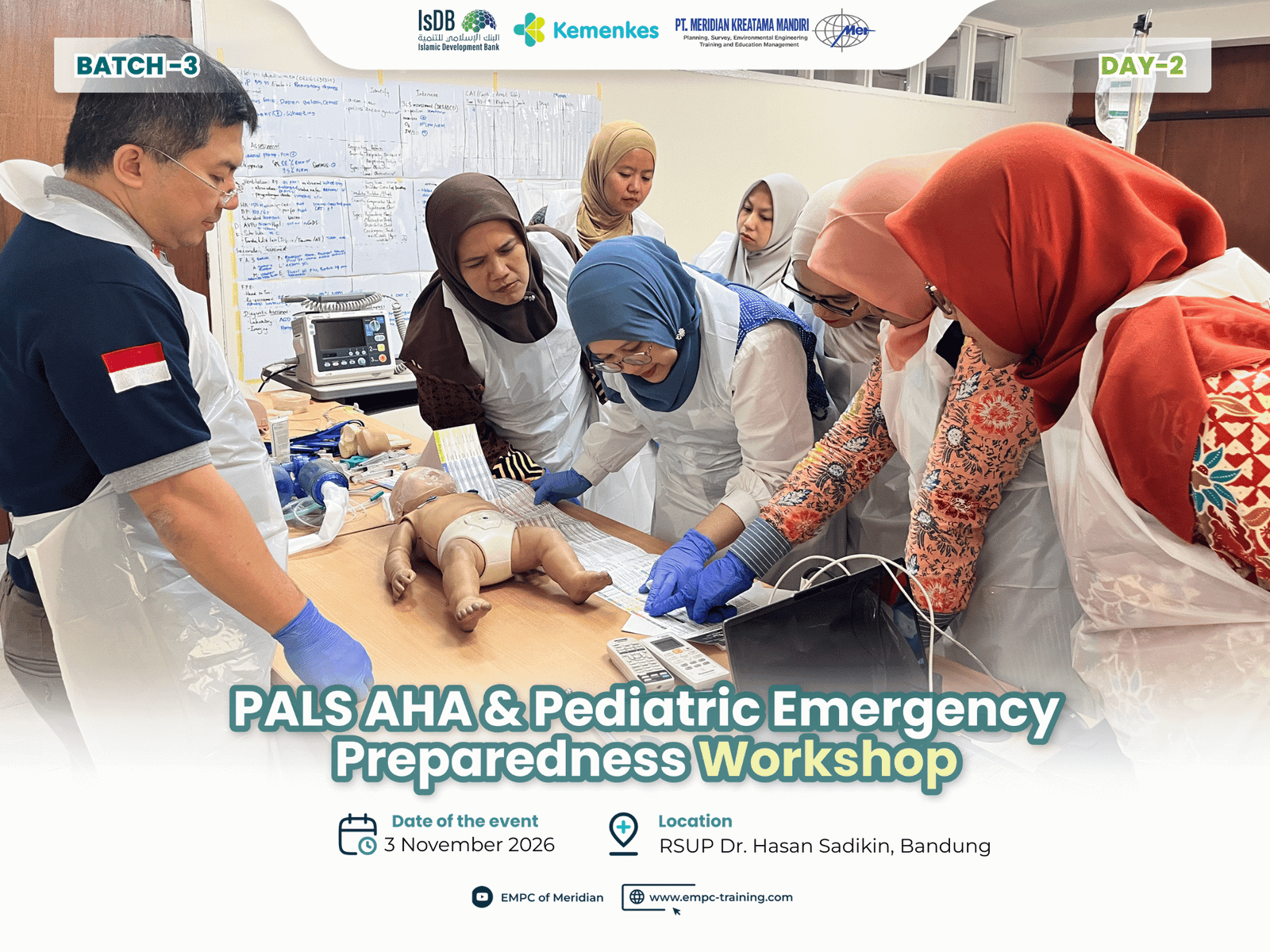
2. High-Quality Basic Life Support (Child & Infant)
This session focused on the principles and techniques of high-quality Basic Life Support (BLS) for children and infants, including effective chest compressions and coordinated resuscitation efforts.
3. Airway Management
Participants developed practical skills in airway management, focusing on maintaining airway patency and supporting effective ventilation in critically ill pediatric patients.
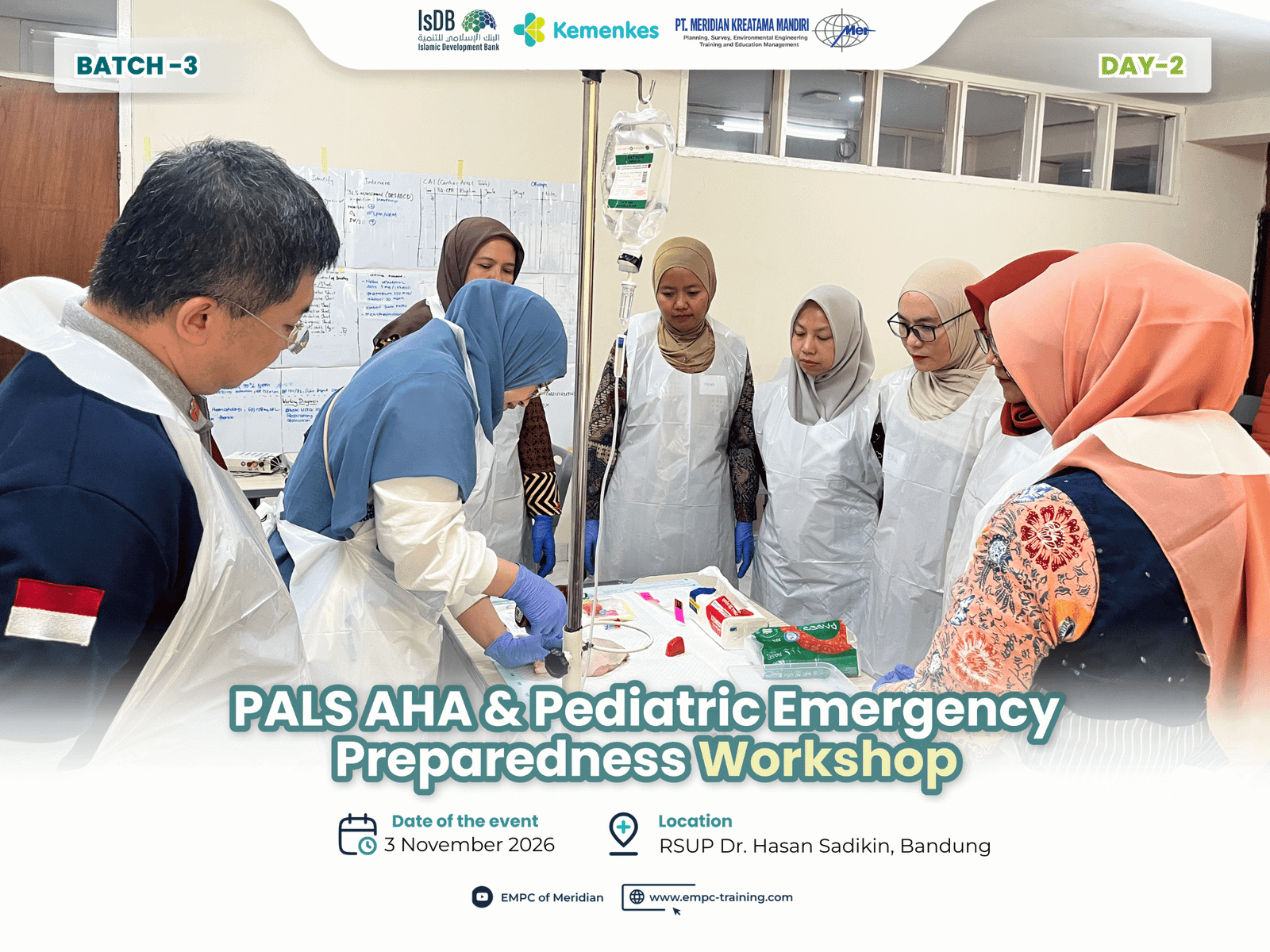
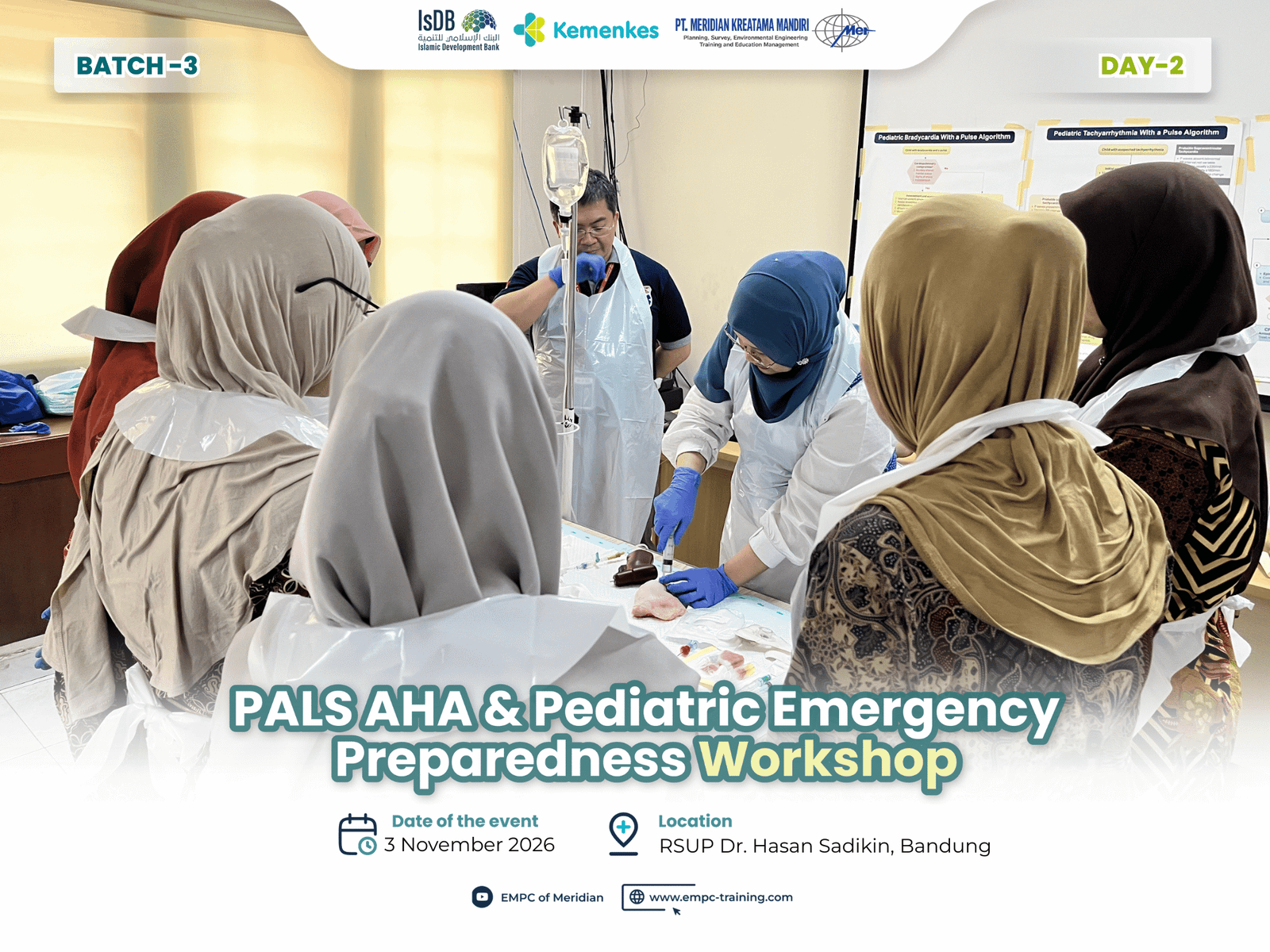
4. Vascular Access – Intraosseous Access (IO)
Participants learned about intraosseous (IO) access as an emergency vascular access technique, particularly in situations where intravenous access cannot be established rapidly.
The hands-on sessions encouraged participants to actively engage in clinical scenarios, strengthen their technical skills, and develop greater confidence in responding to pediatric emergencies. The activities also highlighted the importance of communication, teamwork, and rapid clinical decision-making during critical situations.
Day 3 – PALS Provider Course Assessment
The final day was dedicated to the PALS Provider Course assessment, providing participants with the opportunity to demonstrate the knowledge and practical competencies gained throughout the program.
The morning session featured the PALS Provider Course – Written Examination, assessing participants’ understanding of the concepts, principles, and clinical approaches covered during the training.
In the afternoon, participants proceeded to the PALS Provider Course – Skills Testing. Through practical assessments, participants demonstrated their ability to apply PALS principles and perform essential emergency care skills in simulated clinical situations.
The assessment sessions served not only as an evaluation of individual competencies but also as an opportunity to reinforce the importance of clinical accuracy, effective teamwork, confidence, and timely decision-making in pediatric emergency care.
Strengthening Pediatric Emergency Preparedness
The implementation of the PALS AHA & Pediatric Emergency Preparedness Workshop represents another important step in strengthening pediatric emergency response capacity at RSUP Dr. Hasan Sadikin, Bandung.
Through structured learning and practical competency development, the program aims to support healthcare professionals in delivering safe, timely, and effective emergency care for pediatric patients.
As part of the EMPC Program Hospital Training under IsDB Project IDN: 1031, the program reflects the continued commitment of EMPC – PT Meridian Kreatama Mandiri, together with its project partners and participating healthcare institutions, to strengthening healthcare workforce capacity and supporting the development of more resilient and responsive hospital emergency services in Indonesia.
By combining theoretical knowledge, hands-on training, and competency-based assessments, the workshop contributes to building a more confident, skilled, and coordinated healthcare workforce, better prepared to respond when every second matters.
2-4 November 2026