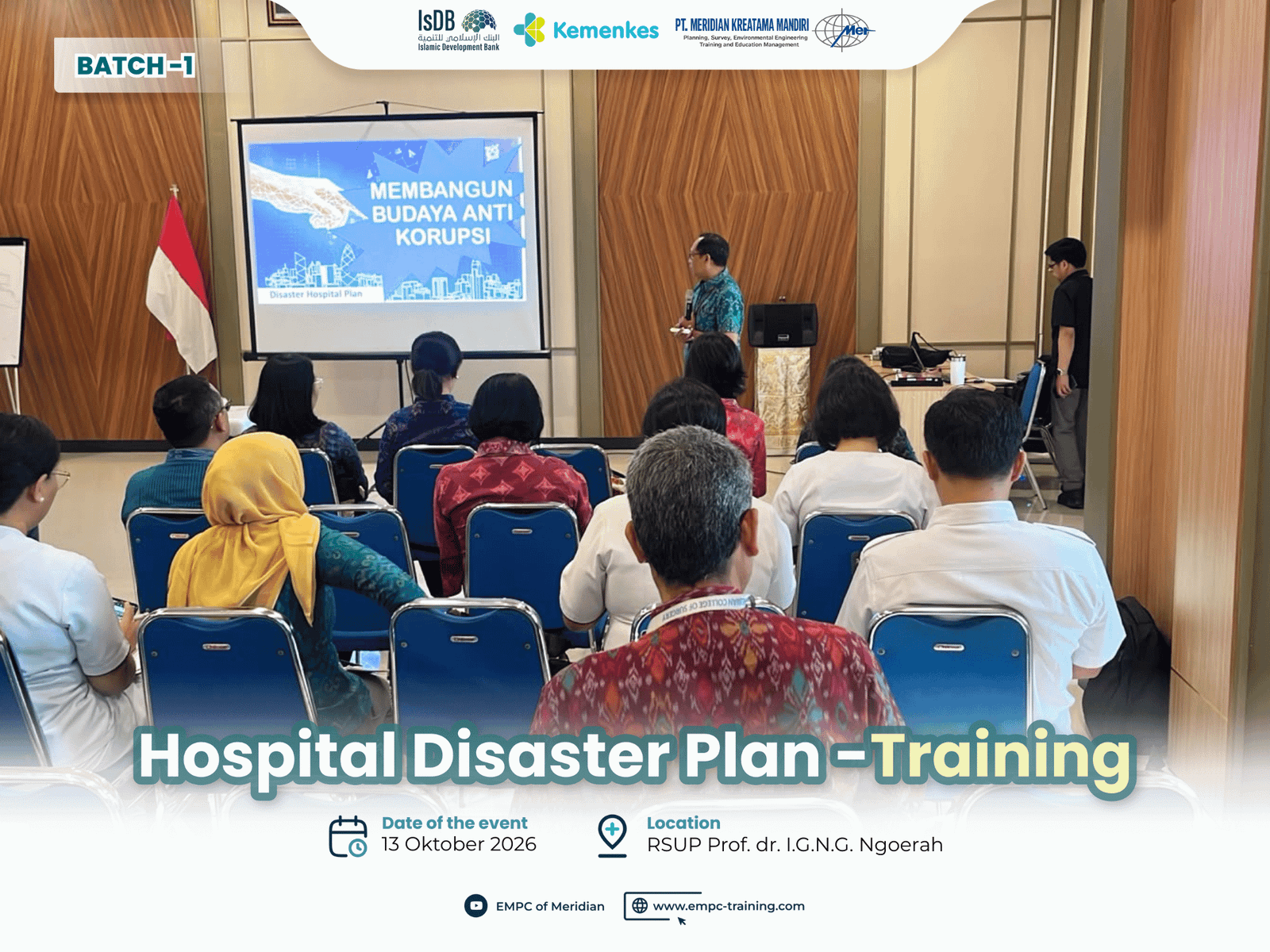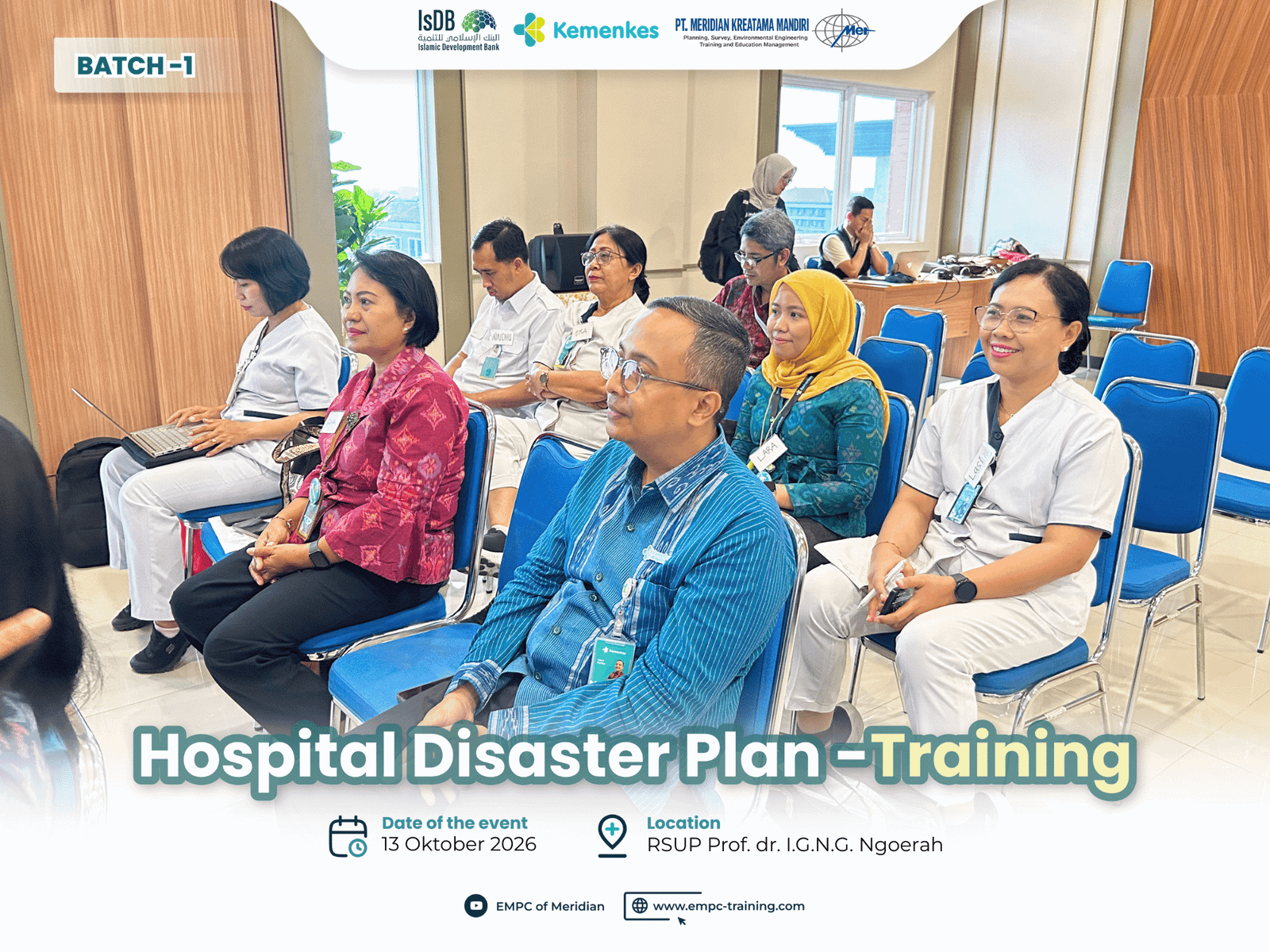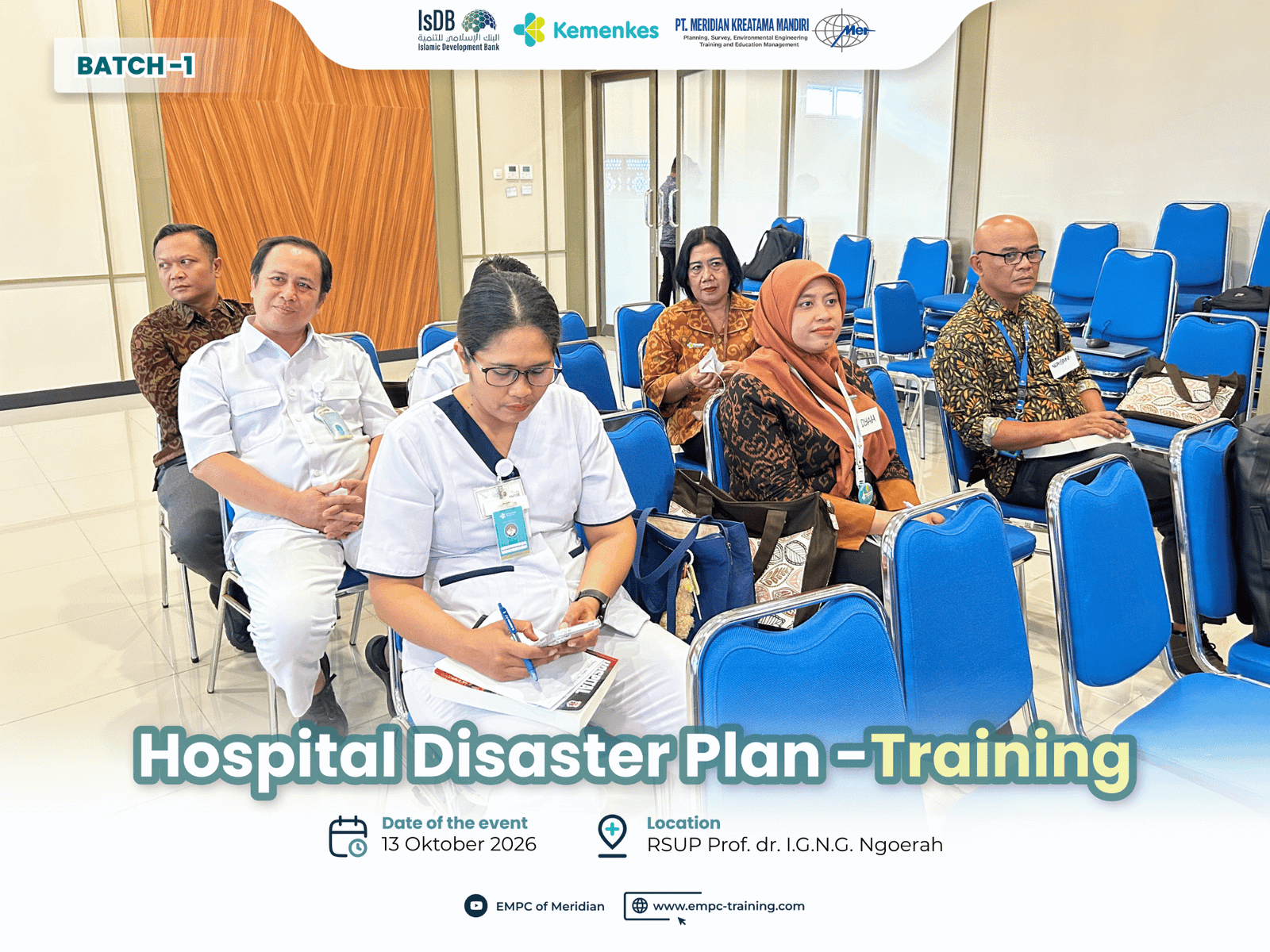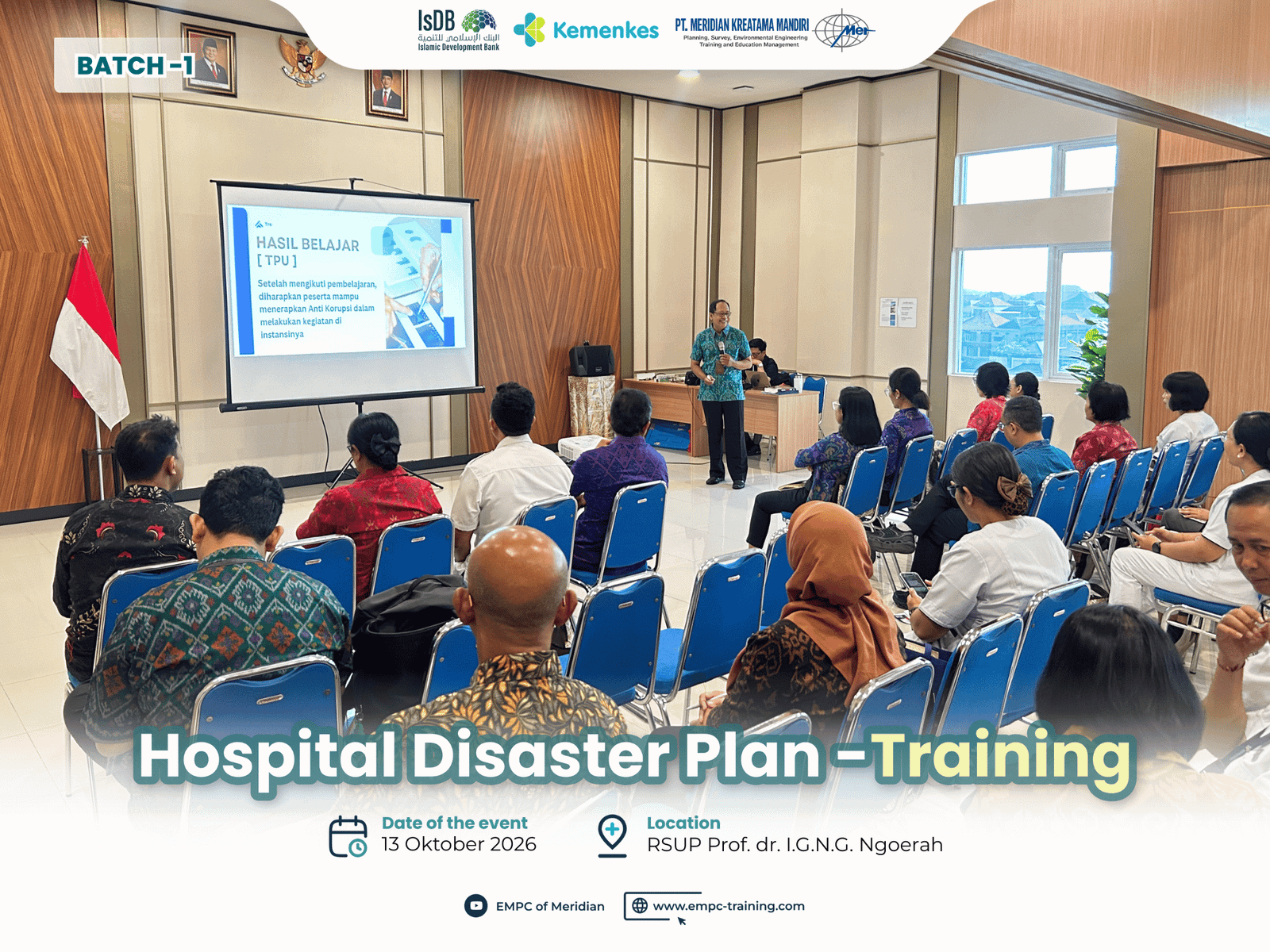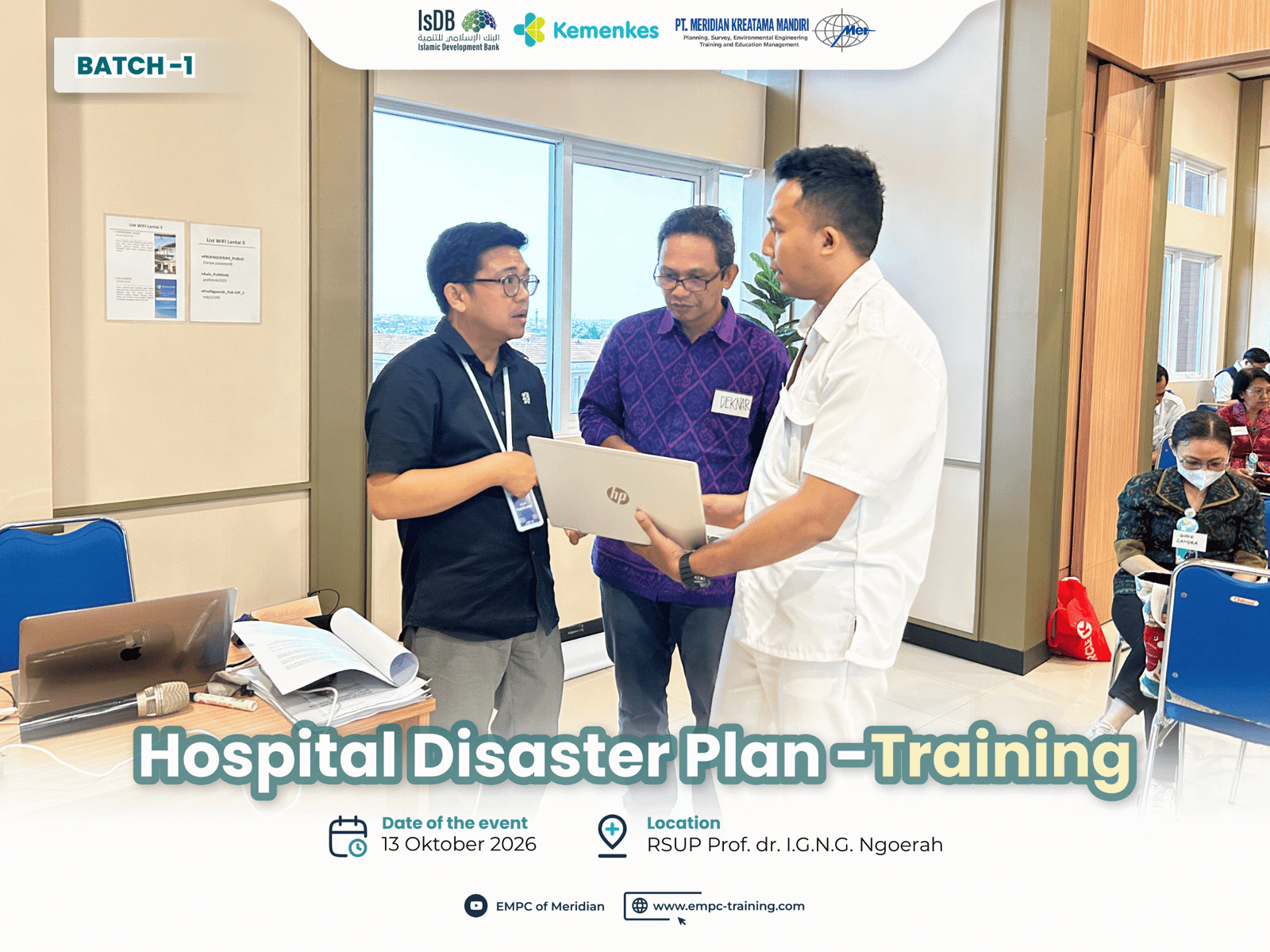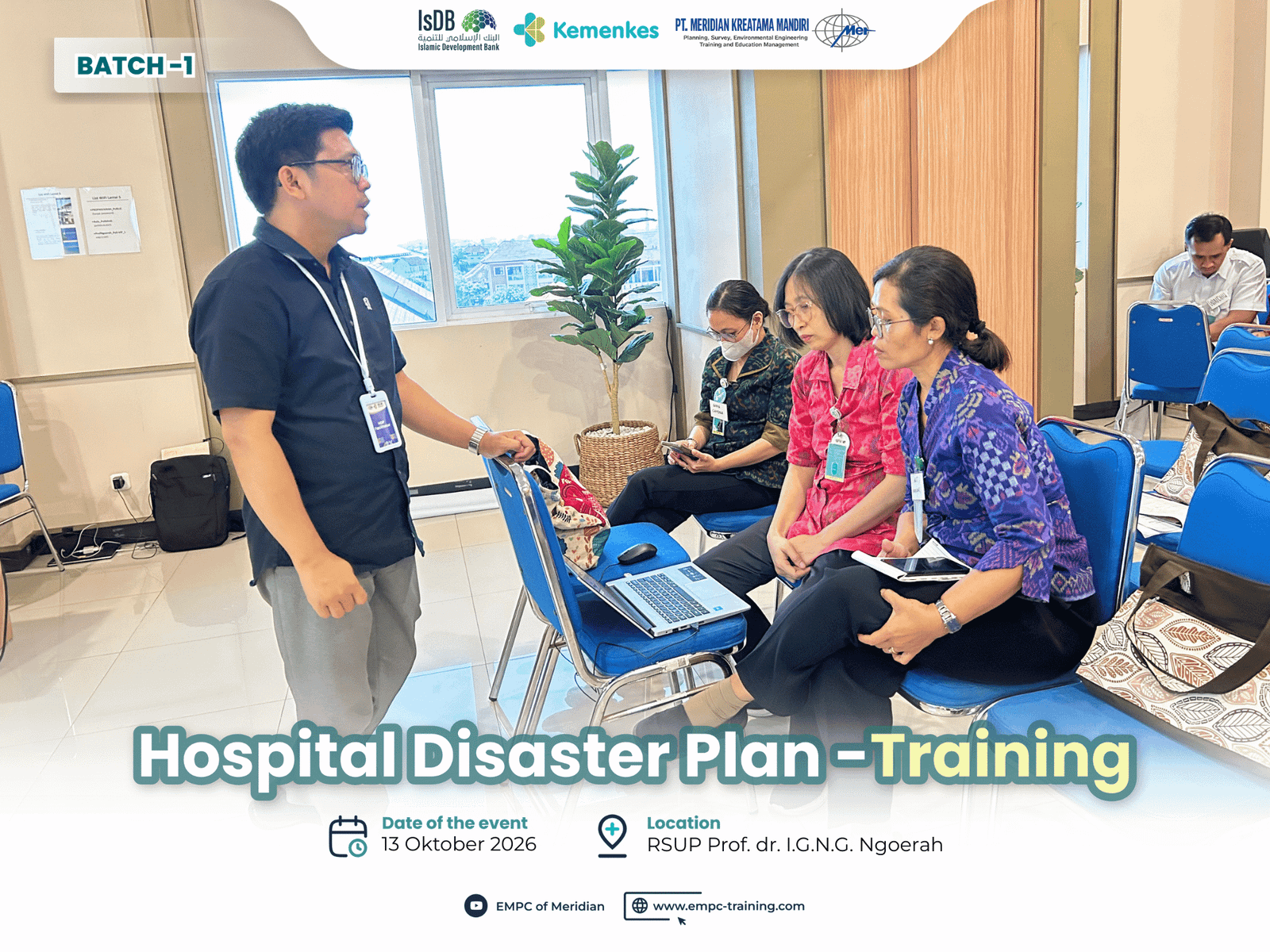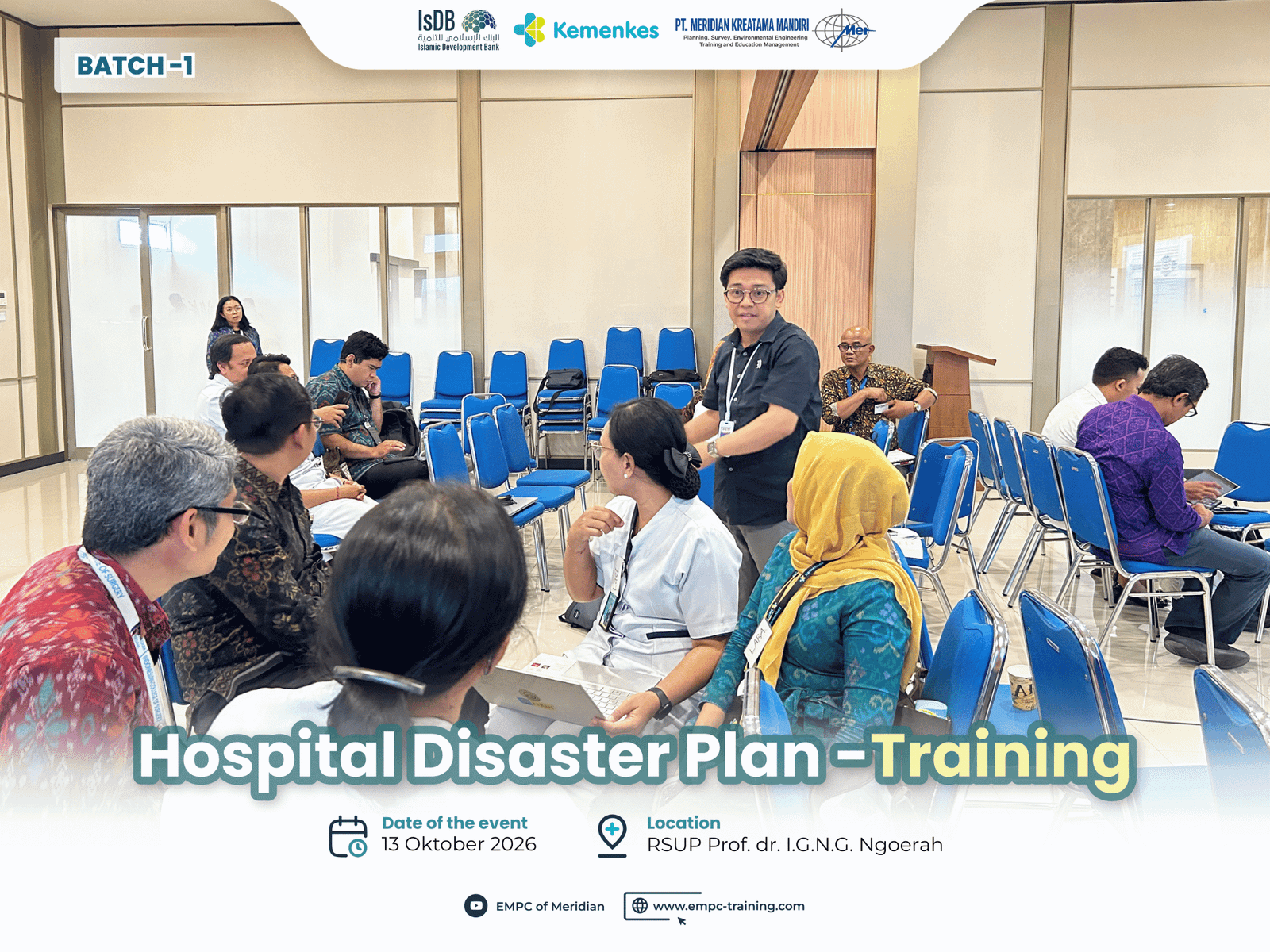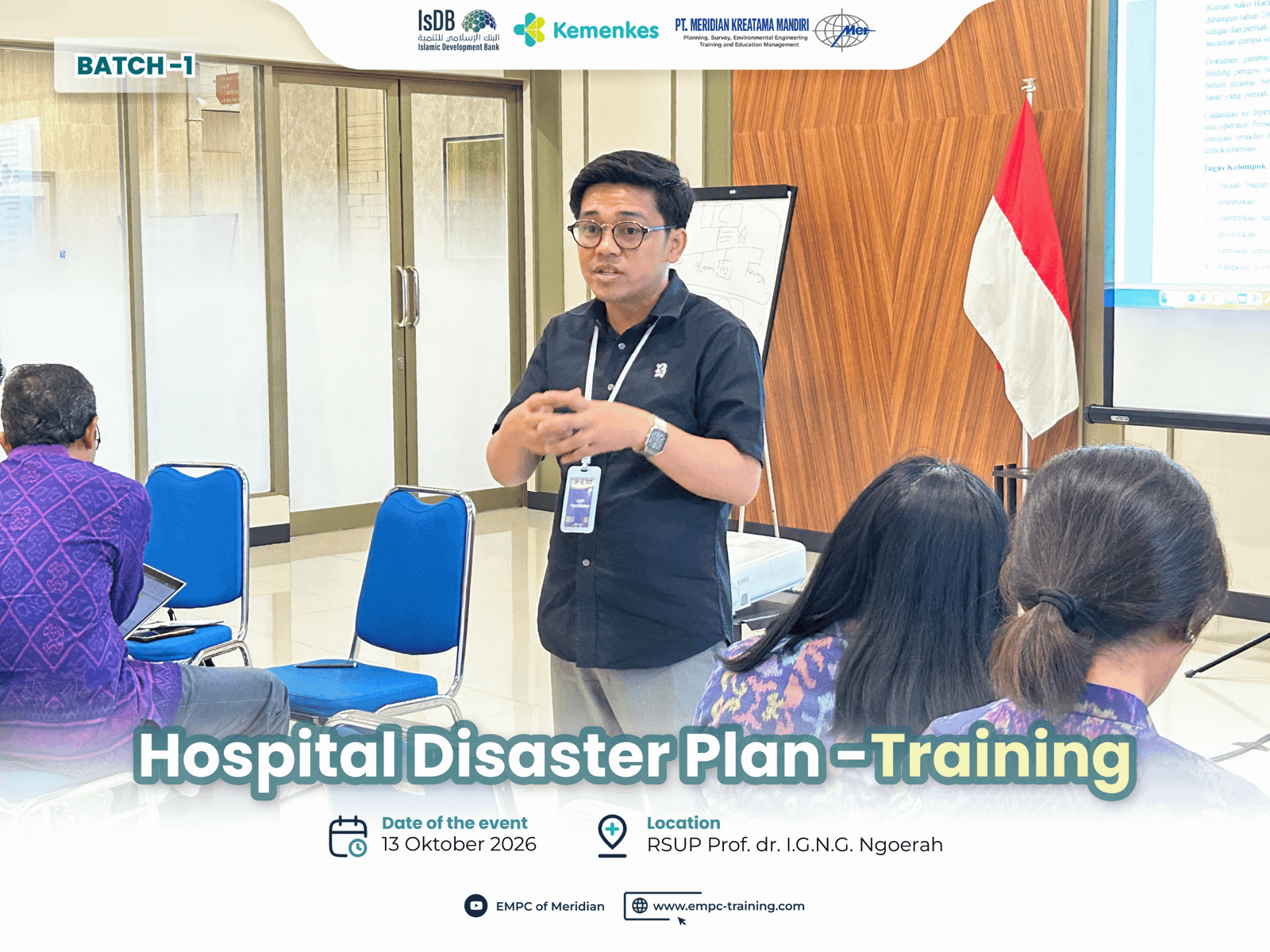
Hospital Disaster Plan Training– Batch 1
12–14 October 2026 | RSUP Prof. Dr. I.G.N.G. Ngoerah, Bali
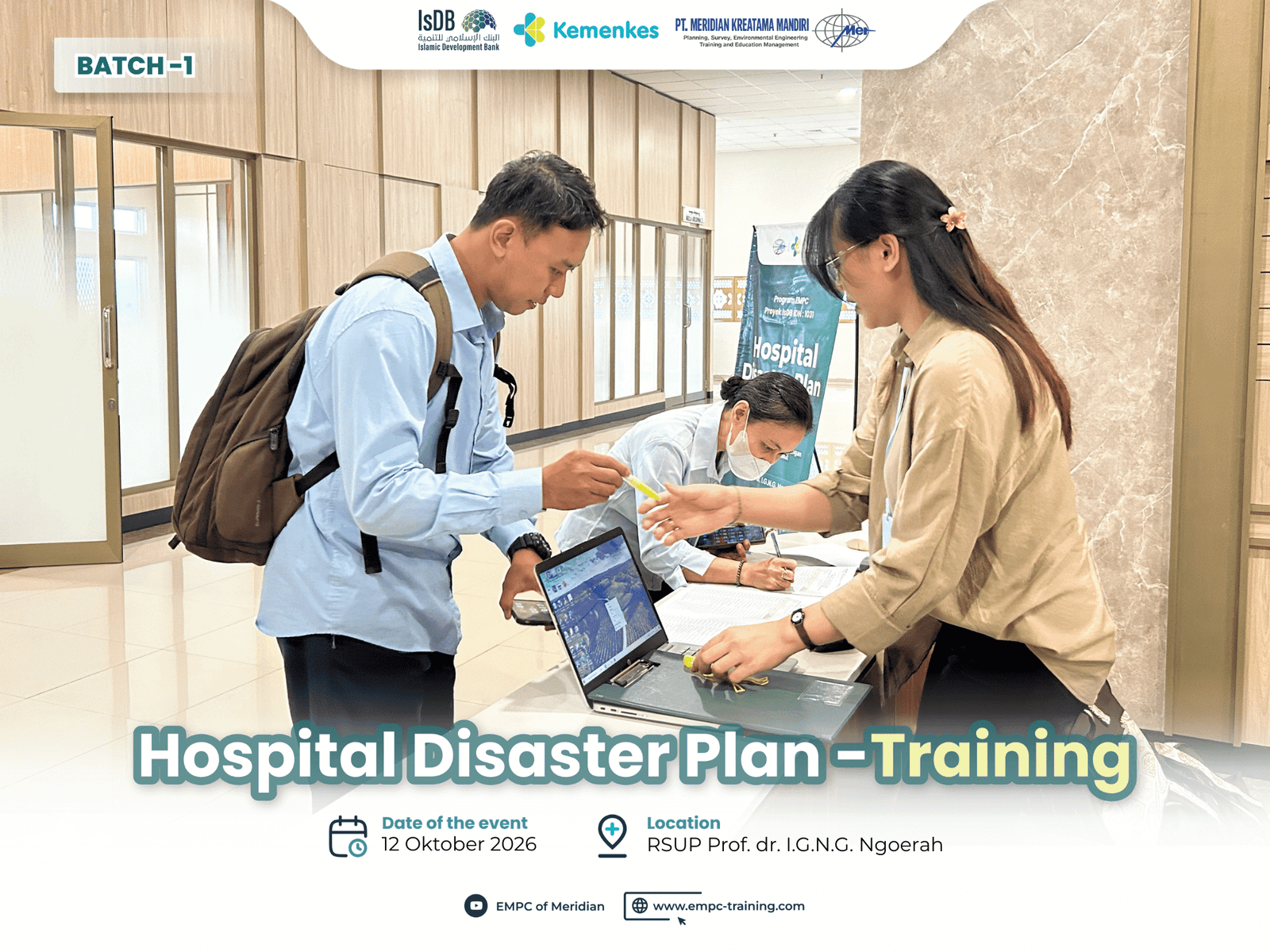
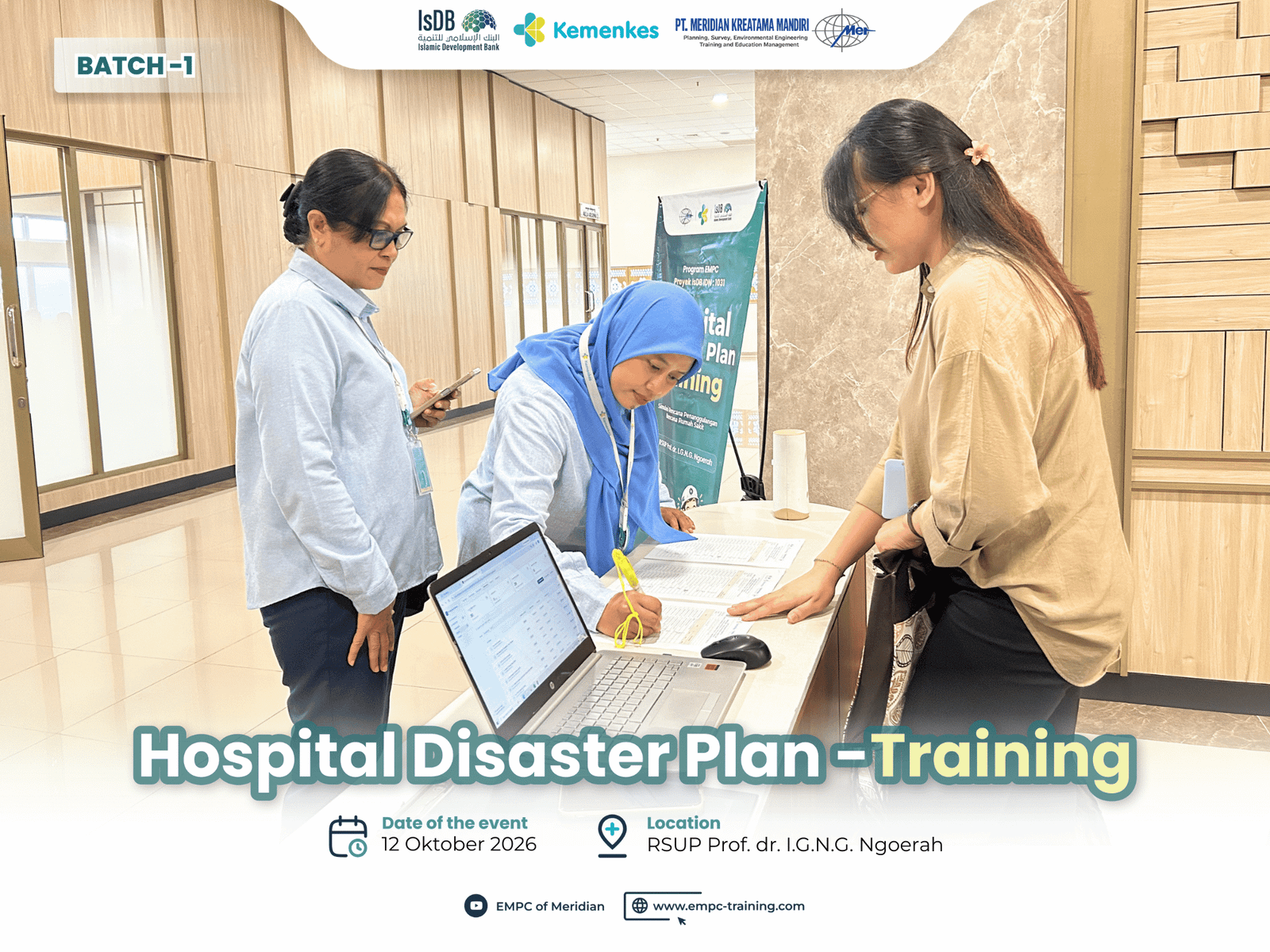
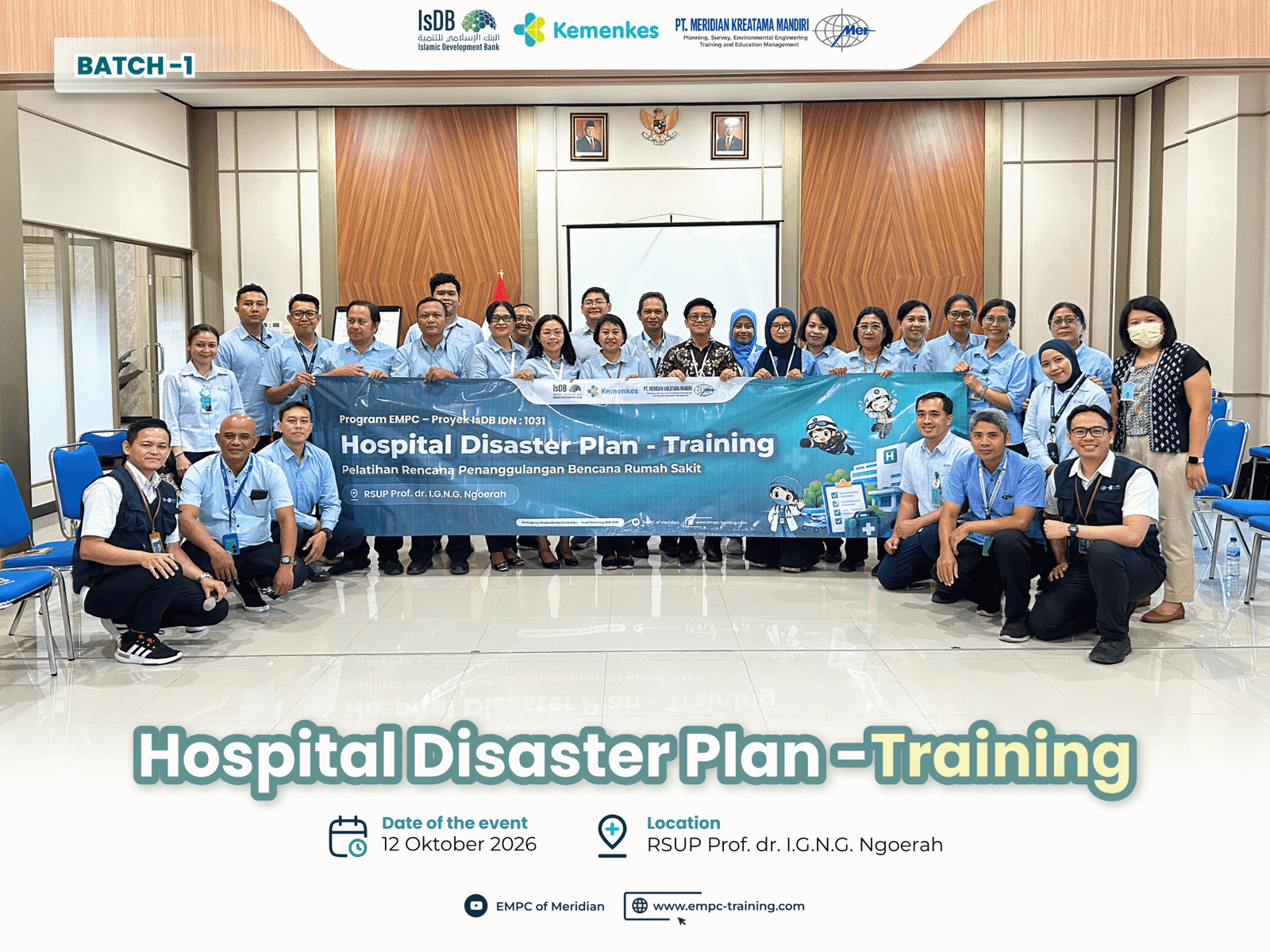
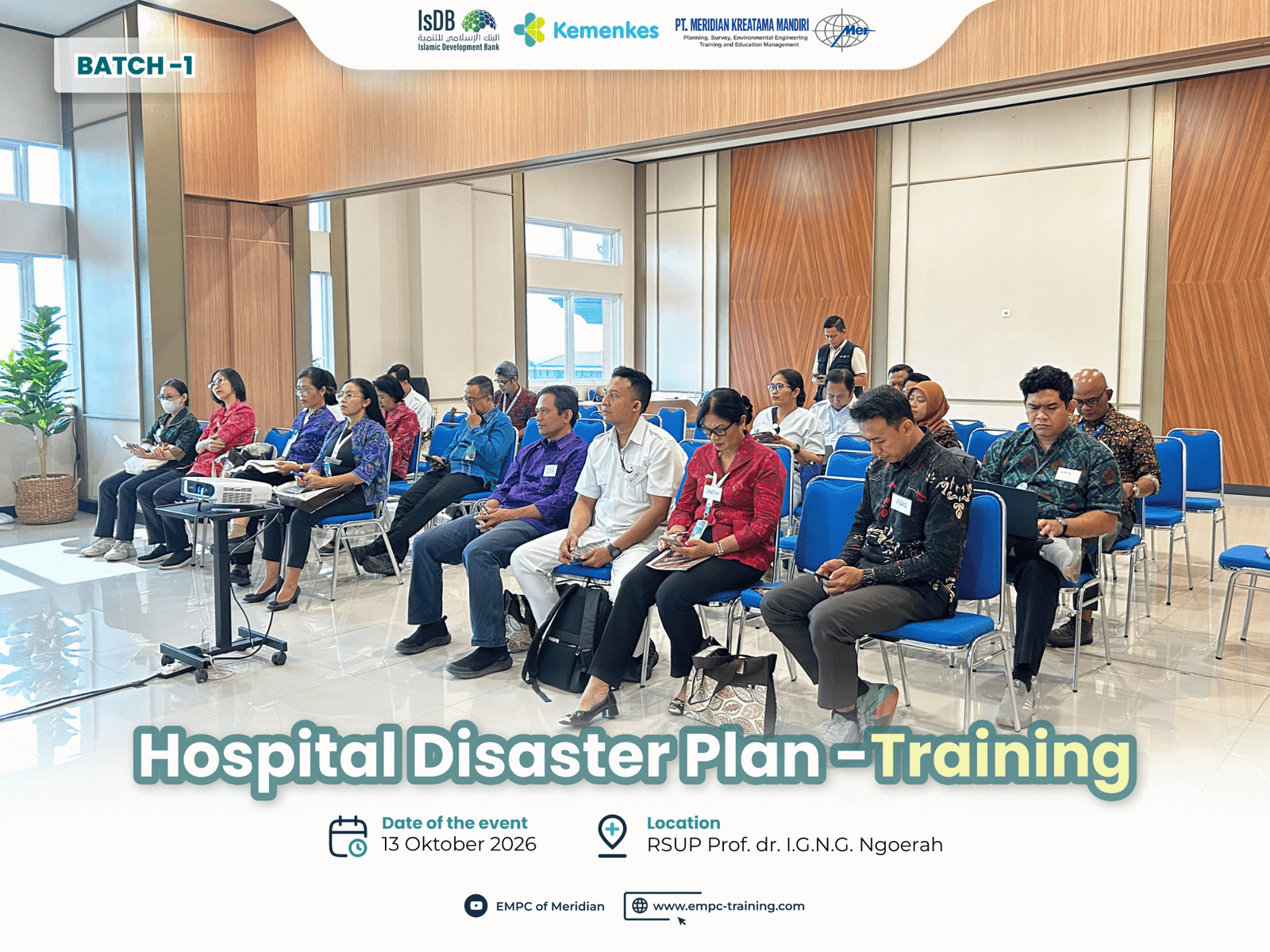
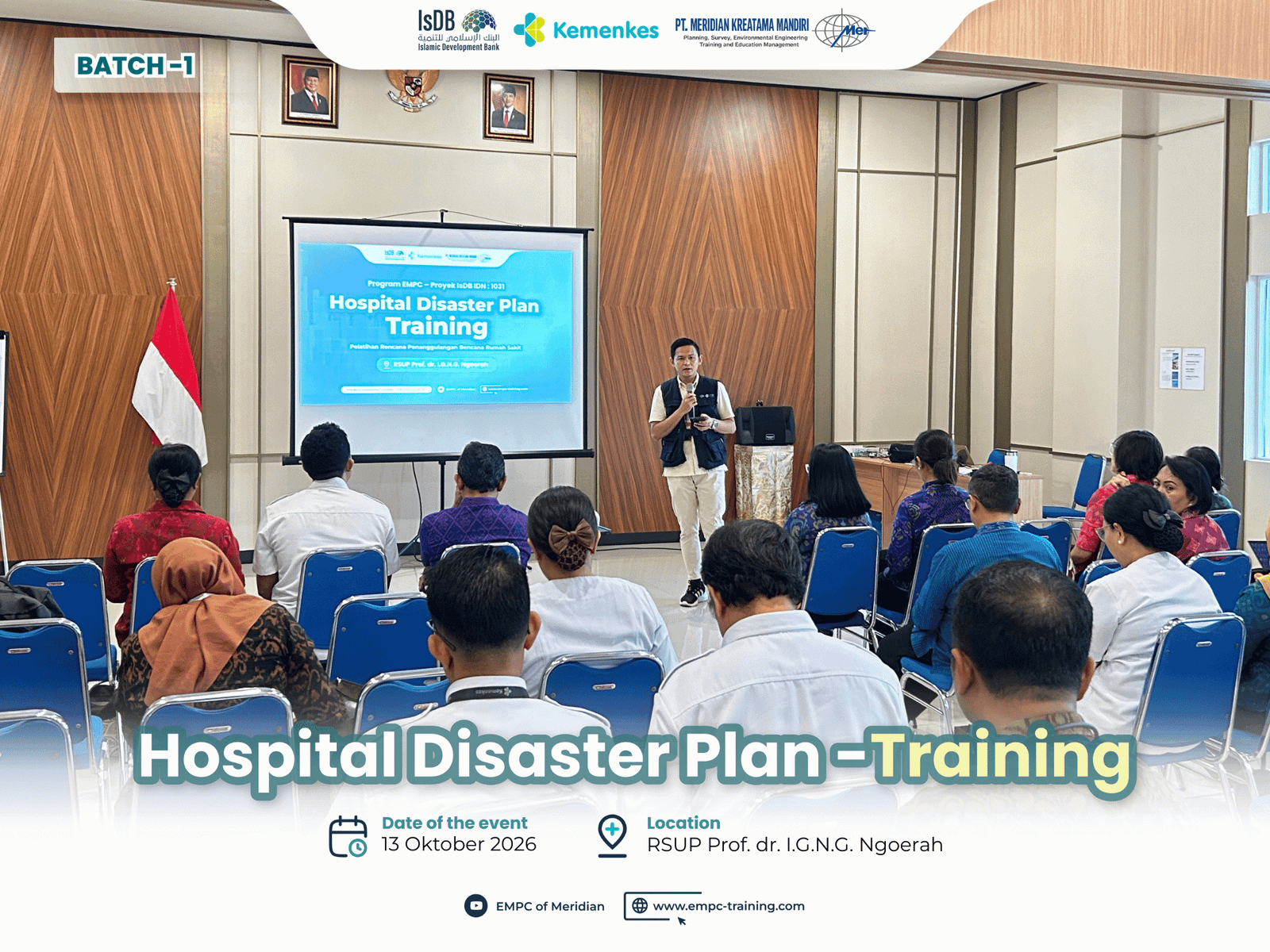
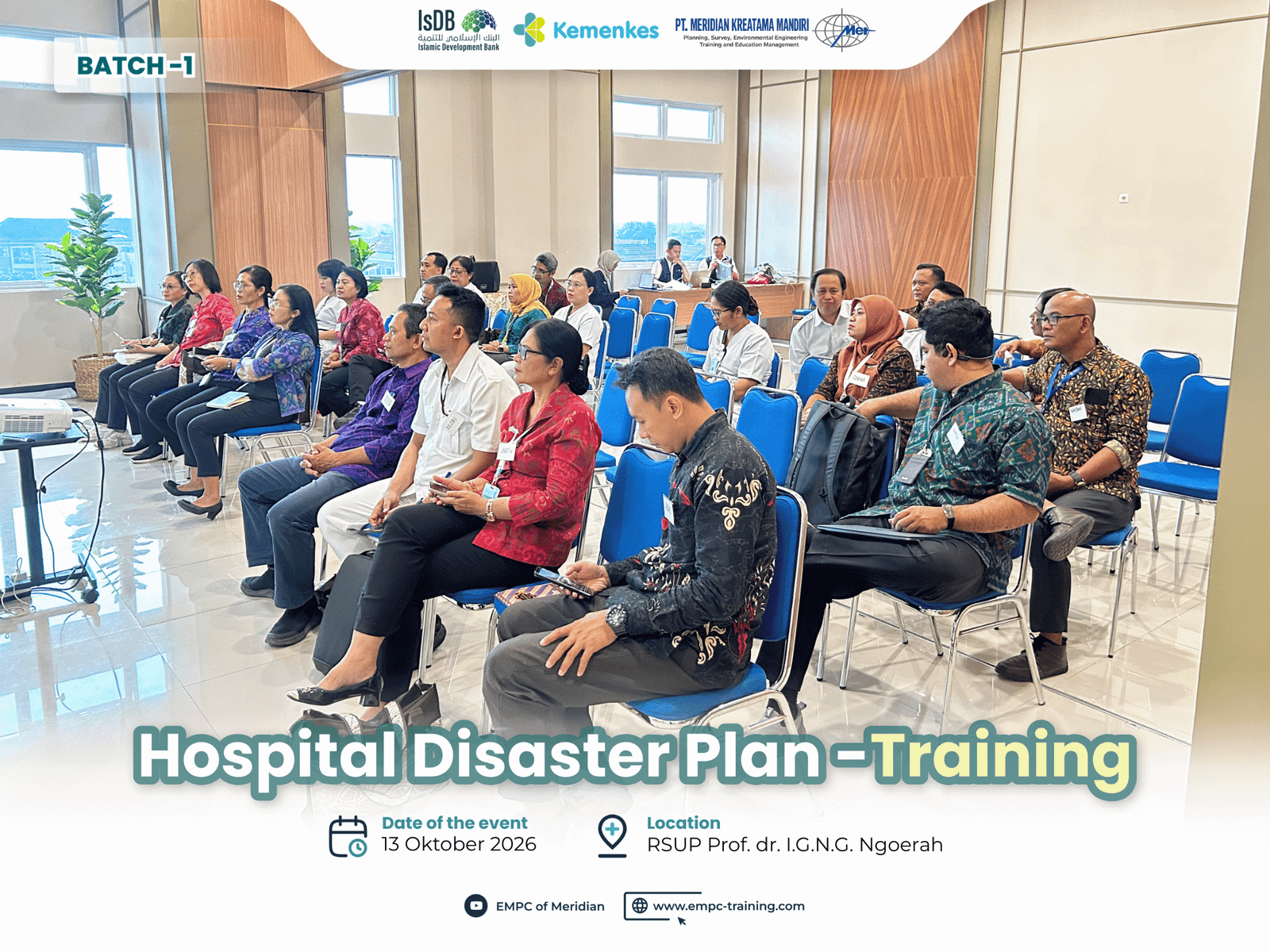
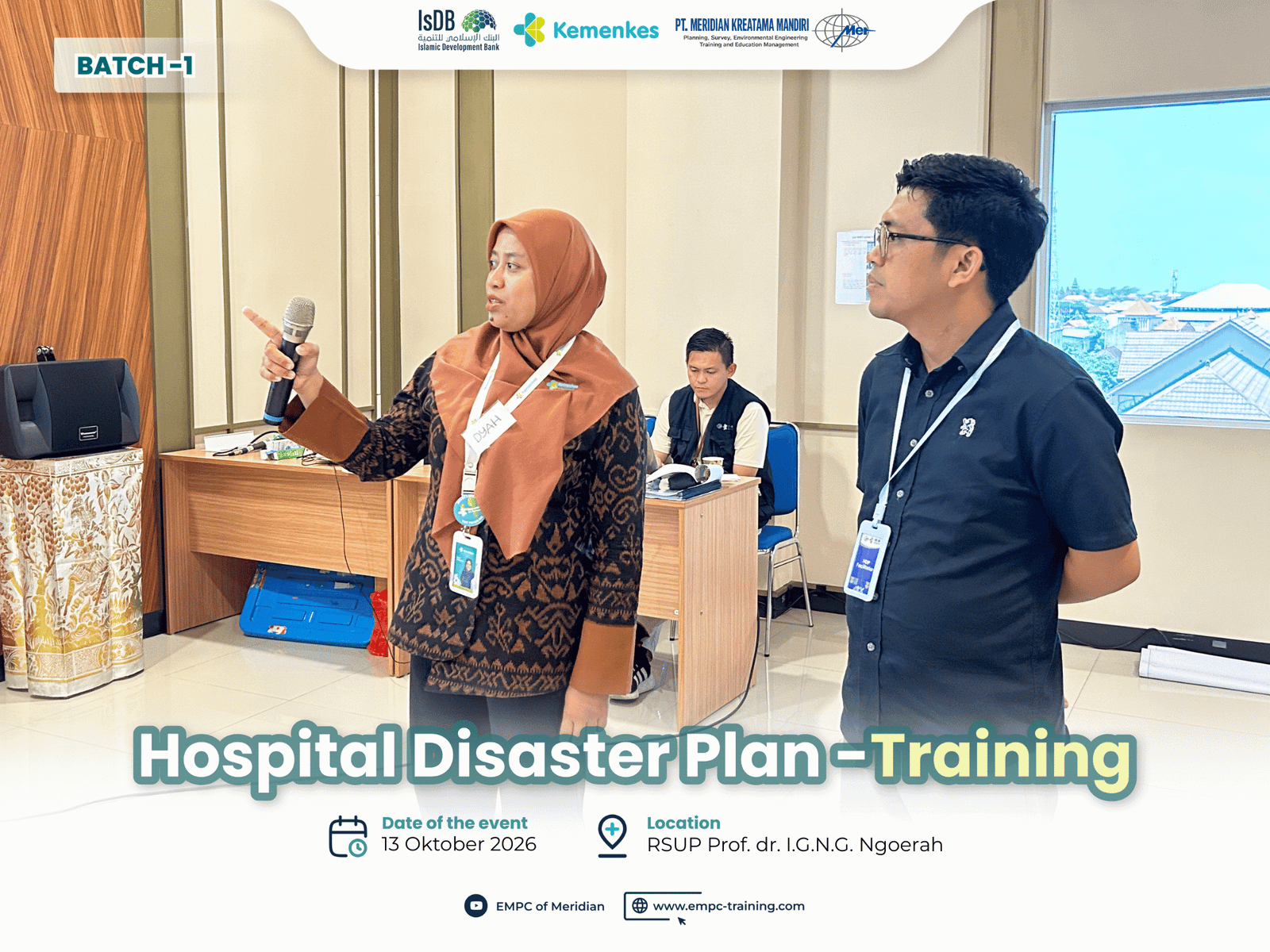
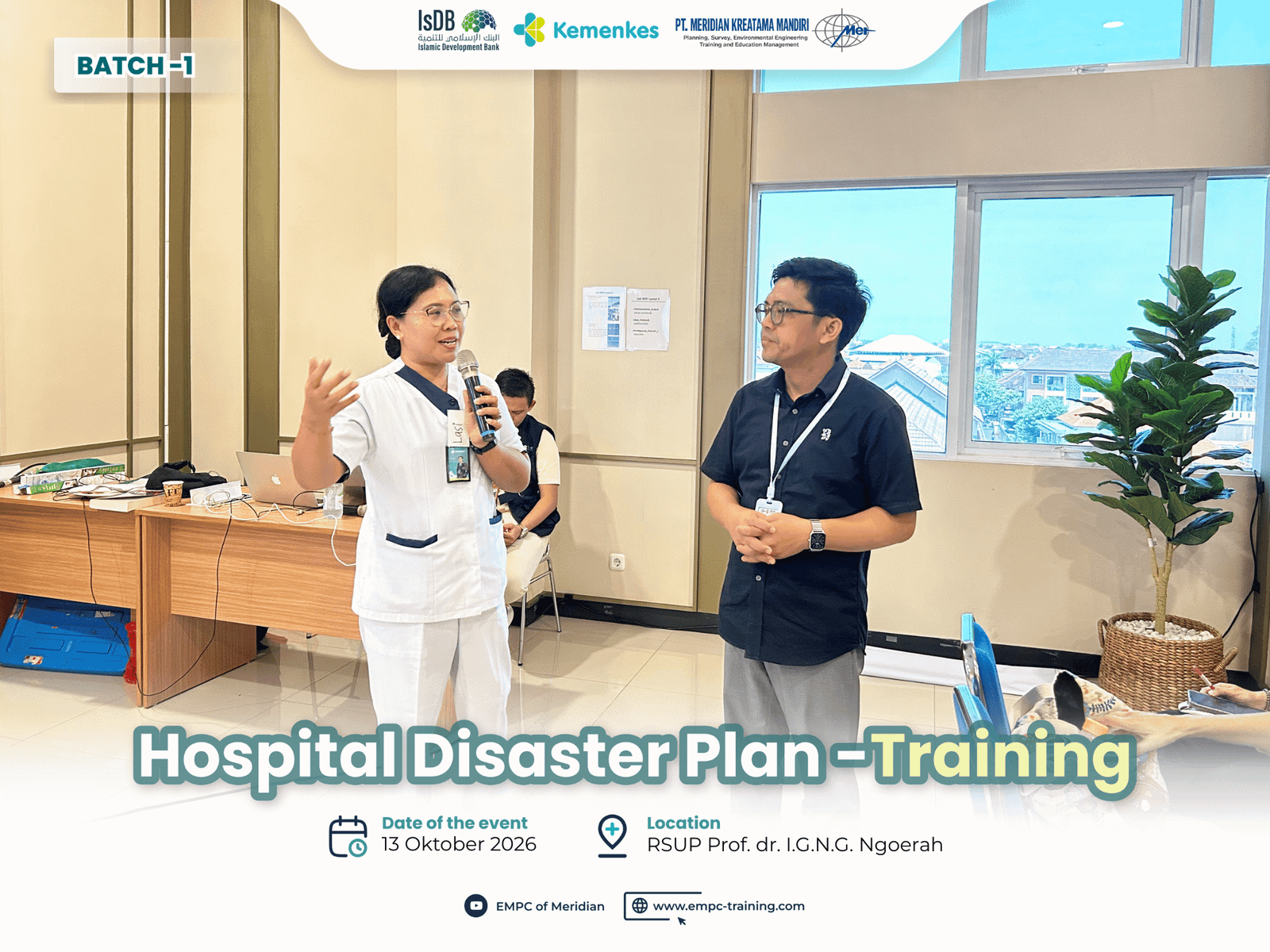
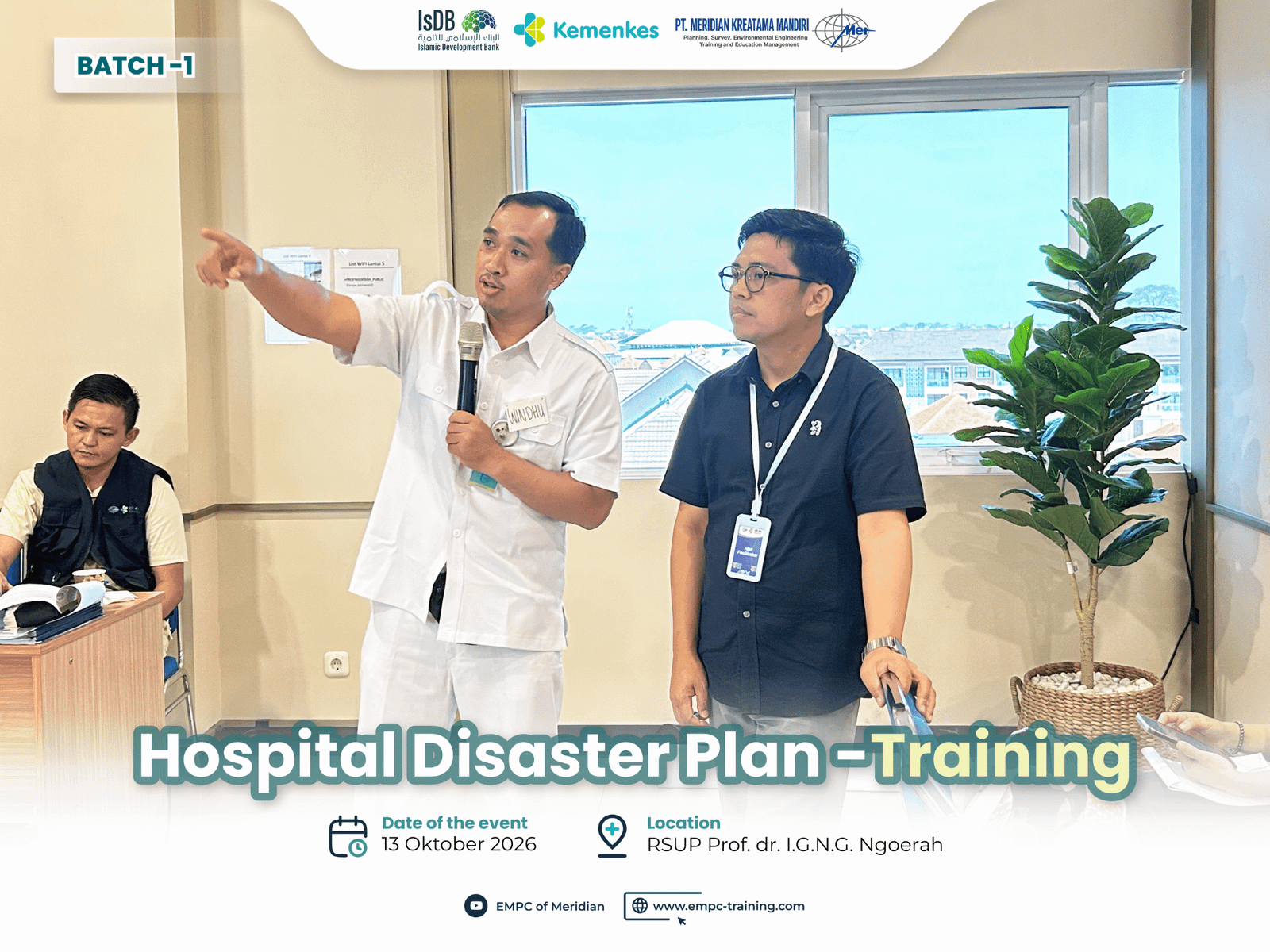
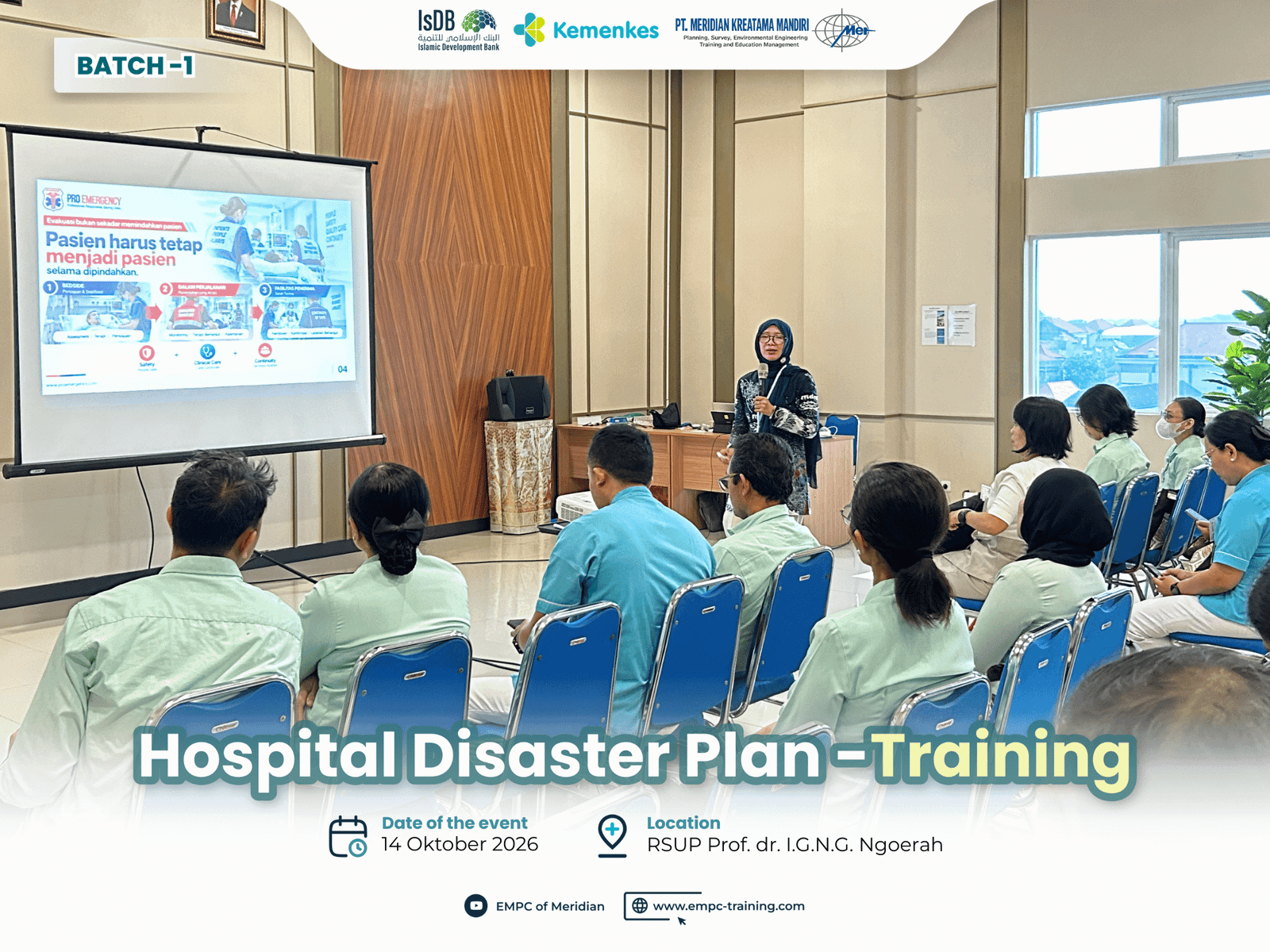
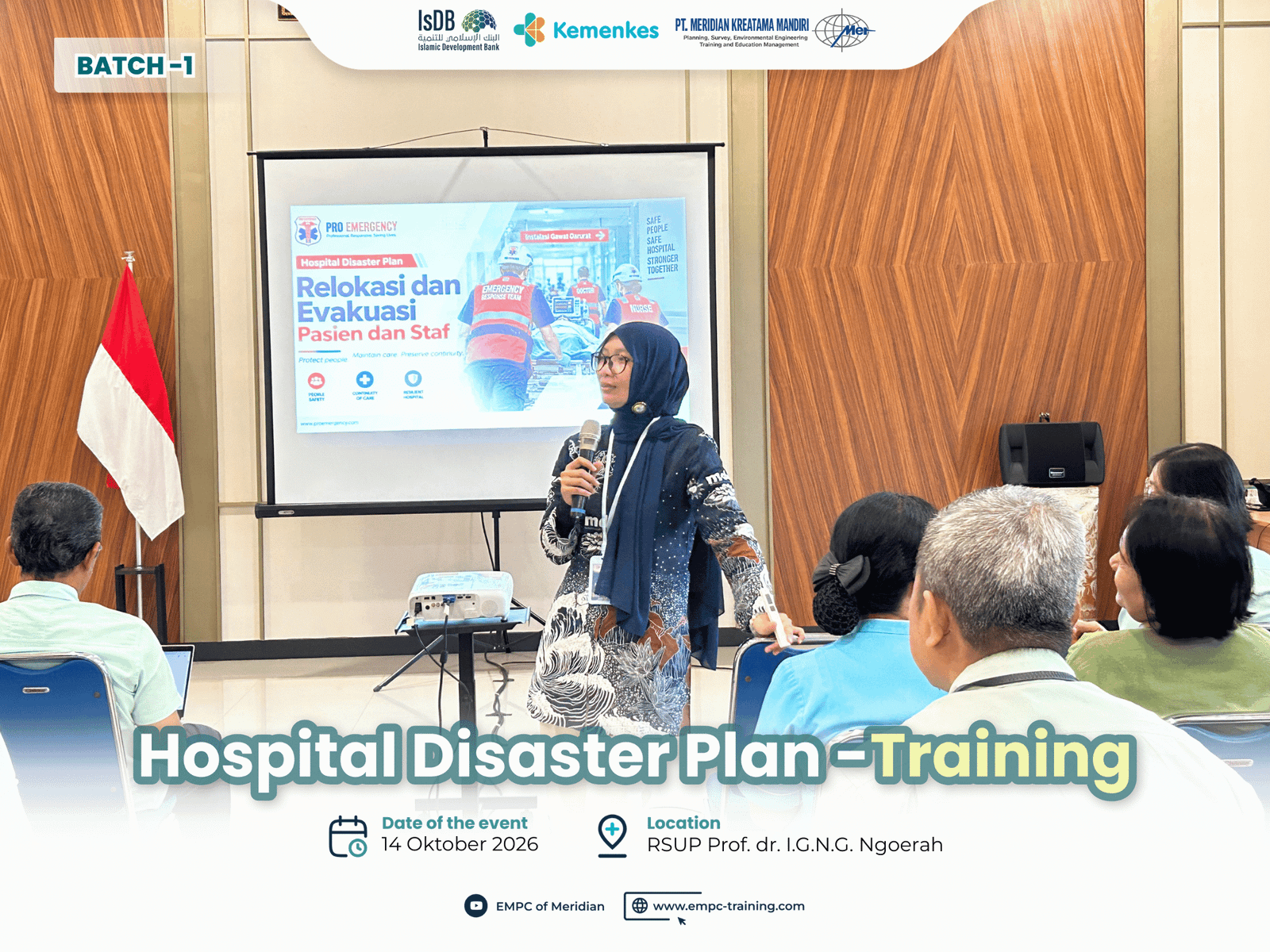
The Hospital Disaster Plan (HDP) Training – Batch 1 was held from 12 to 14 October 2026 at RSUP Prof. Dr. I.G.N.G. Ngoerah, Bali, as part of the EMPC Program Hospital Training under IsDB Project IDN: 1031.
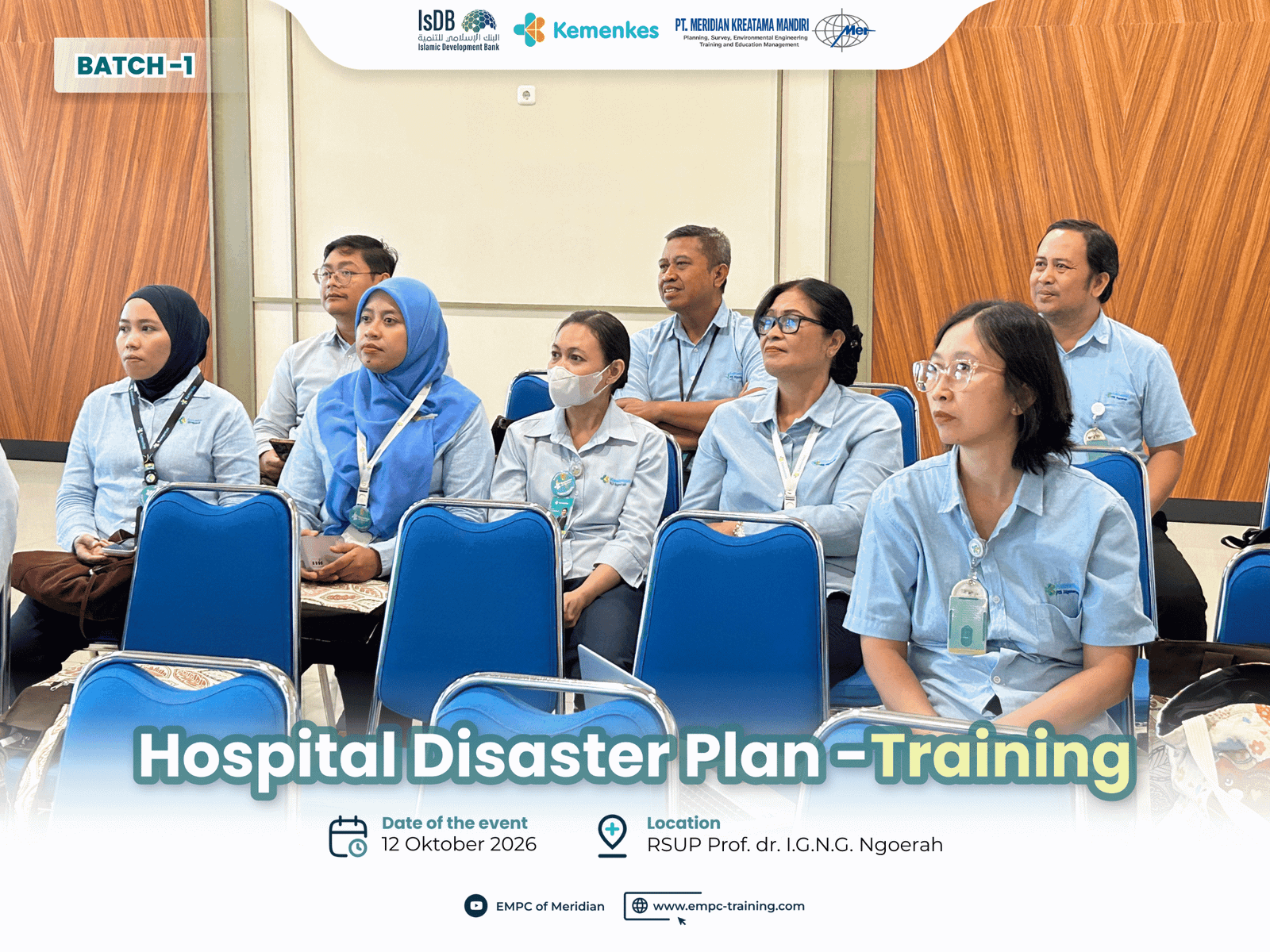
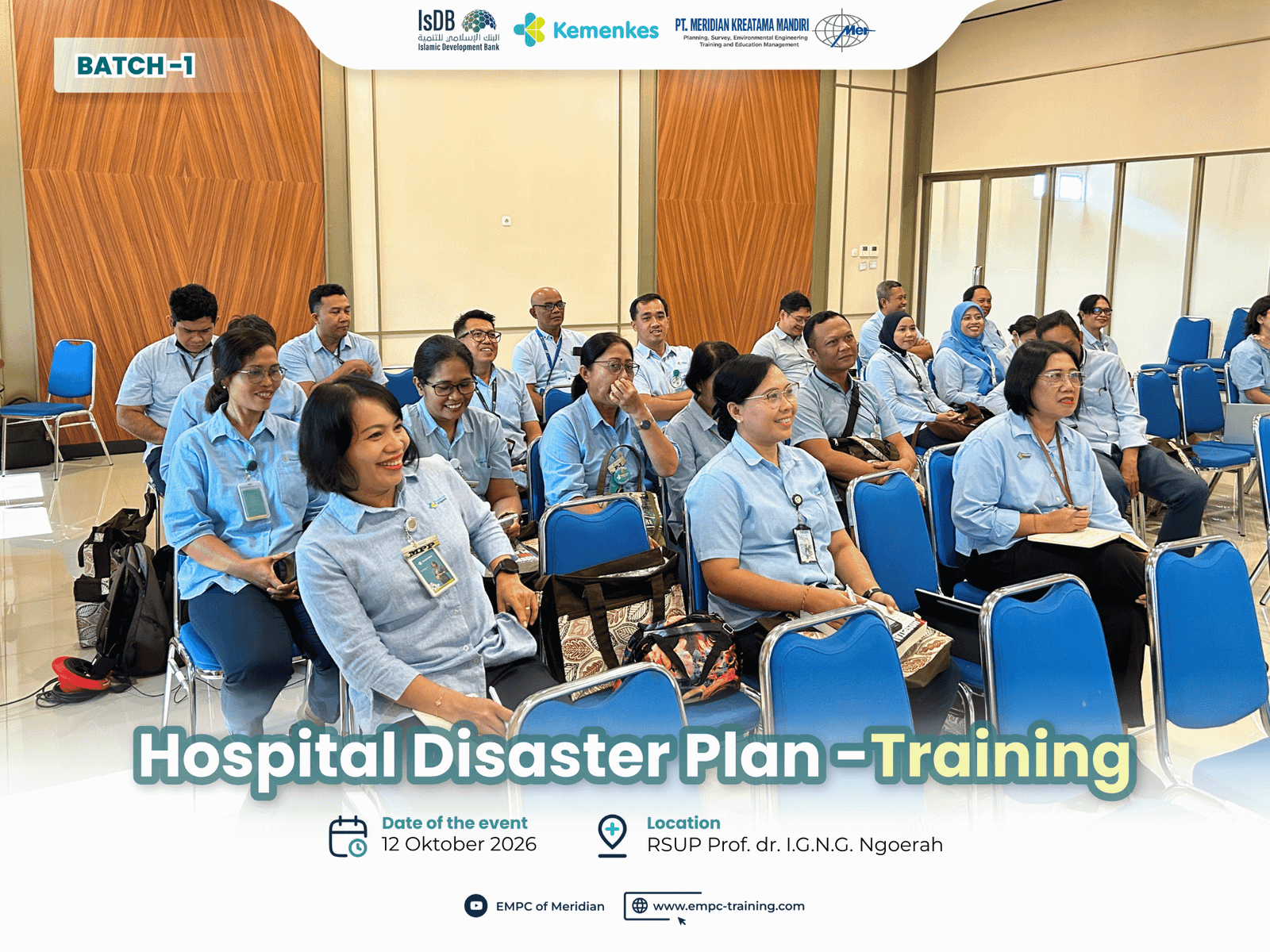
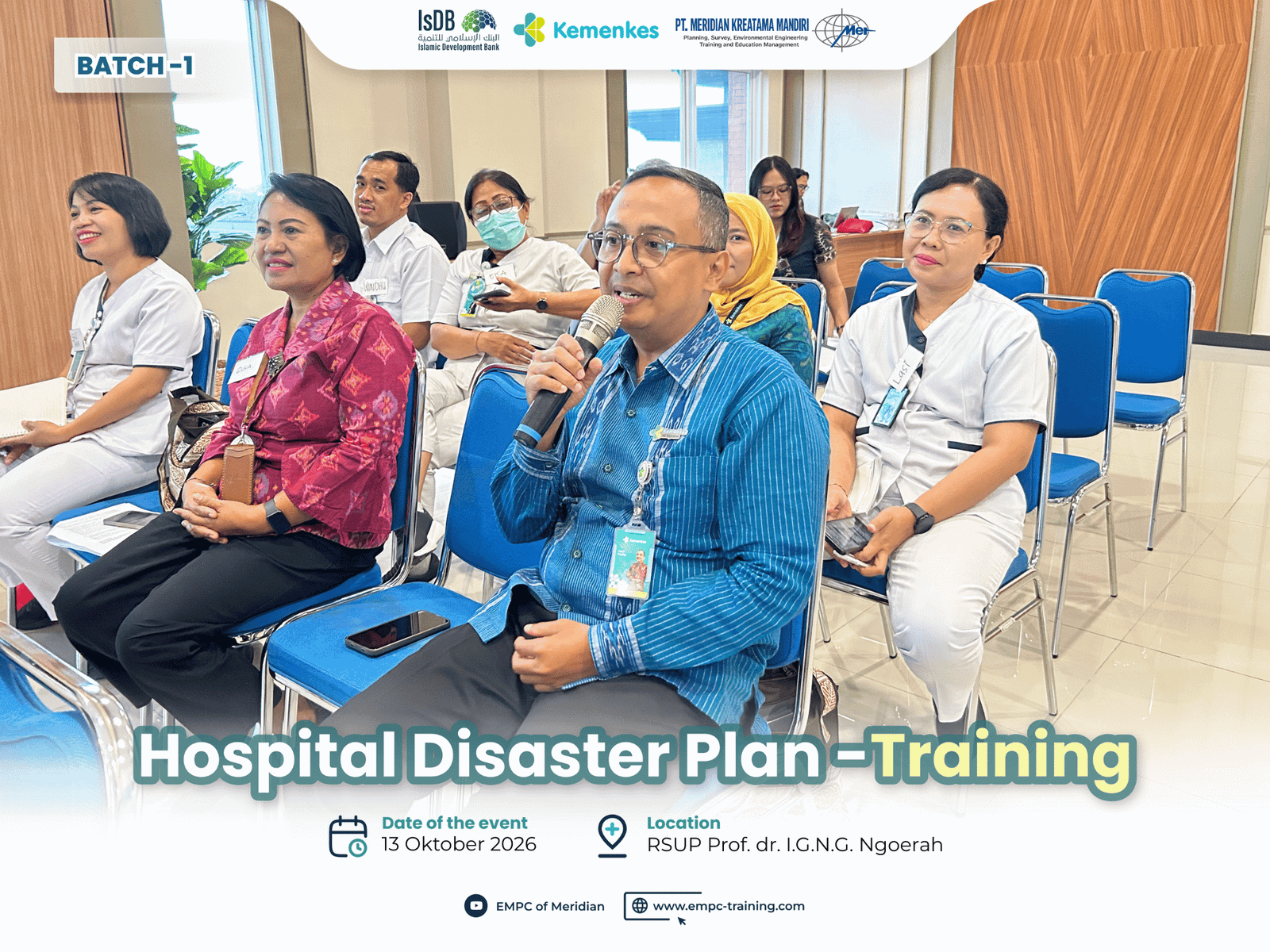
The three-day program introduced an engaging and collaborative approach to strengthening hospital disaster preparedness. Bringing together healthcare professionals from various backgrounds, the training emphasized that effective disaster management requires not only technical knowledge but also strong teamwork, clear communication, and coordinated action among hospital personnel.
Learning Together, Building Stronger Teams
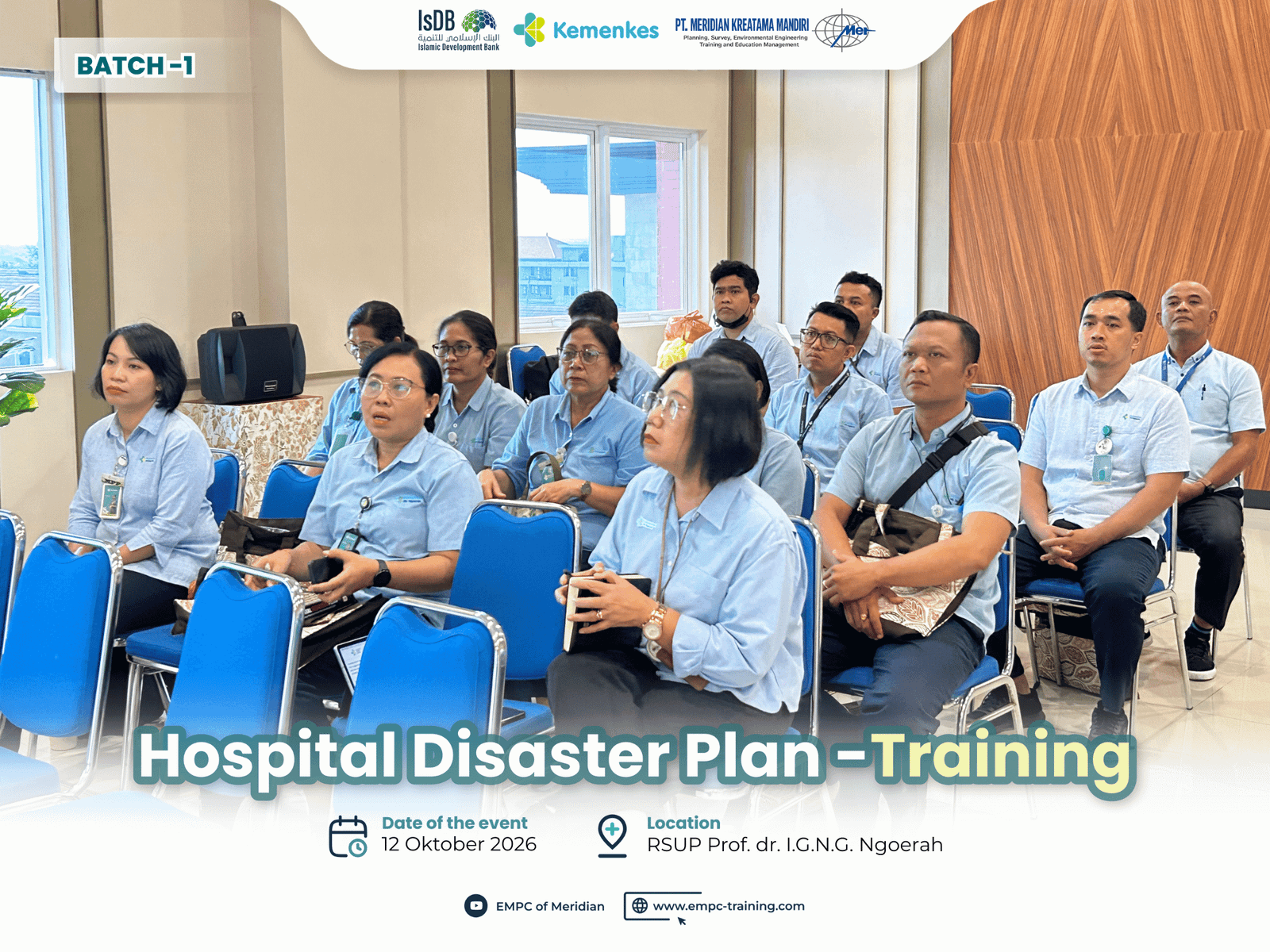
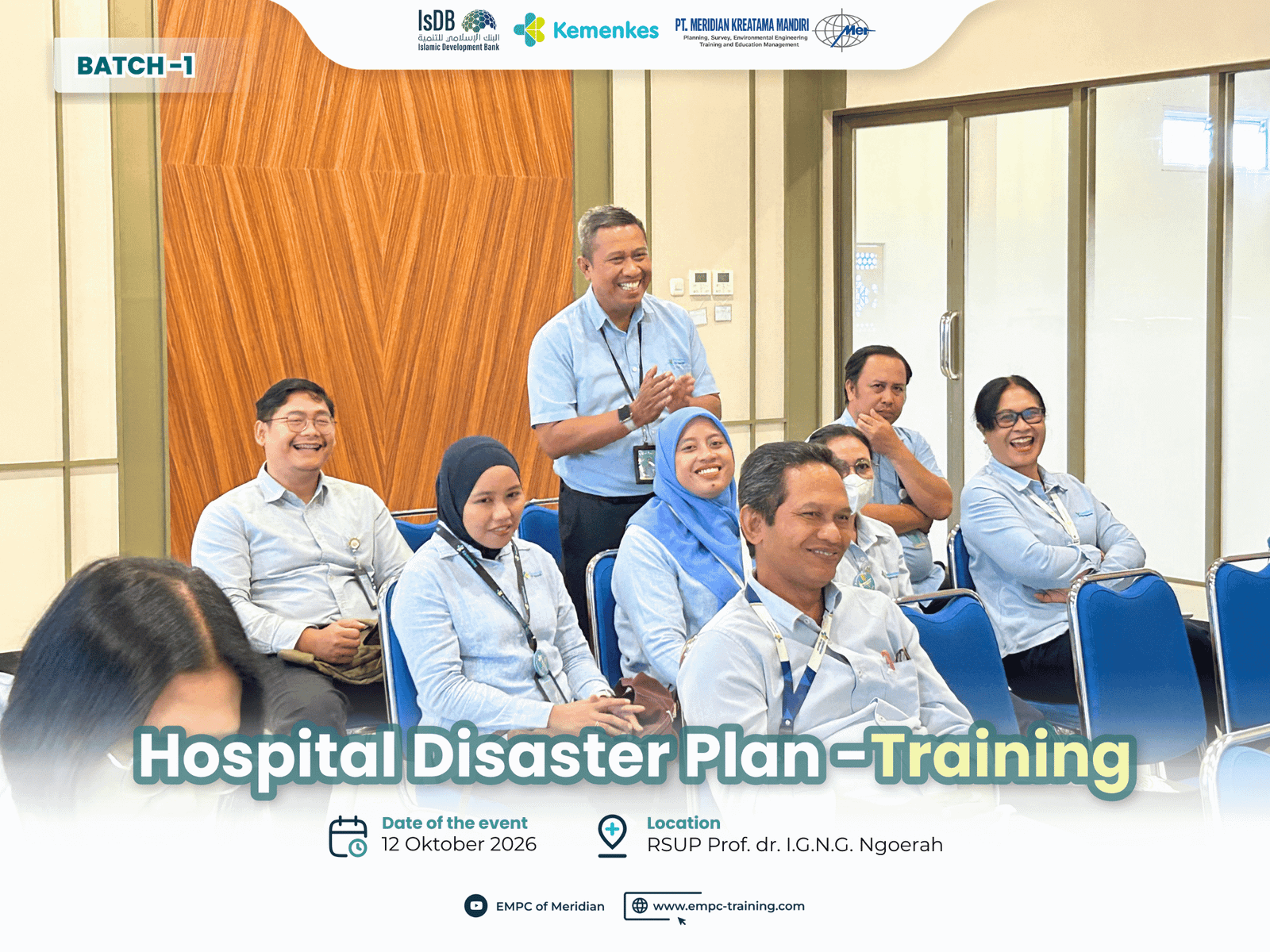
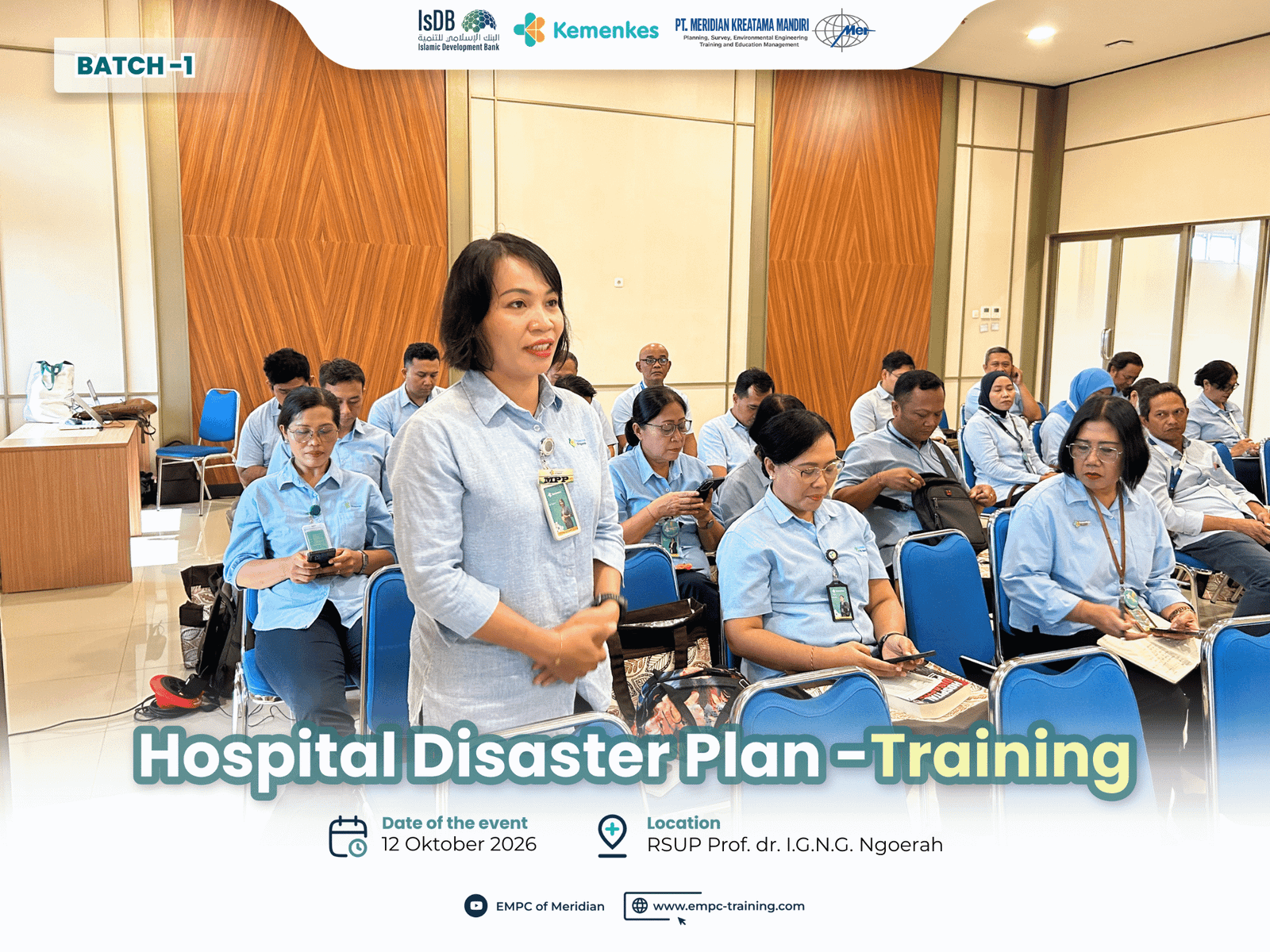
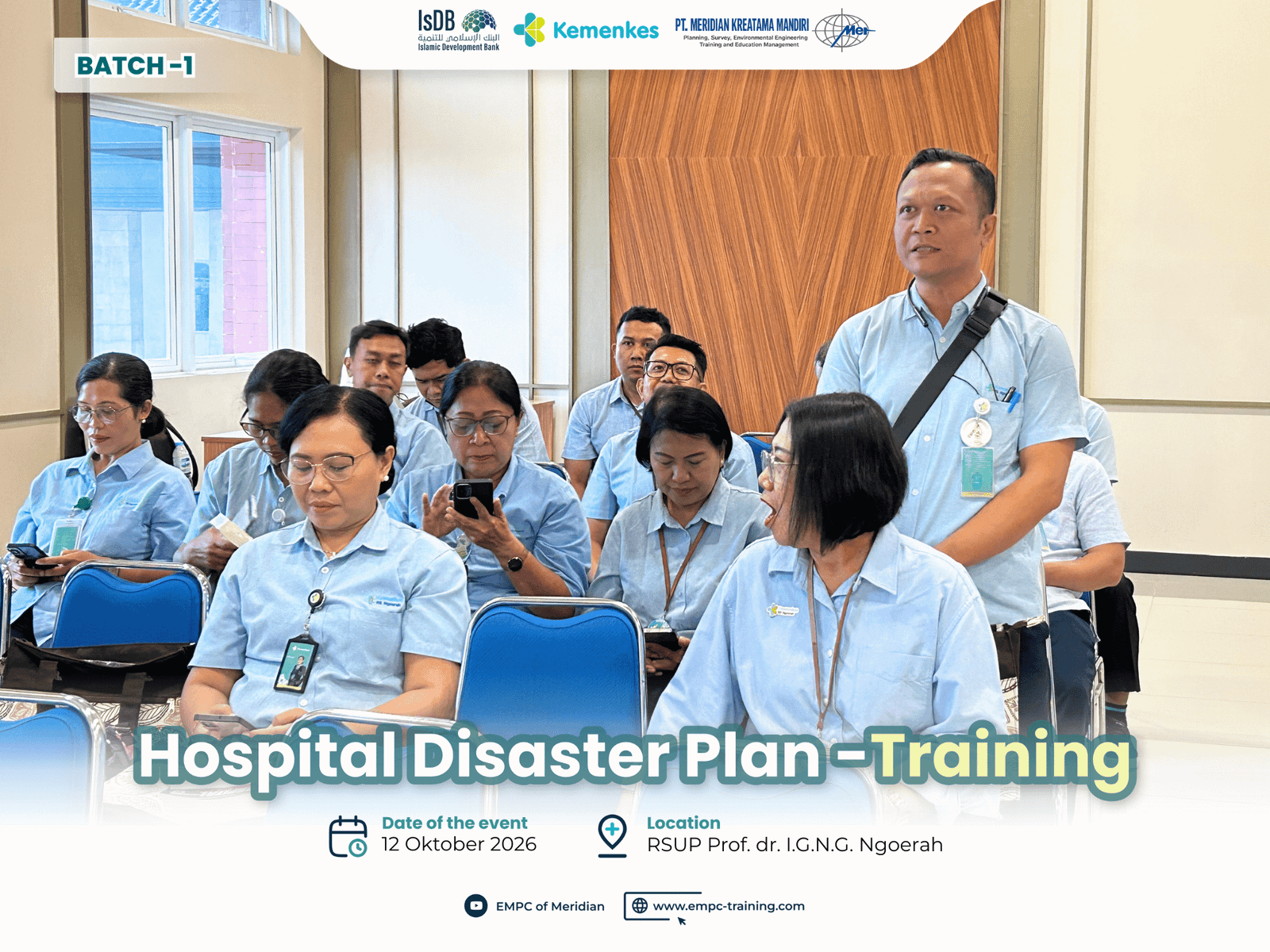
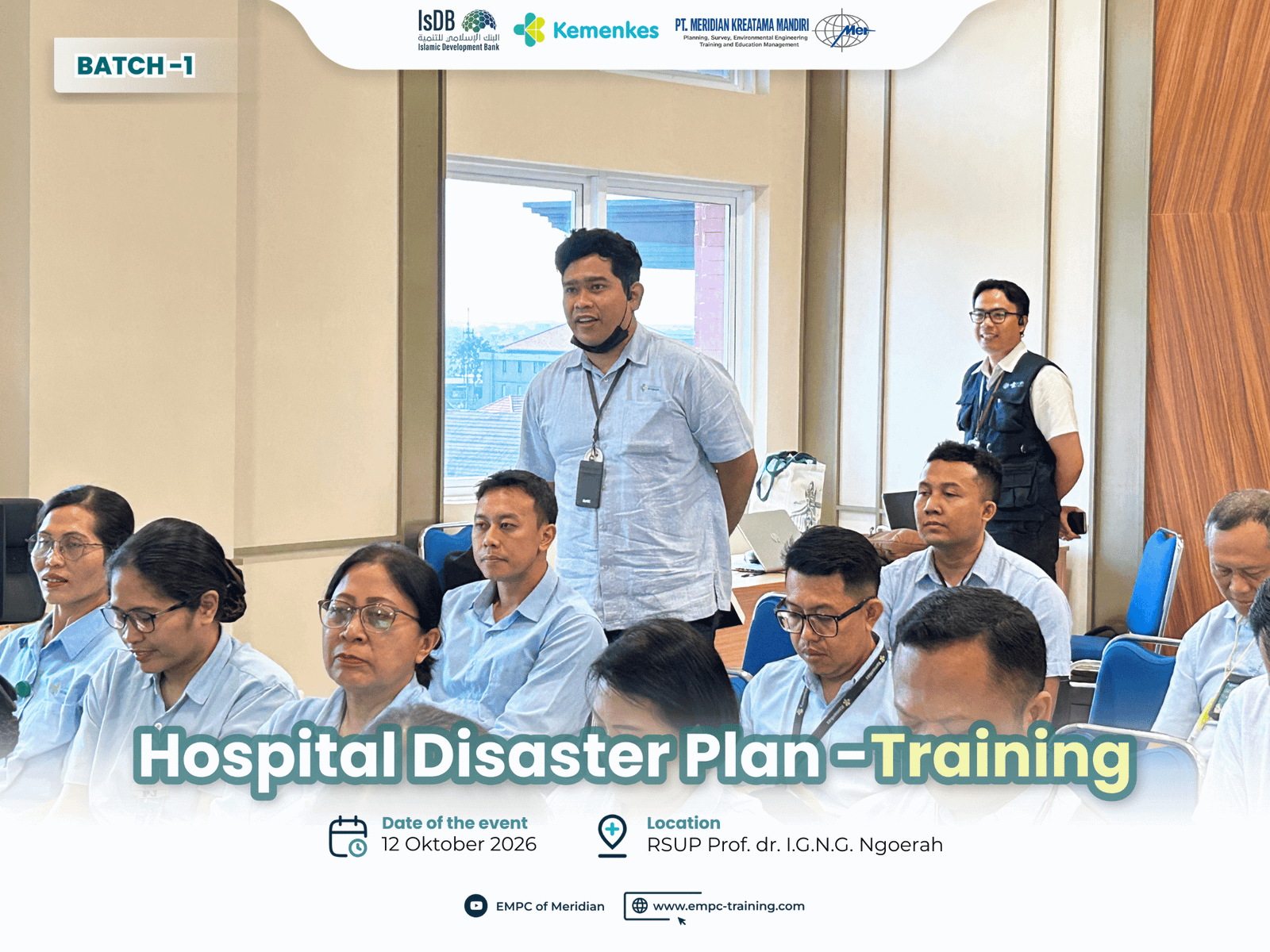
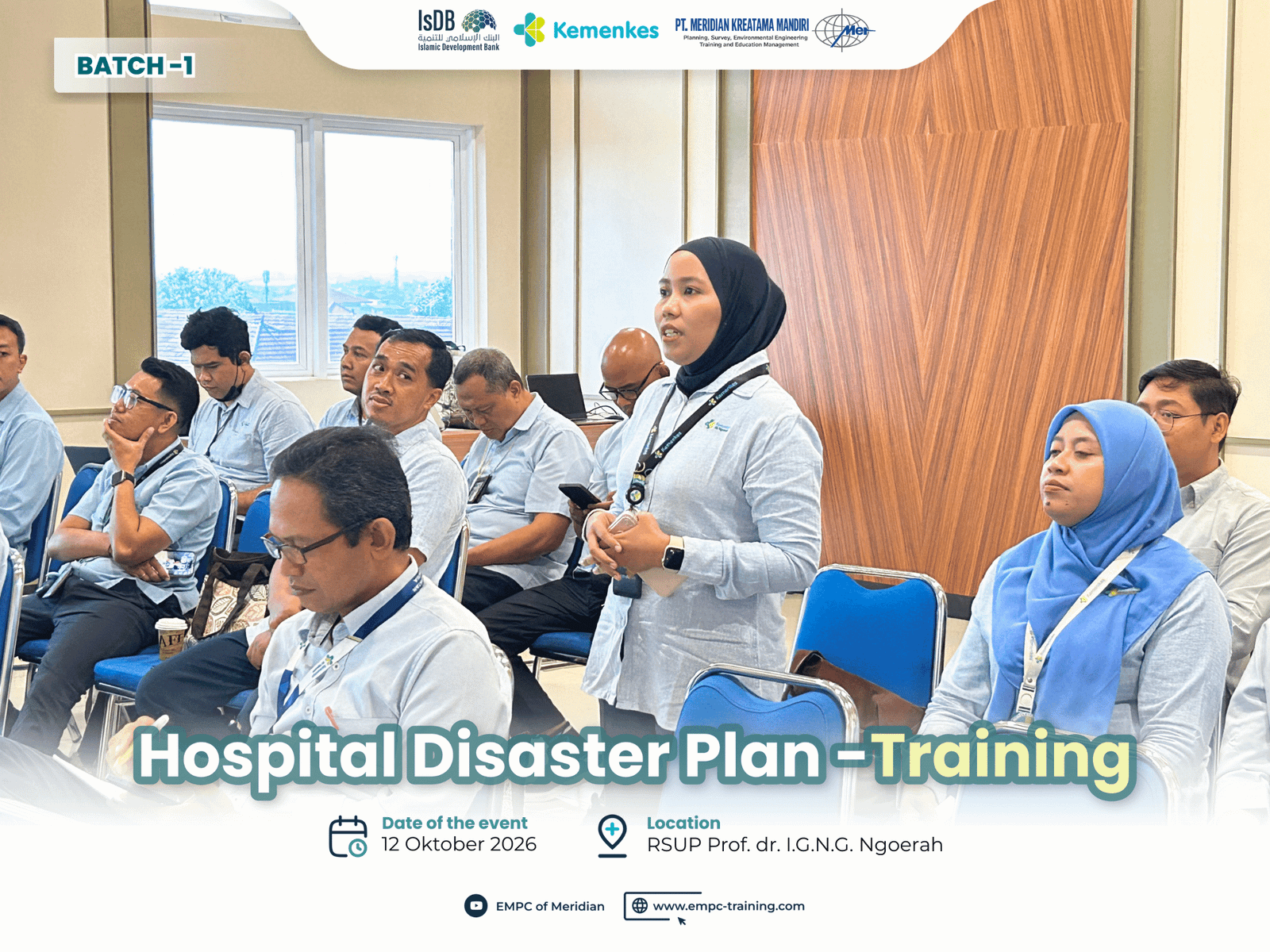
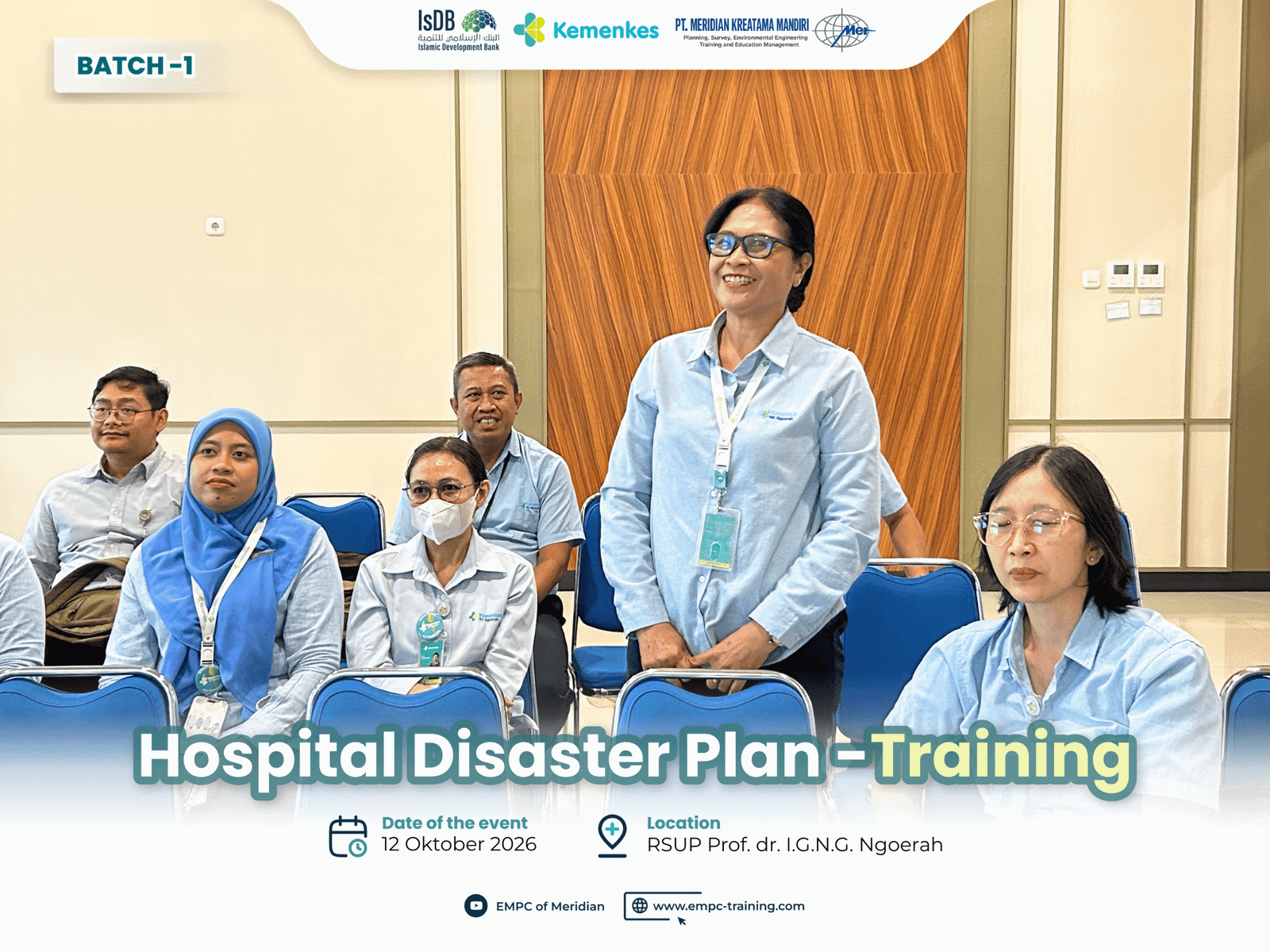
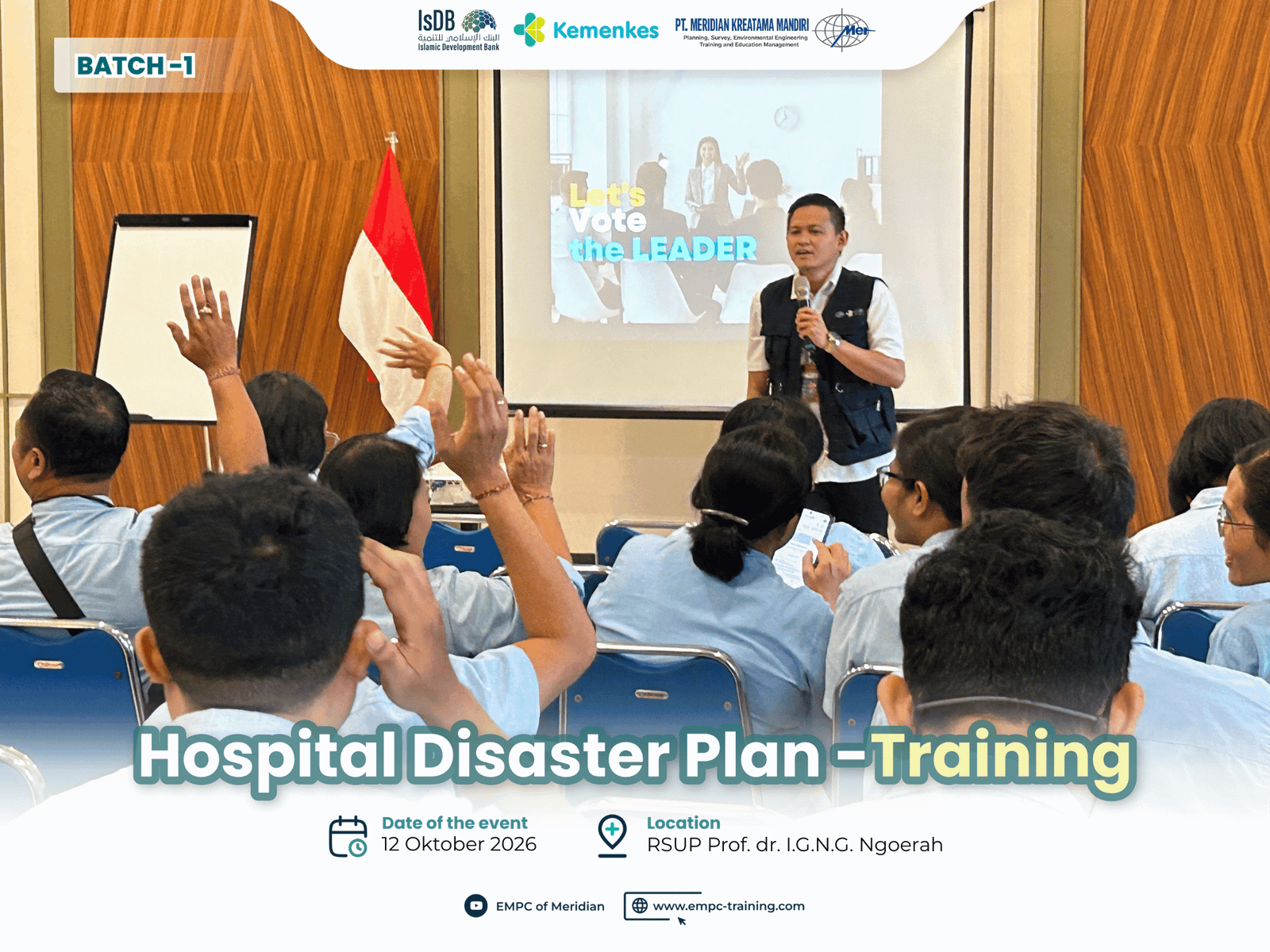
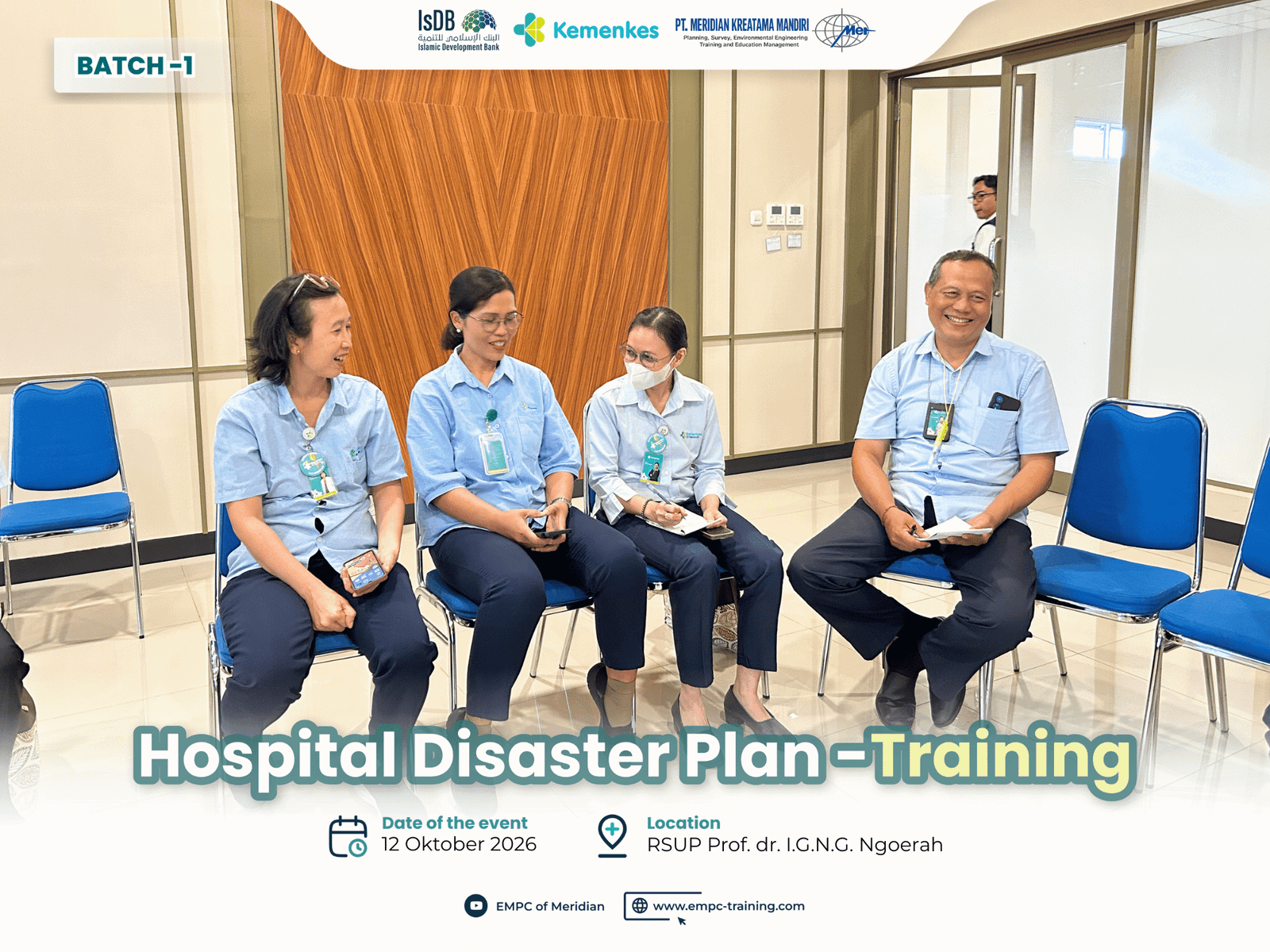
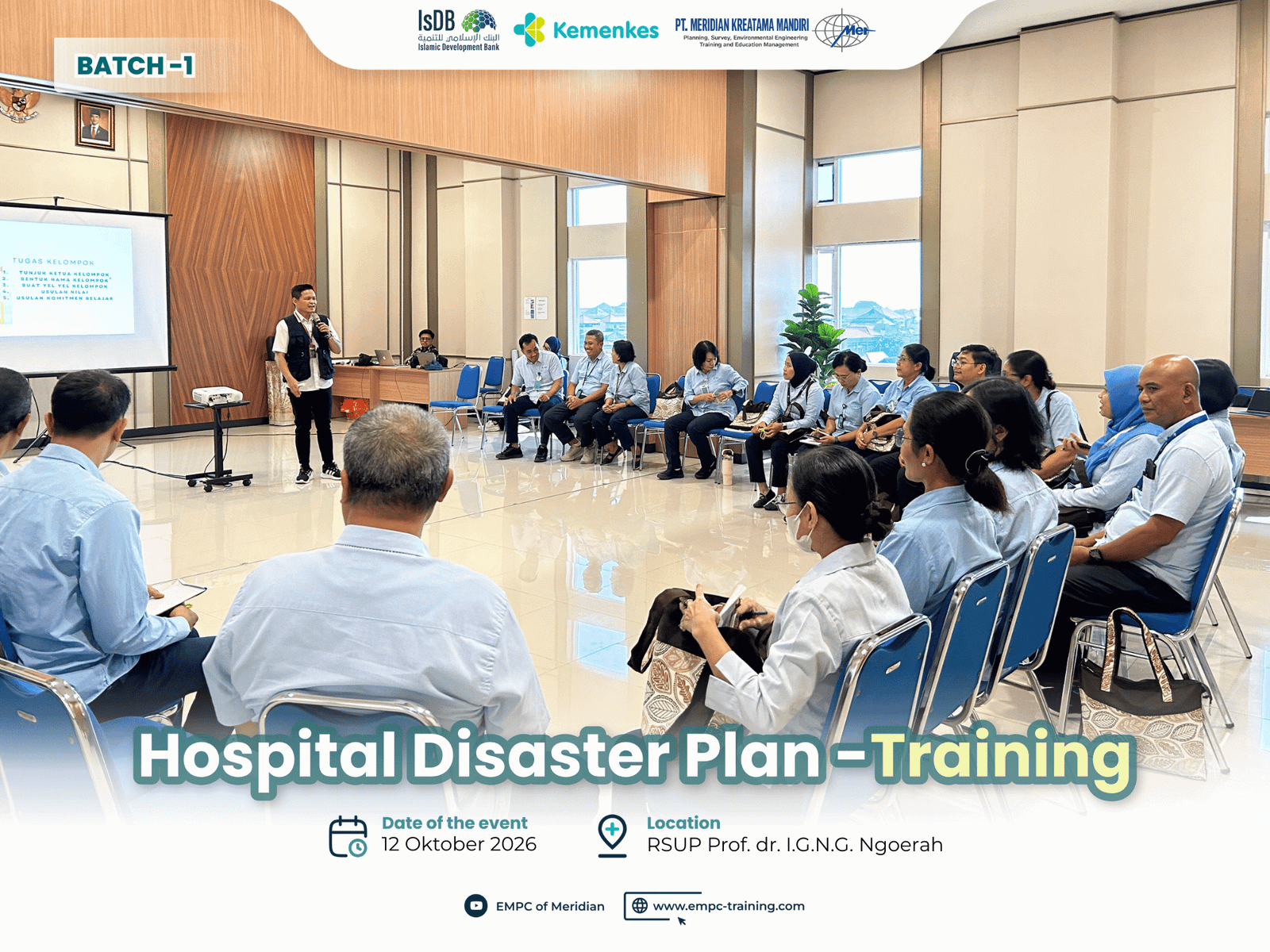
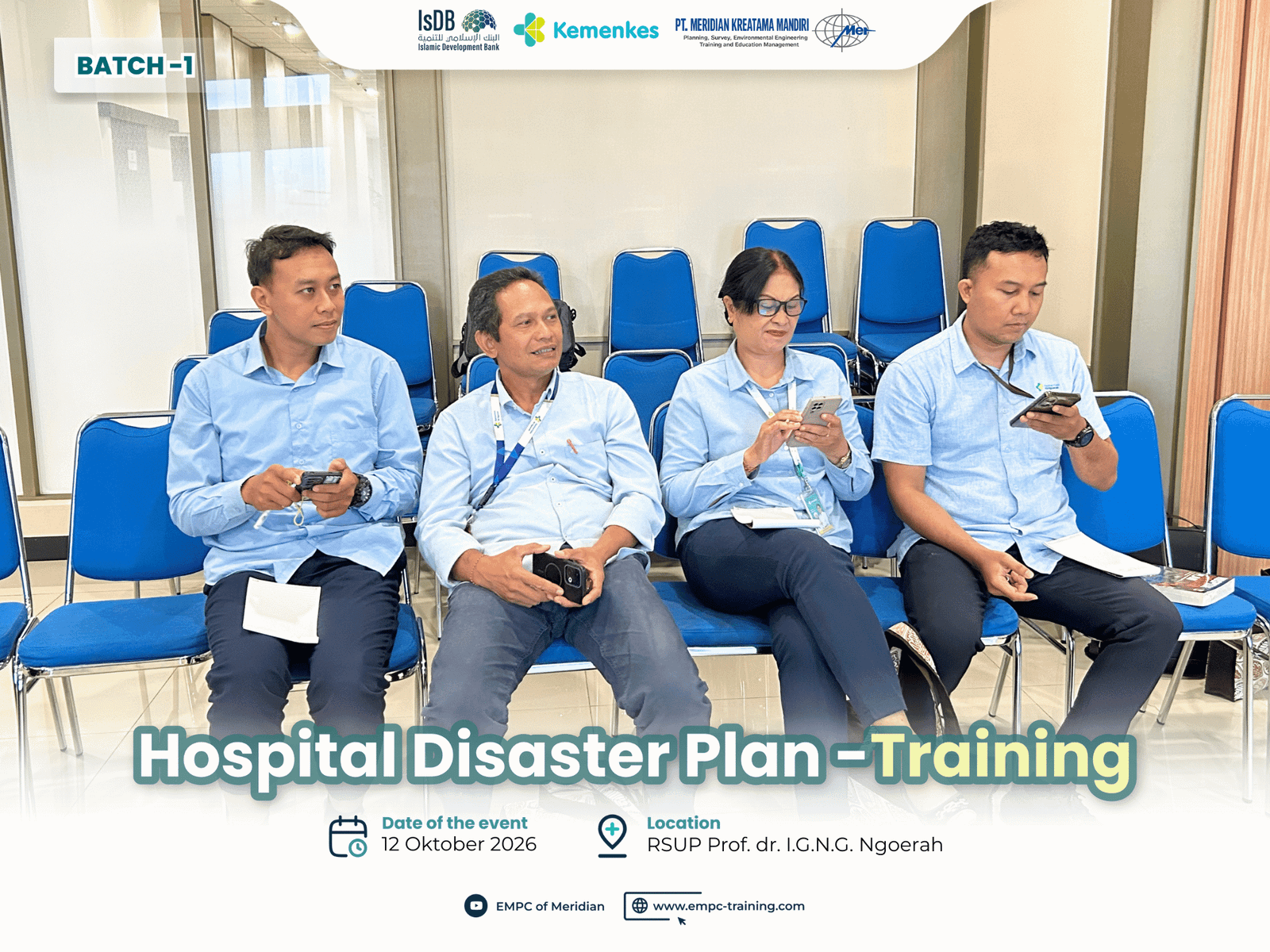
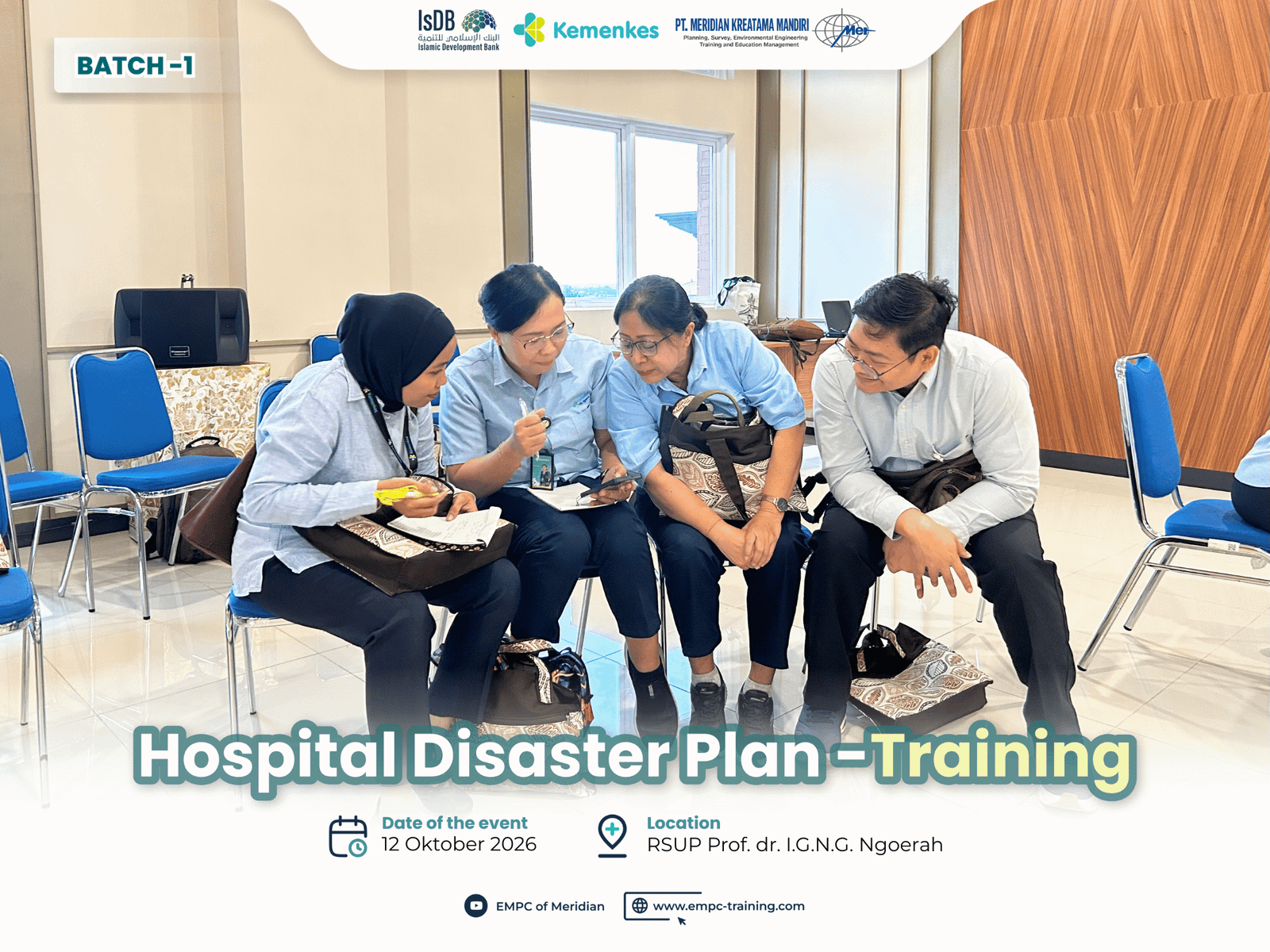
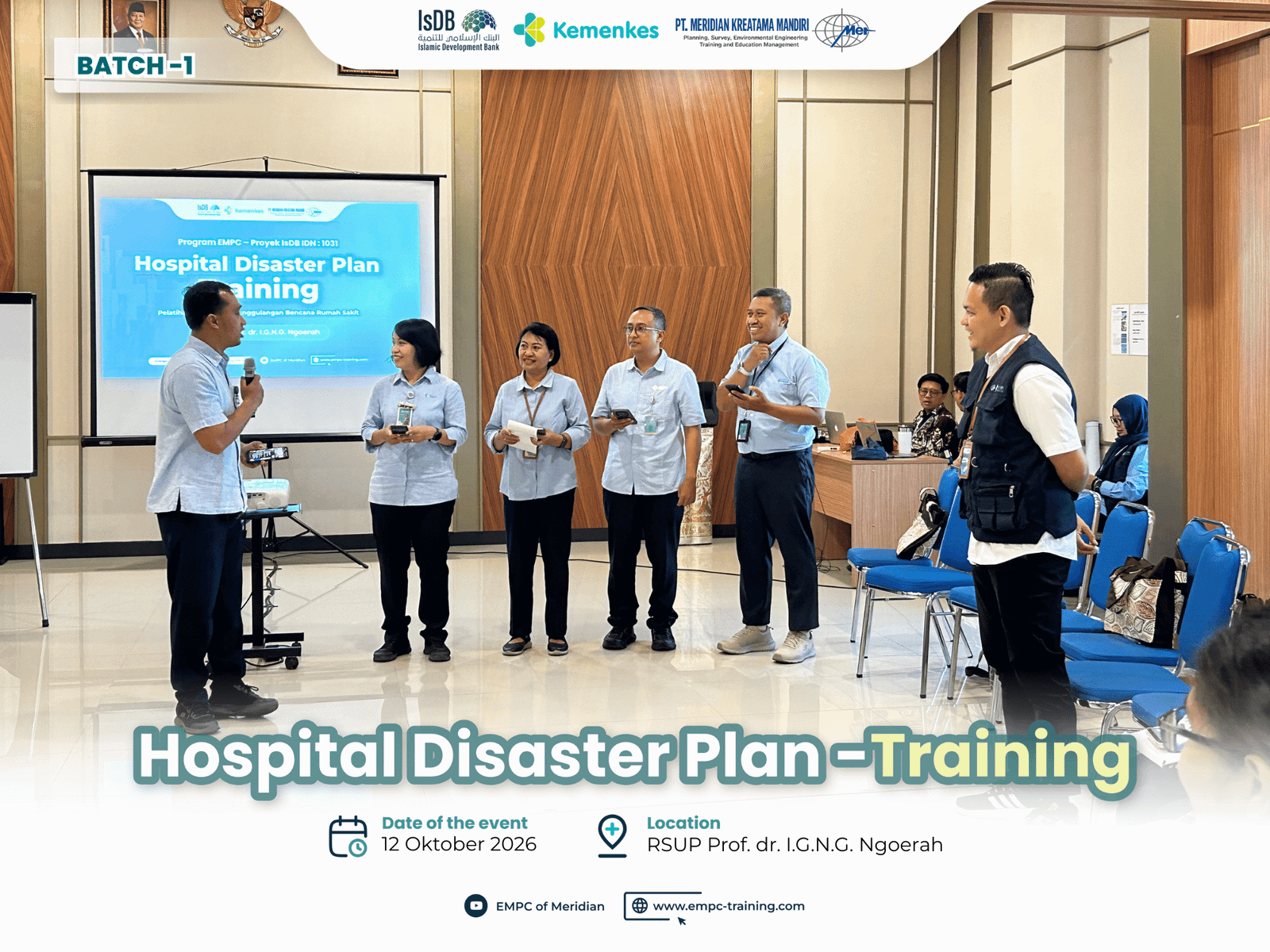
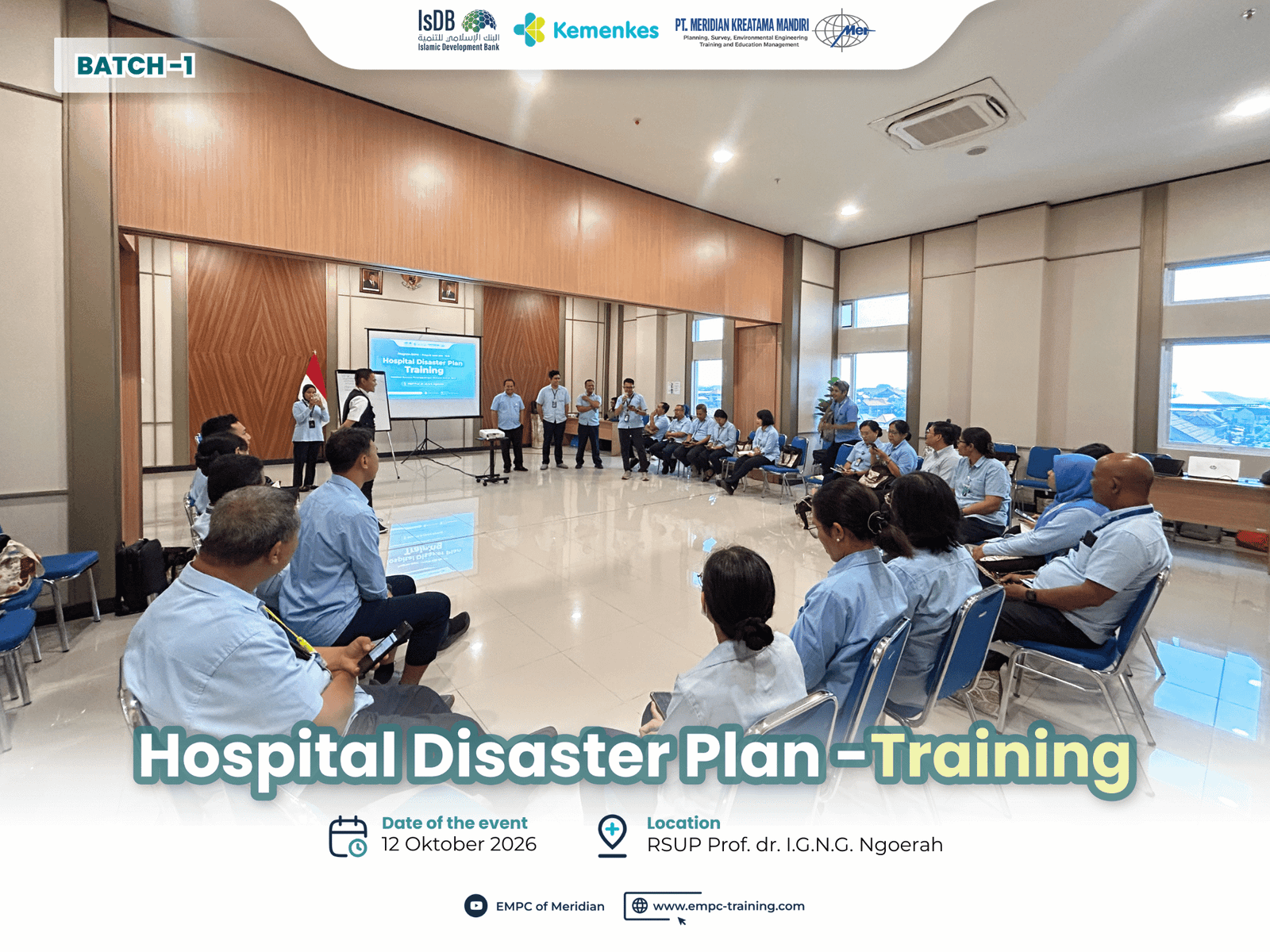
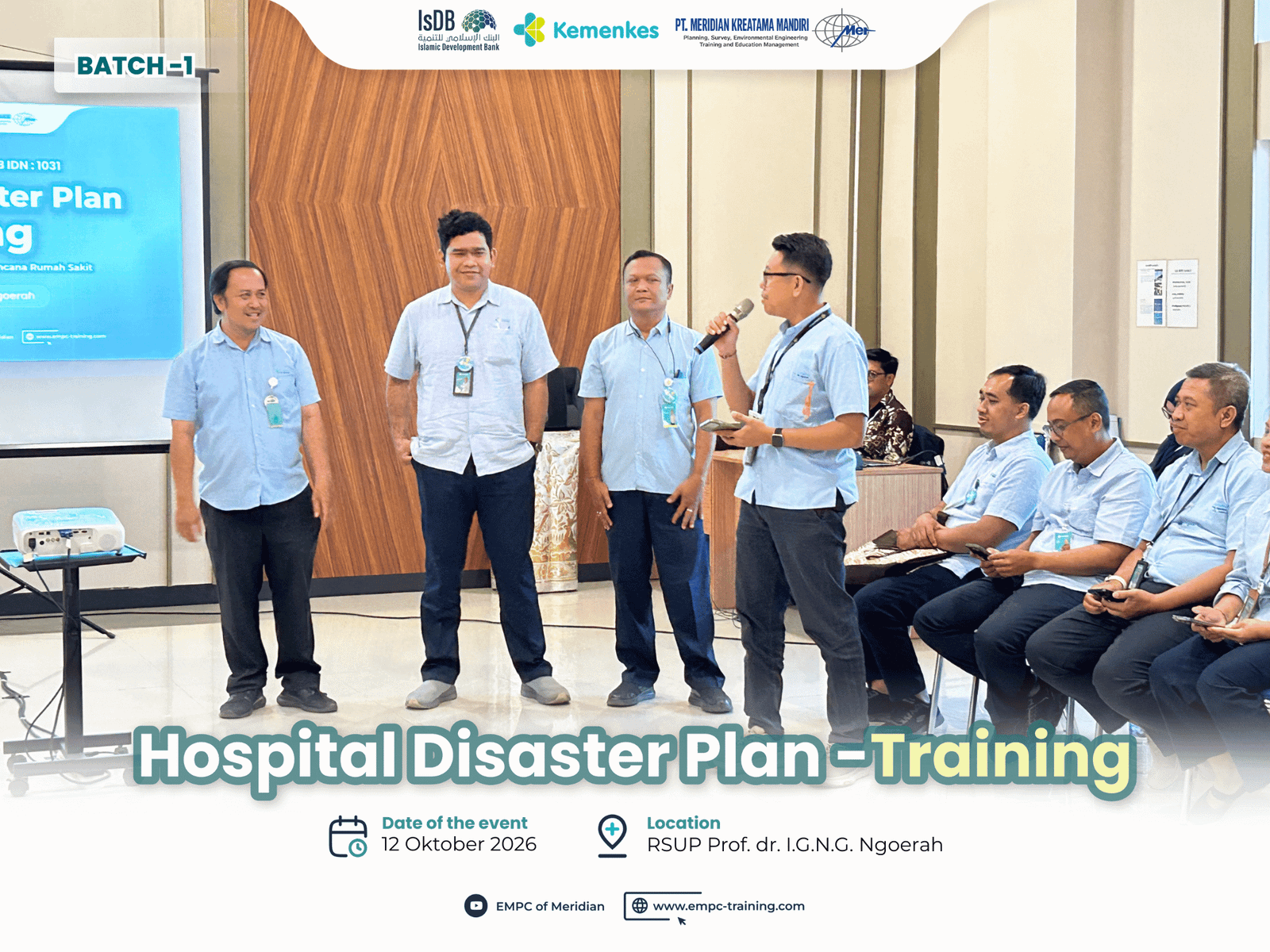
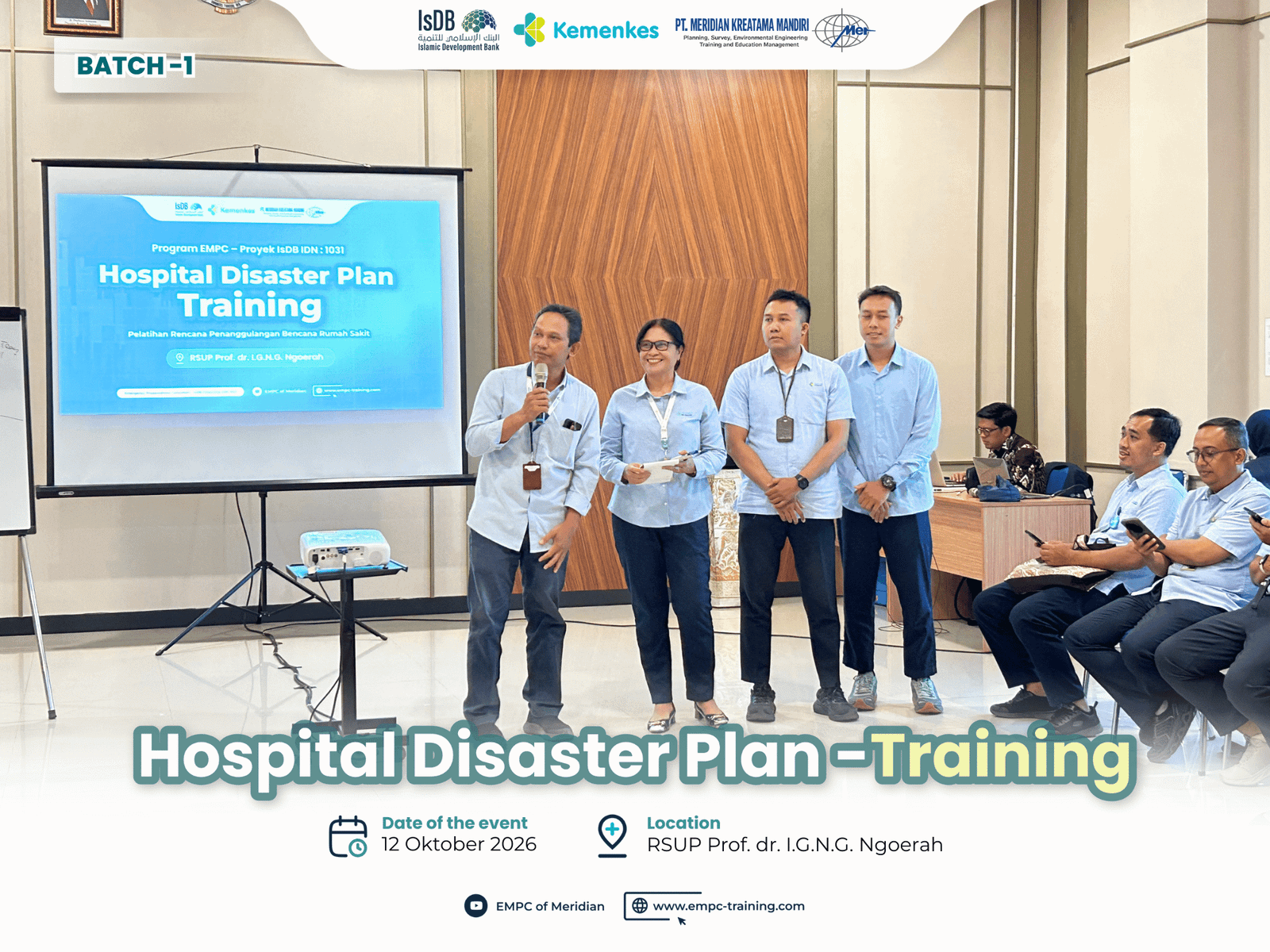
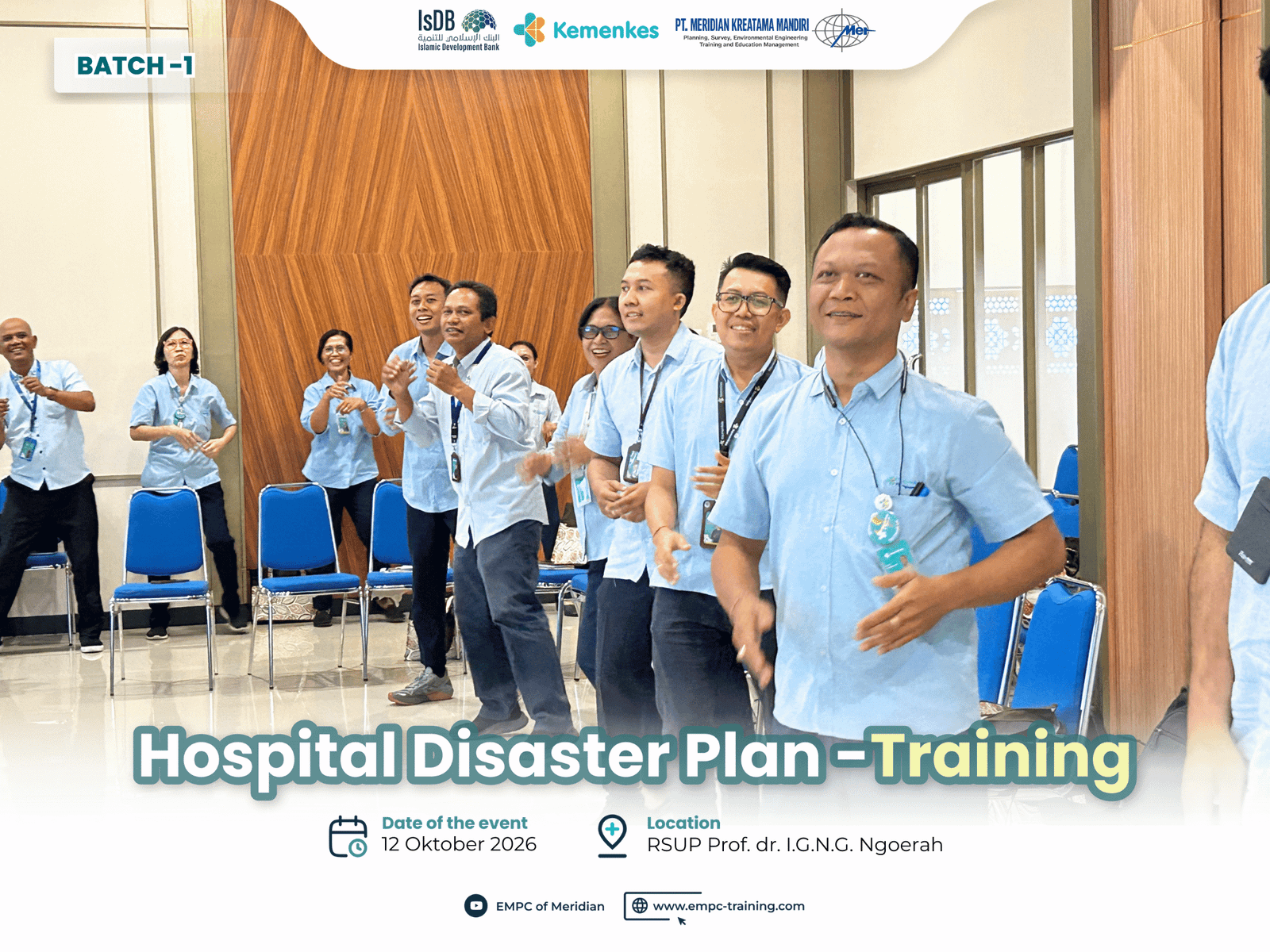
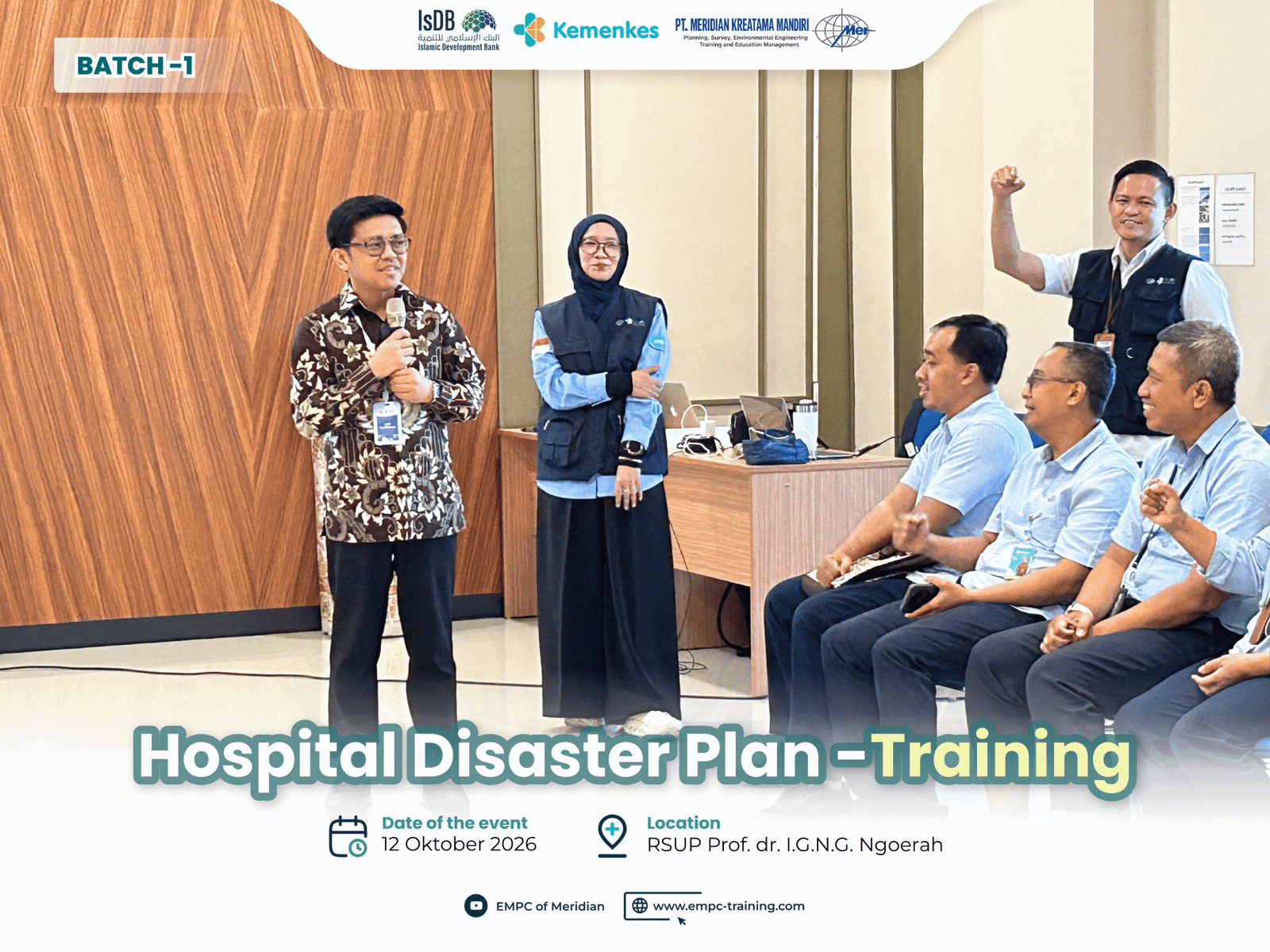
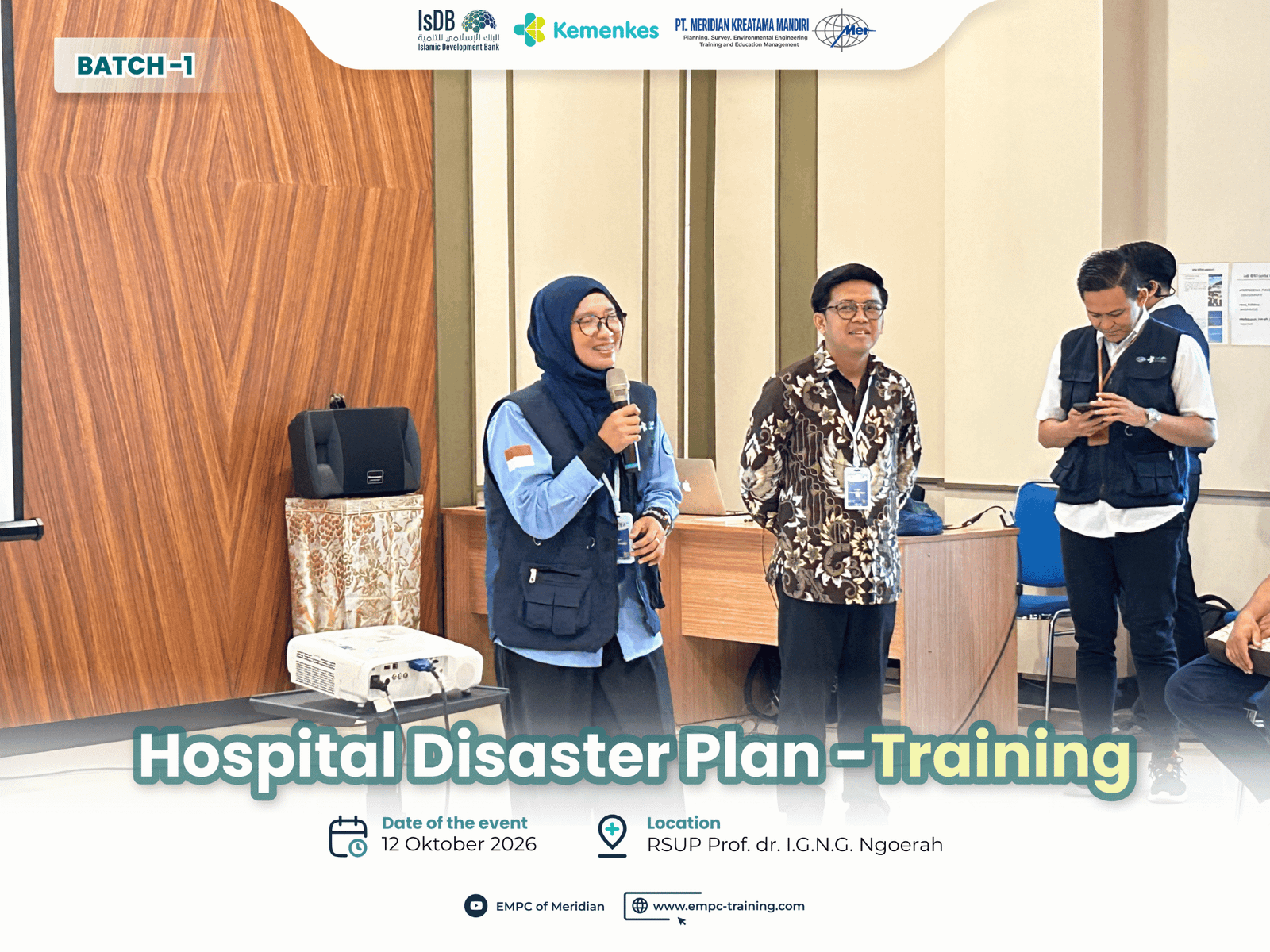
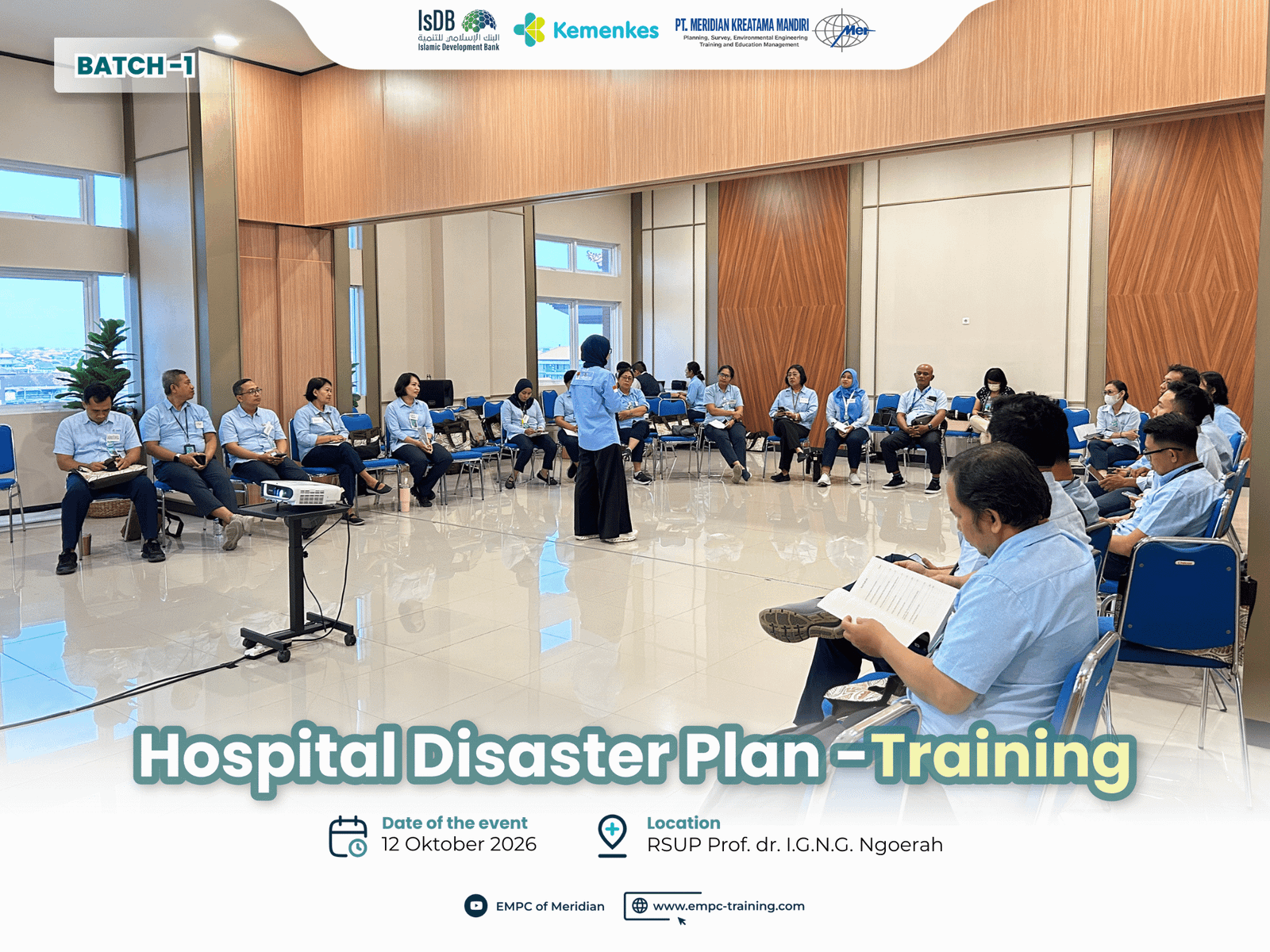
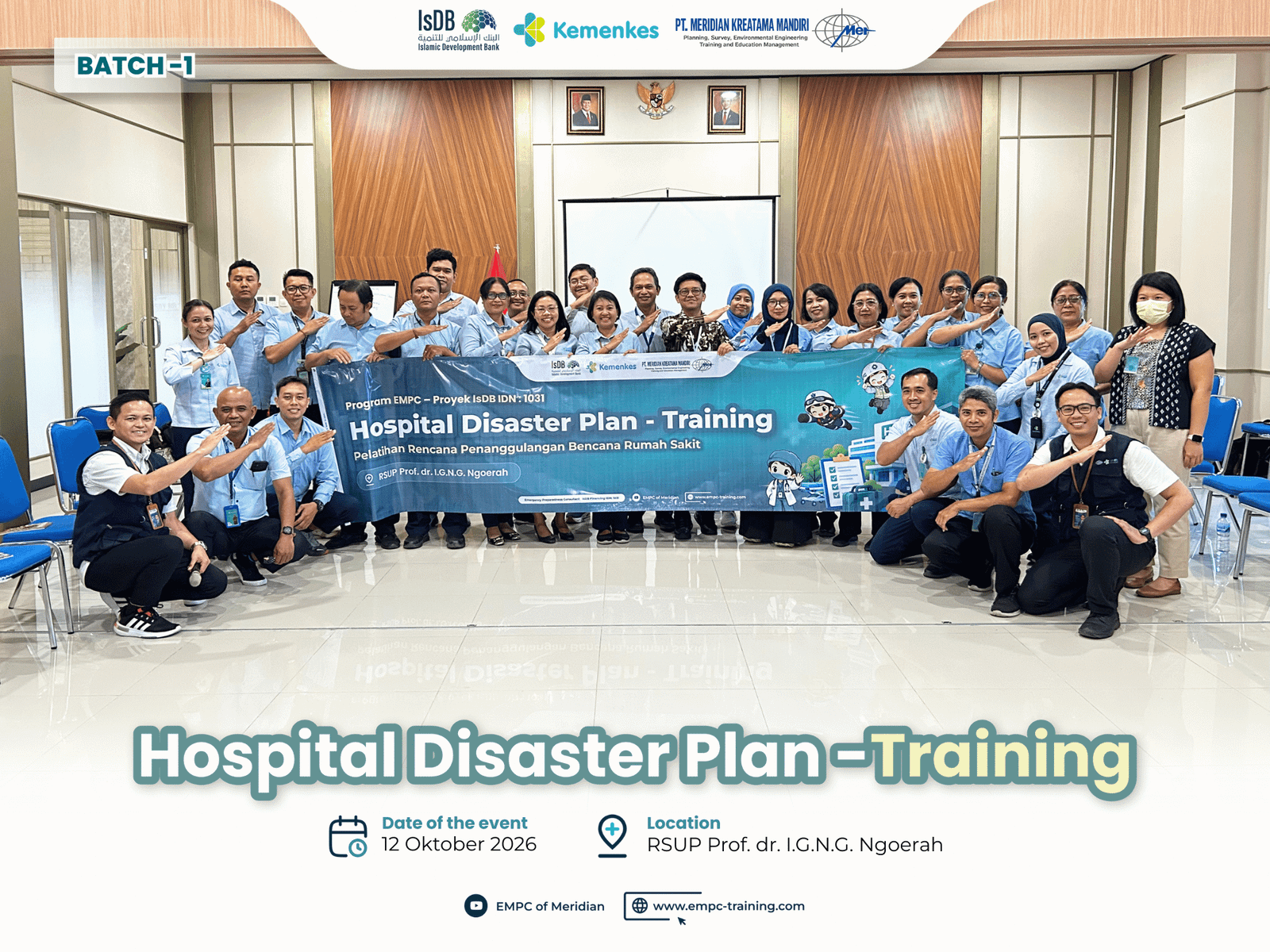
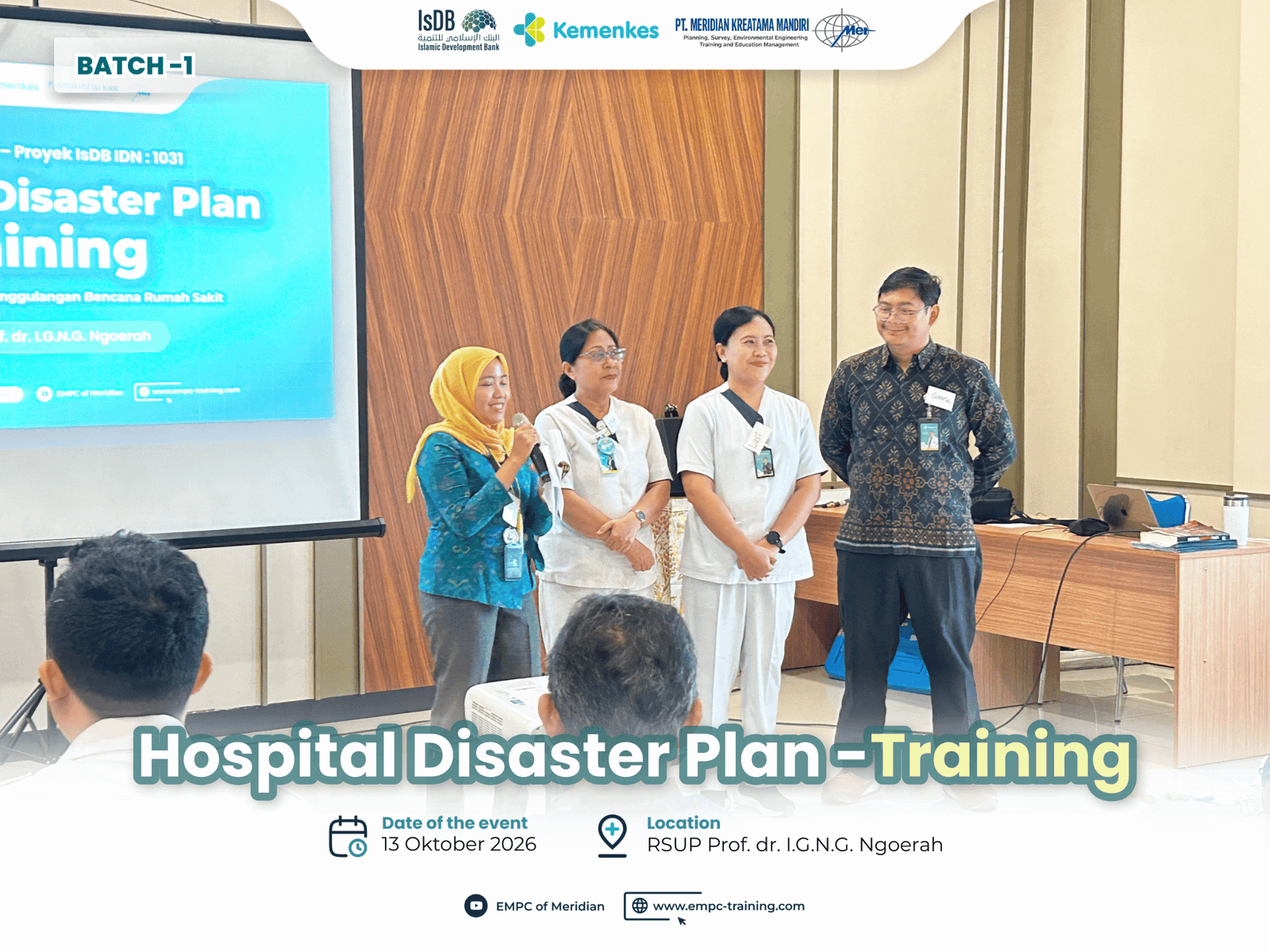
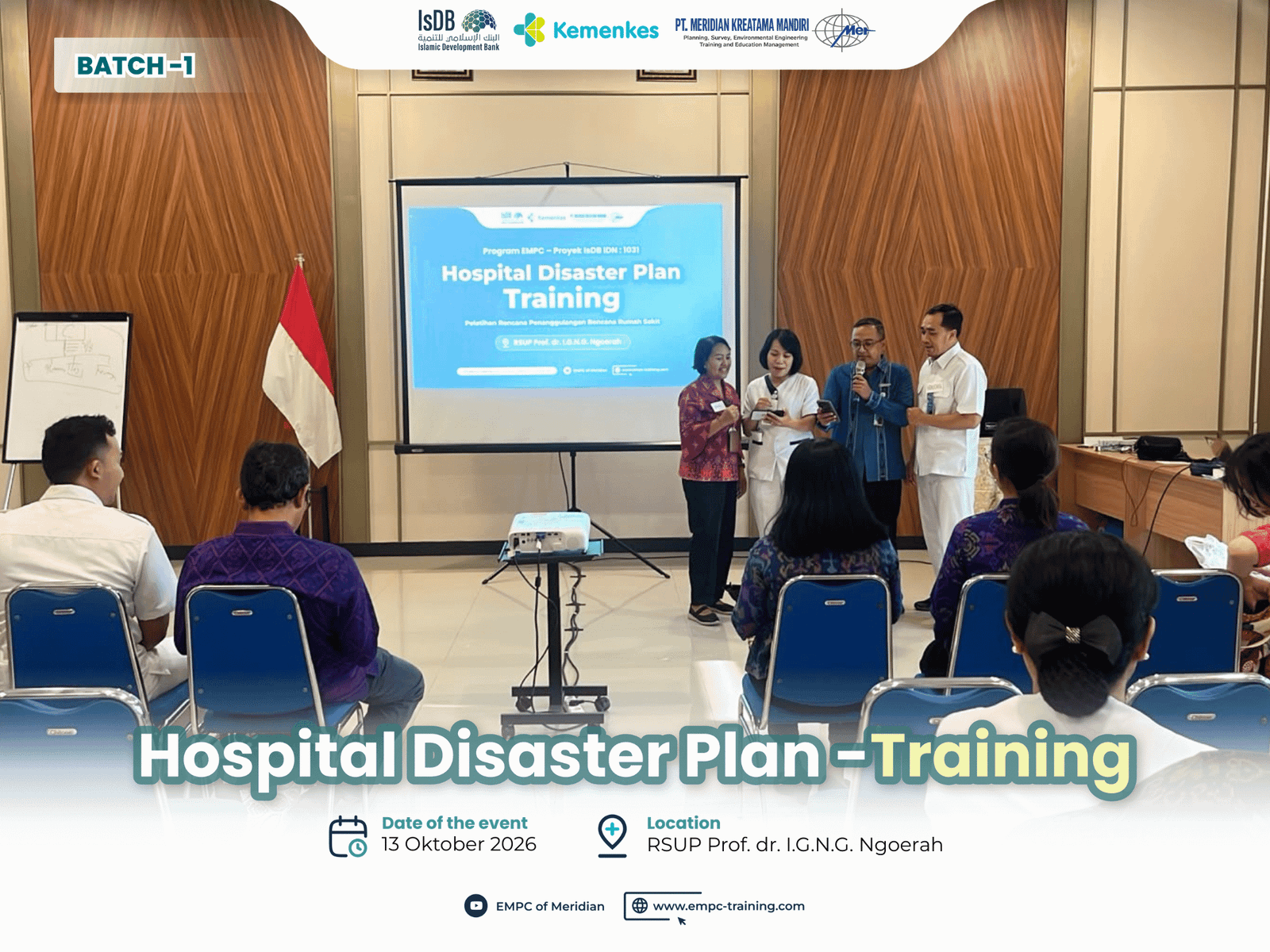
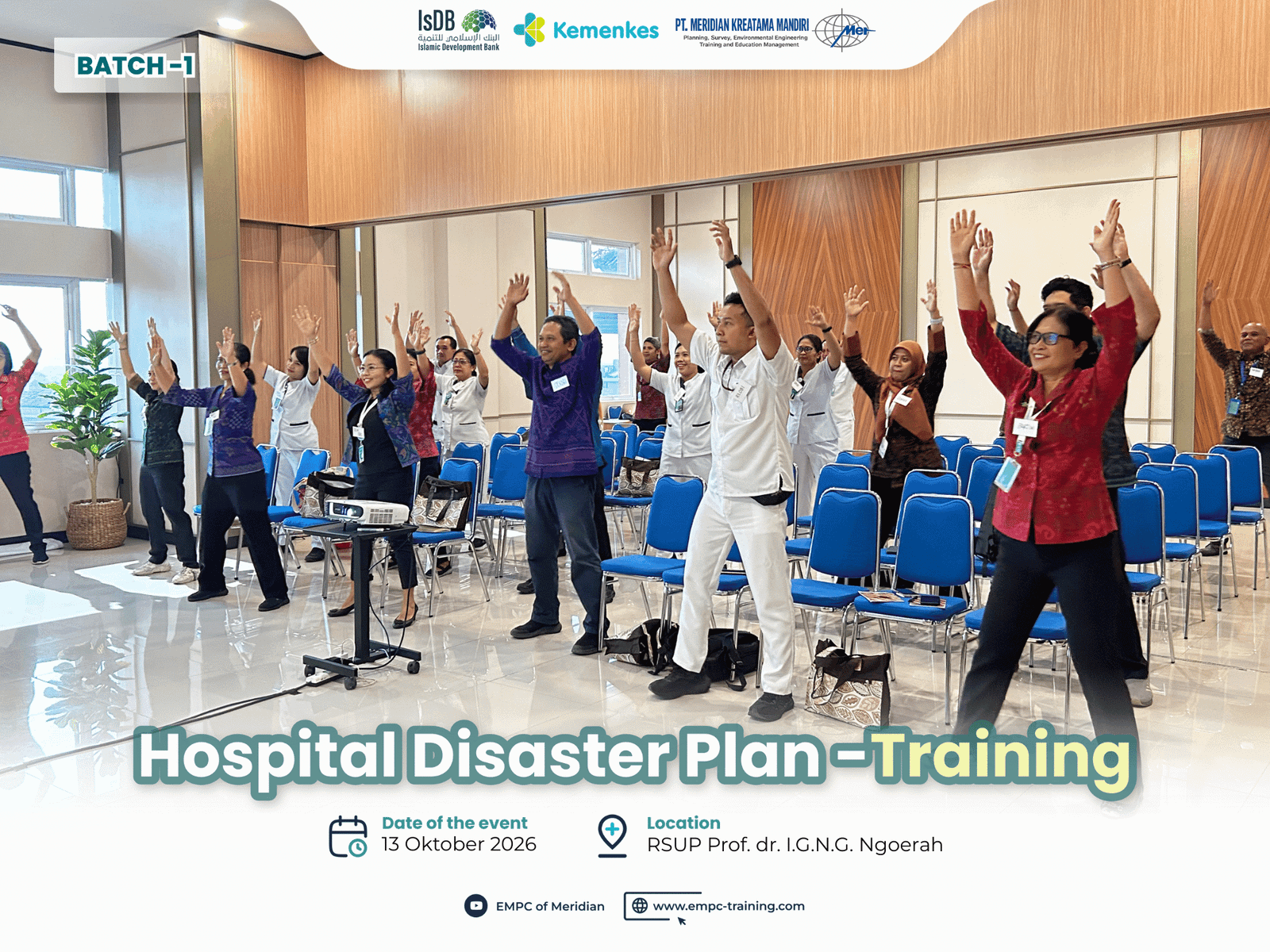
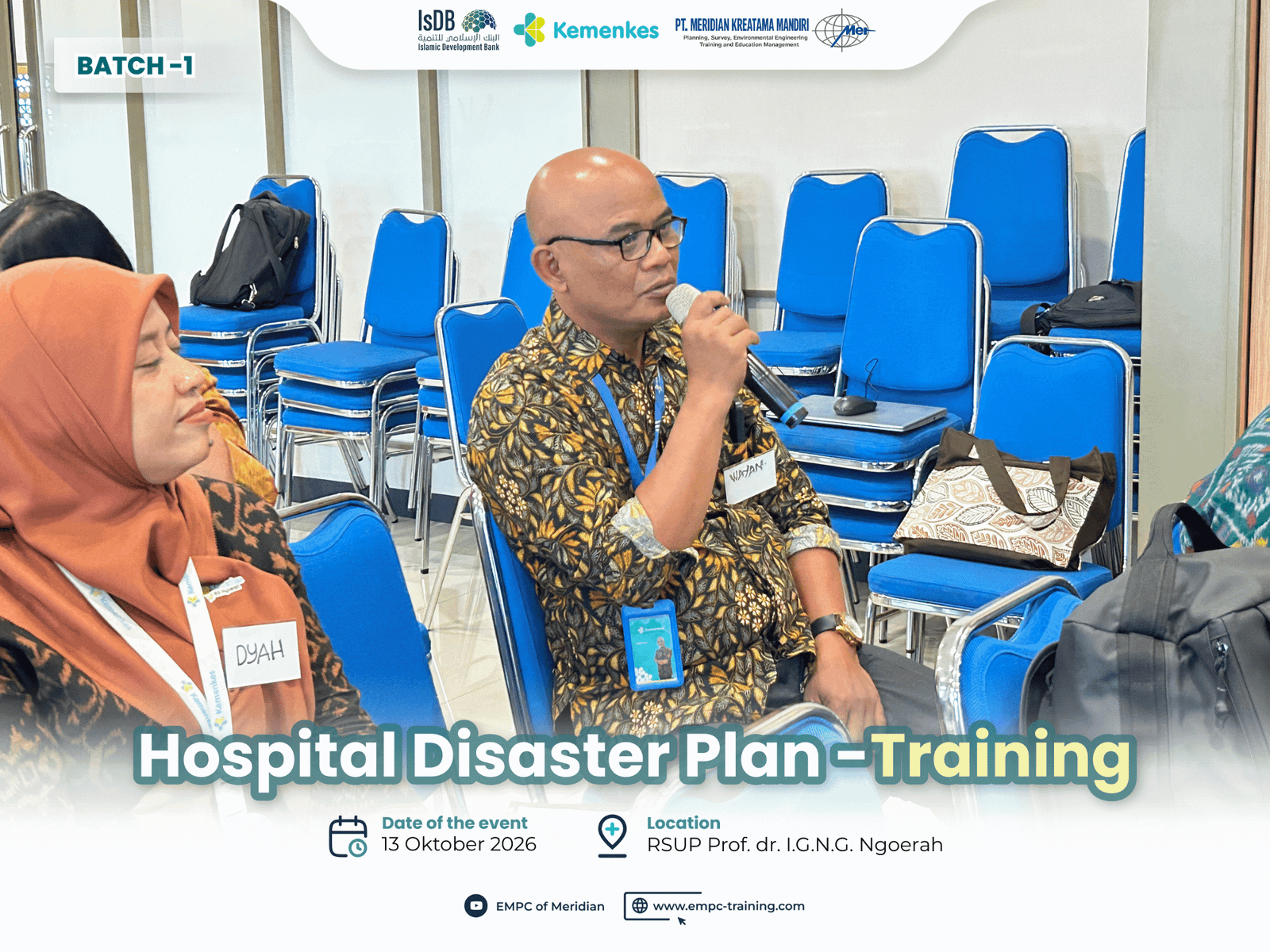
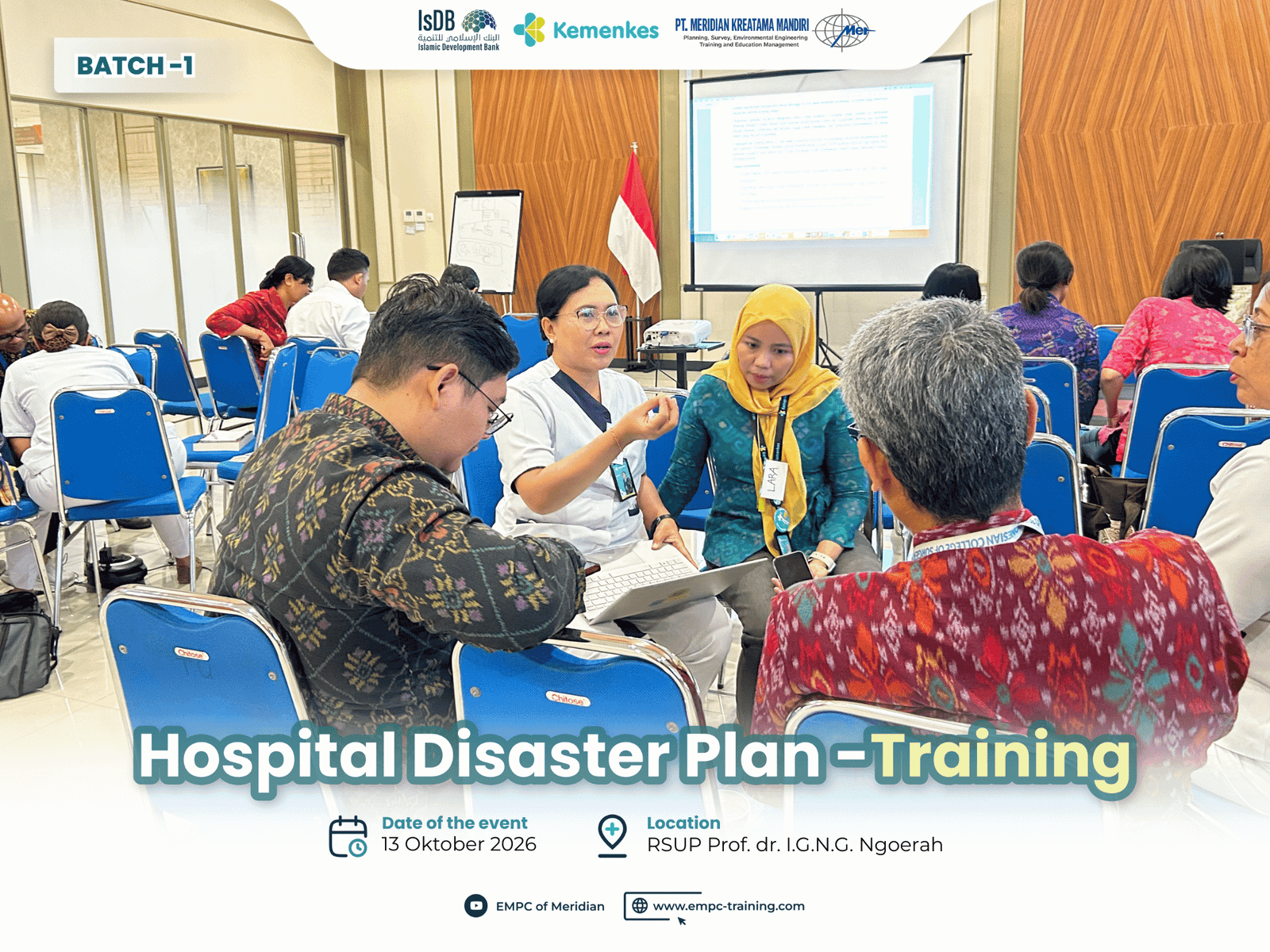
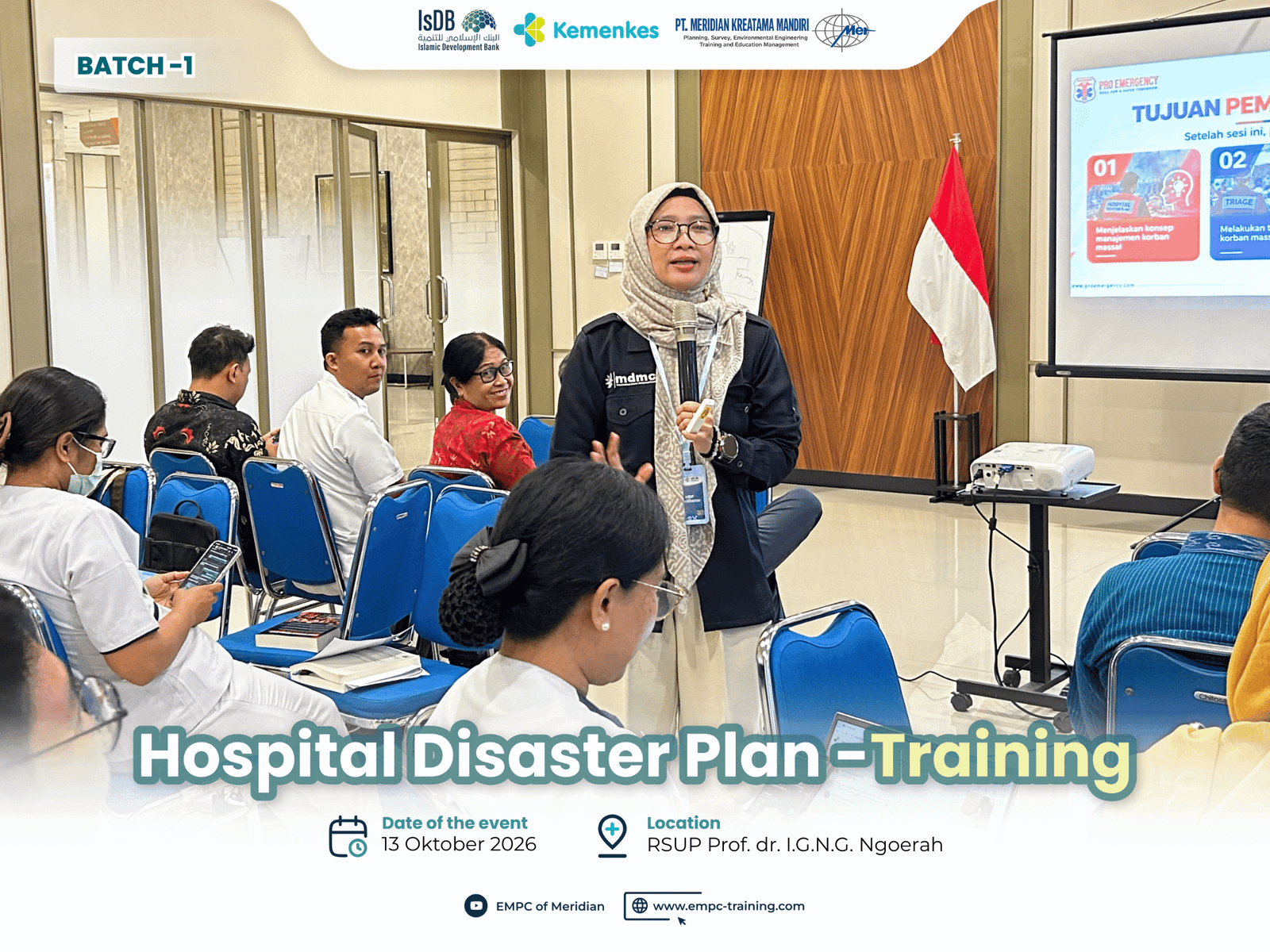
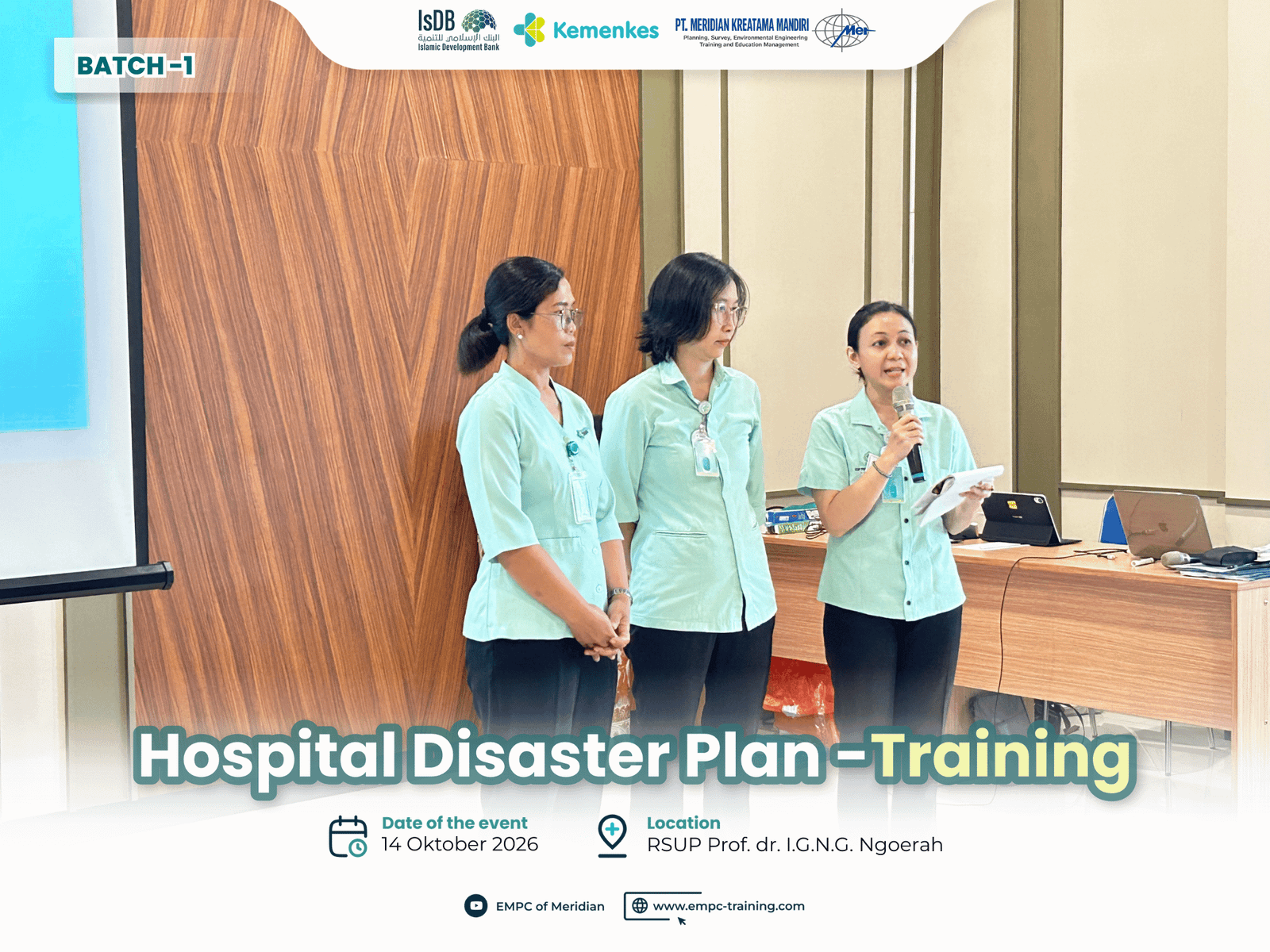
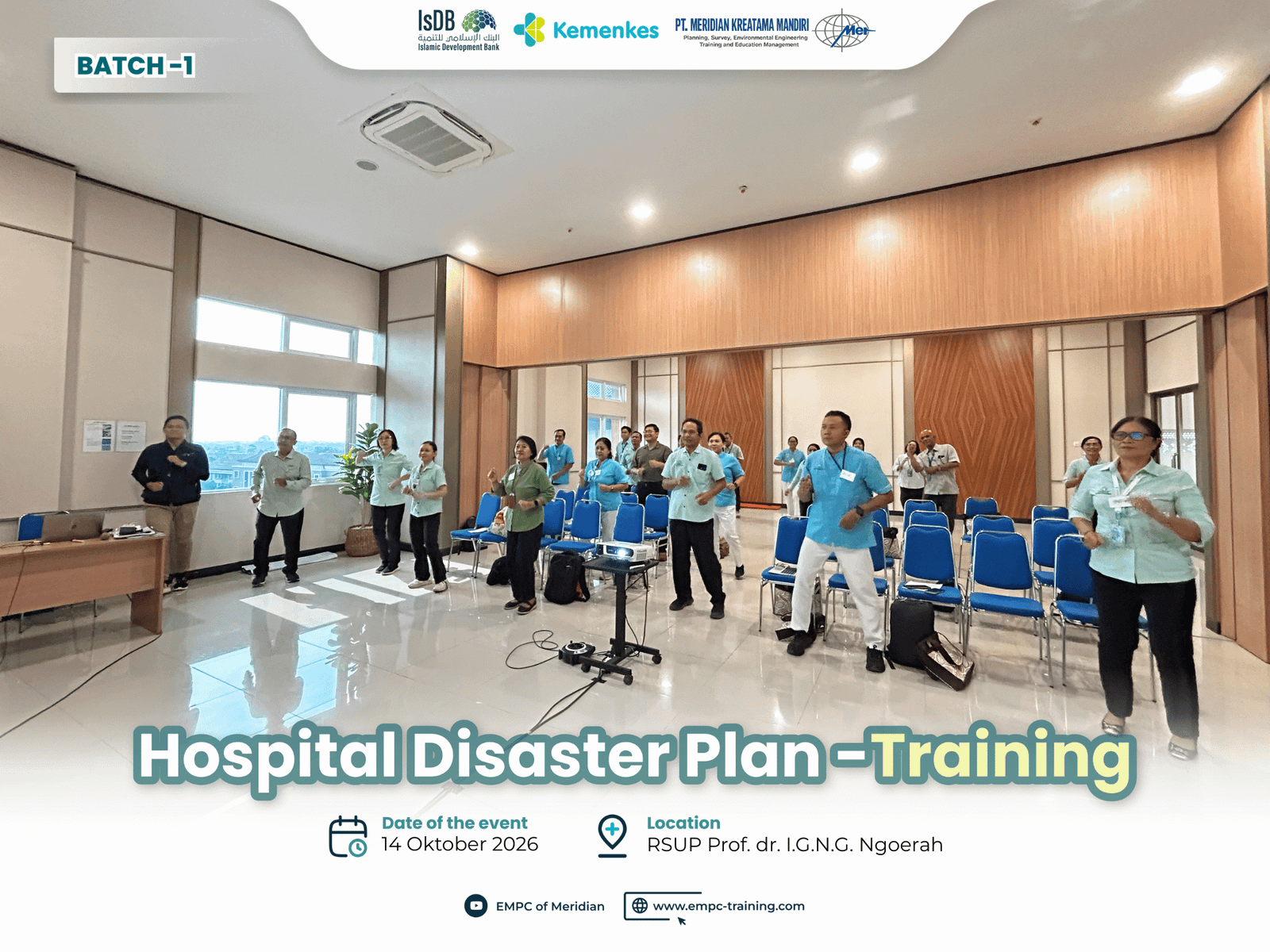
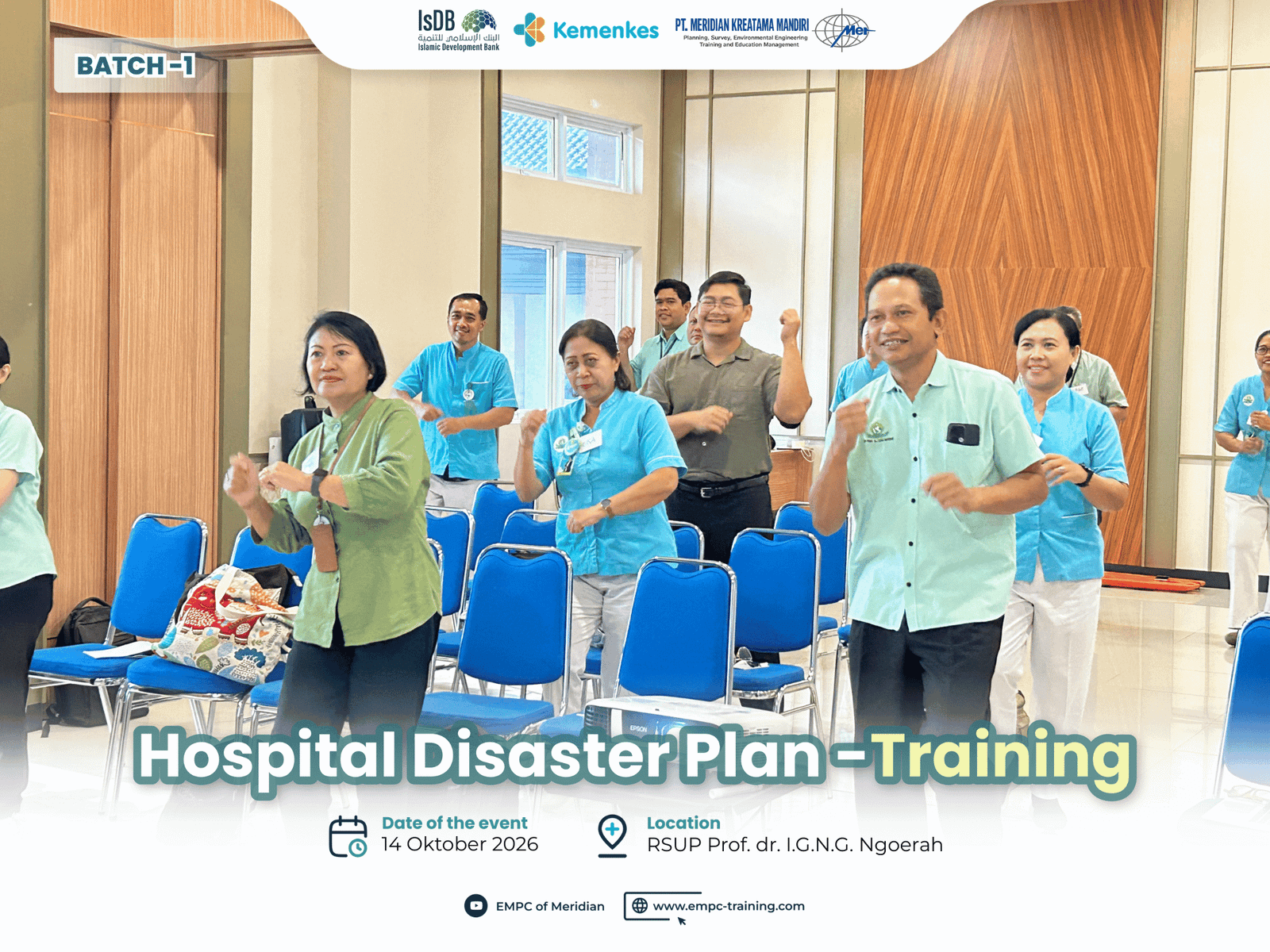
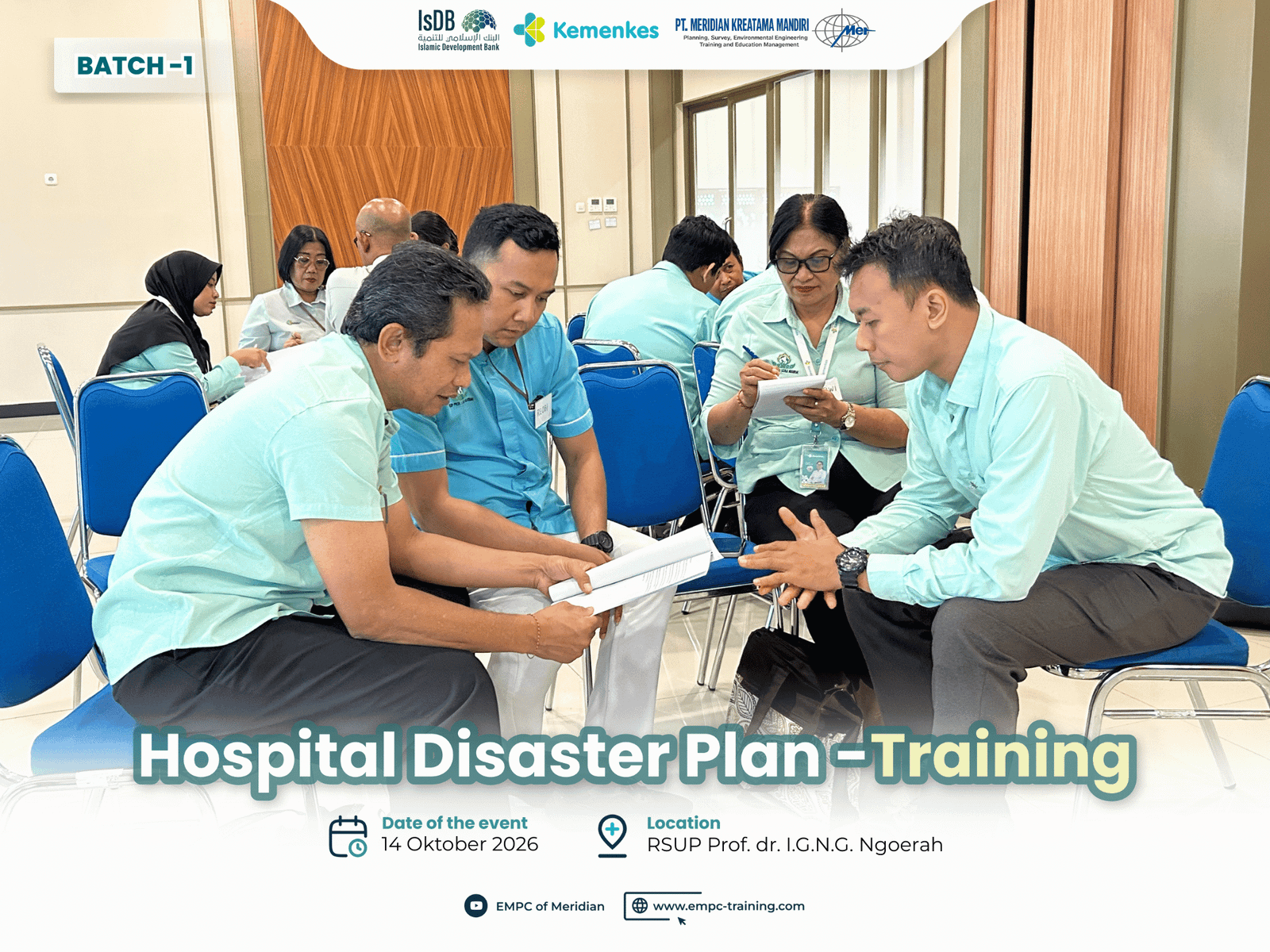
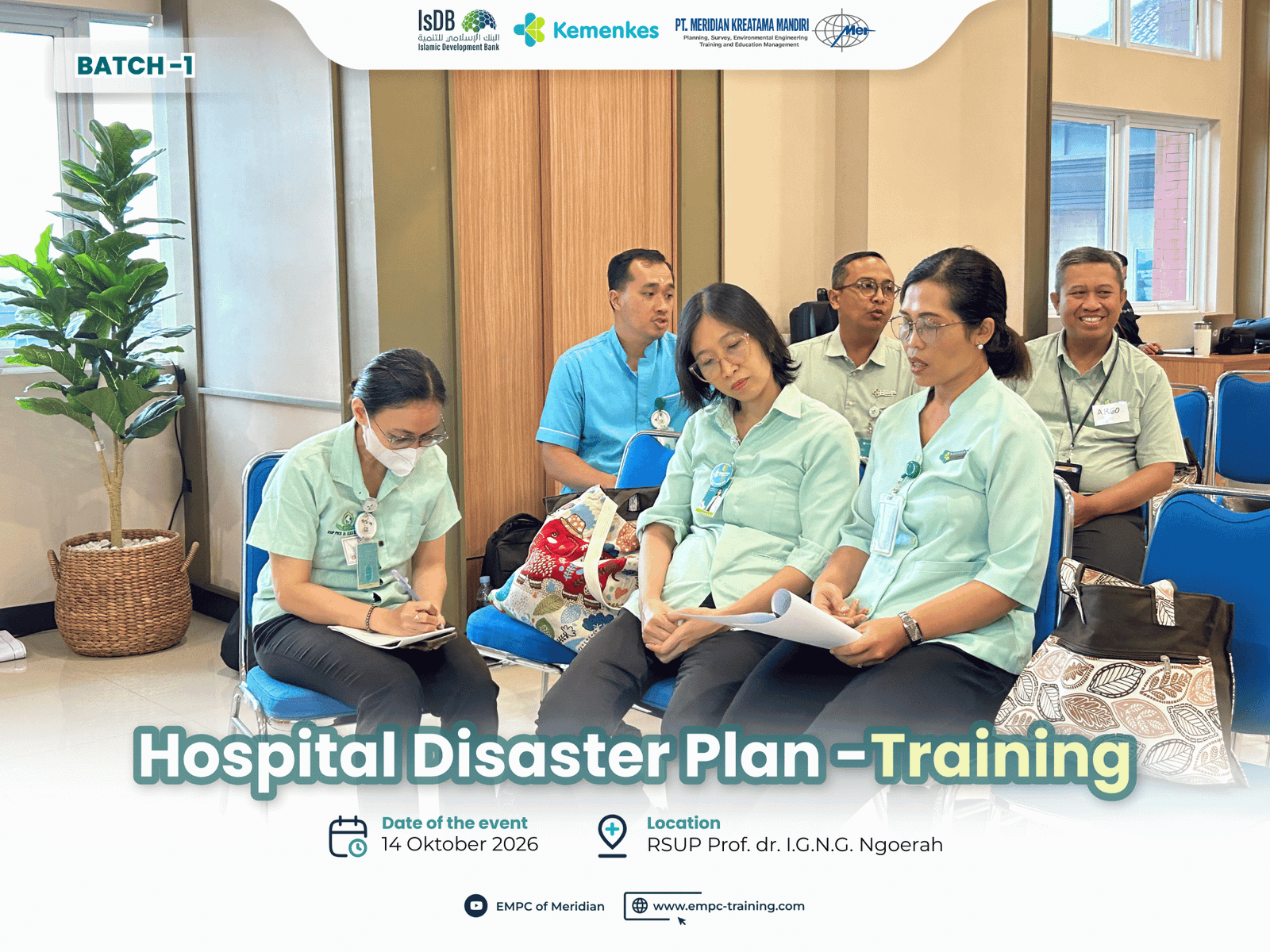
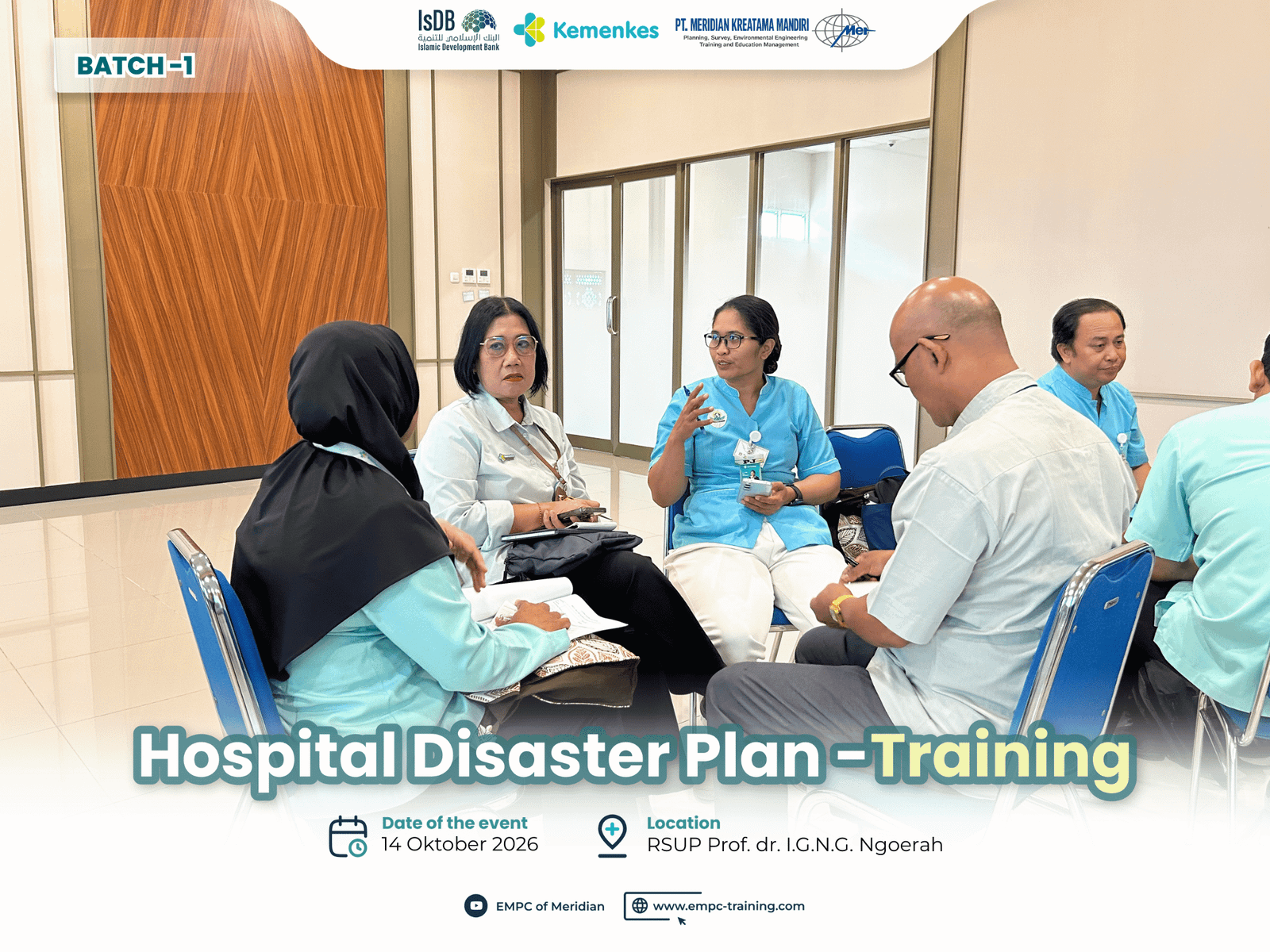
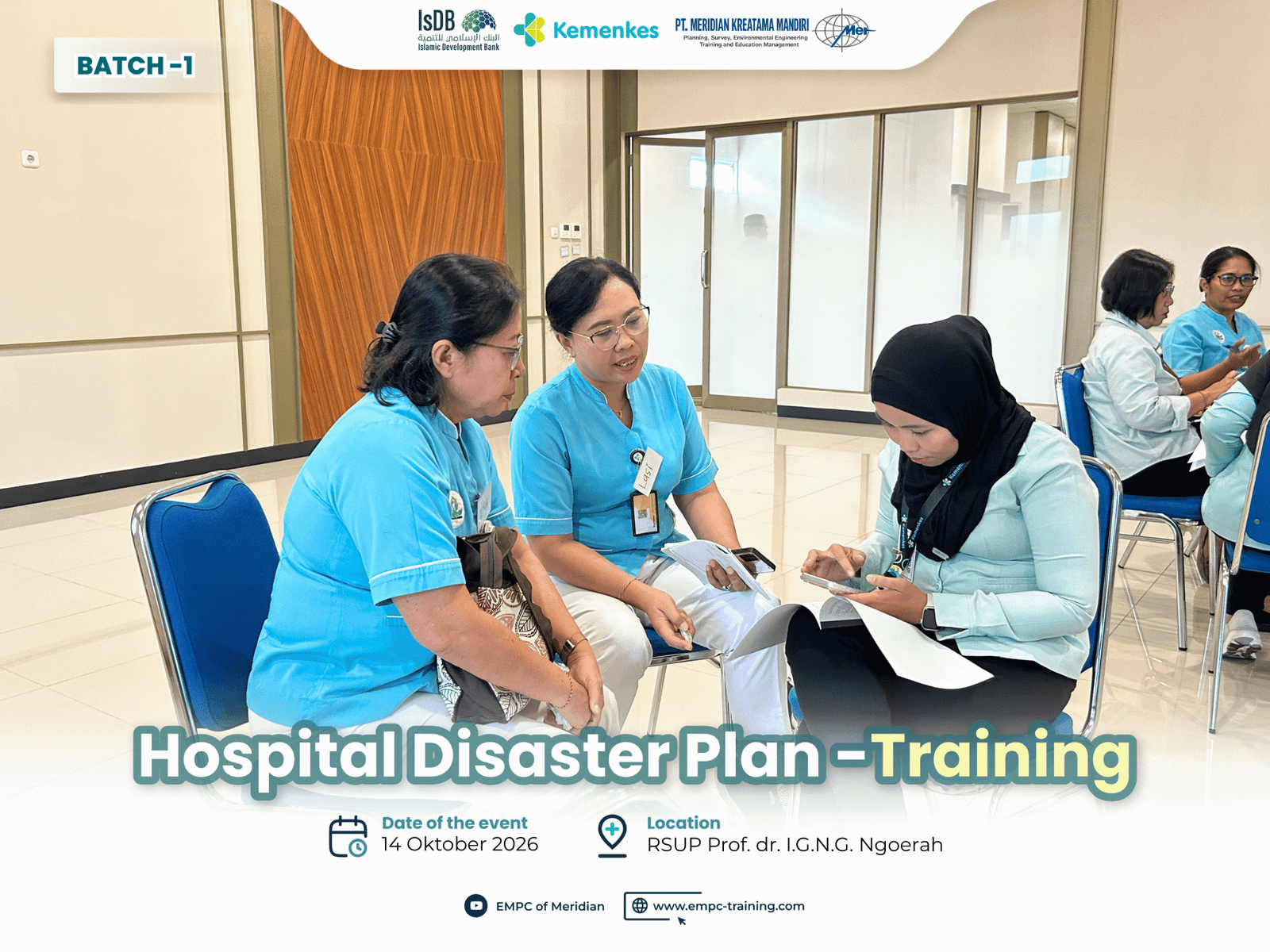
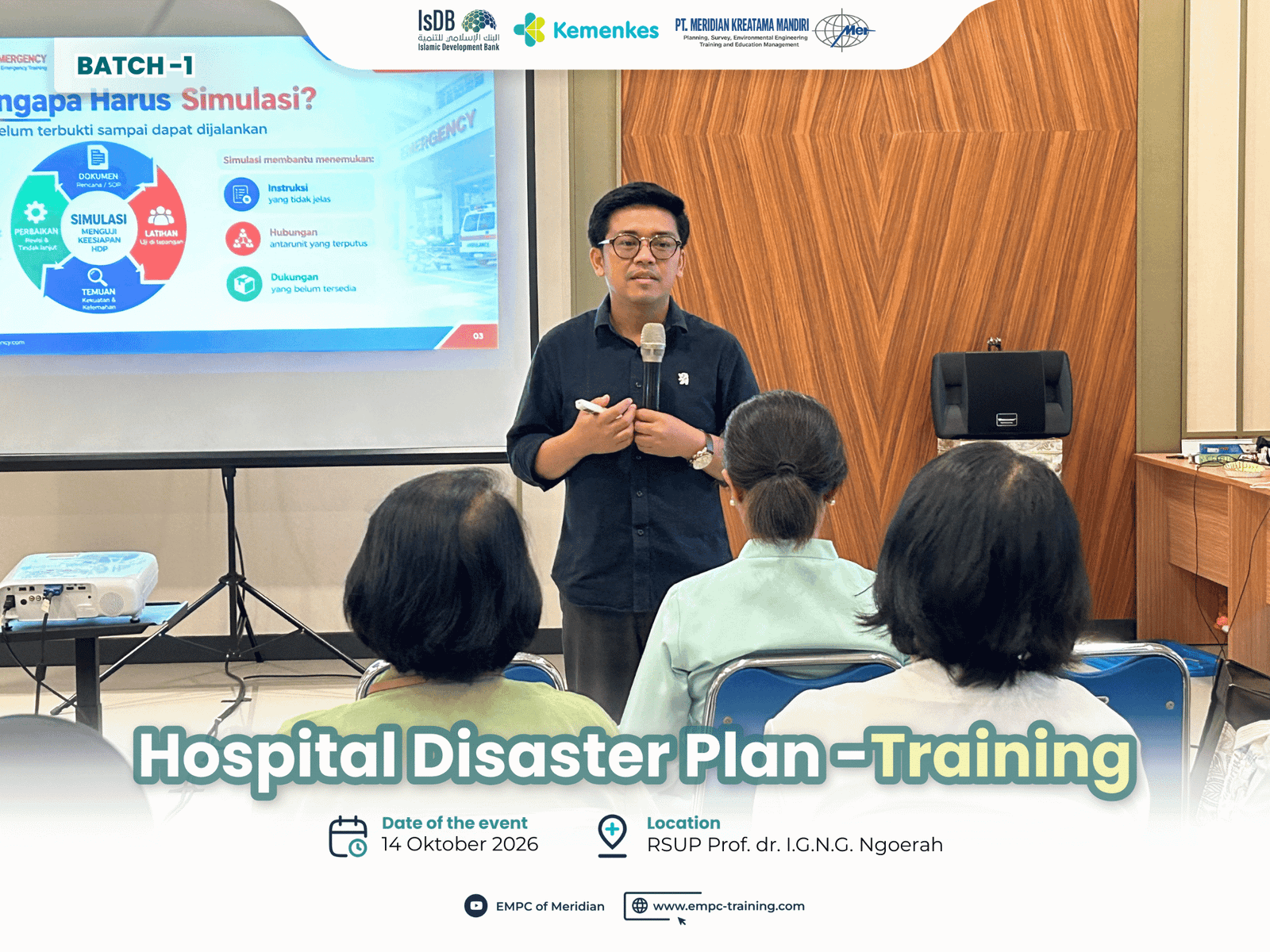
The training began with interactive activities designed to create an enthusiastic and supportive learning environment. Participants were encouraged to actively engage, communicate, and work together through team-building exercises and group activities.
These activities helped foster a sense of unity among participants while highlighting an essential principle of disaster management: every team member plays an important role in ensuring an effective and coordinated emergency response.
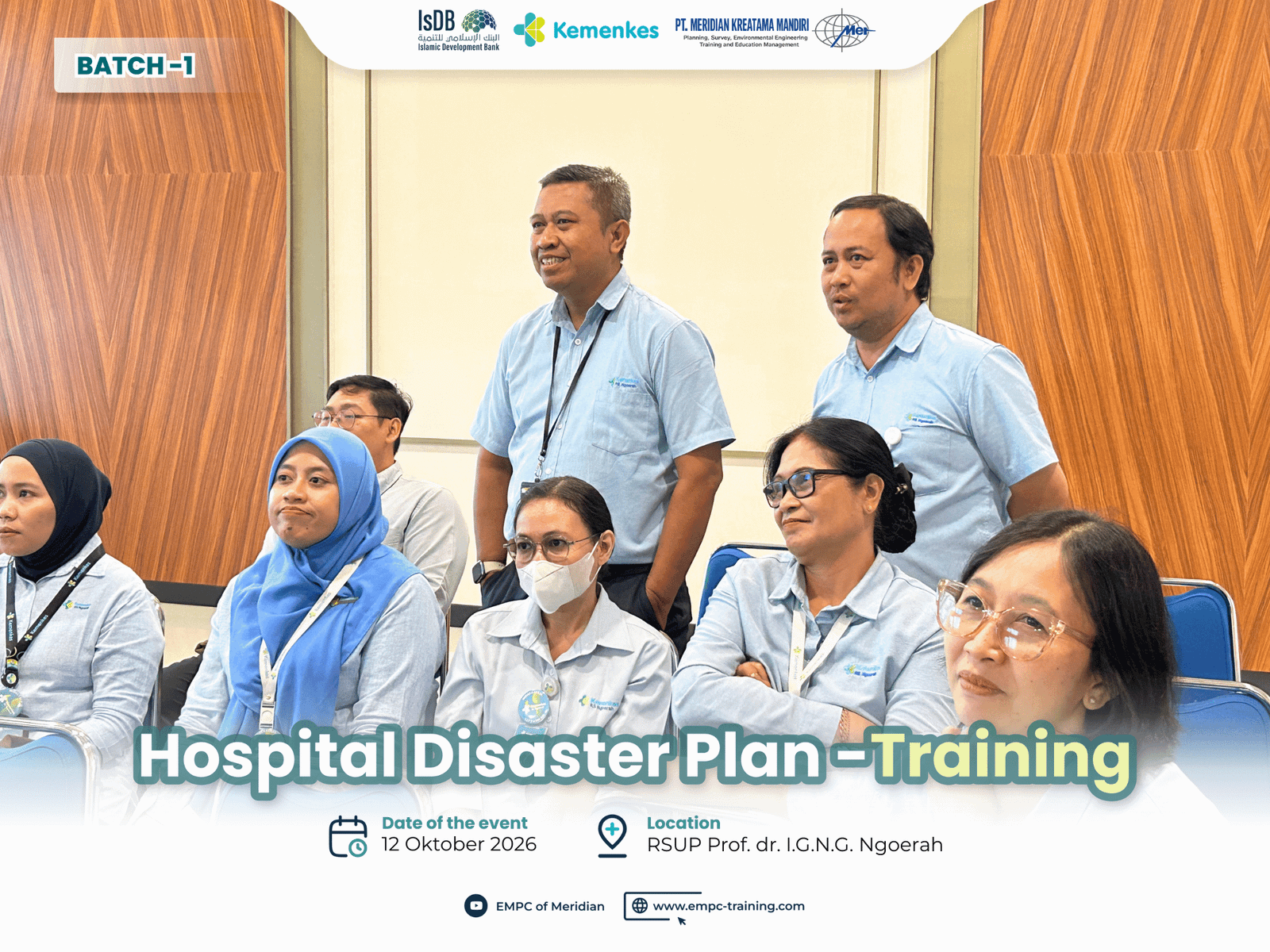
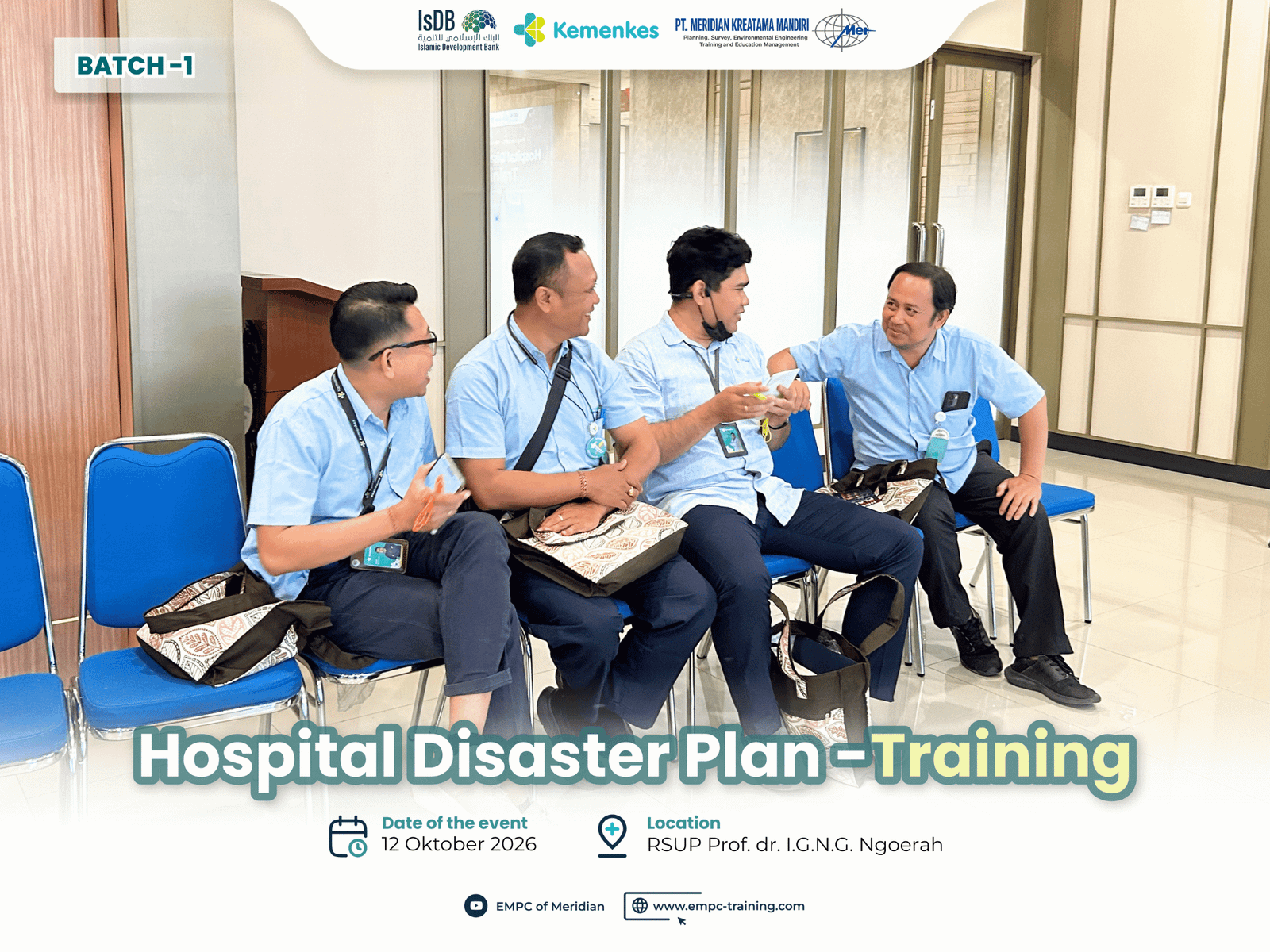
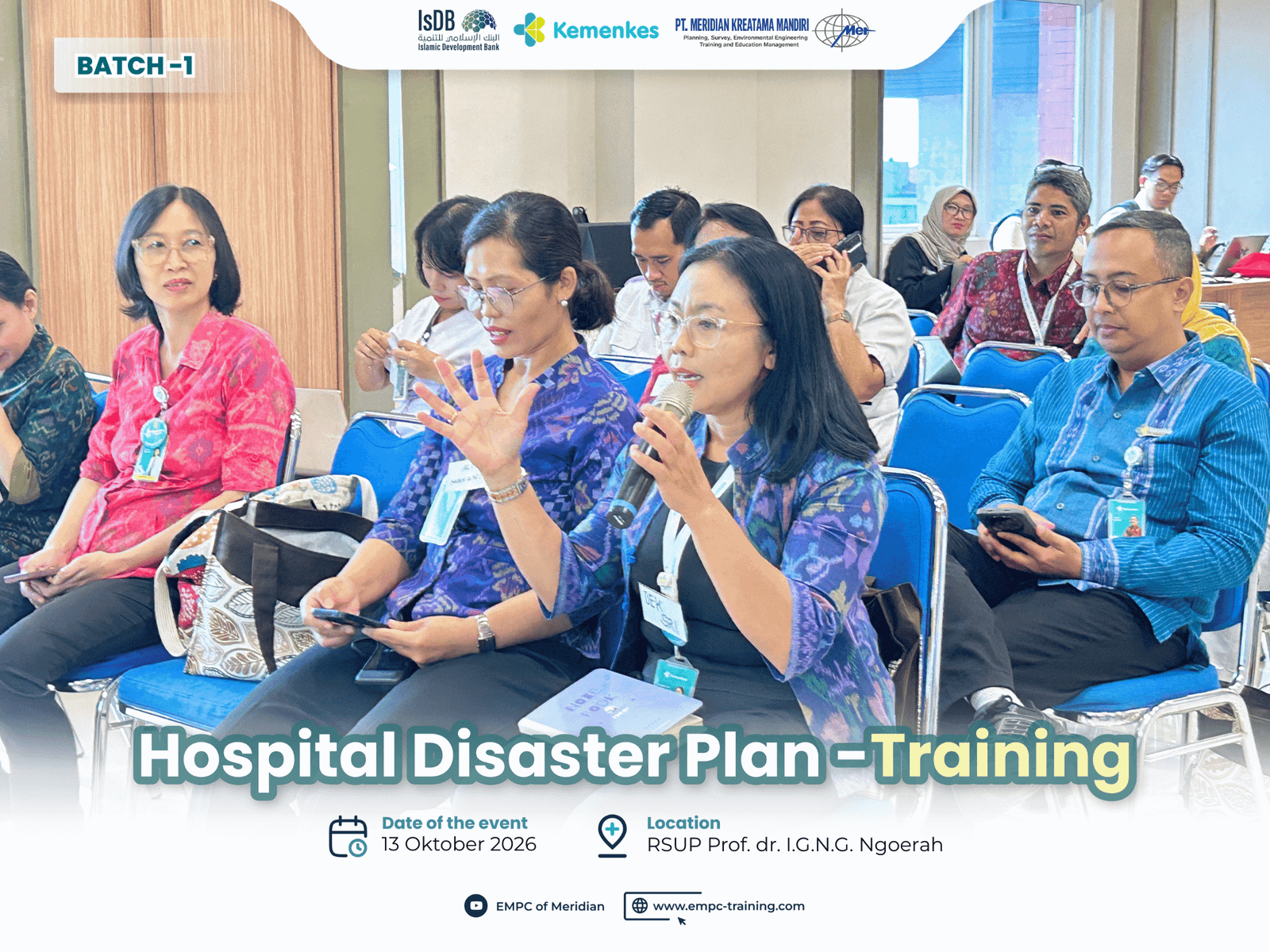
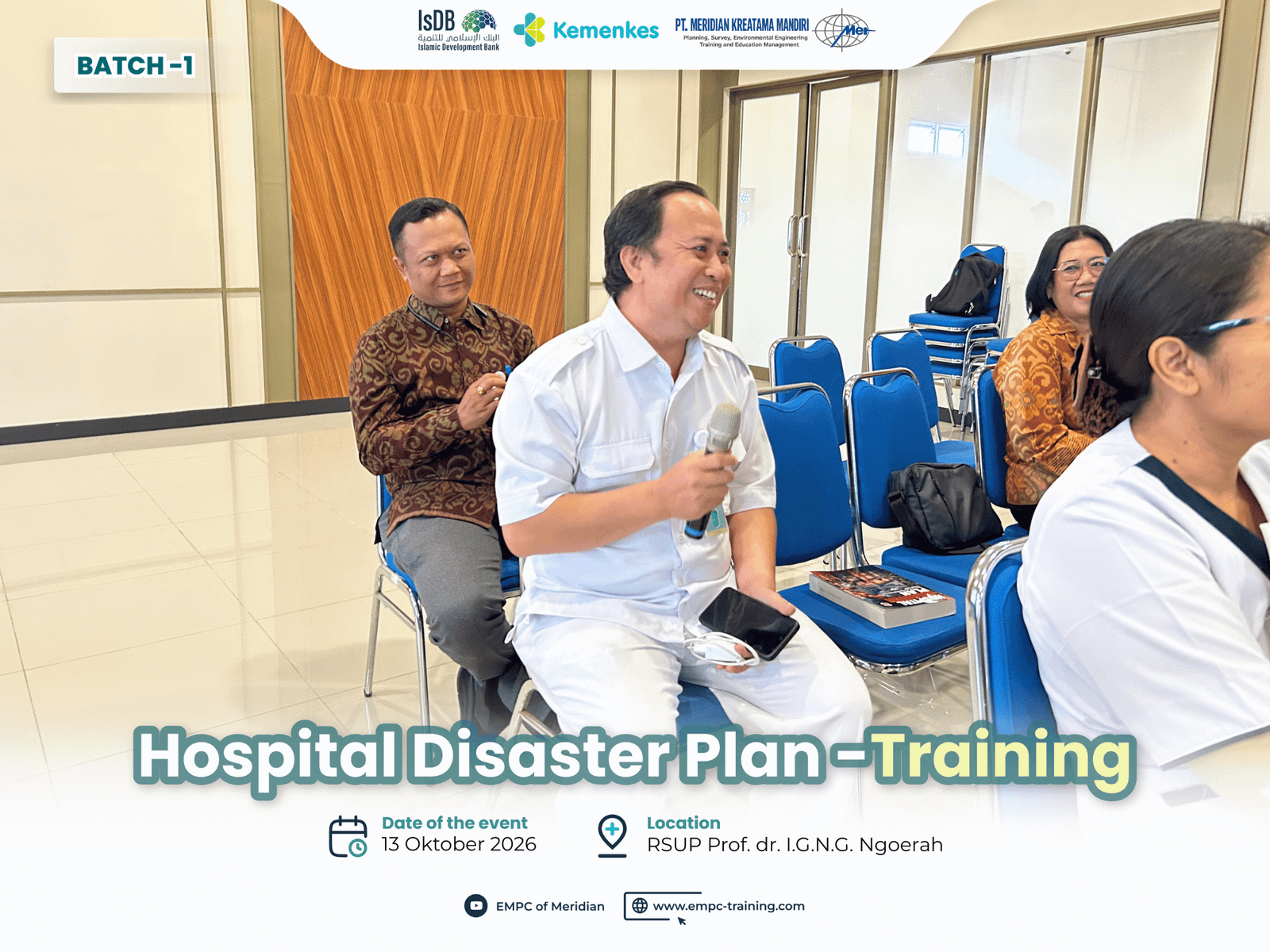
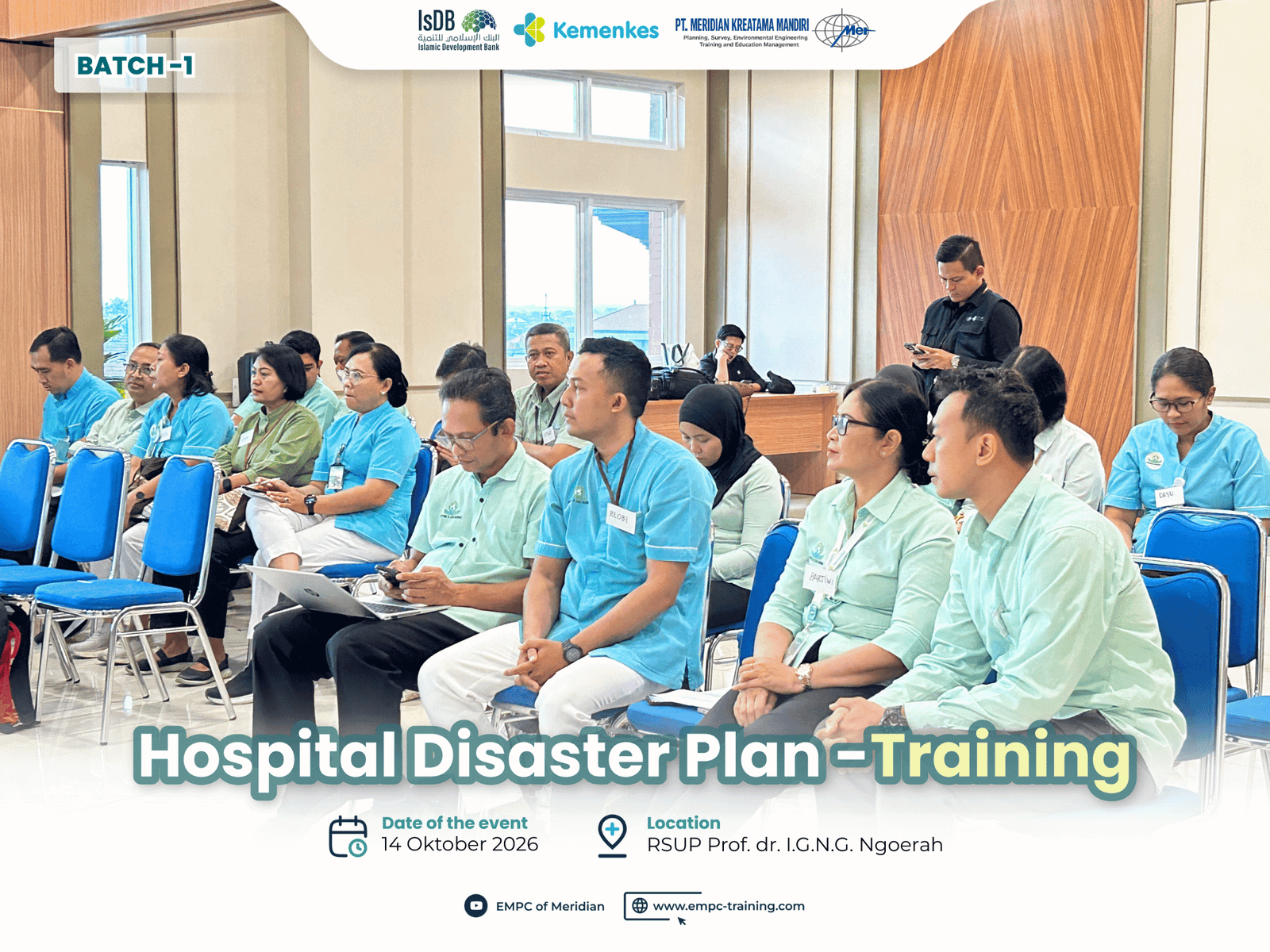
The lively atmosphere encouraged participants to exchange ideas, strengthen interpersonal connections, and develop a shared understanding of the importance of collaboration during critical situations.
Understanding the Hospital Disaster Plan
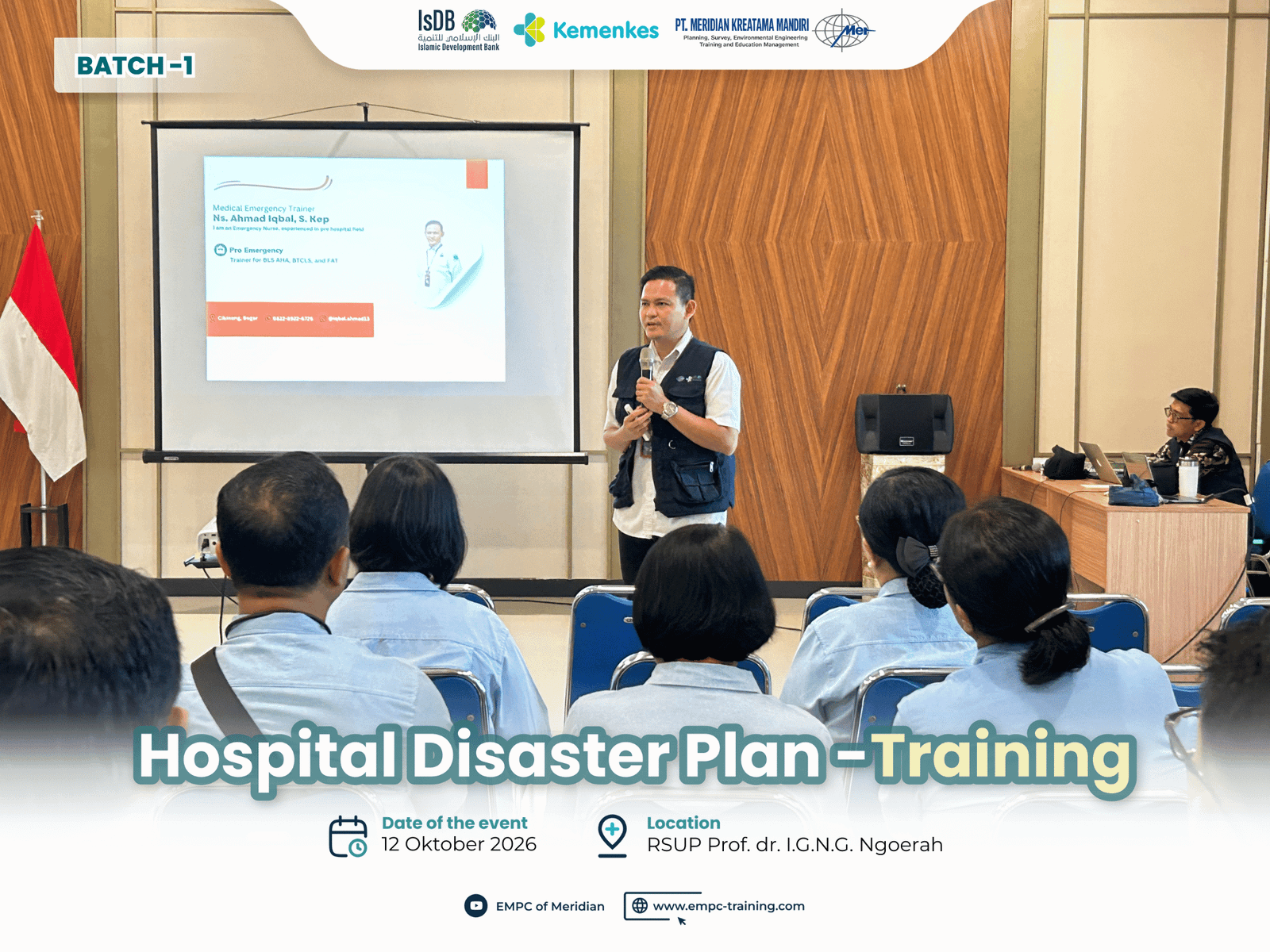
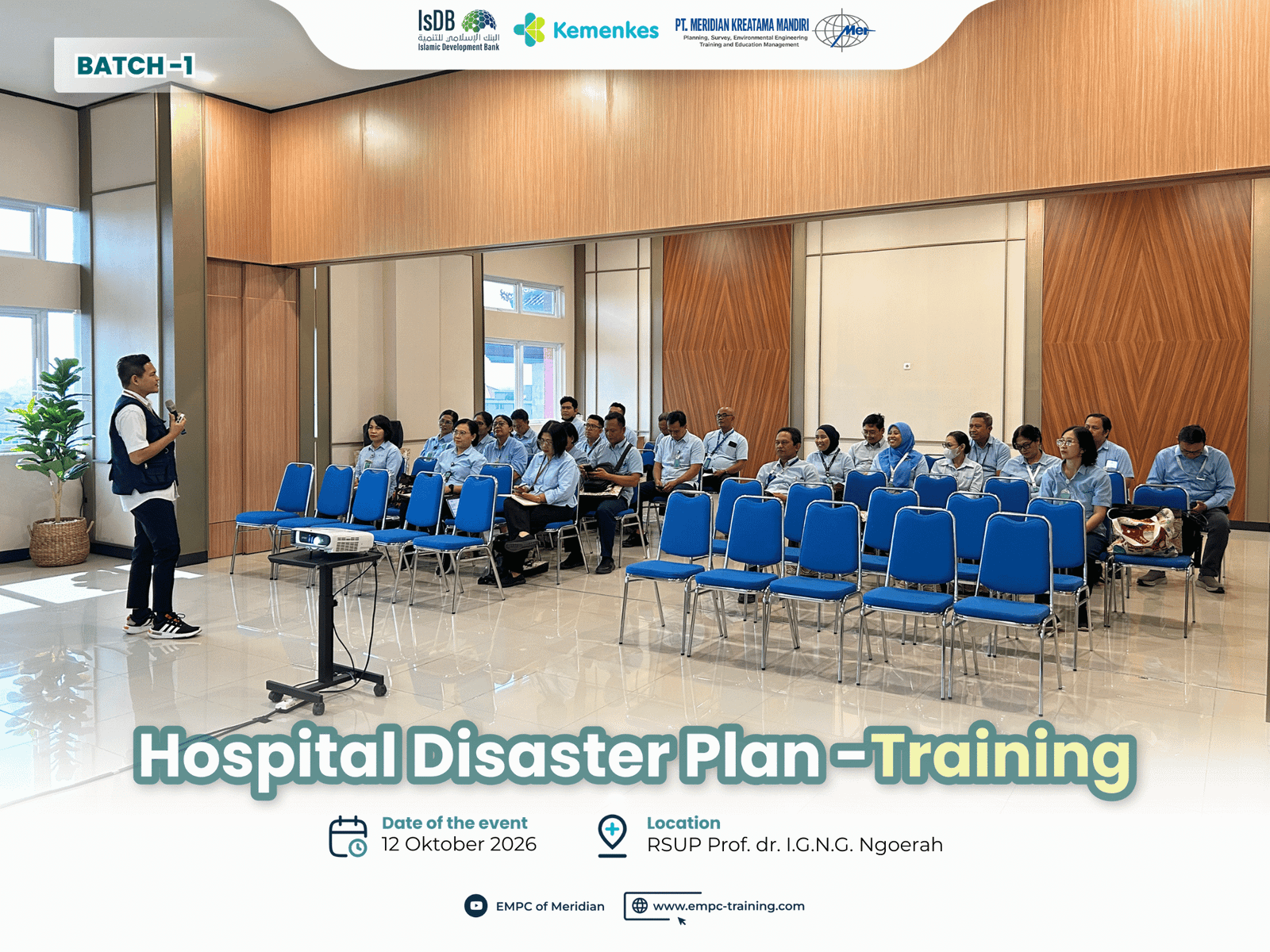
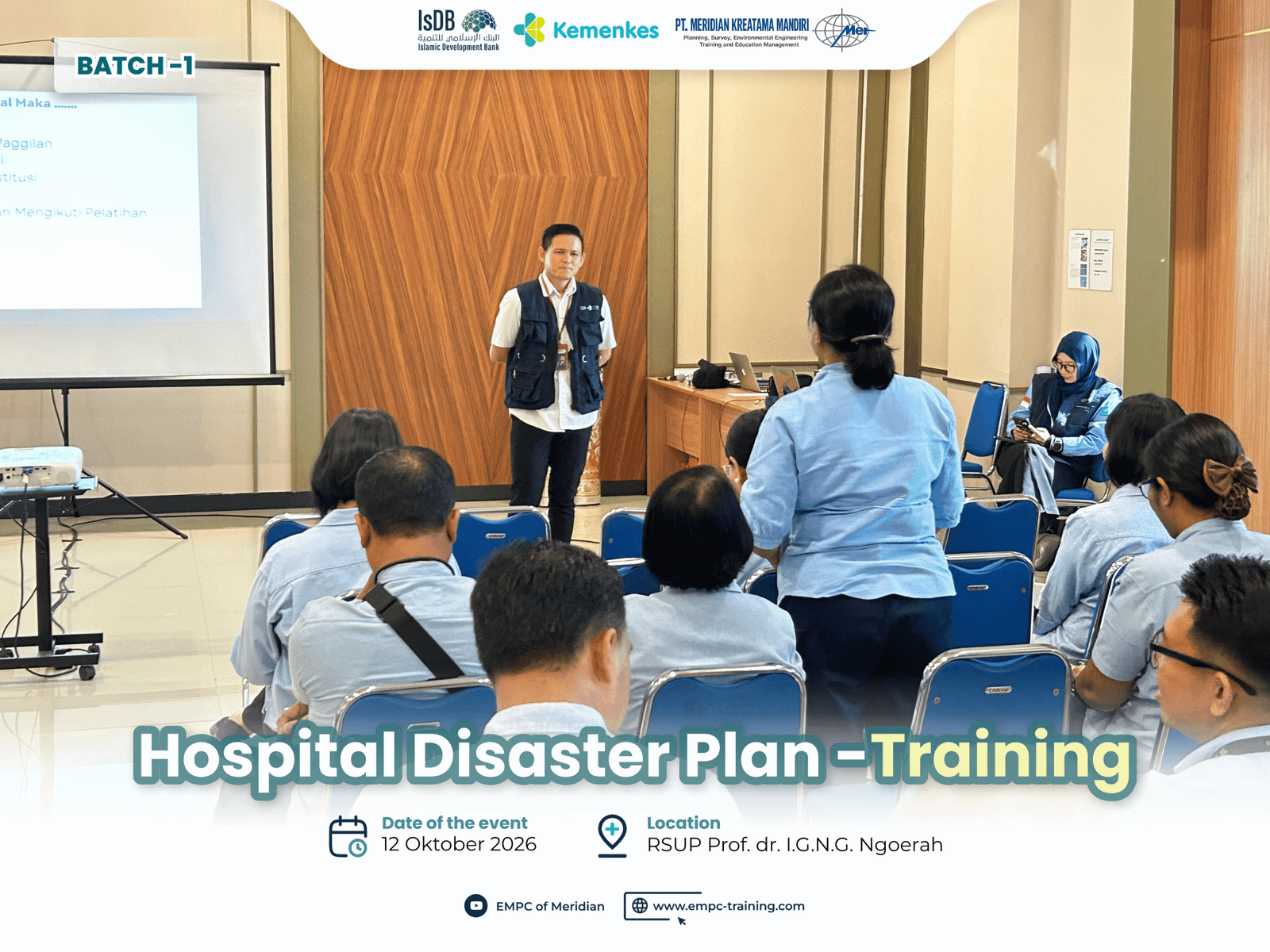
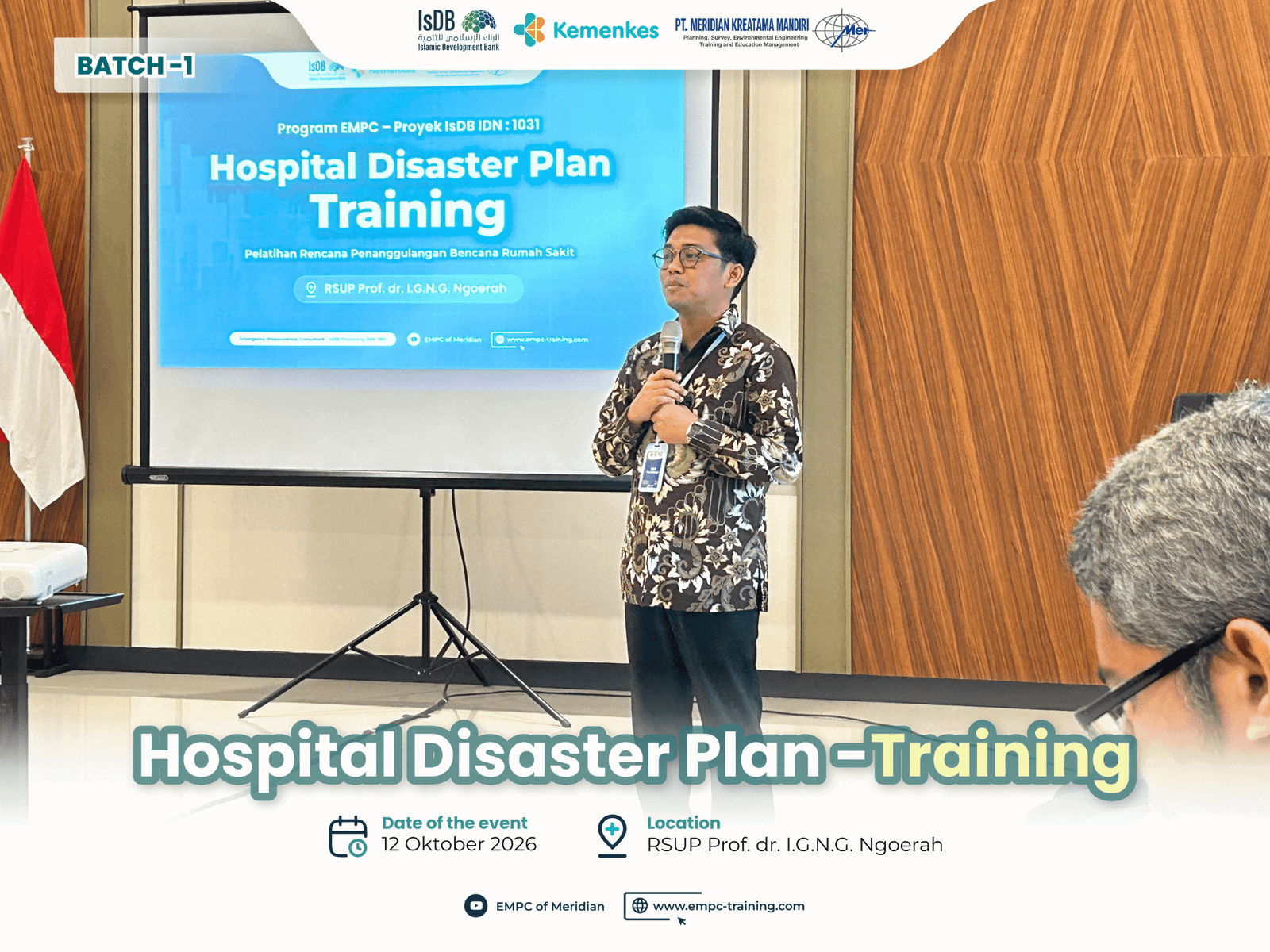
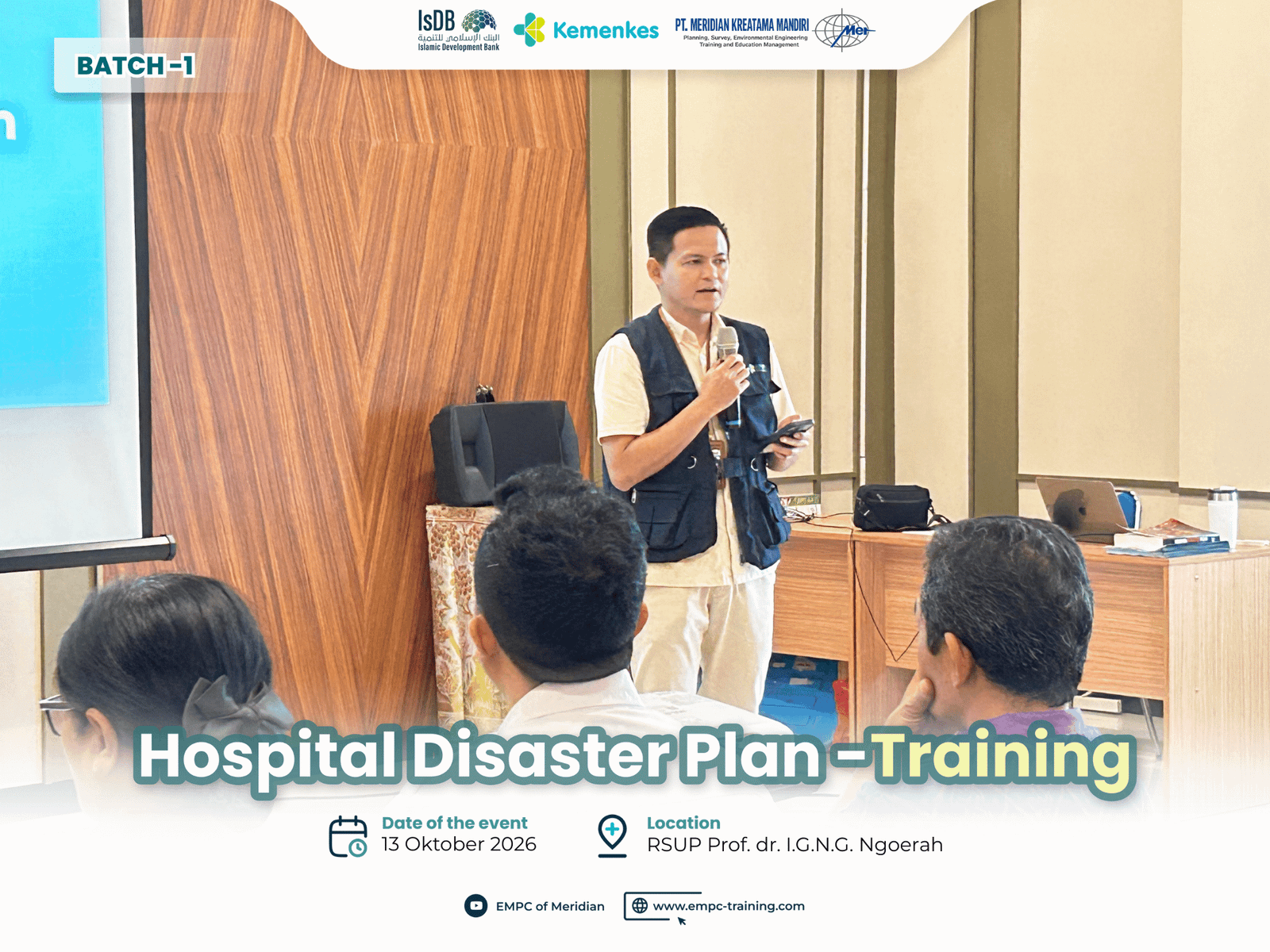
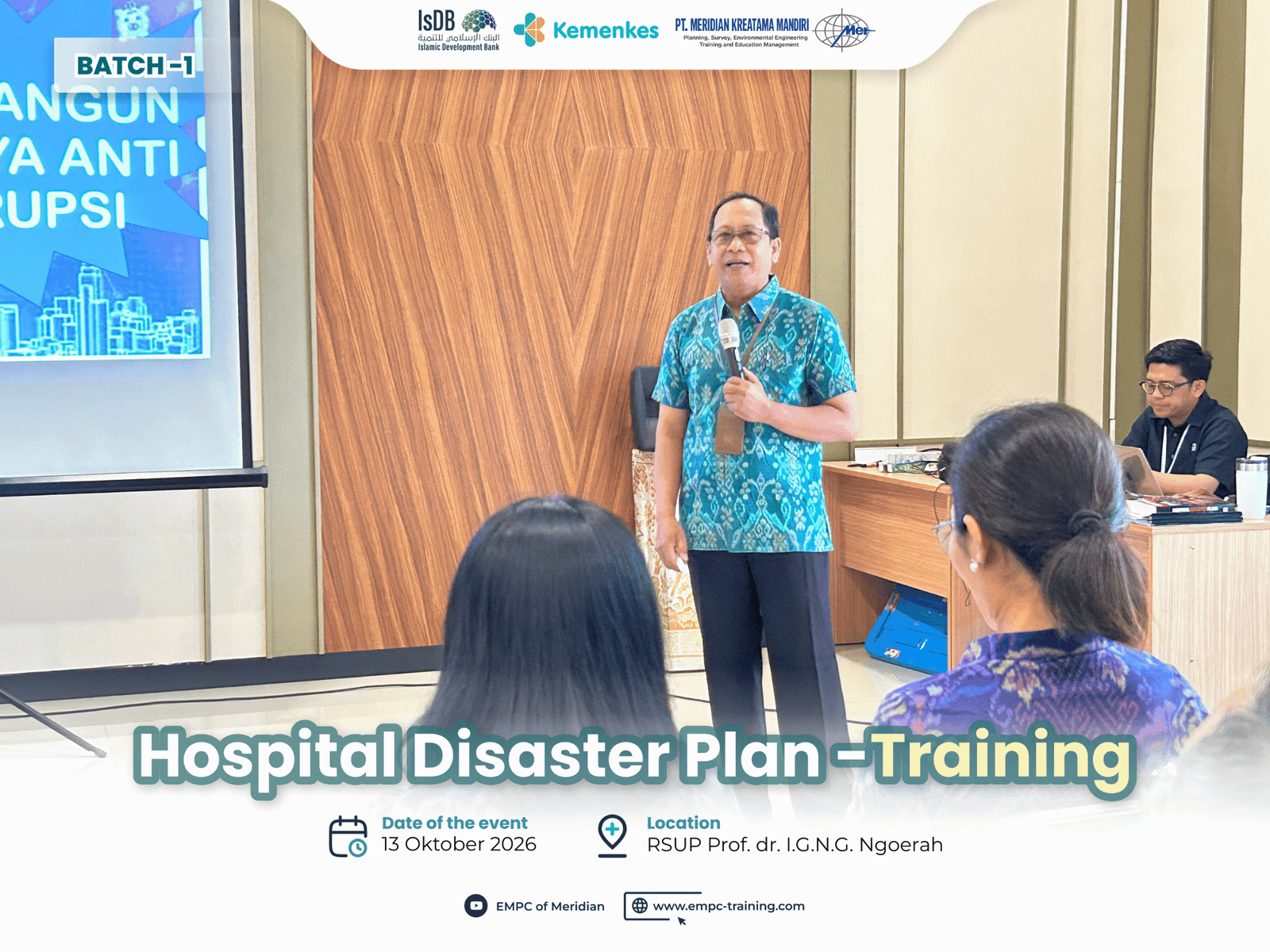
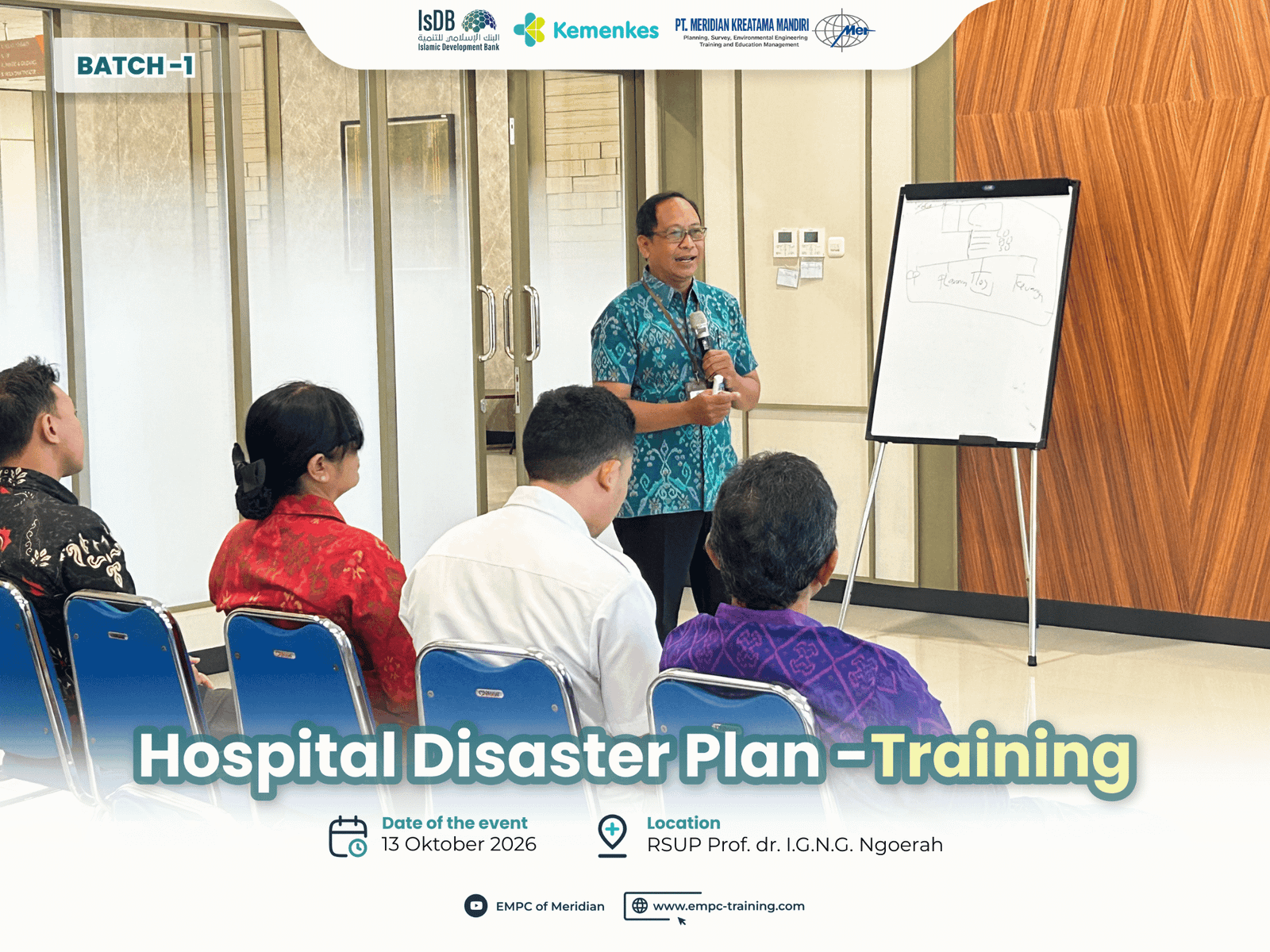
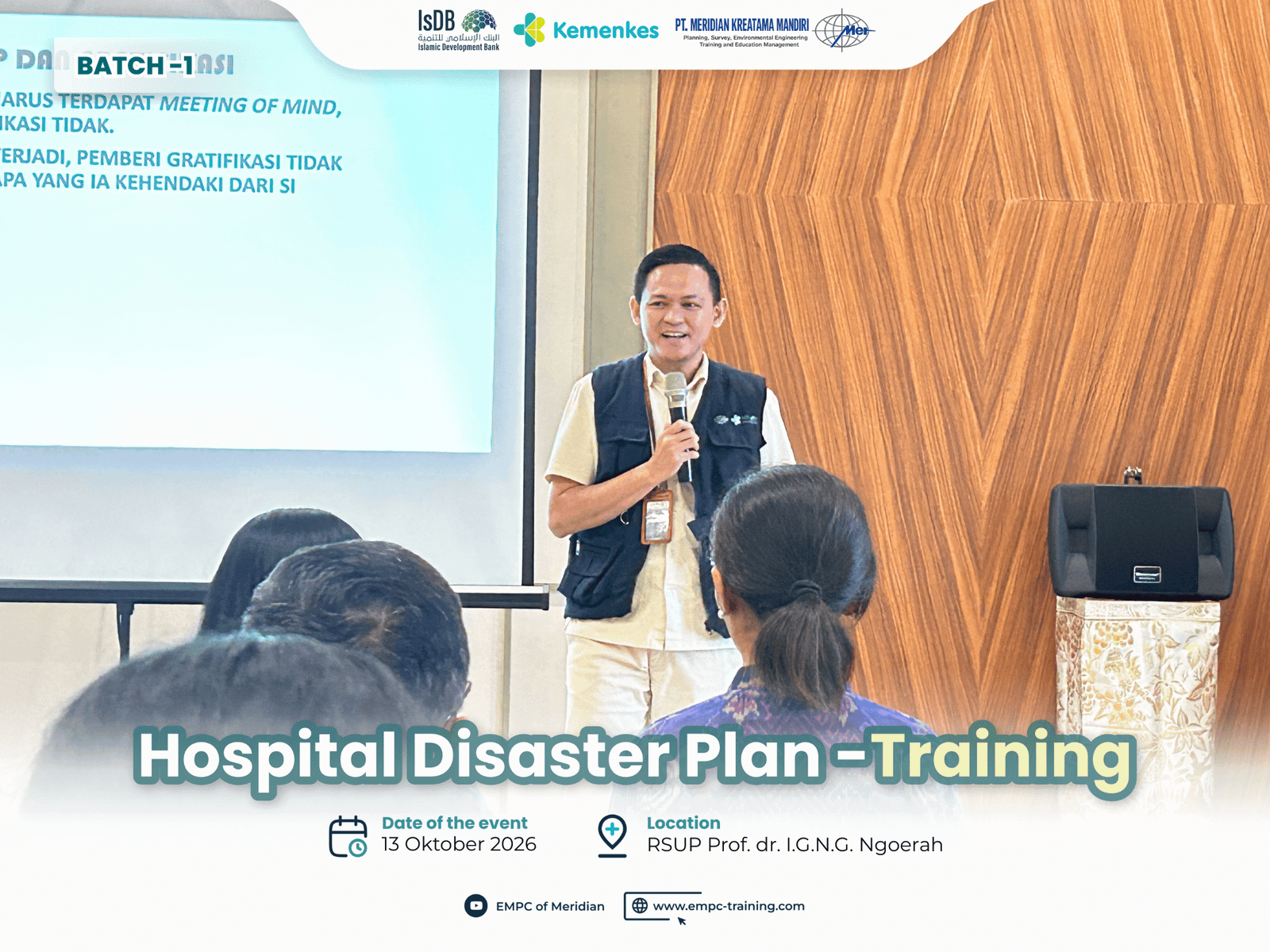
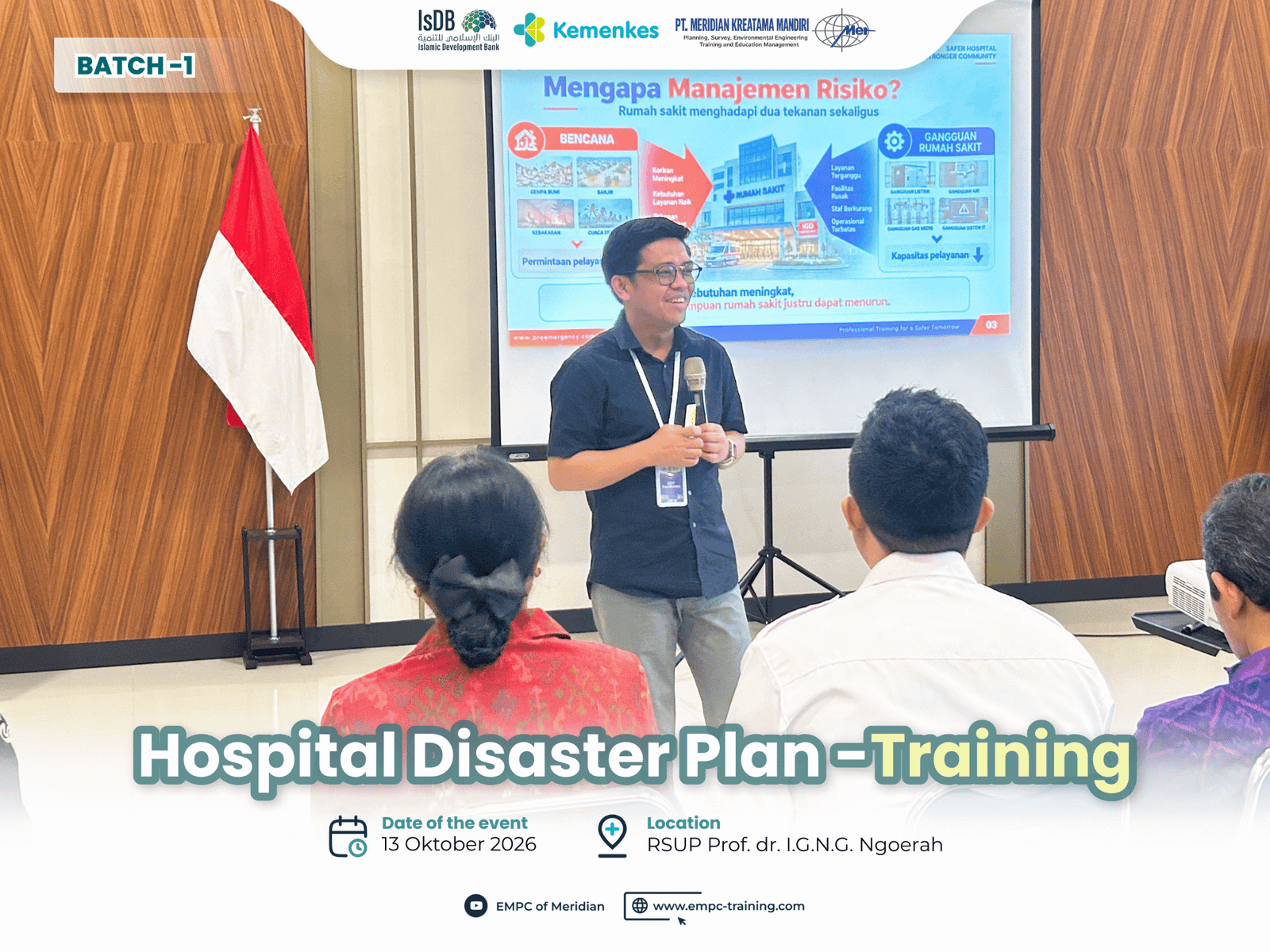
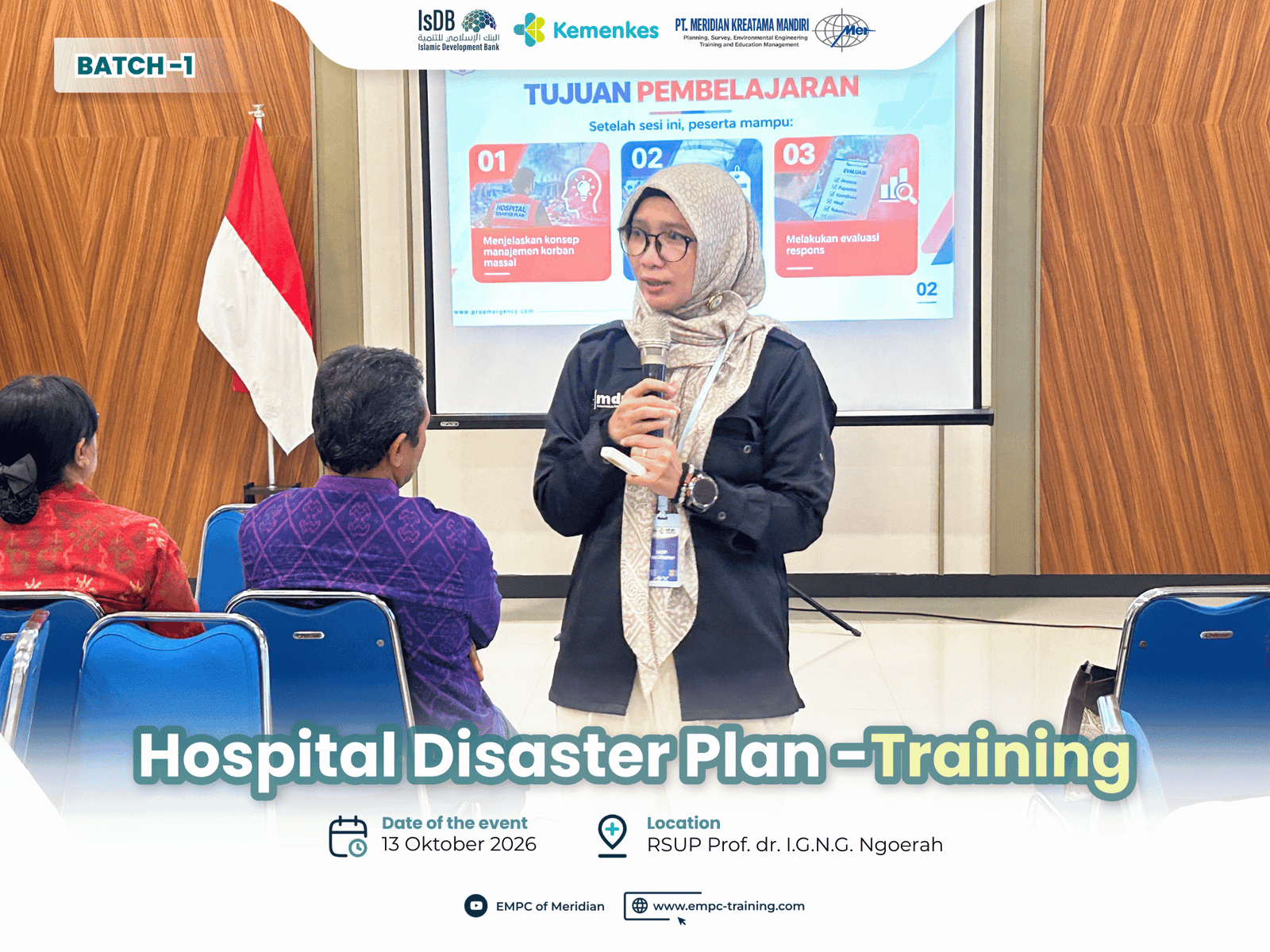
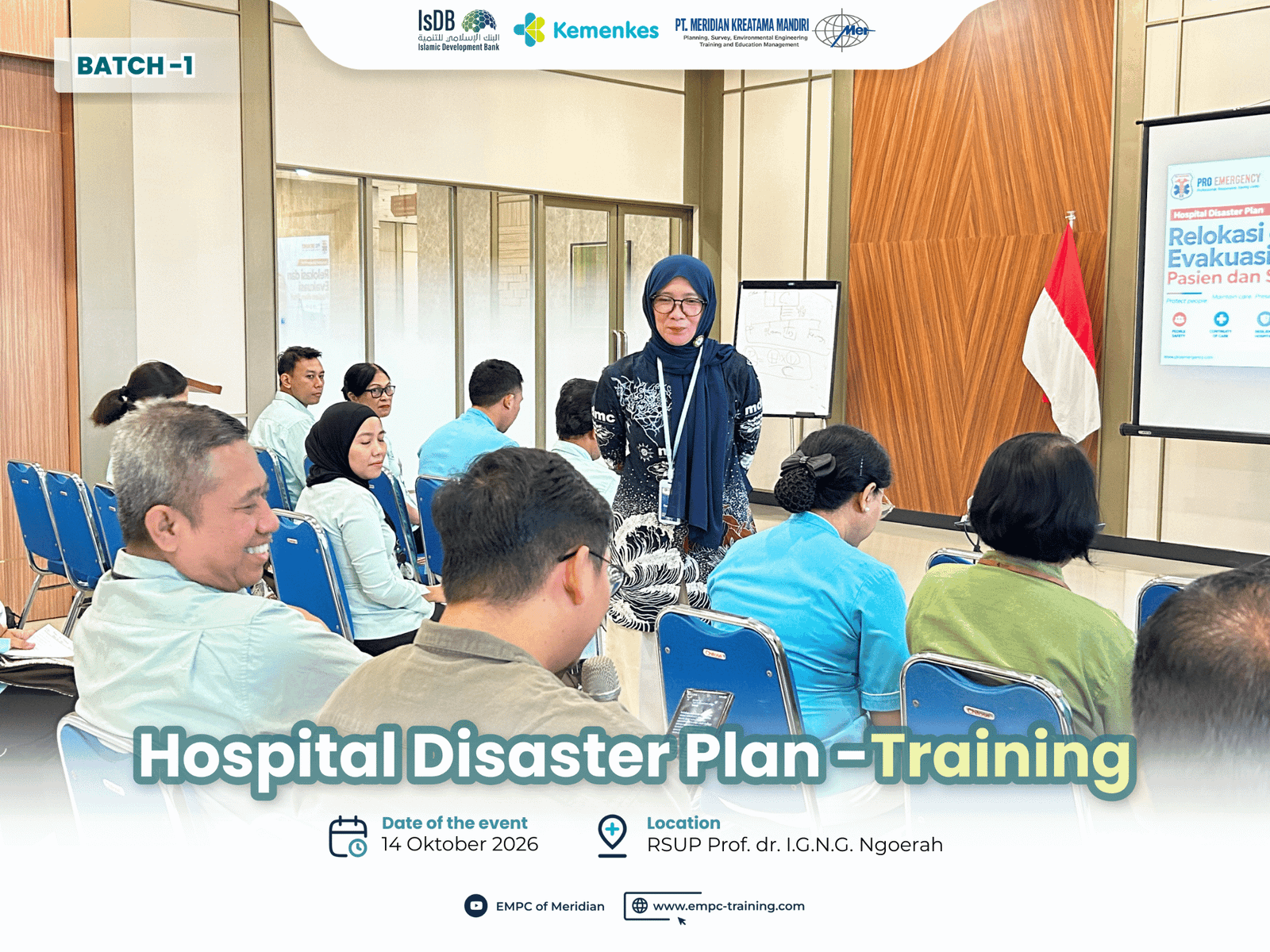
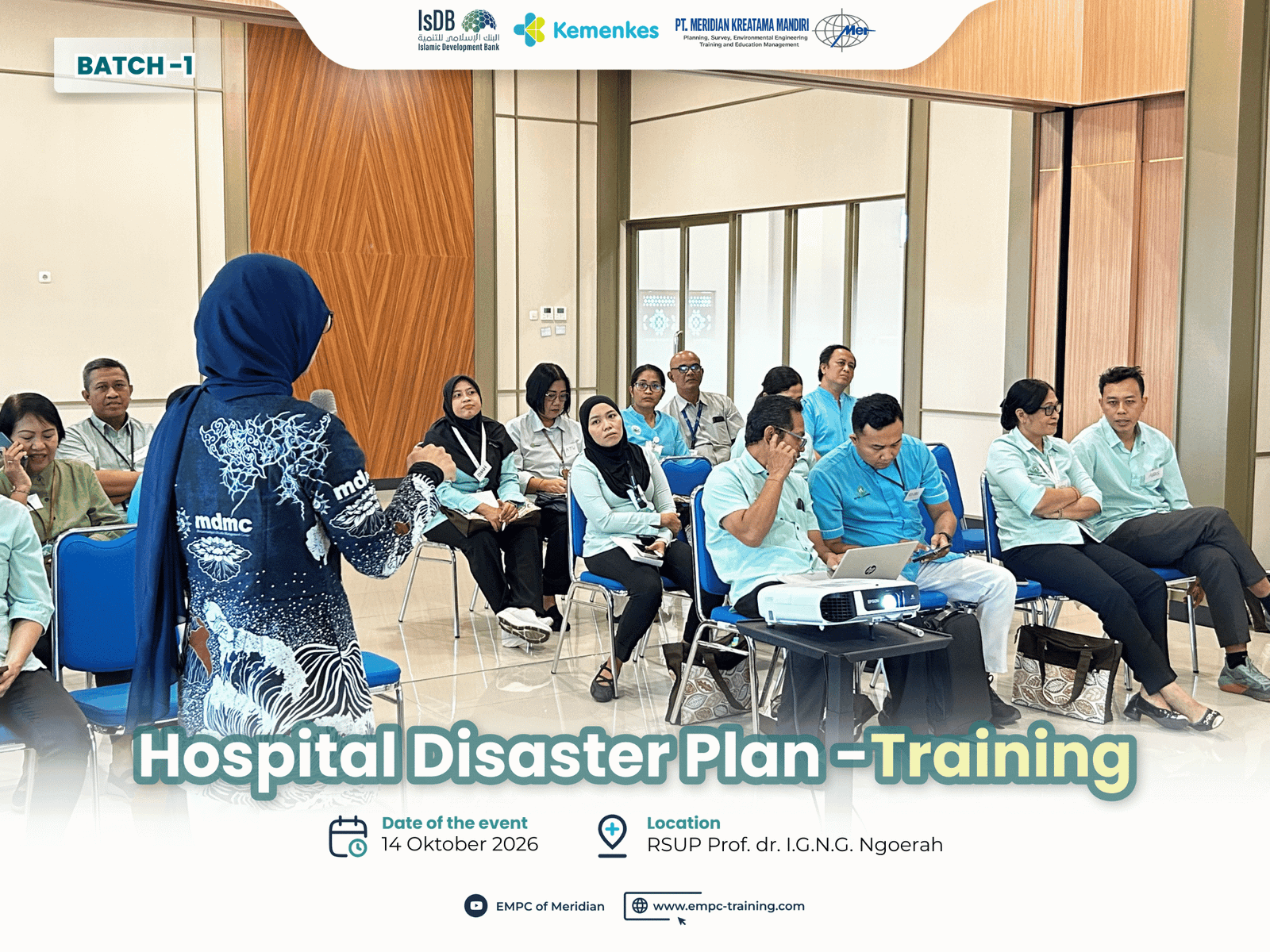
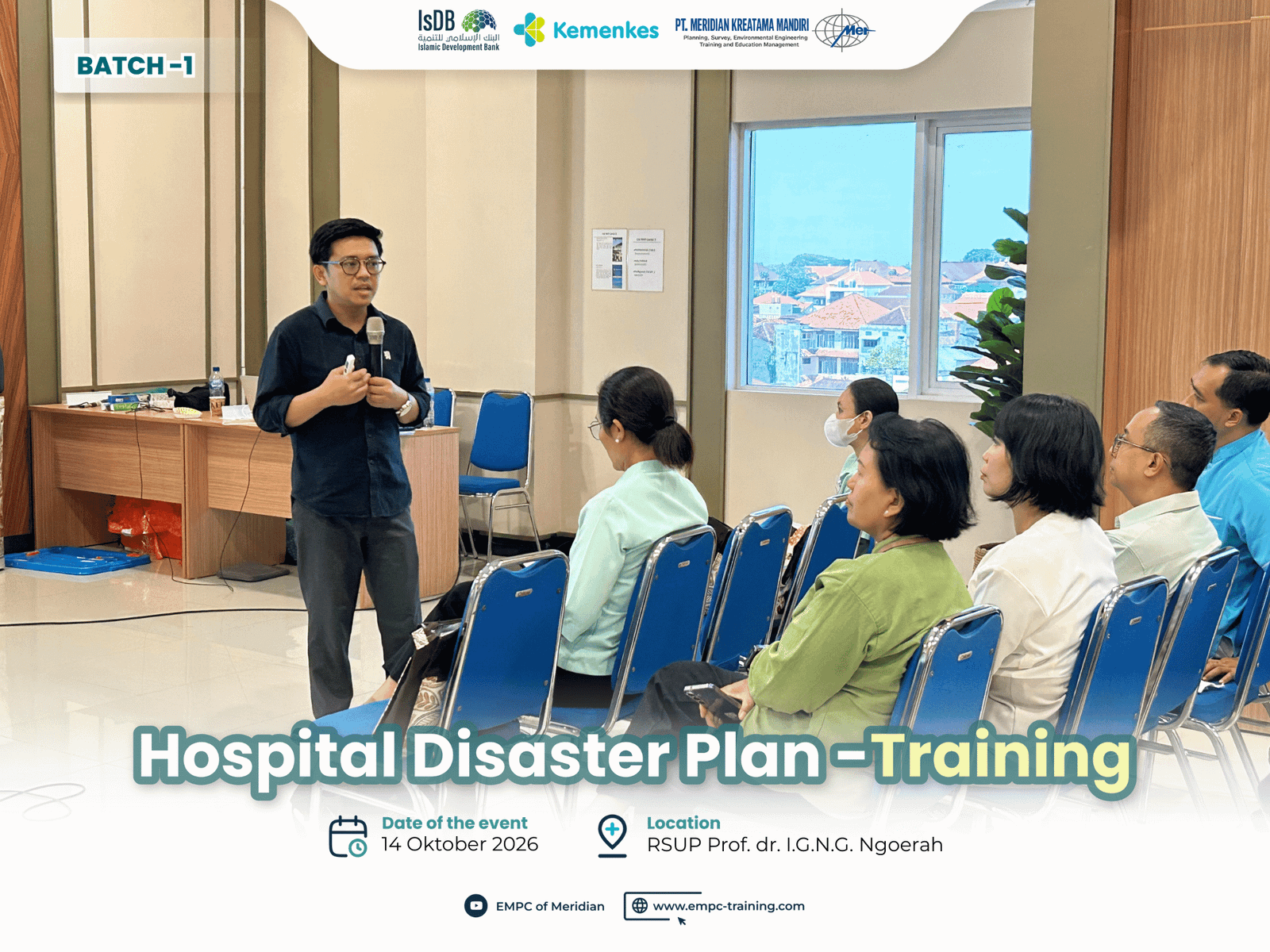
Following the interactive activities, participants received comprehensive learning materials on Hospital Disaster Plan (HDP), or Pelatihan Rencana Penanggulangan Bencana Rumah Sakit.
The sessions introduced fundamental concepts and strategies for preparing hospitals to respond effectively to disasters and emergency situations, with particular attention to maintaining essential healthcare services during unexpected events.
Key learning topics included:
Understanding the principles of hospital disaster preparedness and emergency management.
Identifying potential hazards, risks, and vulnerabilities within hospital environments.
Strengthening coordination, communication, and clearly defined roles among hospital response teams.
Understanding emergency response procedures and resource management during disaster situations.
Recognizing the importance of maintaining hospital operational continuity and patient safety throughout an emergency.
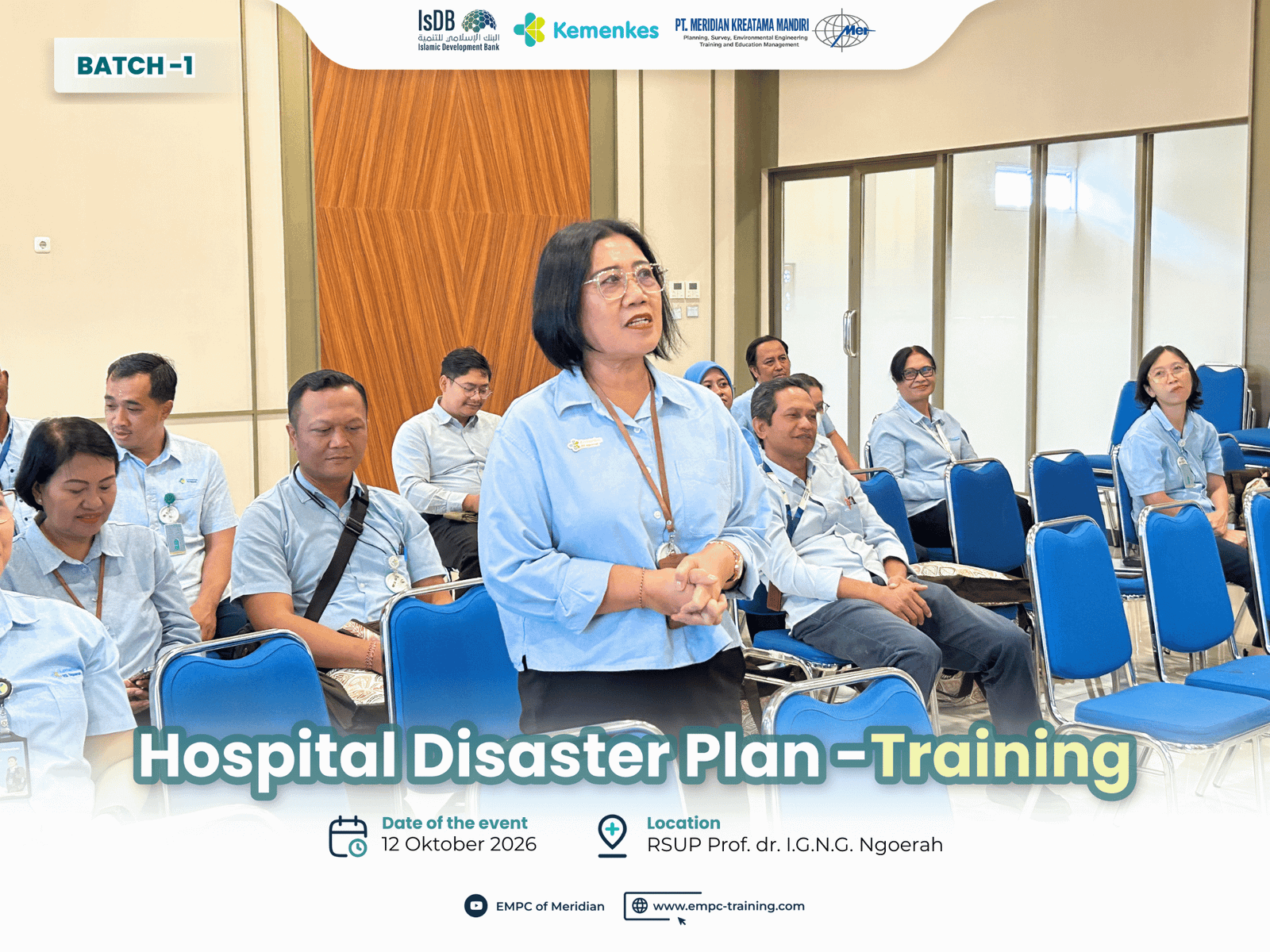
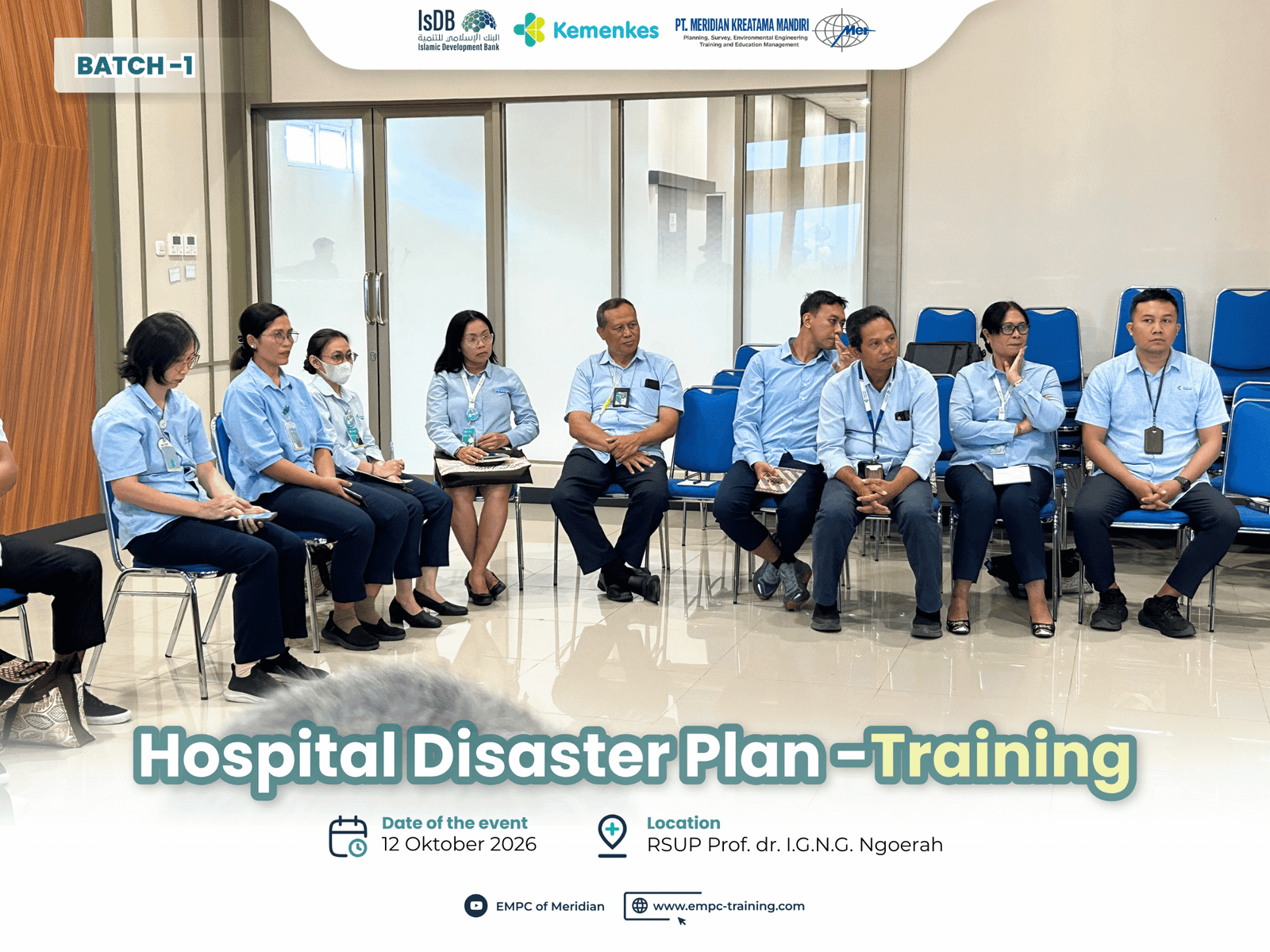
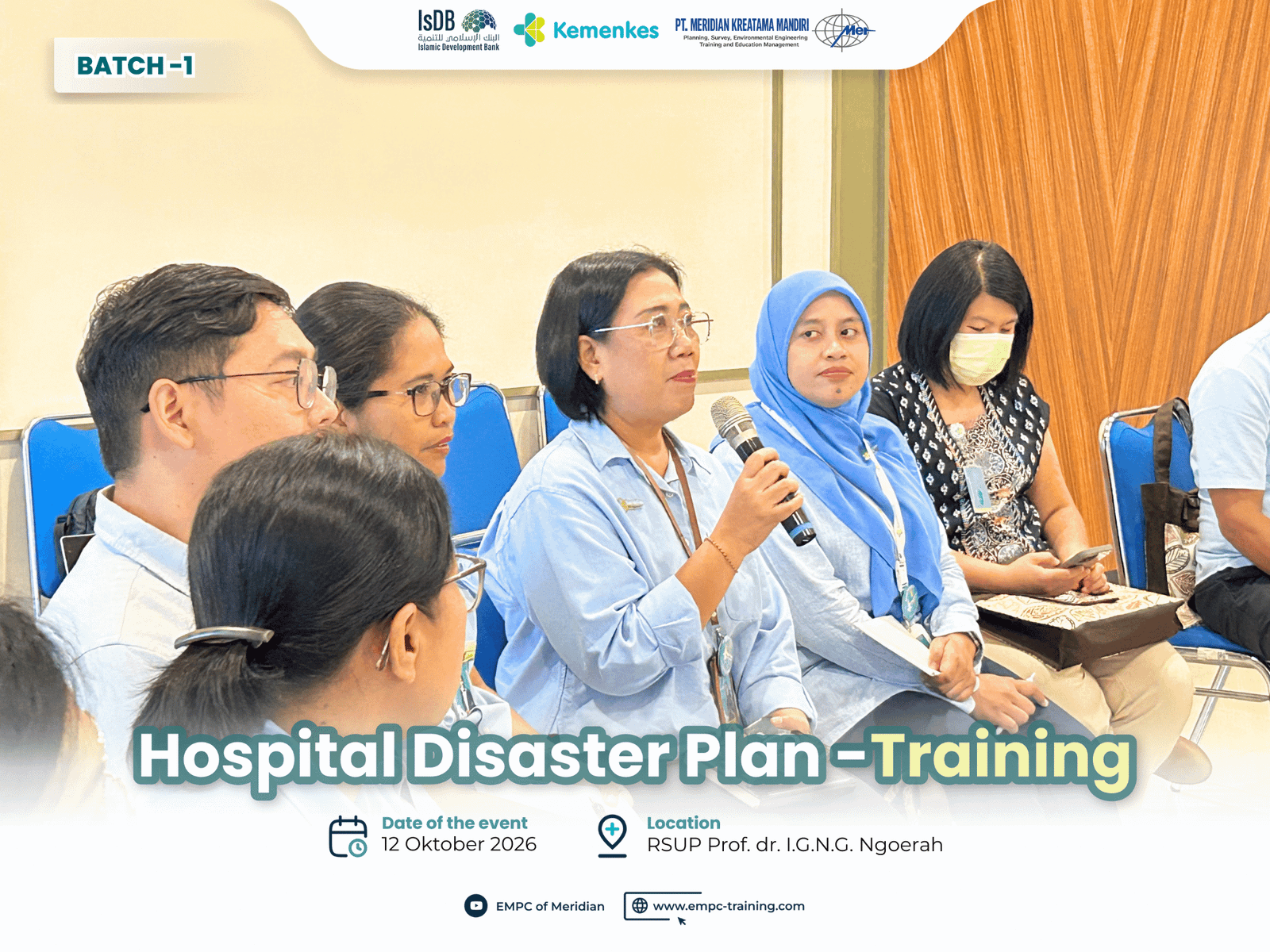
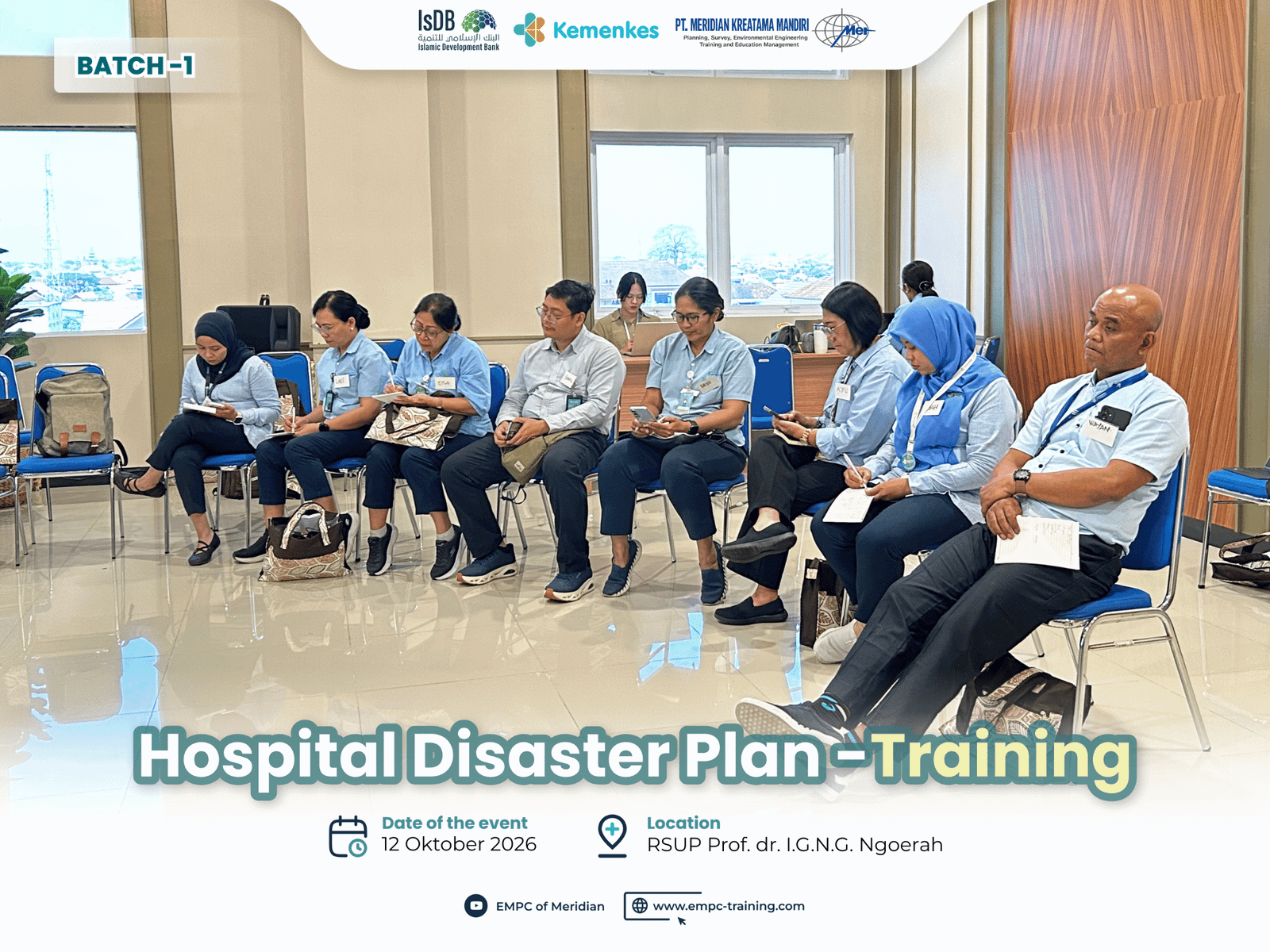
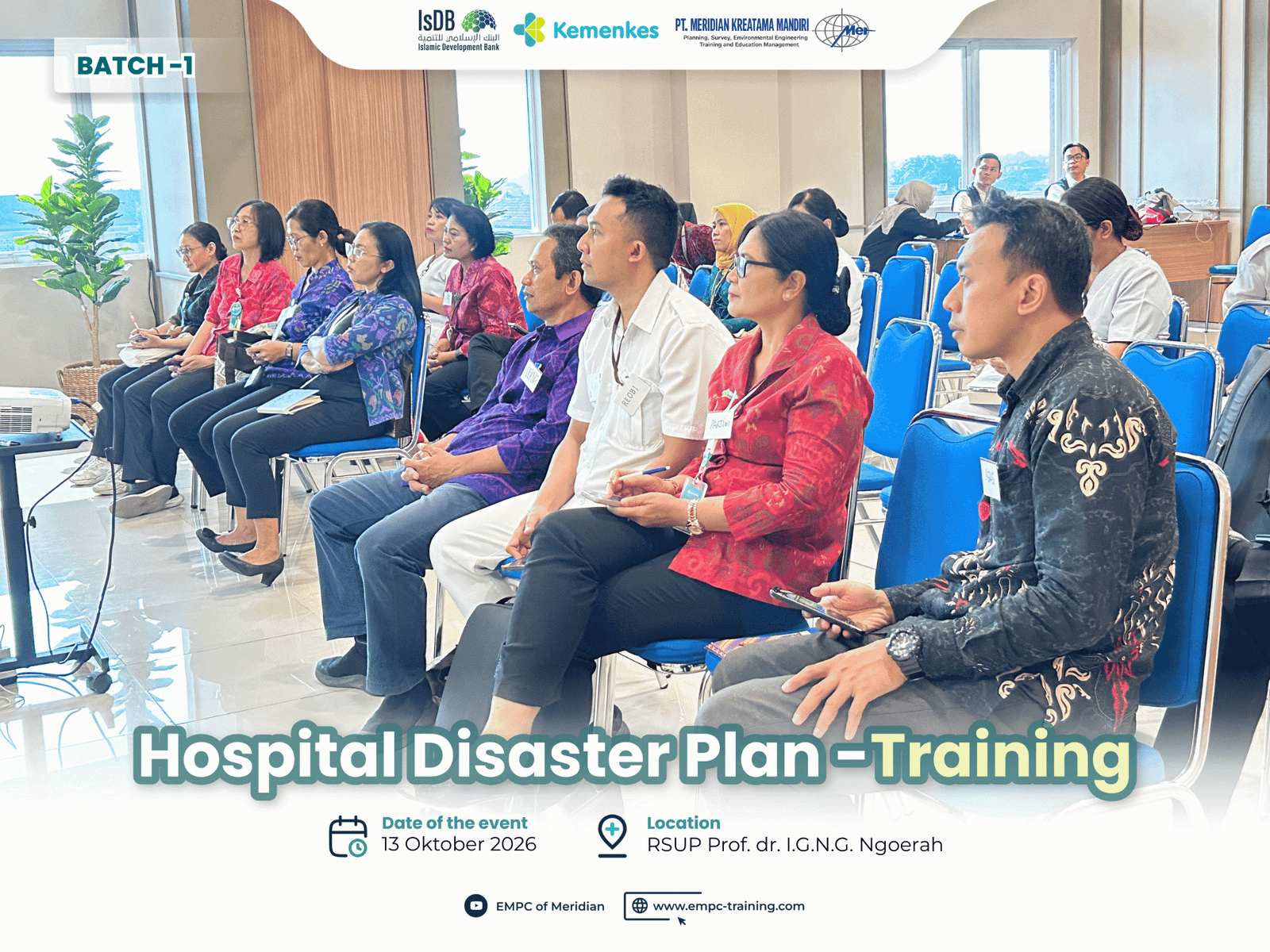
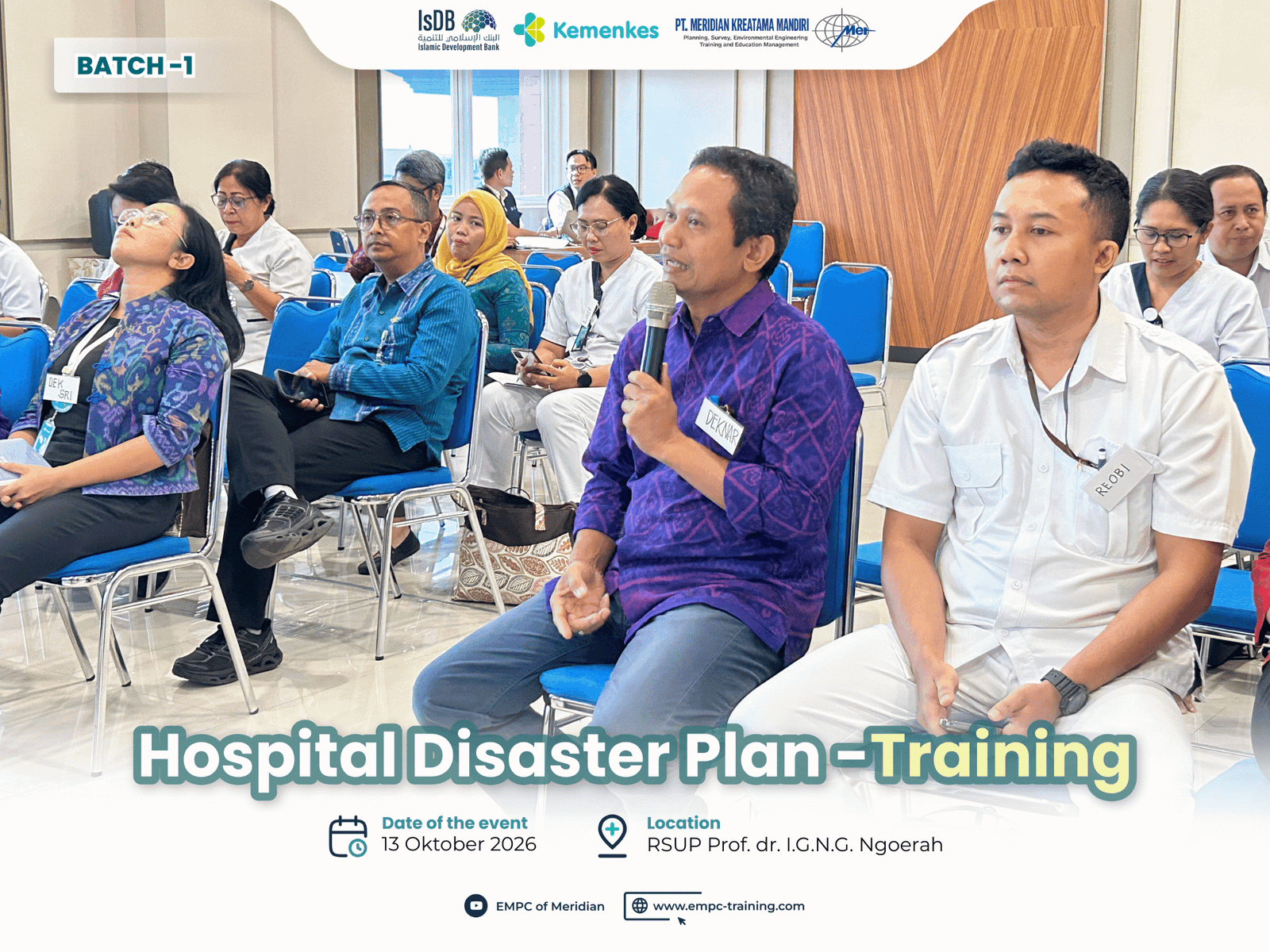
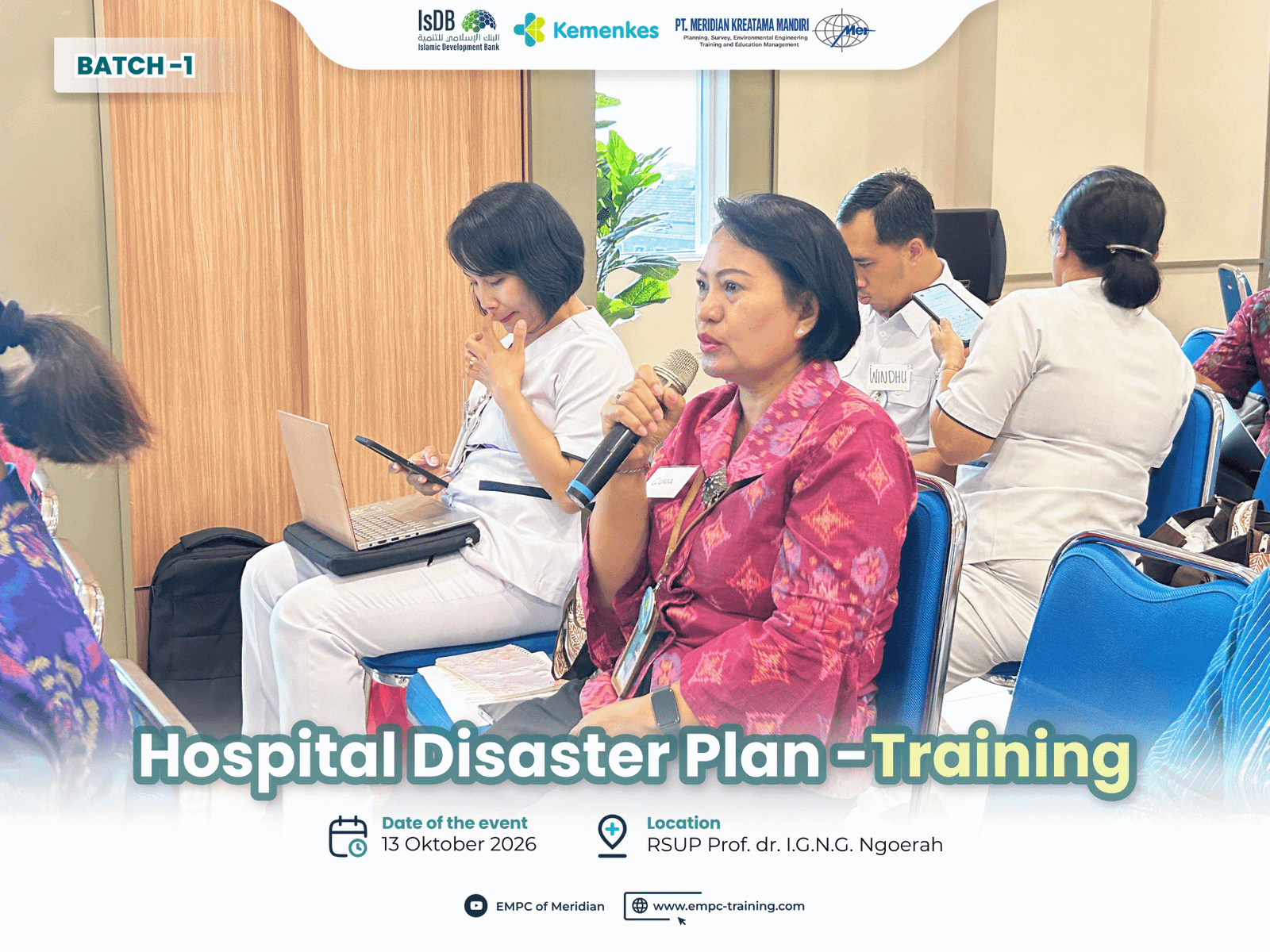
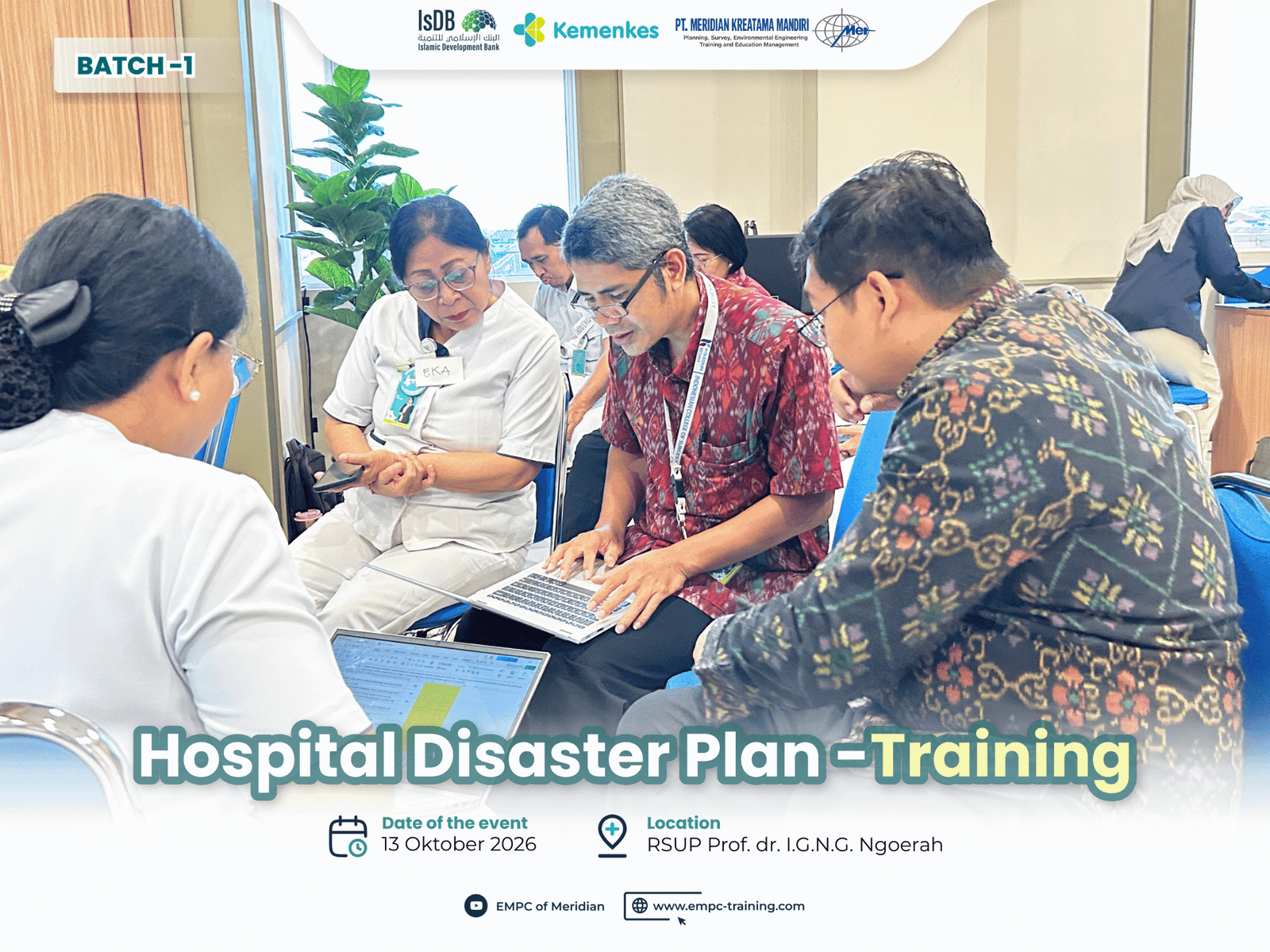
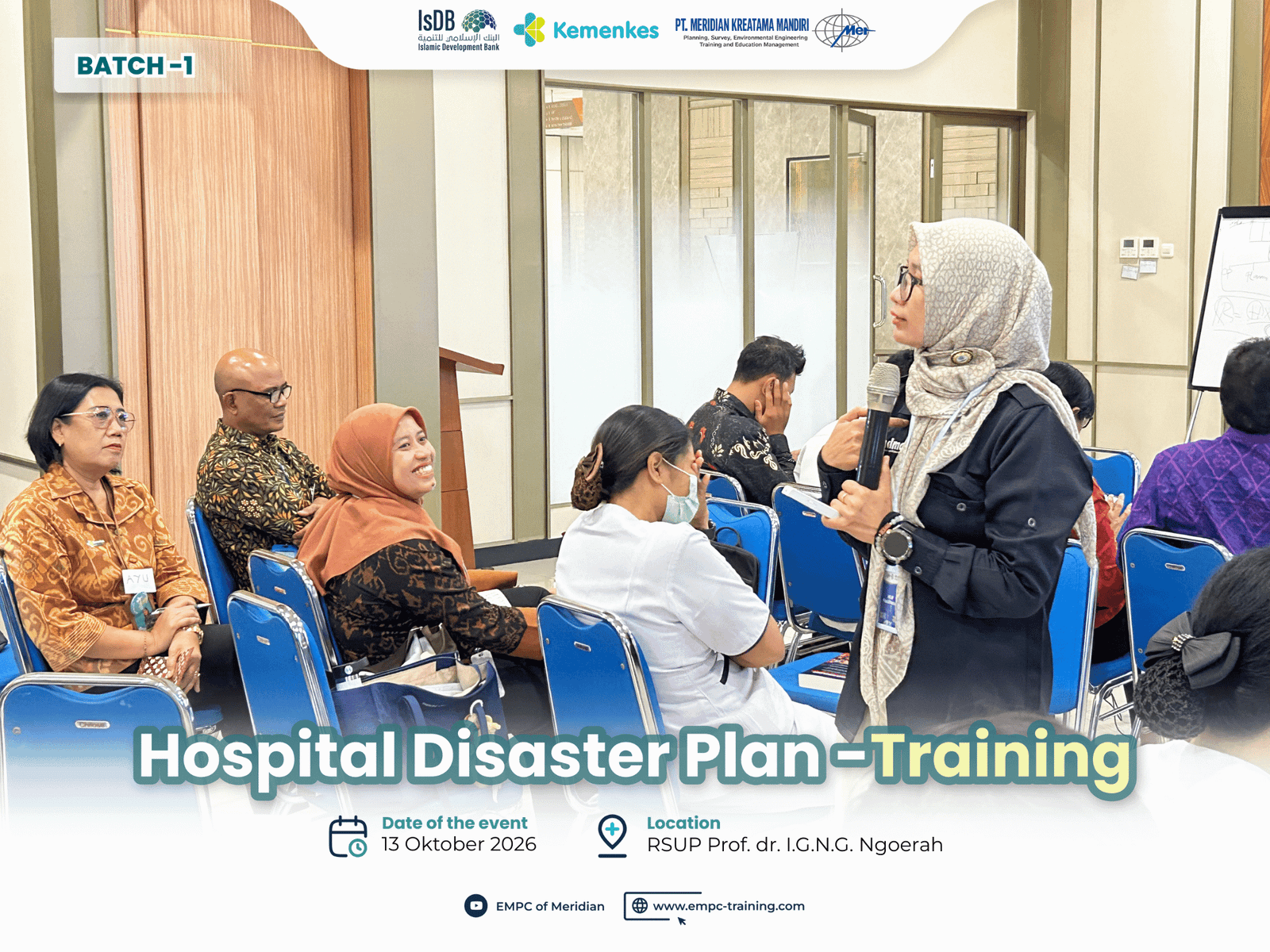
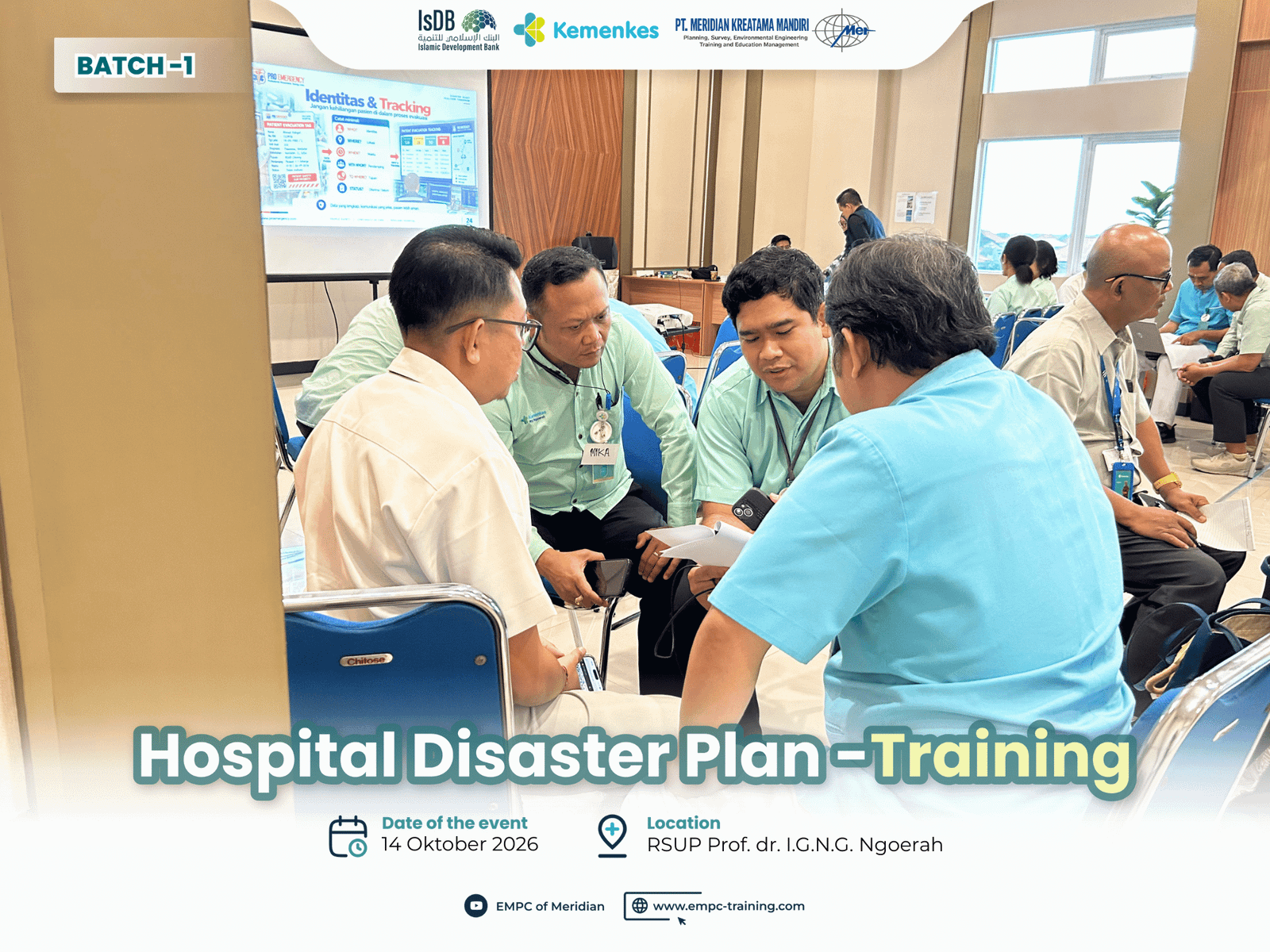
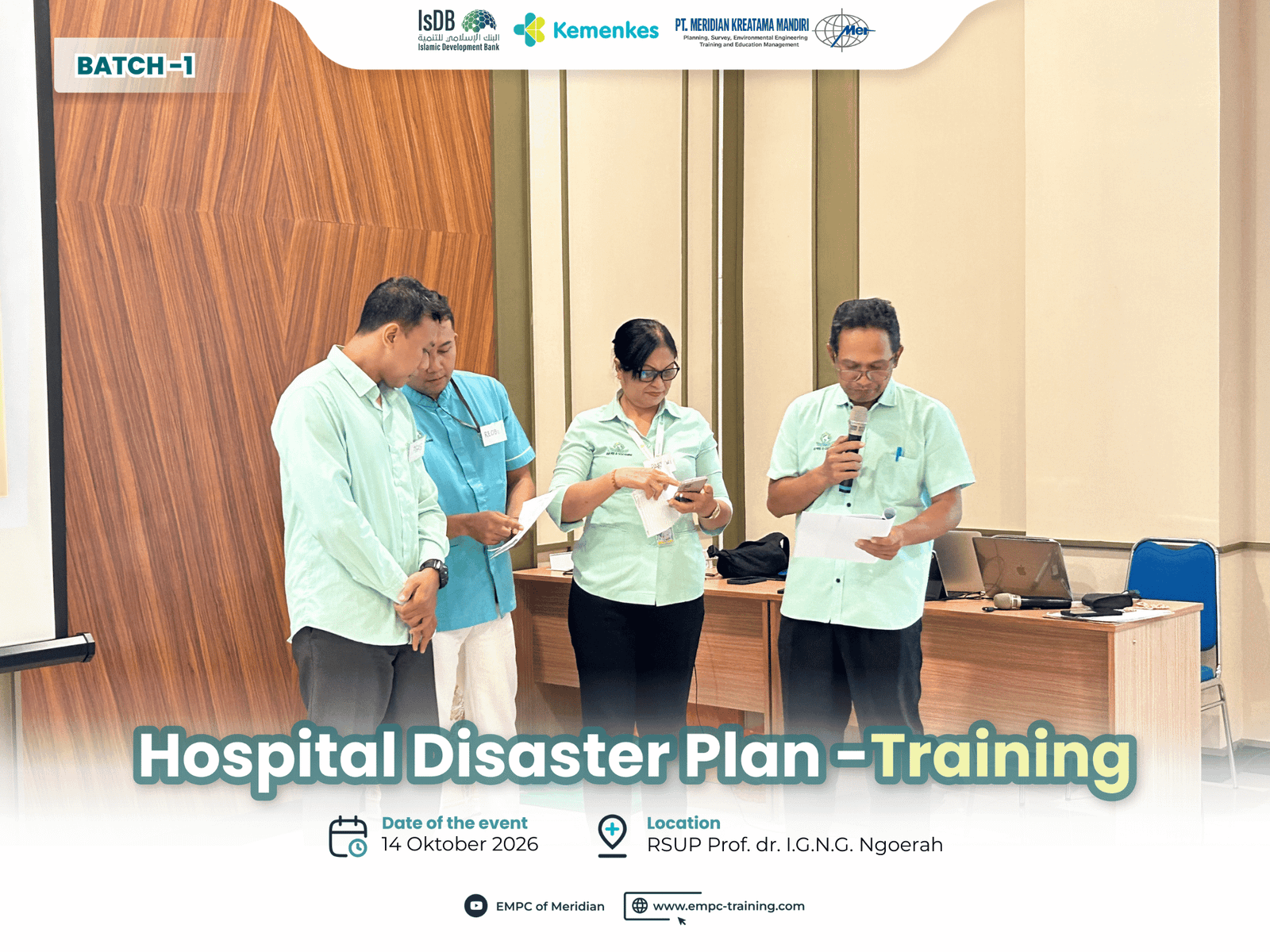
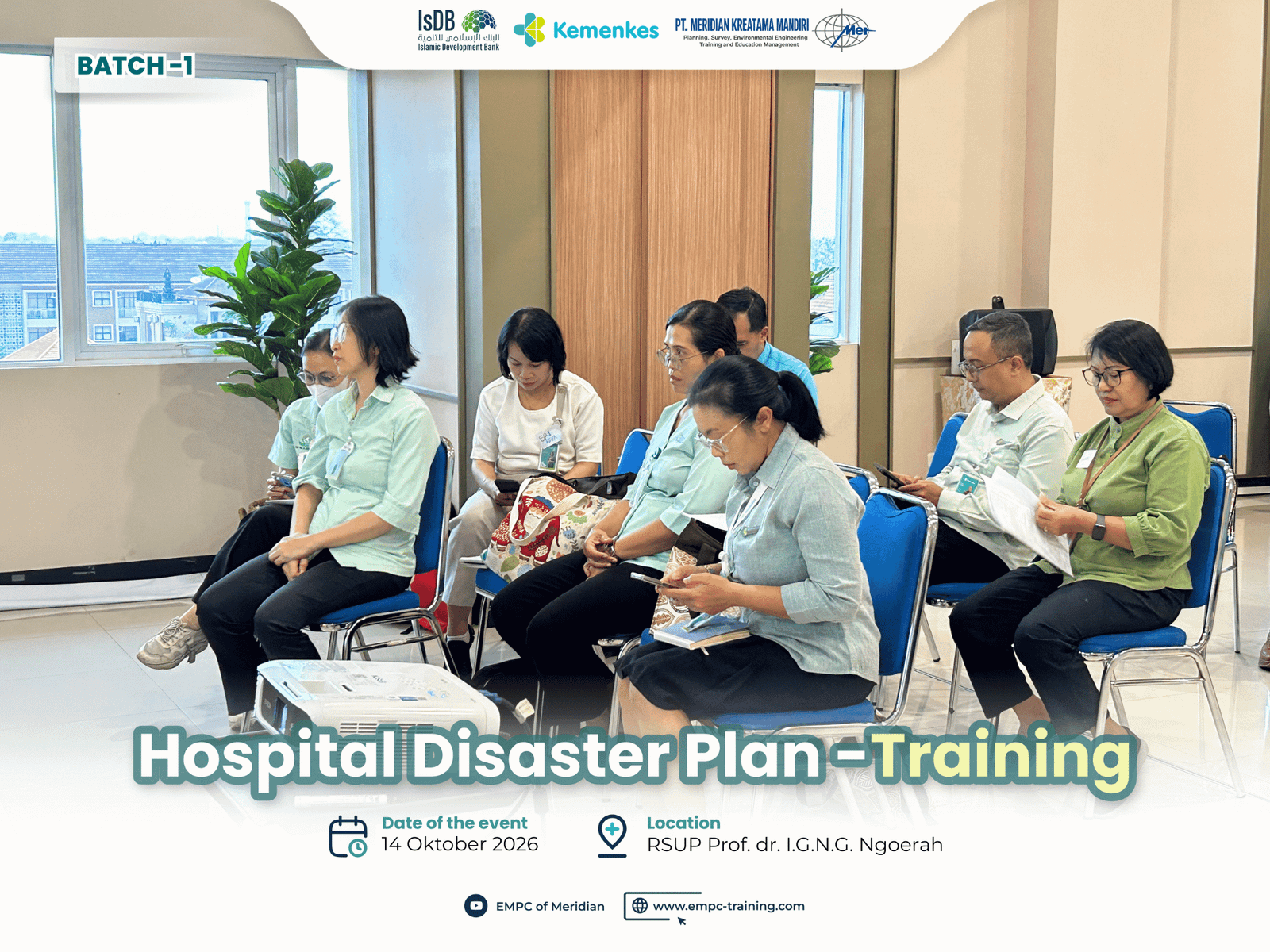
Through facilitated discussions and collaborative learning activities, participants were encouraged to connect the training materials with practical challenges that may arise in their respective working environments.
Turning Collaboration into Preparedness
Beyond theoretical knowledge, the training emphasized the importance of building a shared mindset toward disaster preparedness.
The combination of engaging activities, knowledge-sharing sessions, and group interaction created opportunities for participants to strengthen their ability to collaborate, communicate effectively, and approach emergency situations with greater confidence.
The program also reinforced the understanding that hospital disaster preparedness is a collective responsibility requiring active participation across departments and professional disciplines.
Building More Resilient Healthcare Facilities
The implementation of Hospital Disaster Plan Training – Batch 1 marks an important step toward strengthening institutional readiness and fostering a culture of preparedness at RSUP Prof. Dr. I.G.N.G. Ngoerah.
Through this initiative, EMPC – PT Meridian Kreatama Mandiri, together with its project partners and participating healthcare institutions, continues to support capacity-building efforts aimed at enhancing hospital resilience and emergency response capabilities in Indonesia.
By integrating technical knowledge with teamwork and collaborative learning, the training contributes to a broader commitment to developing healthcare facilities that are better prepared, more responsive, and capable of maintaining essential services when disasters occur.
Because effective disaster preparedness begins with a well-prepared team, a shared understanding, and the ability to act together when it matters most.
12-14 October 2026