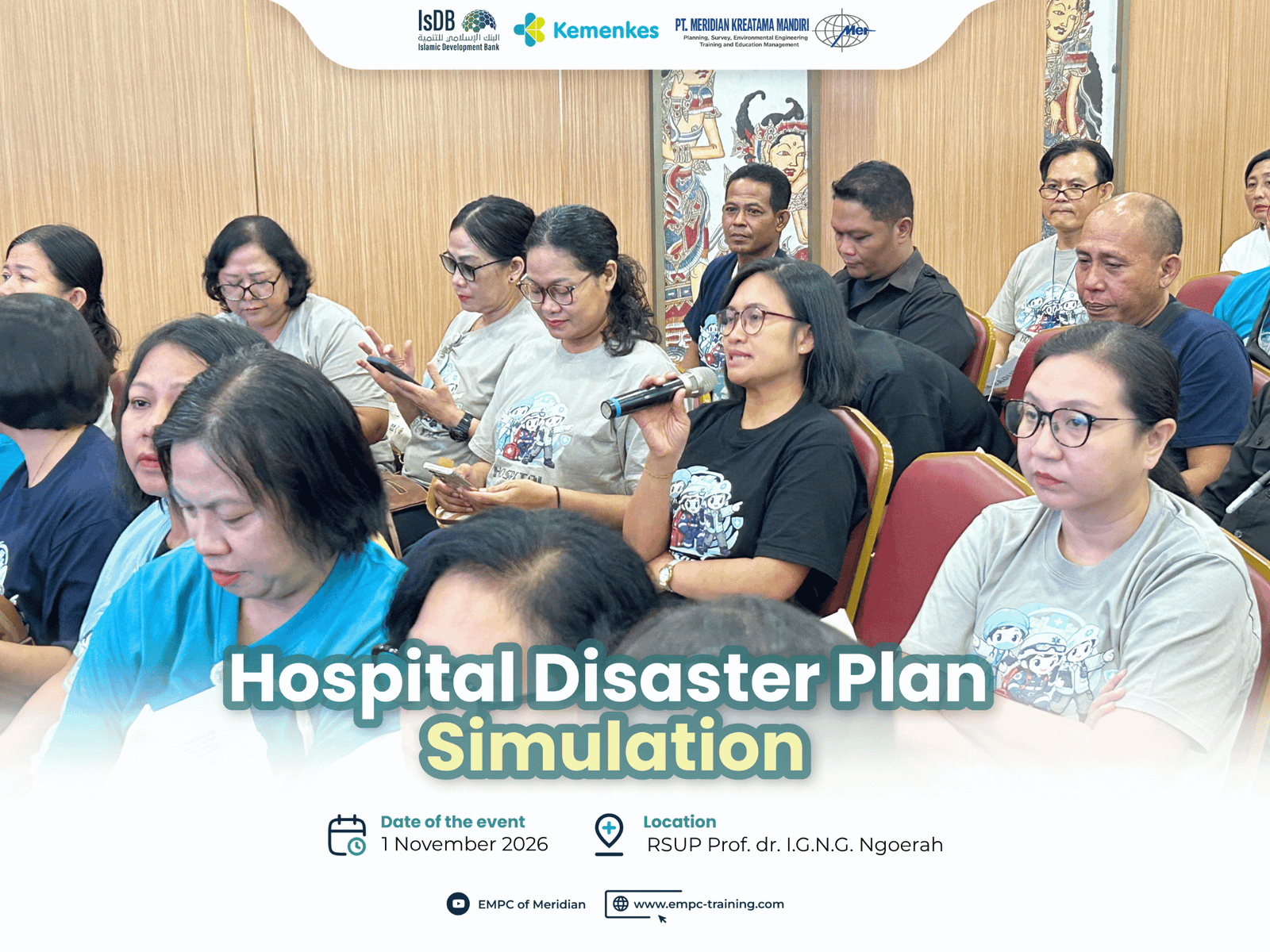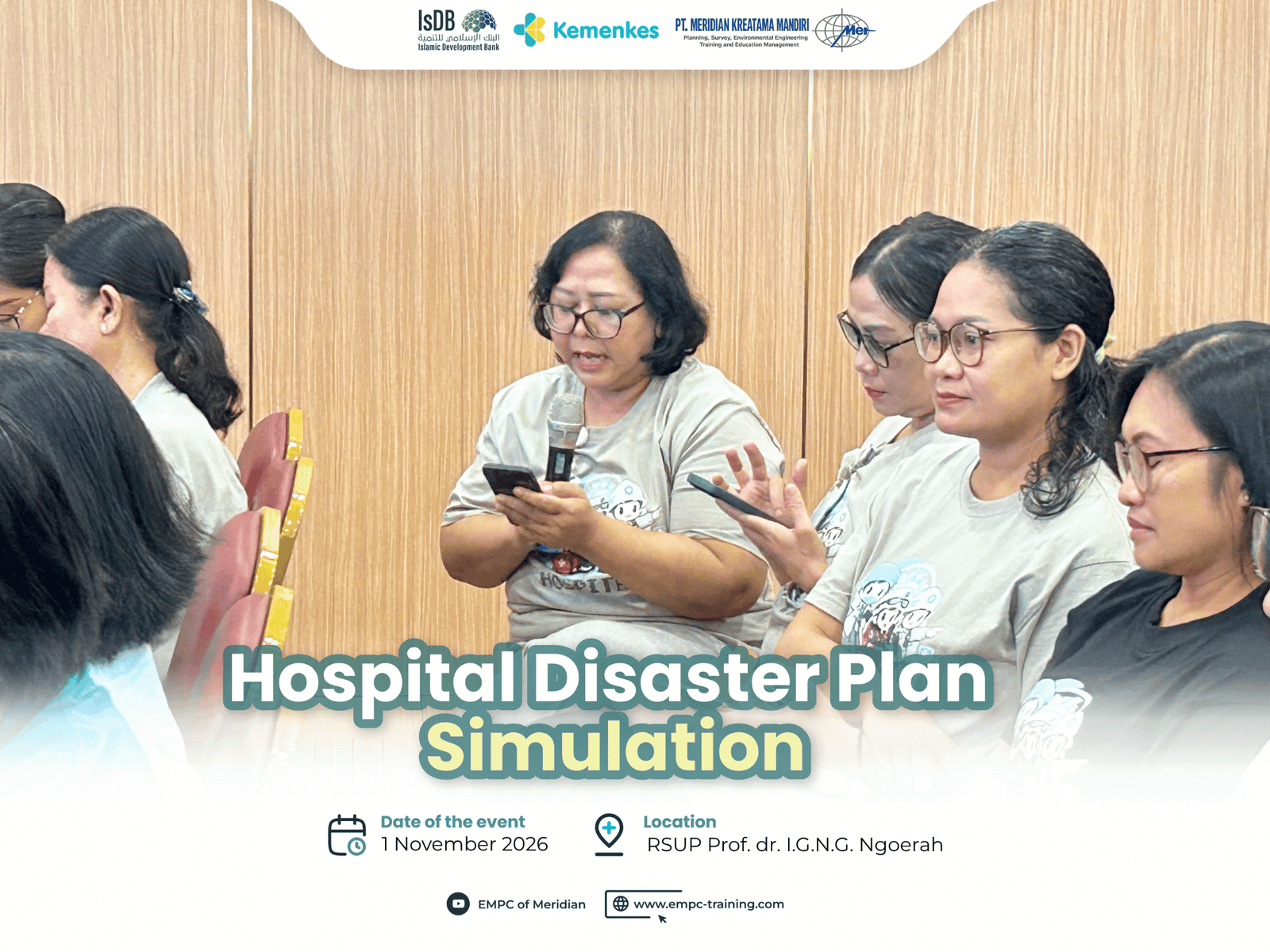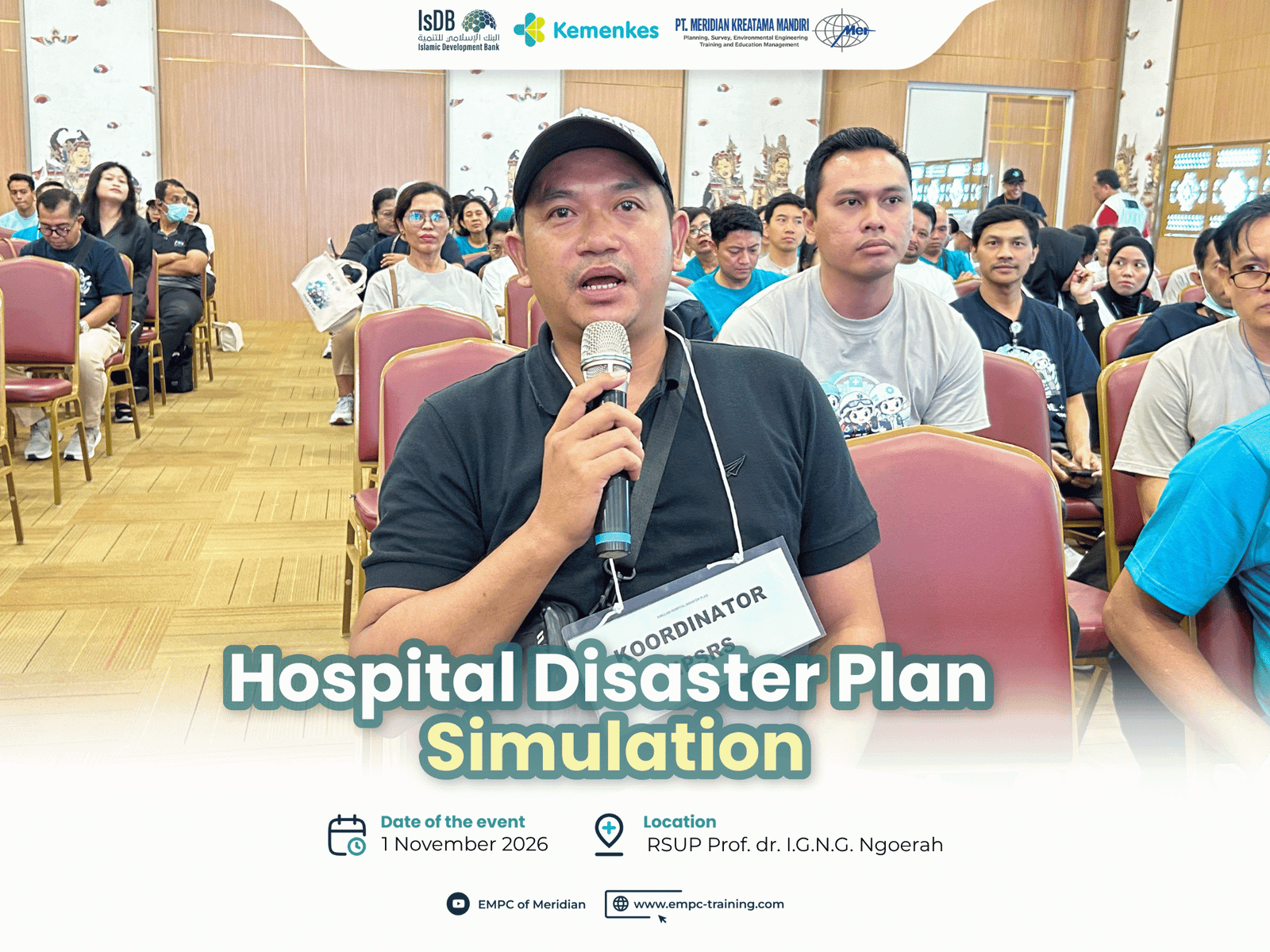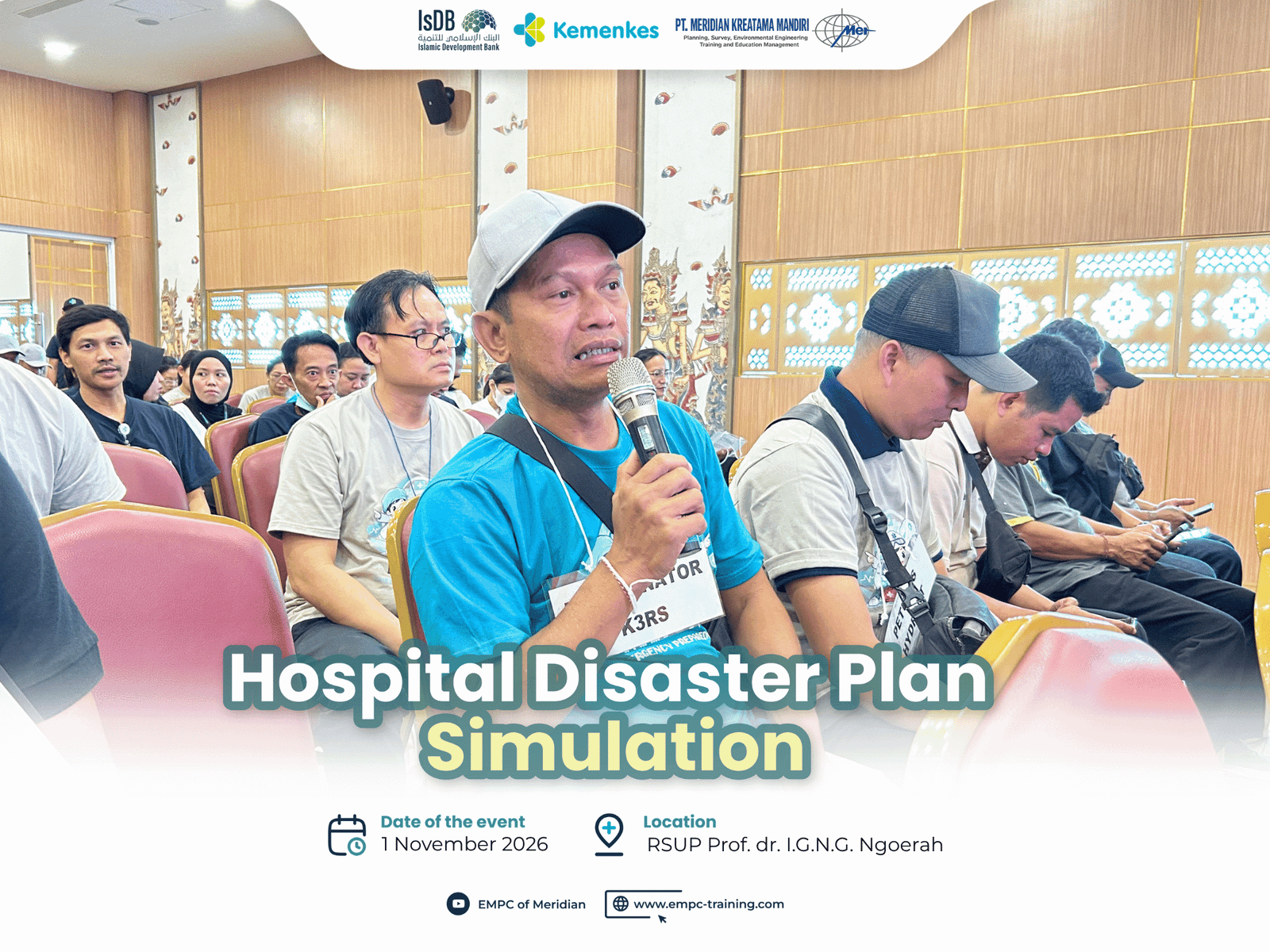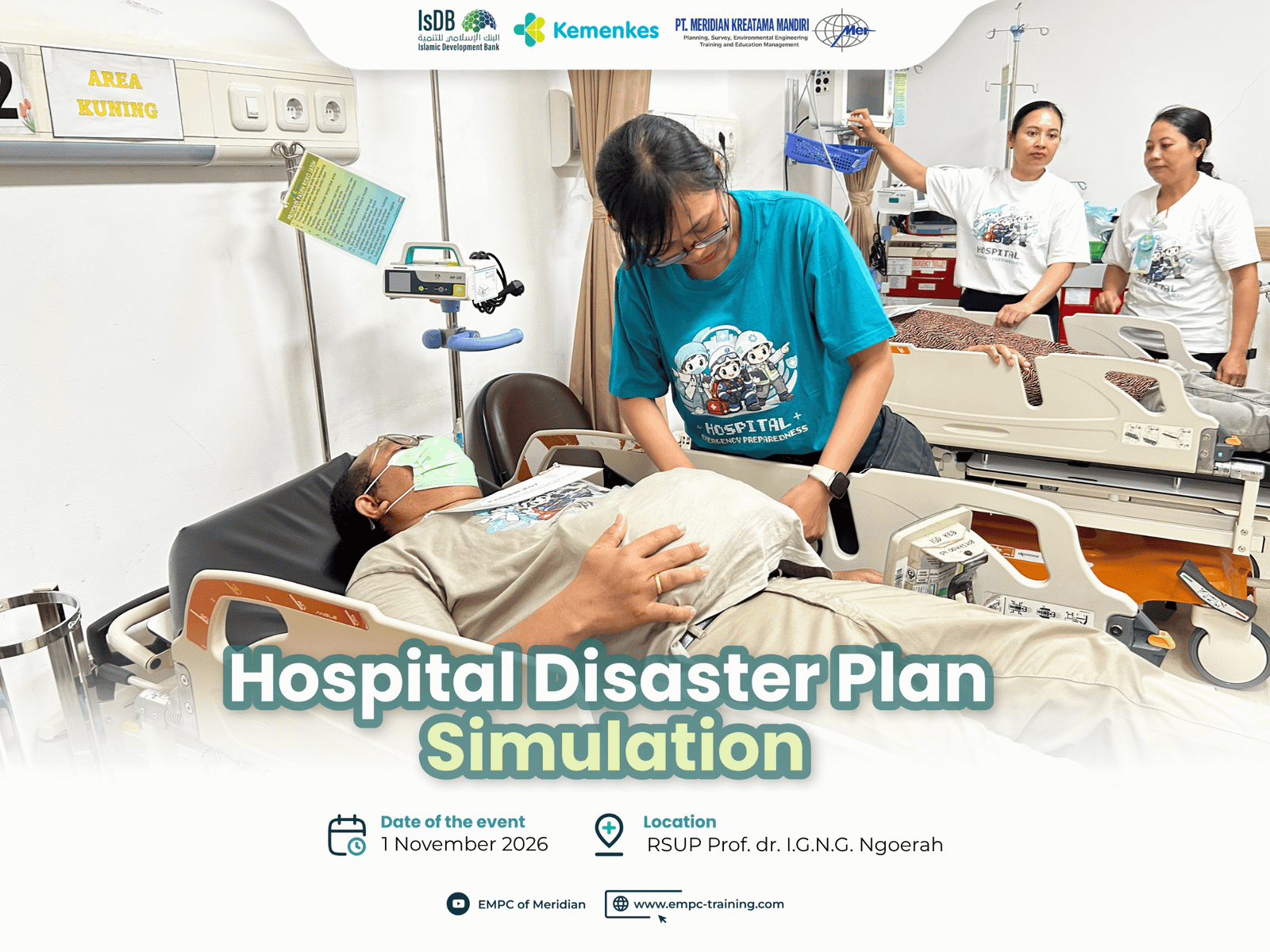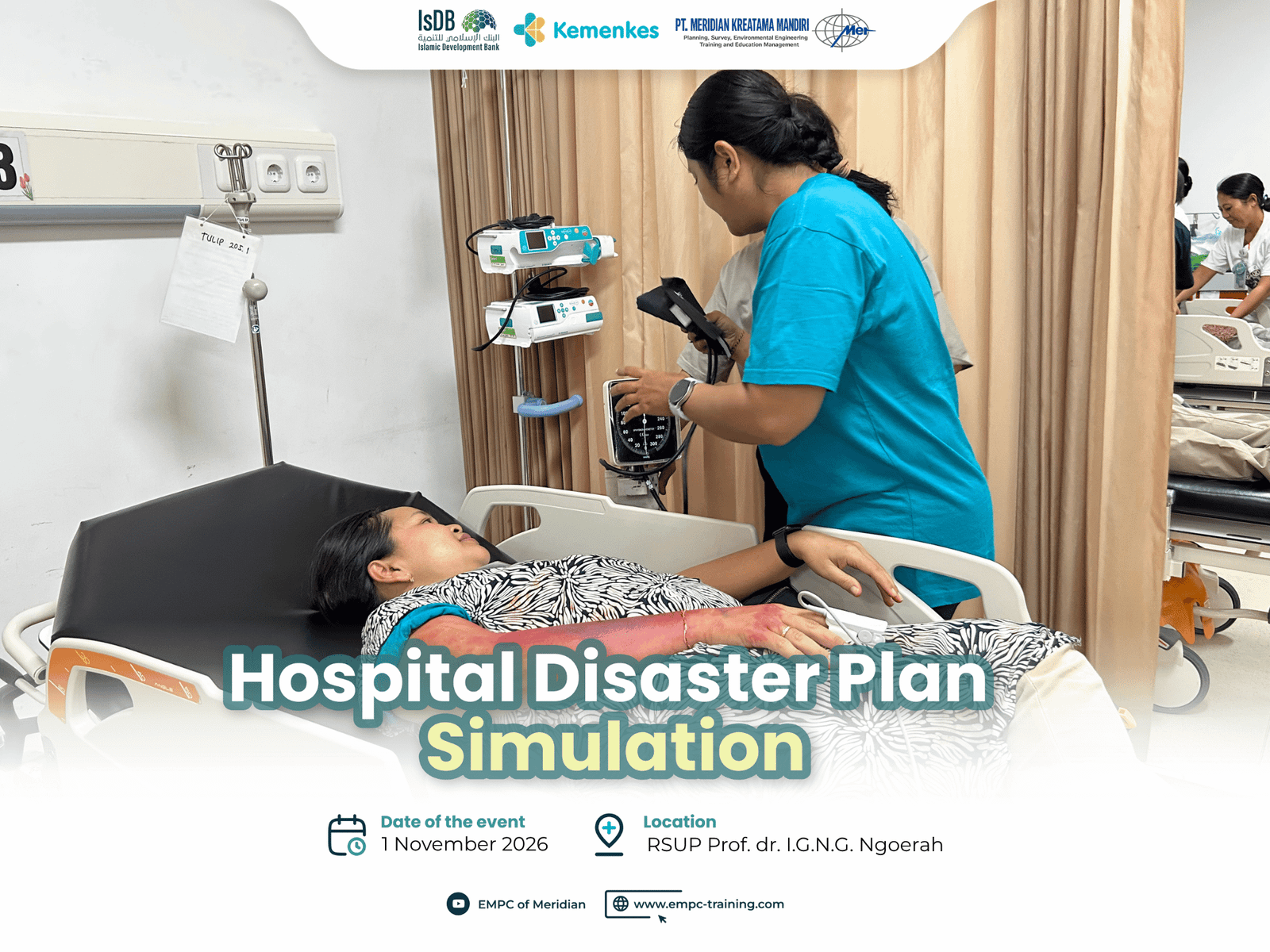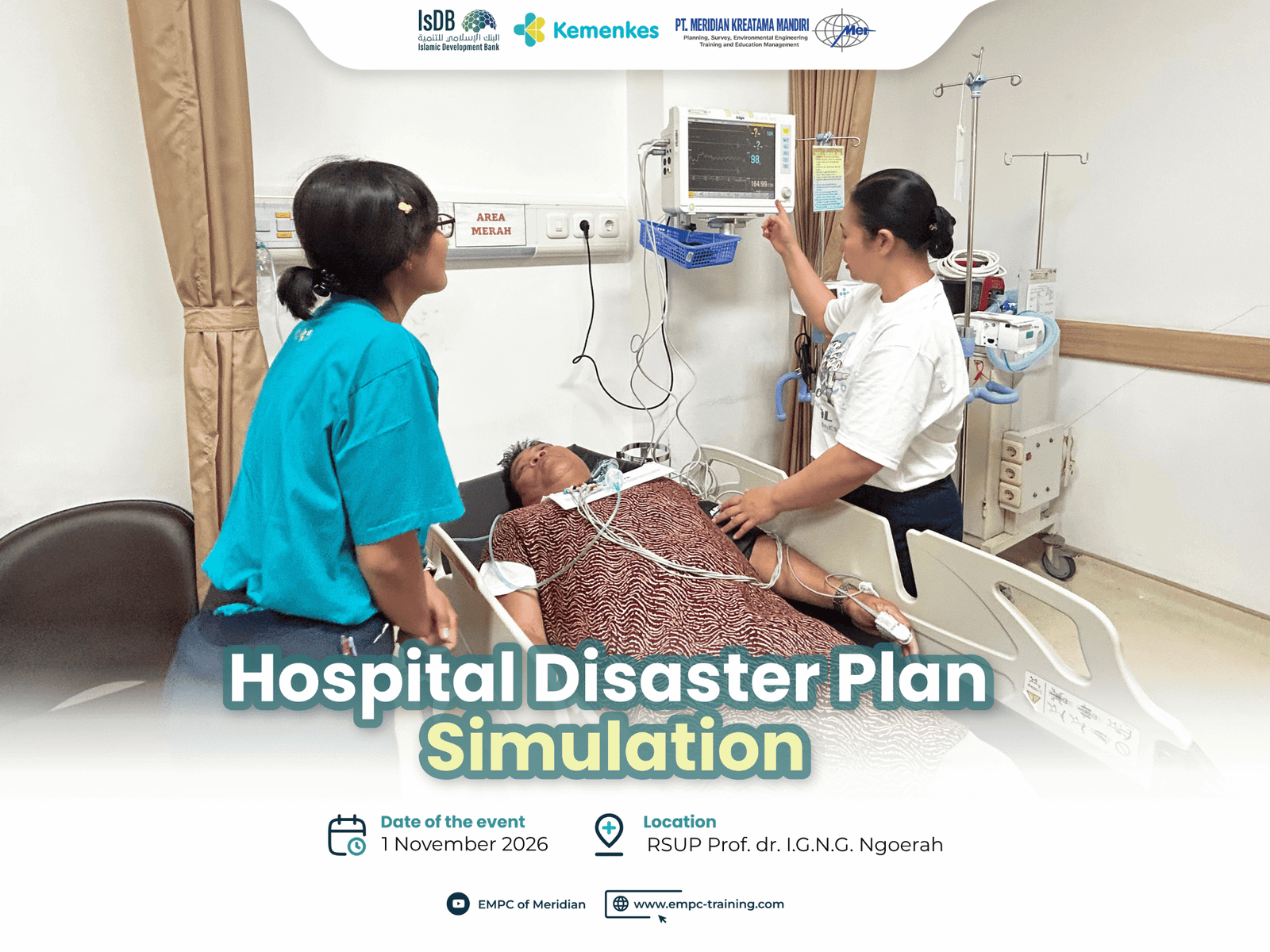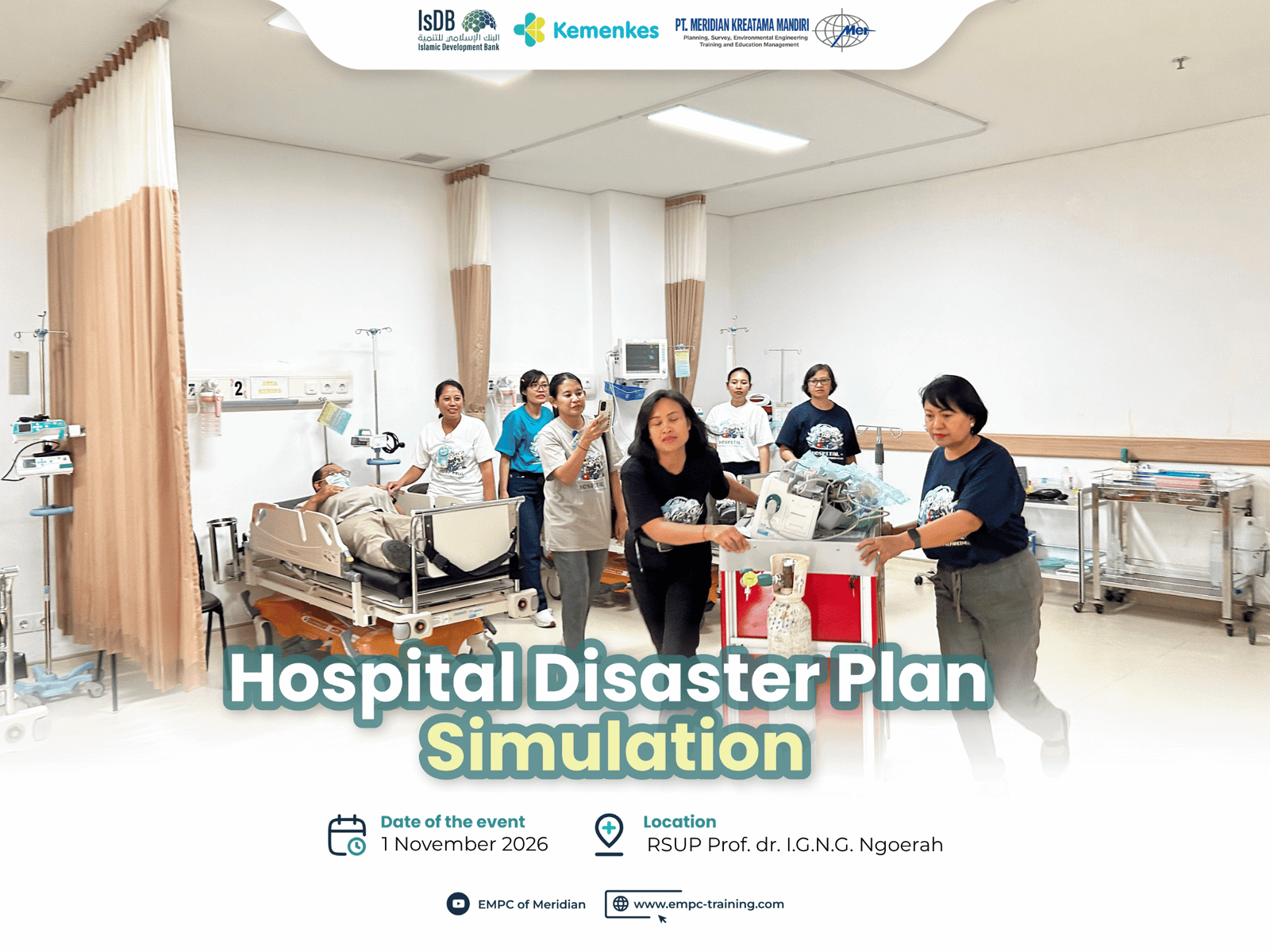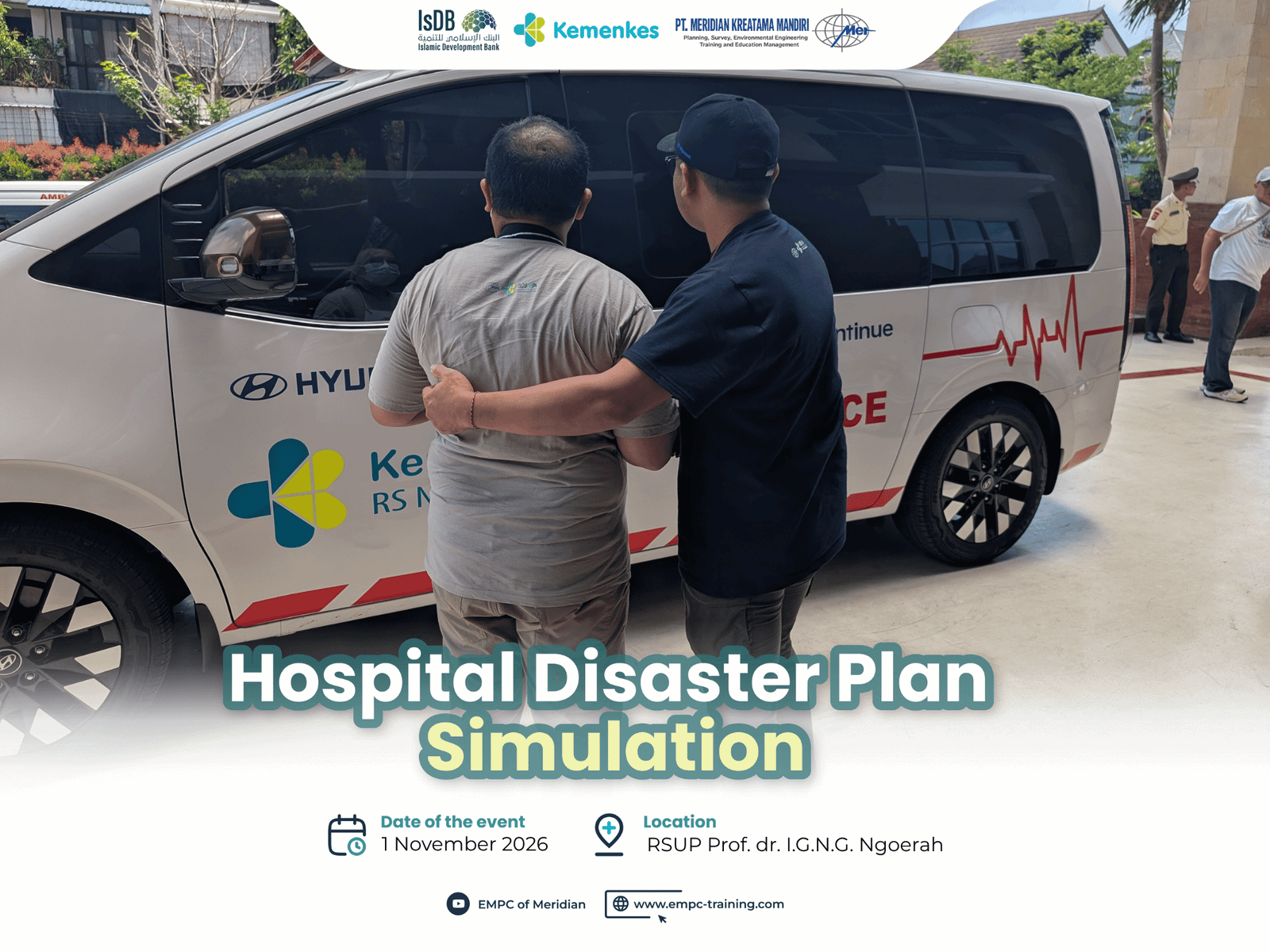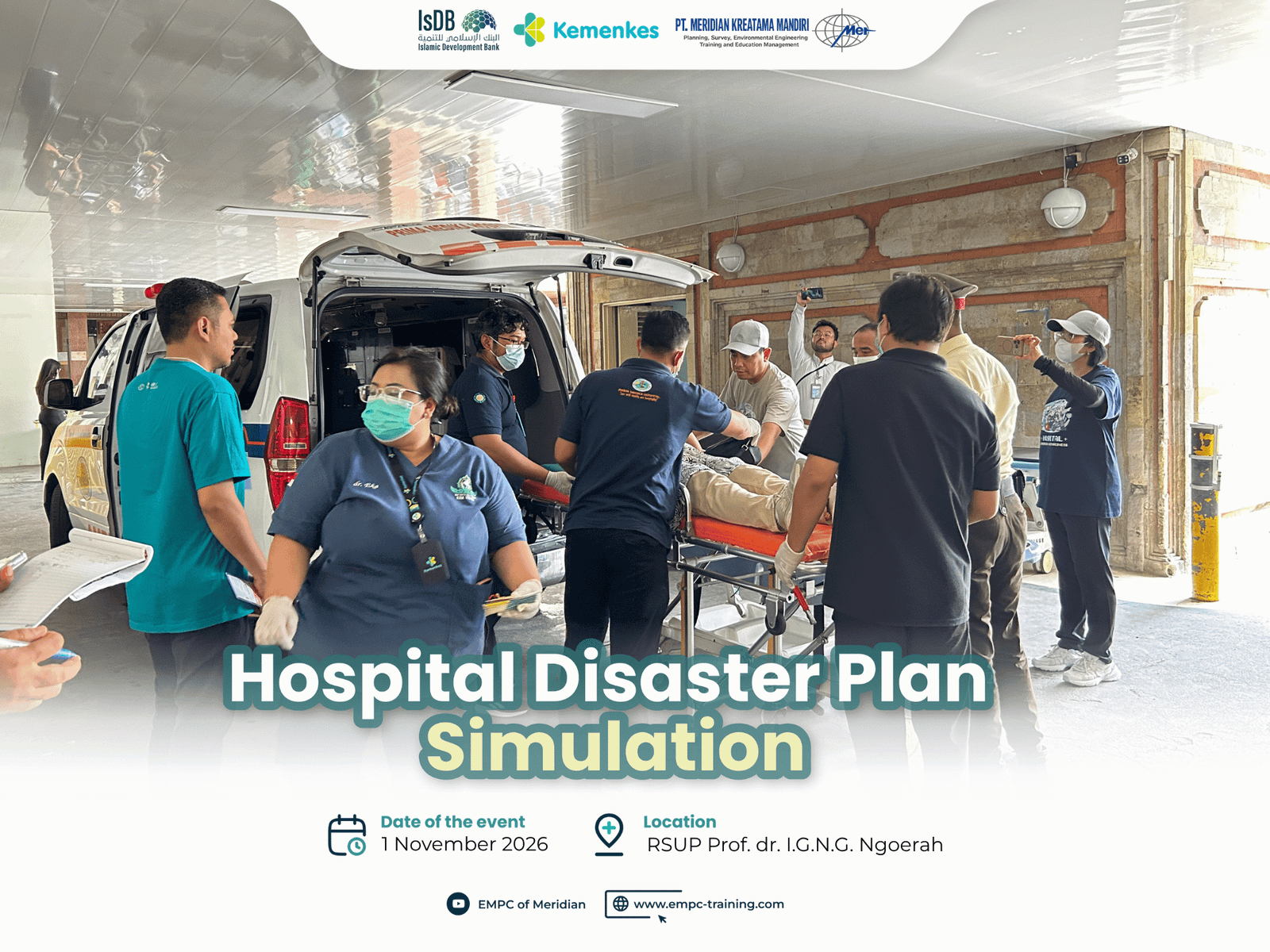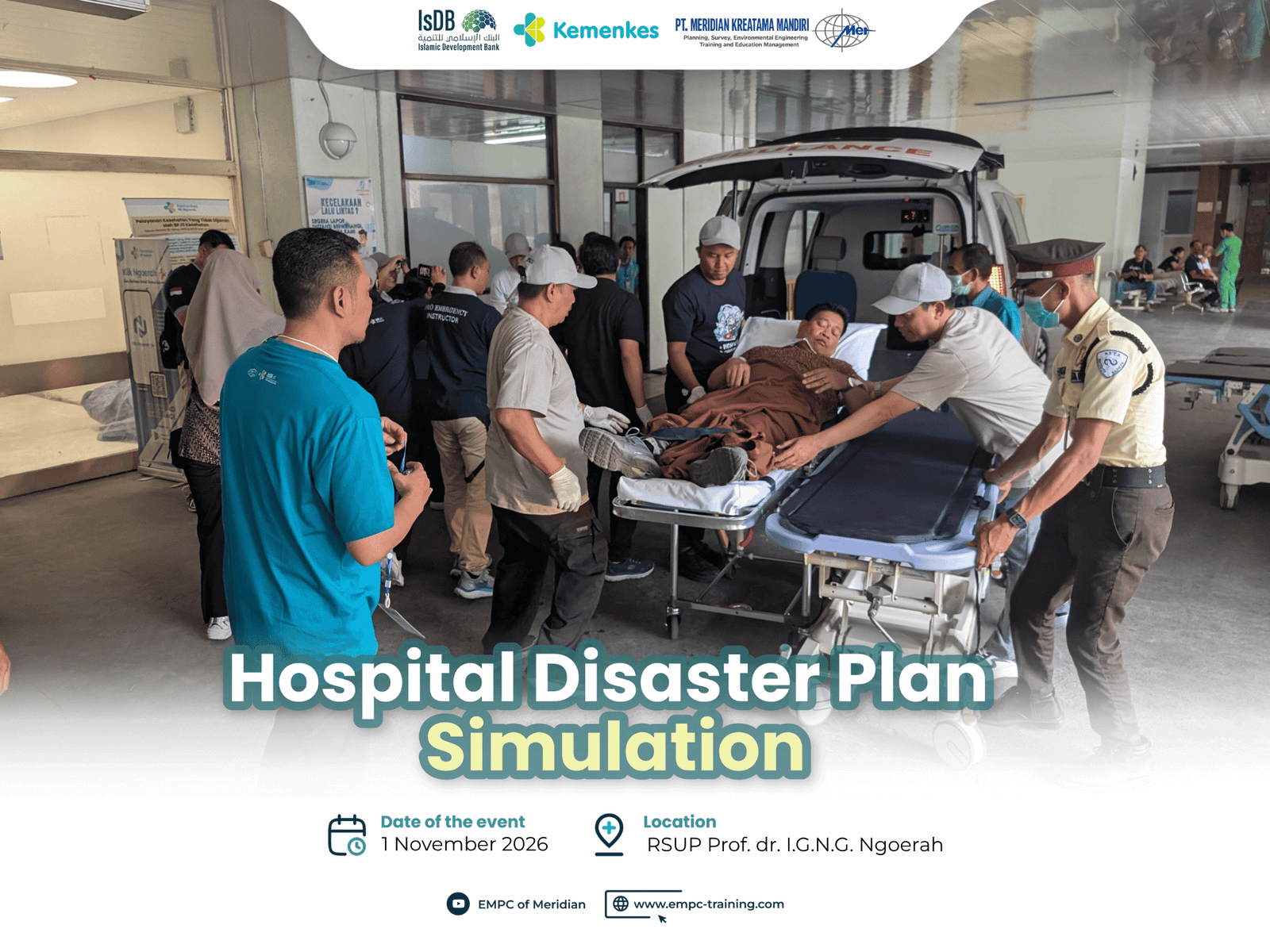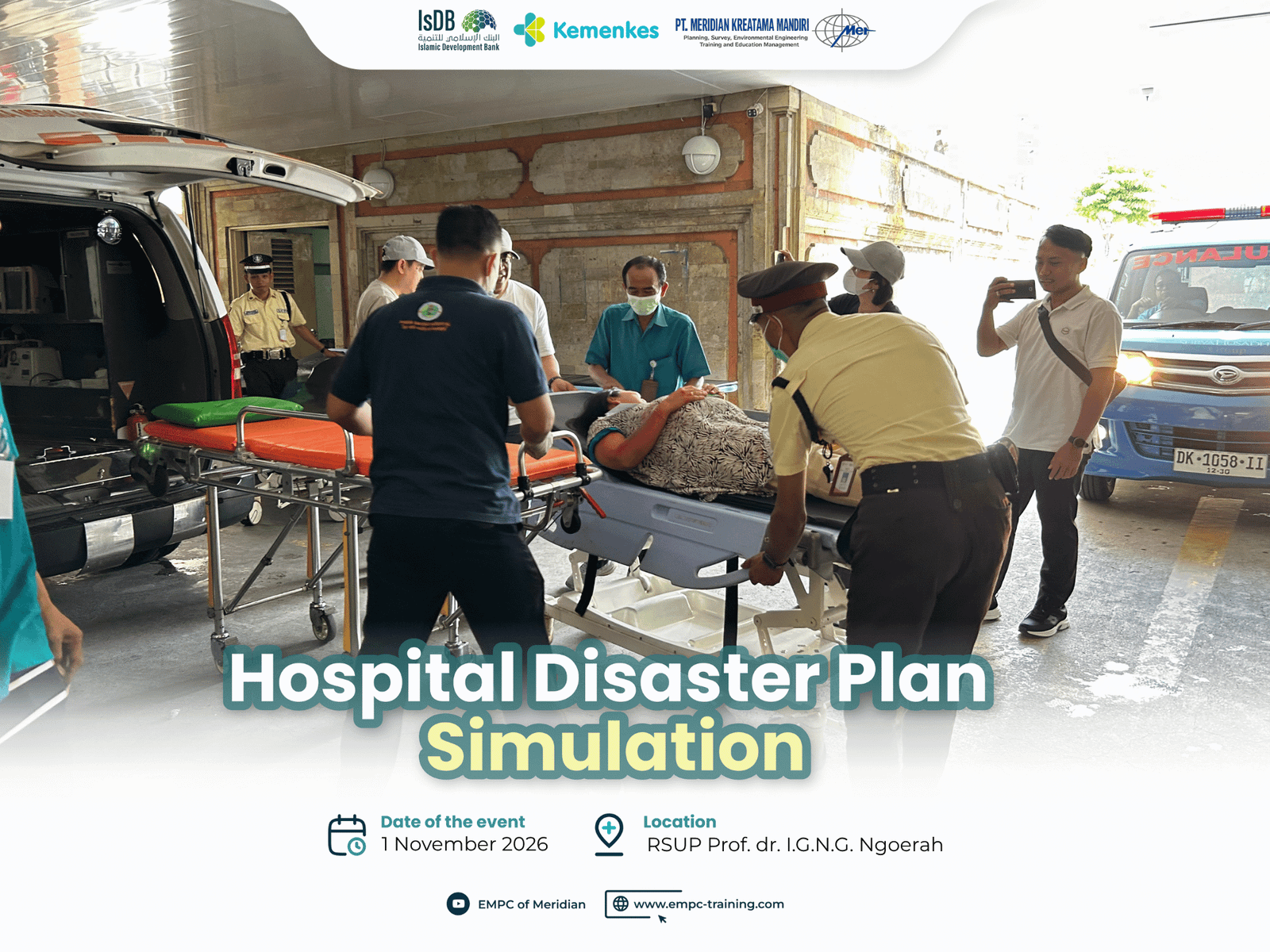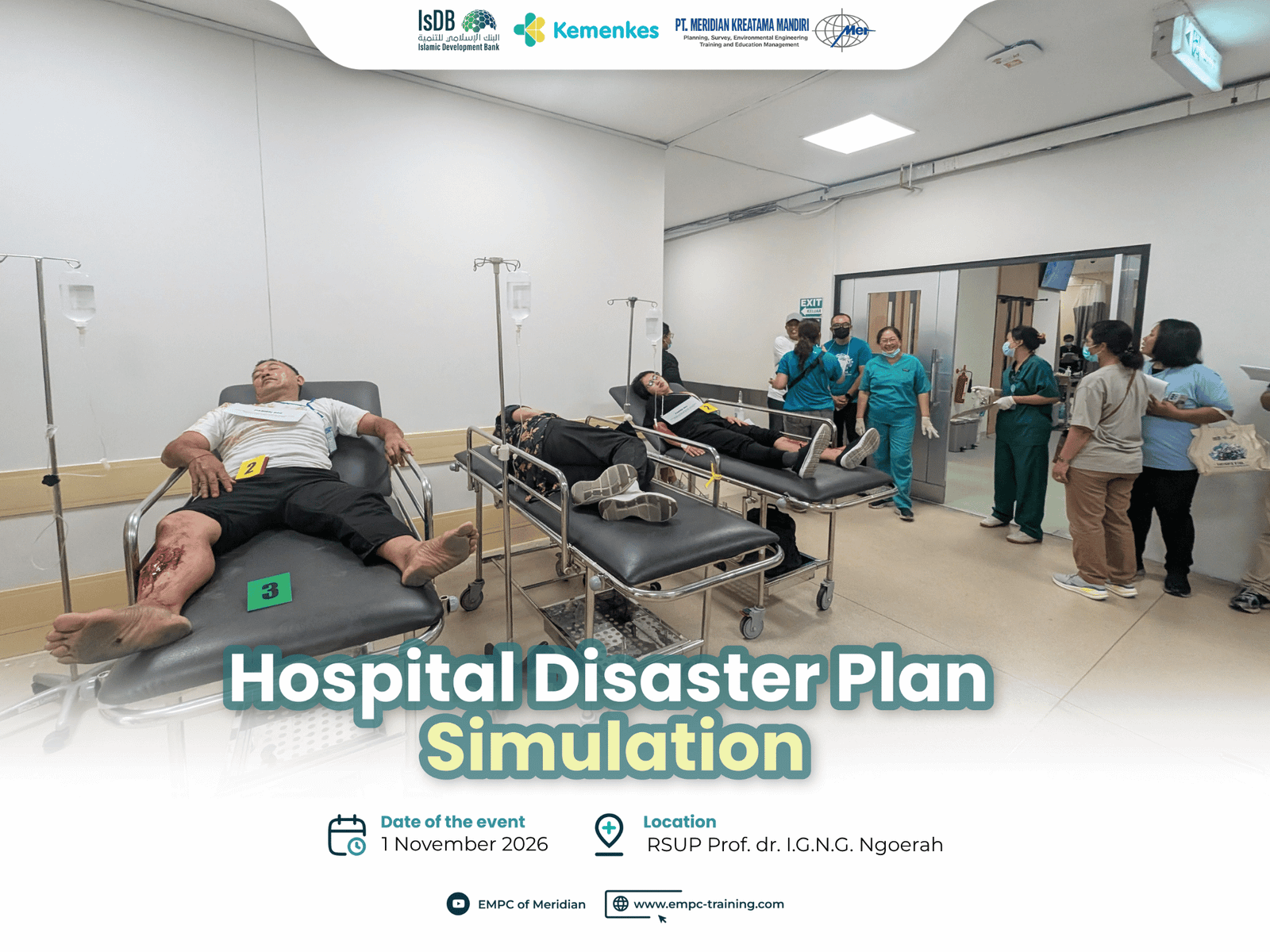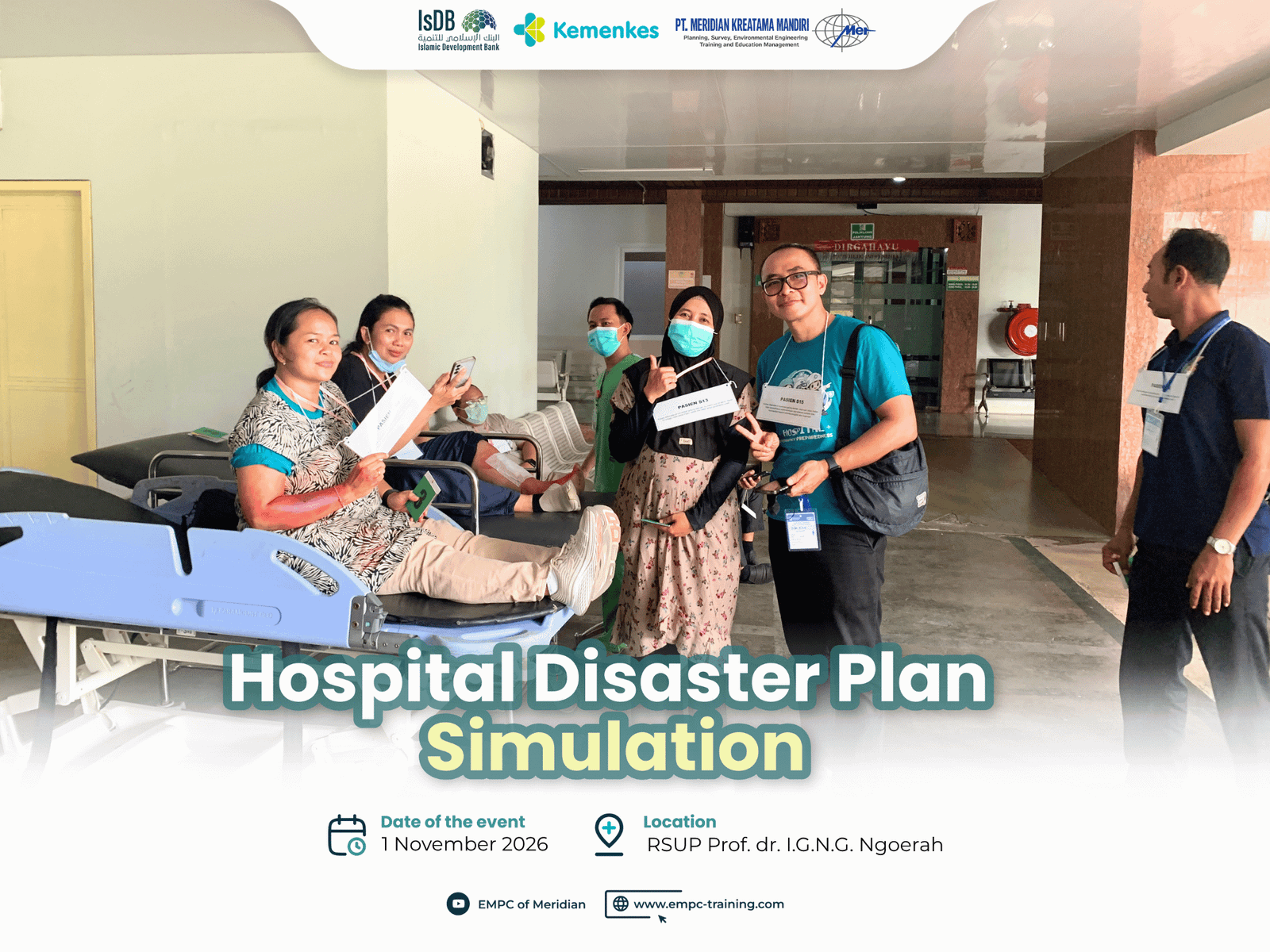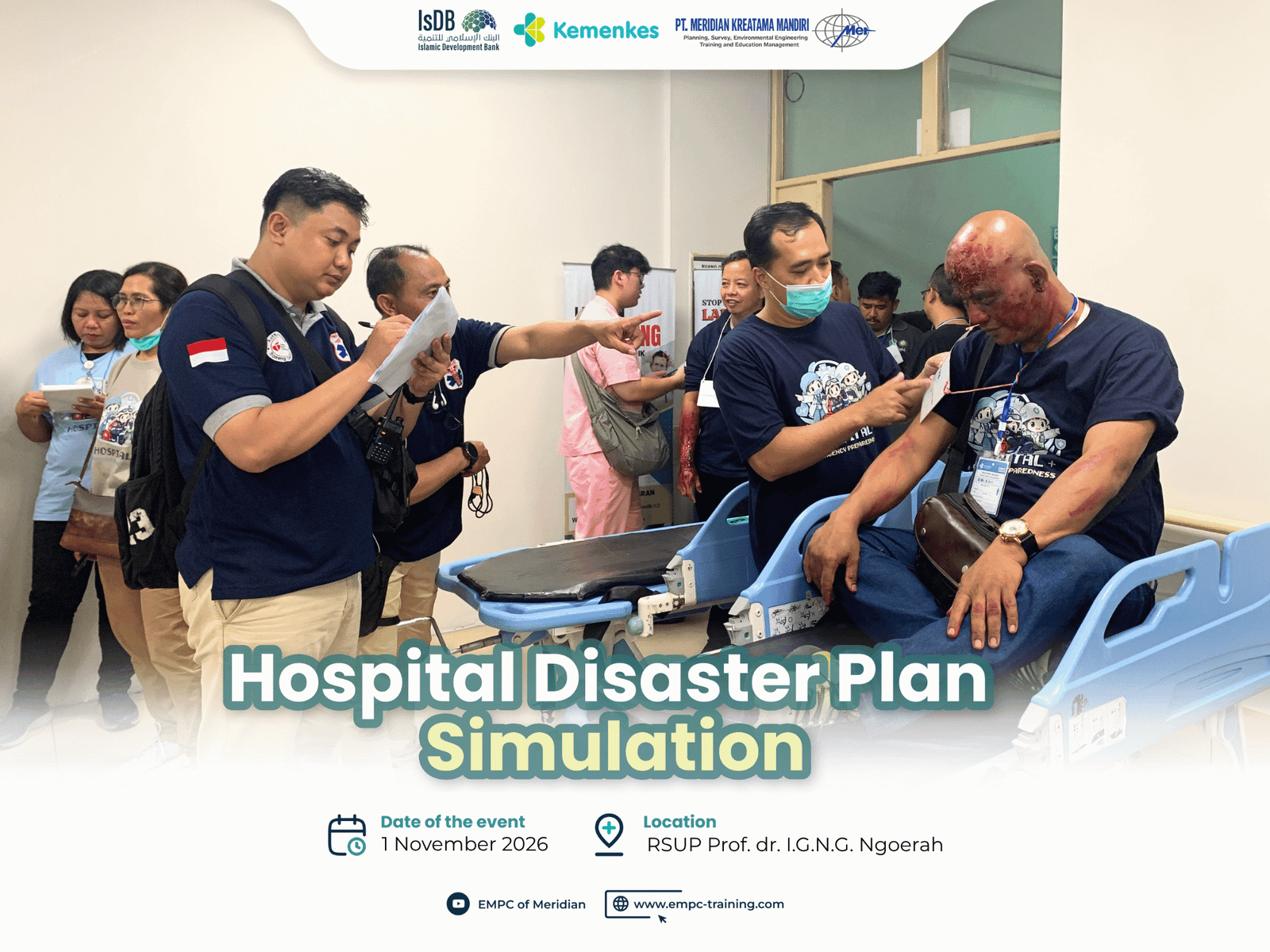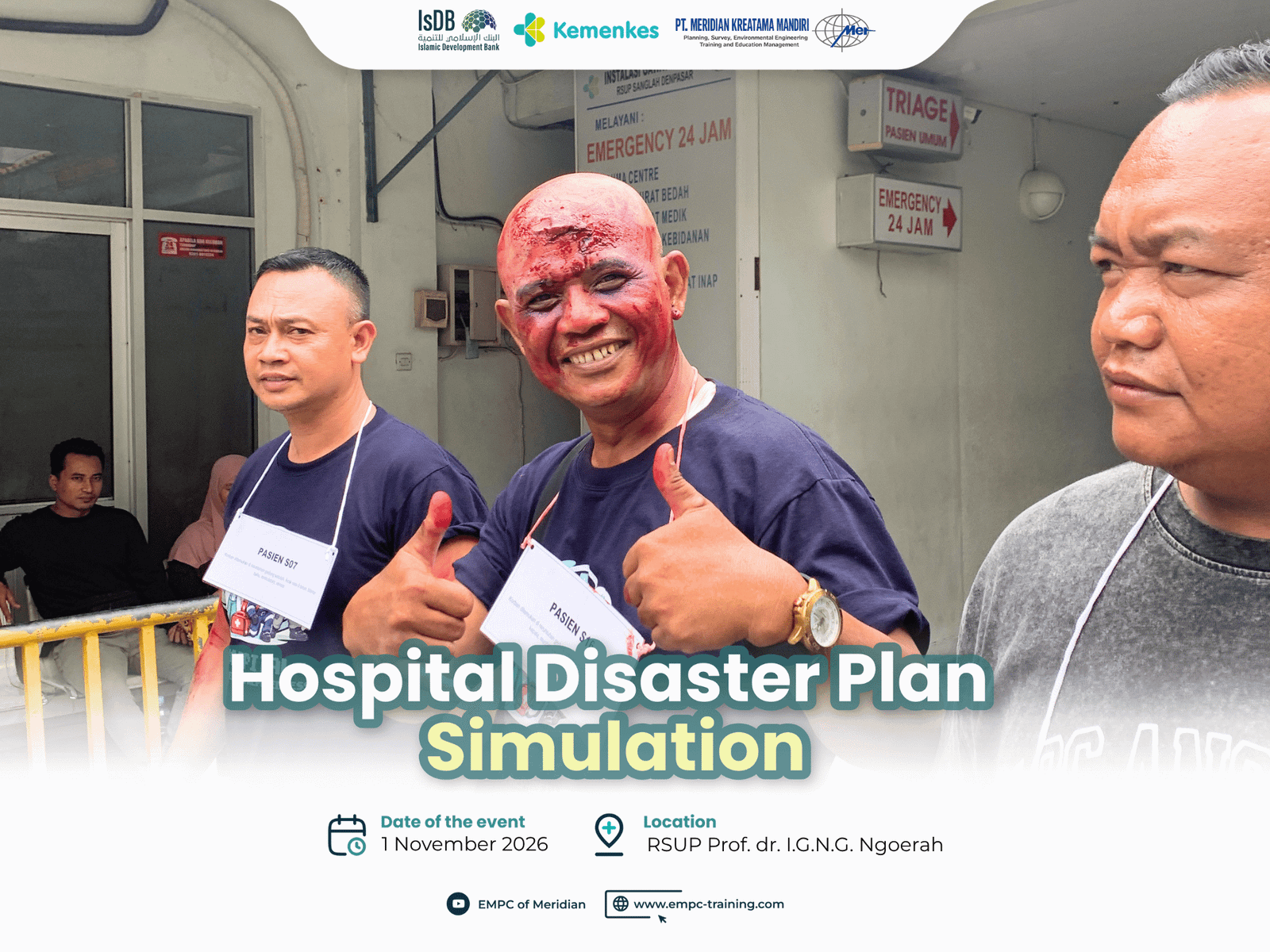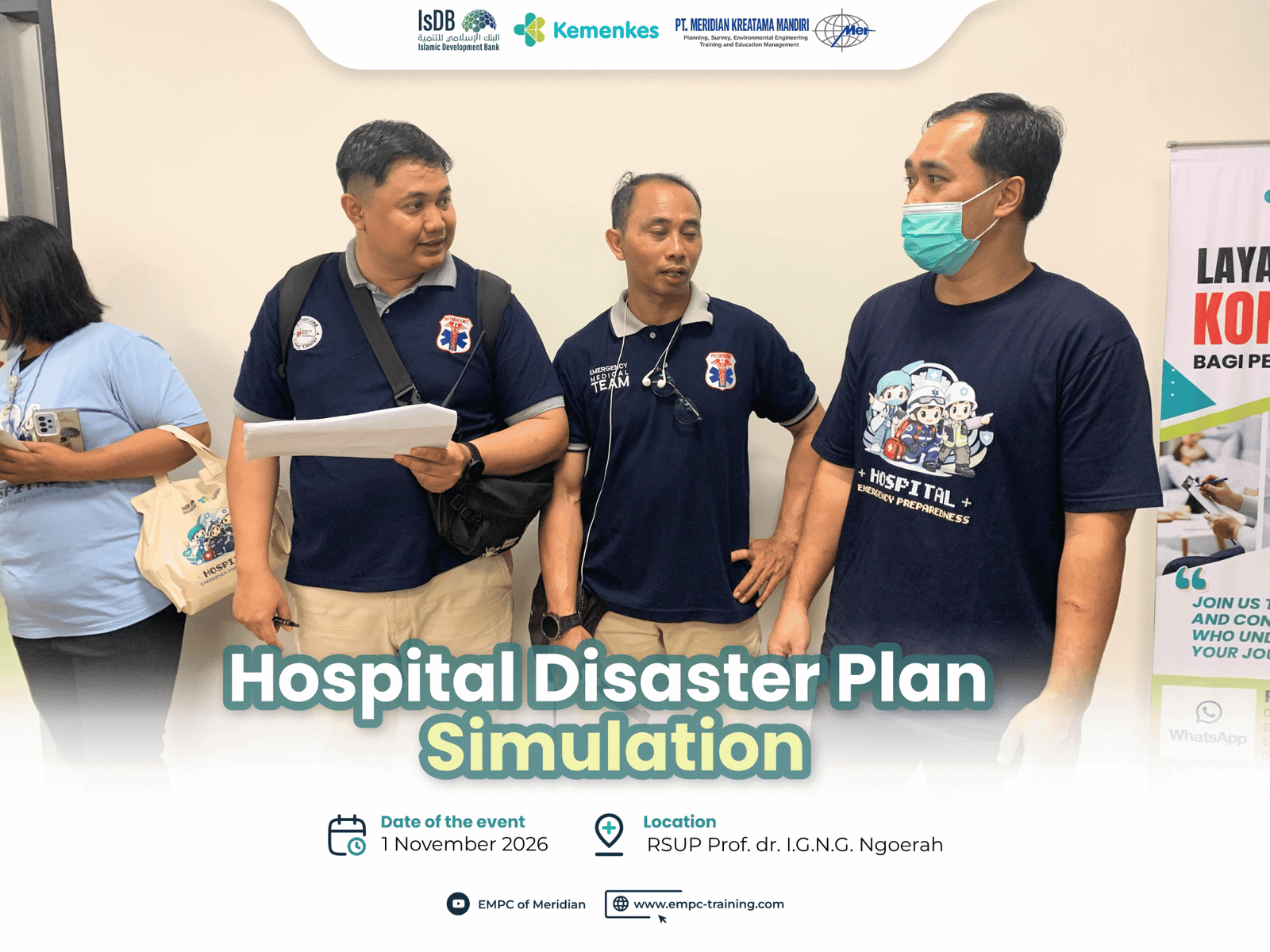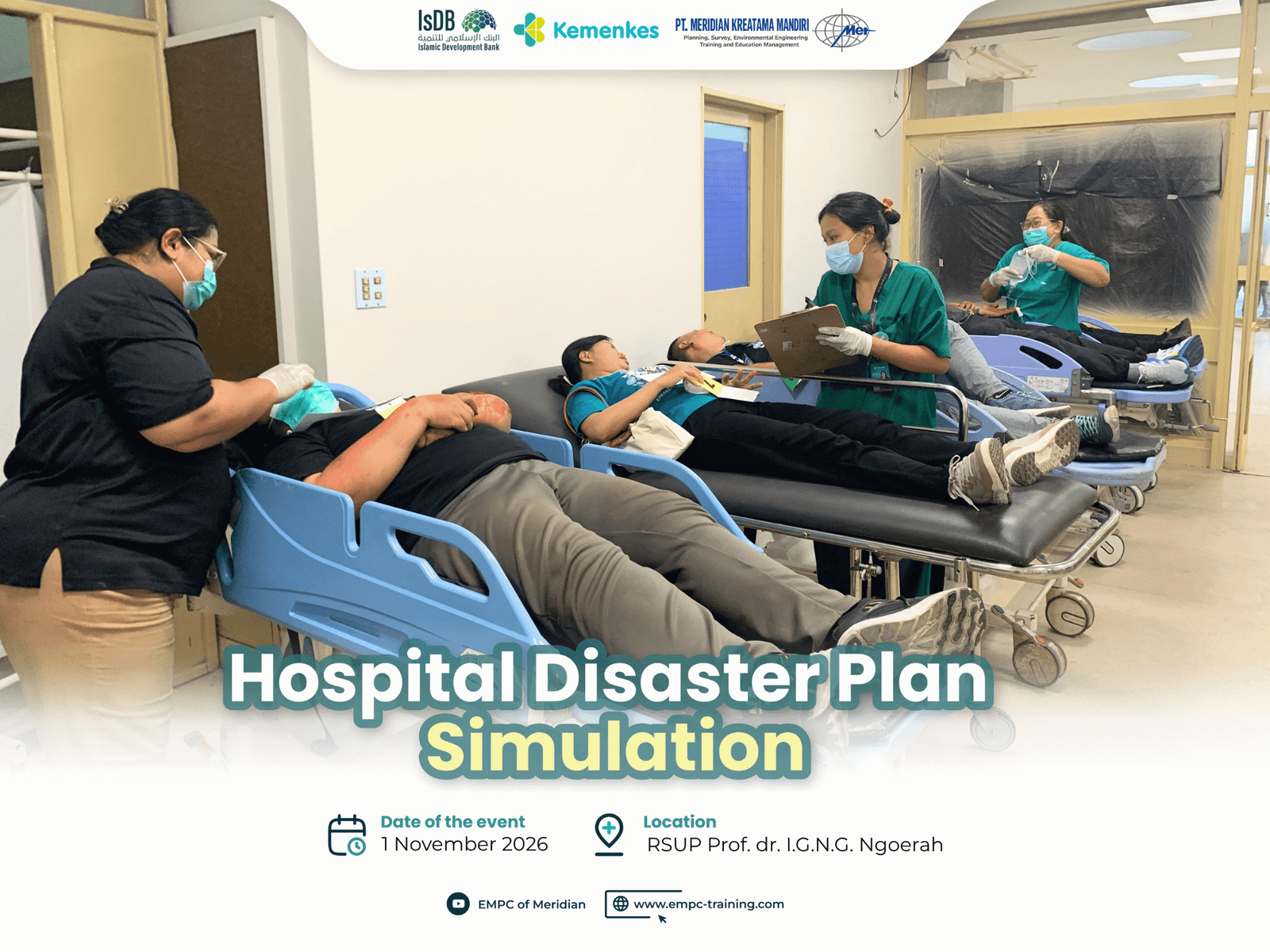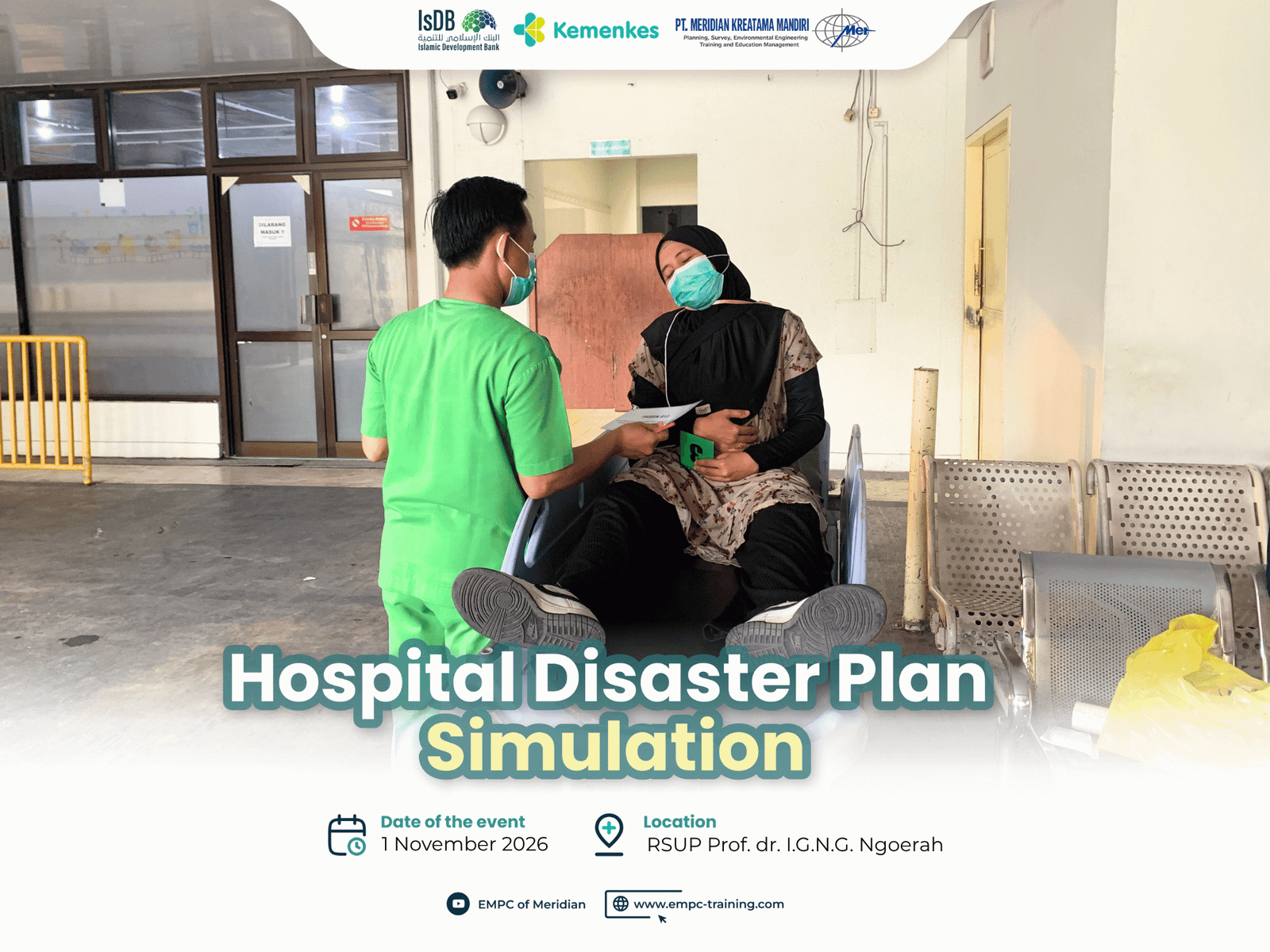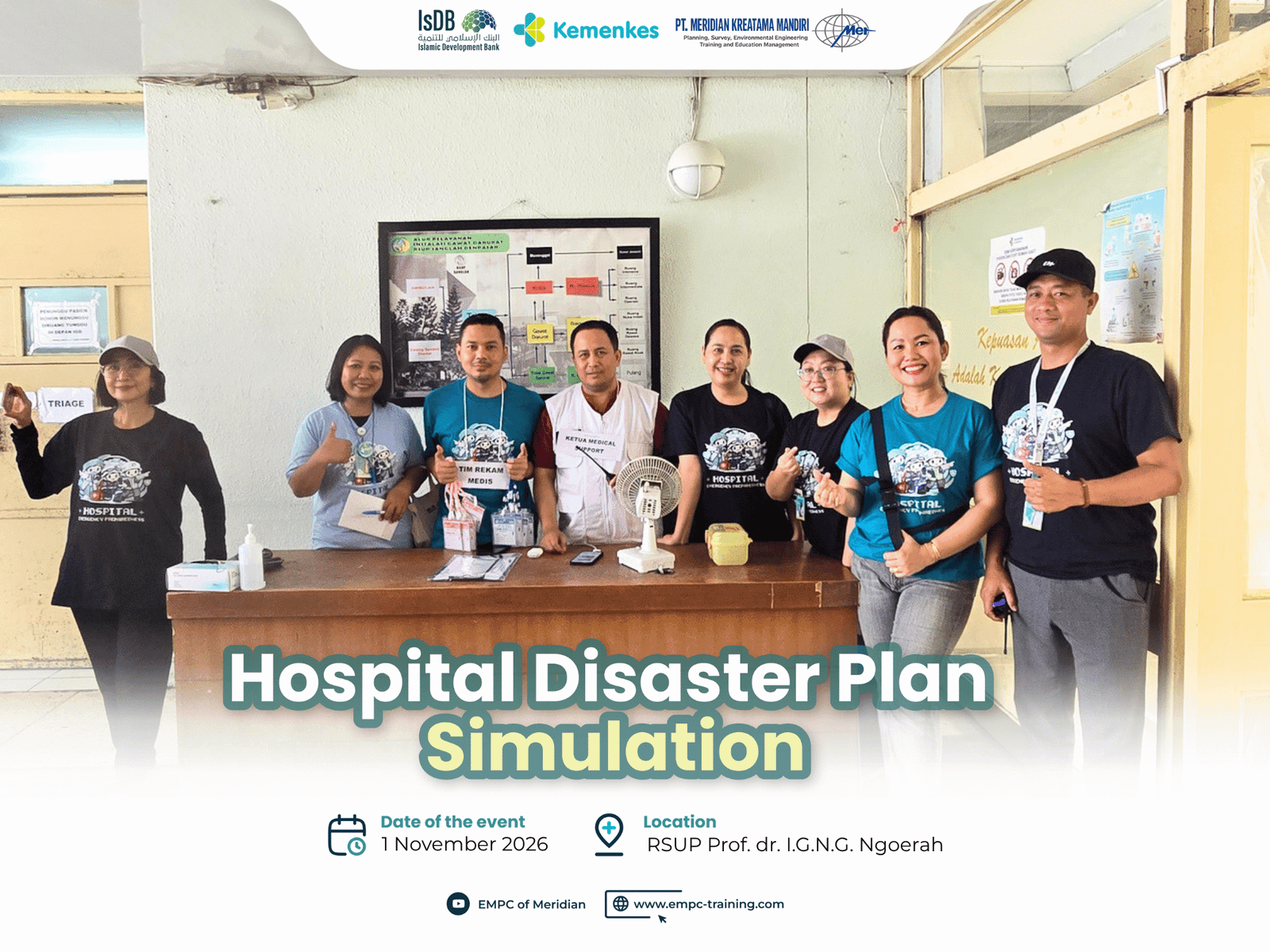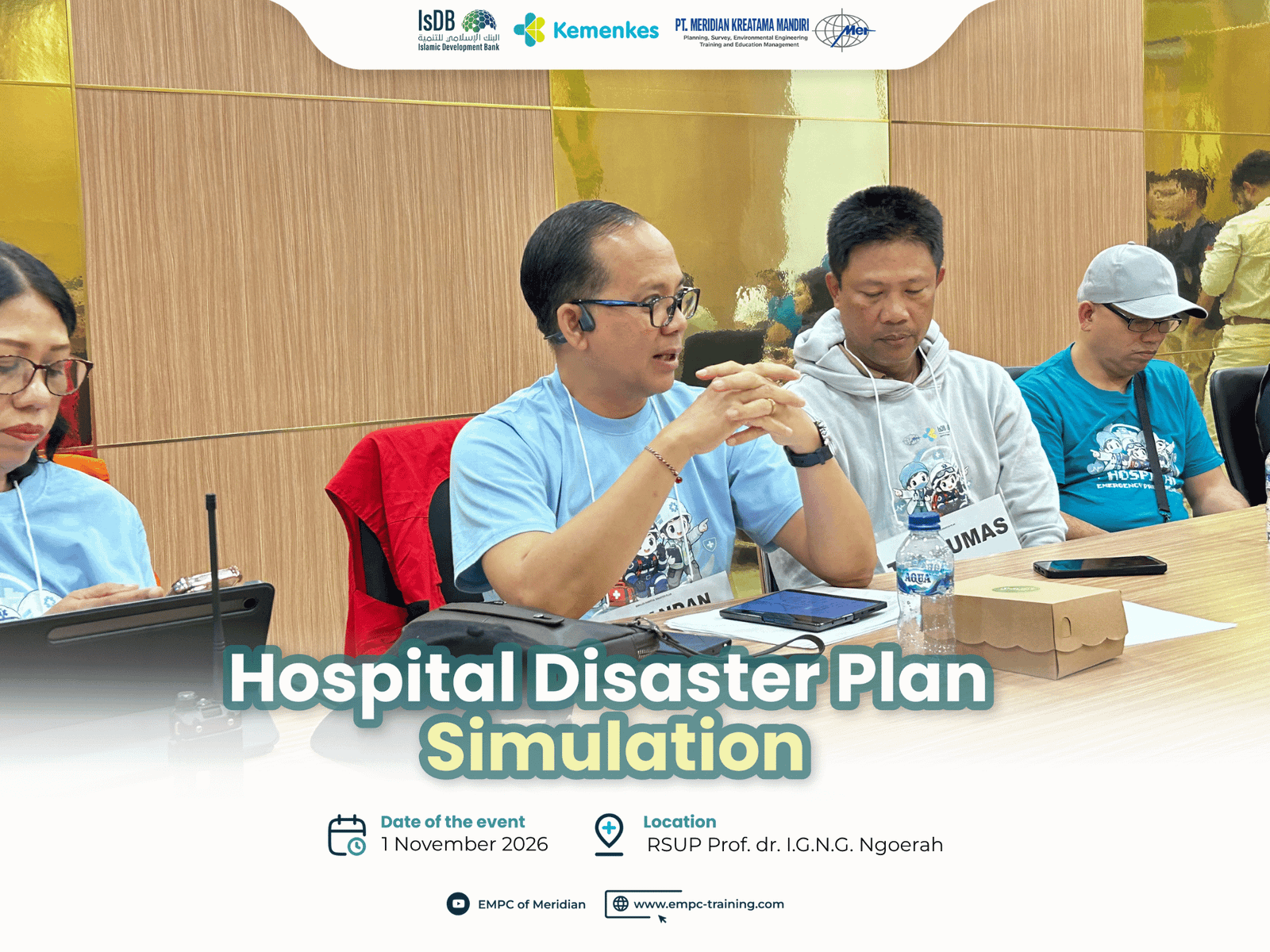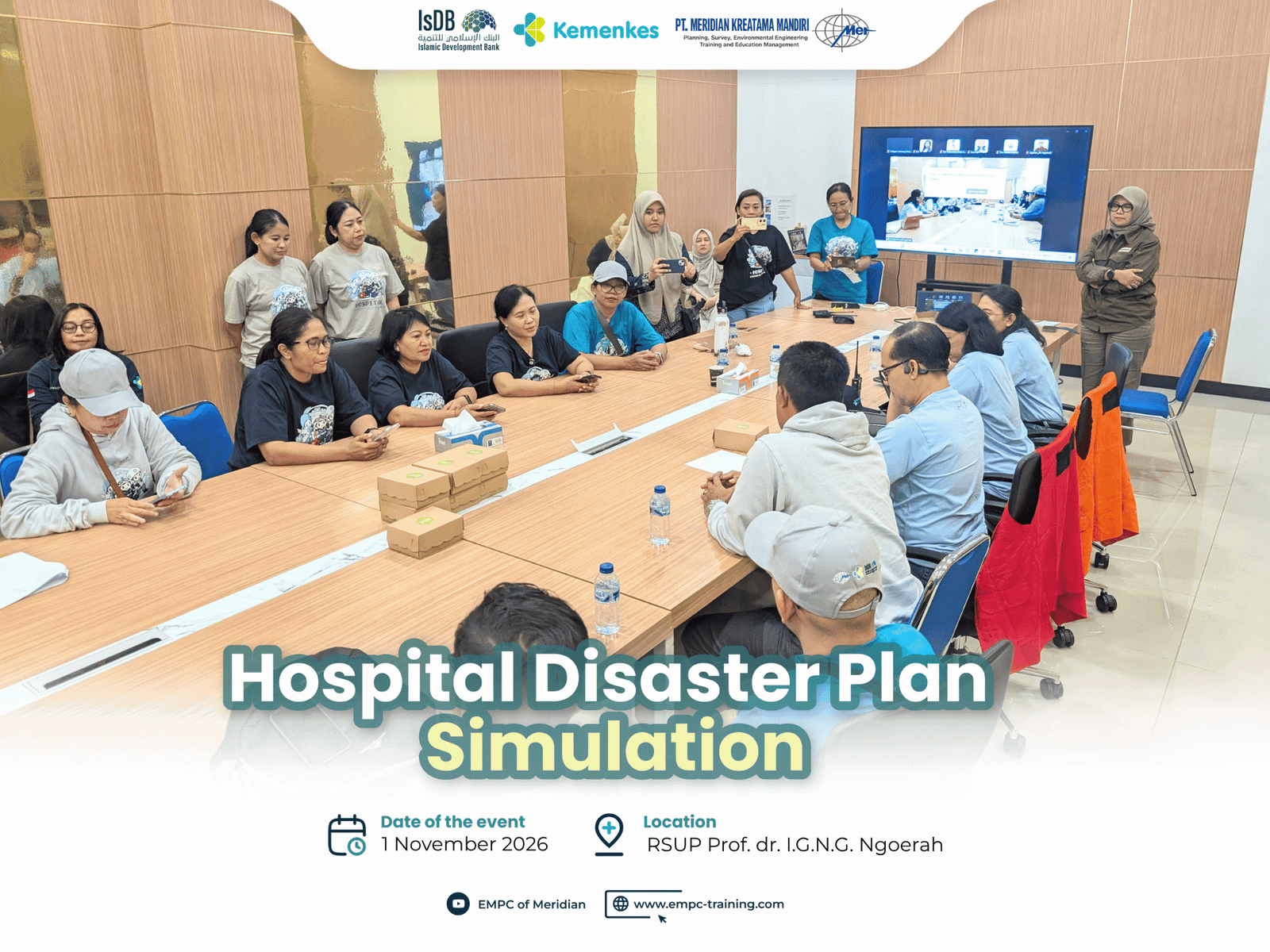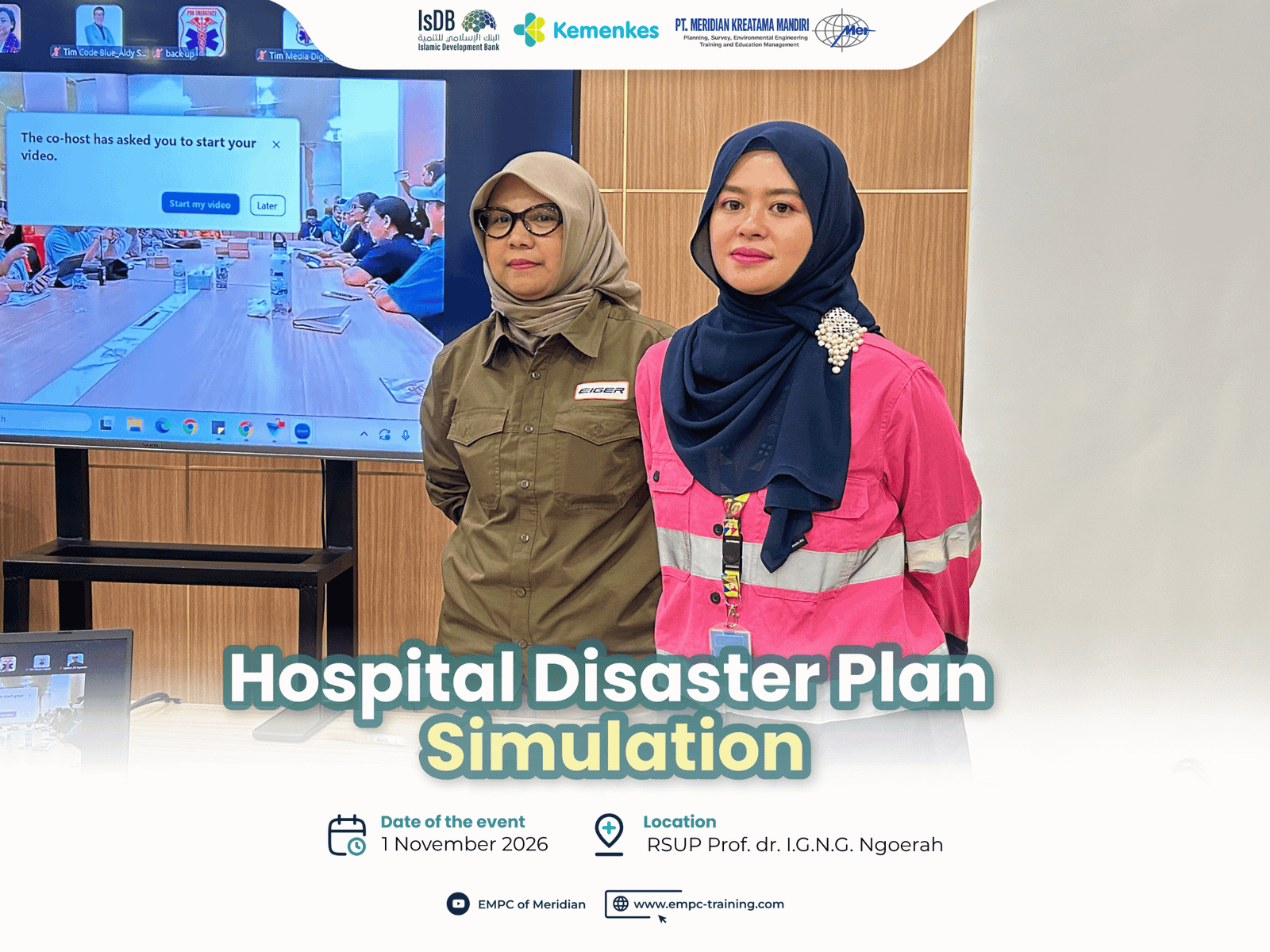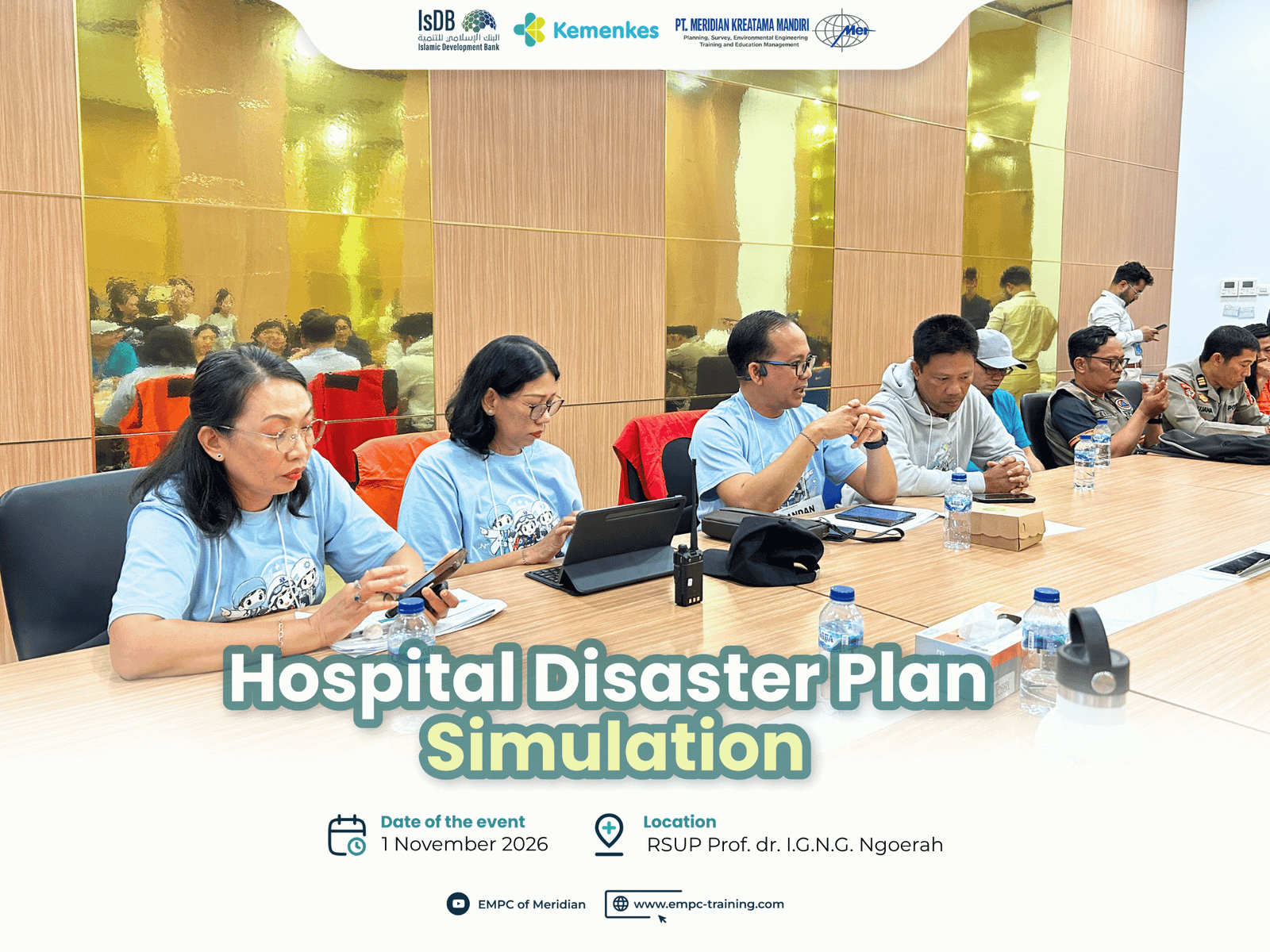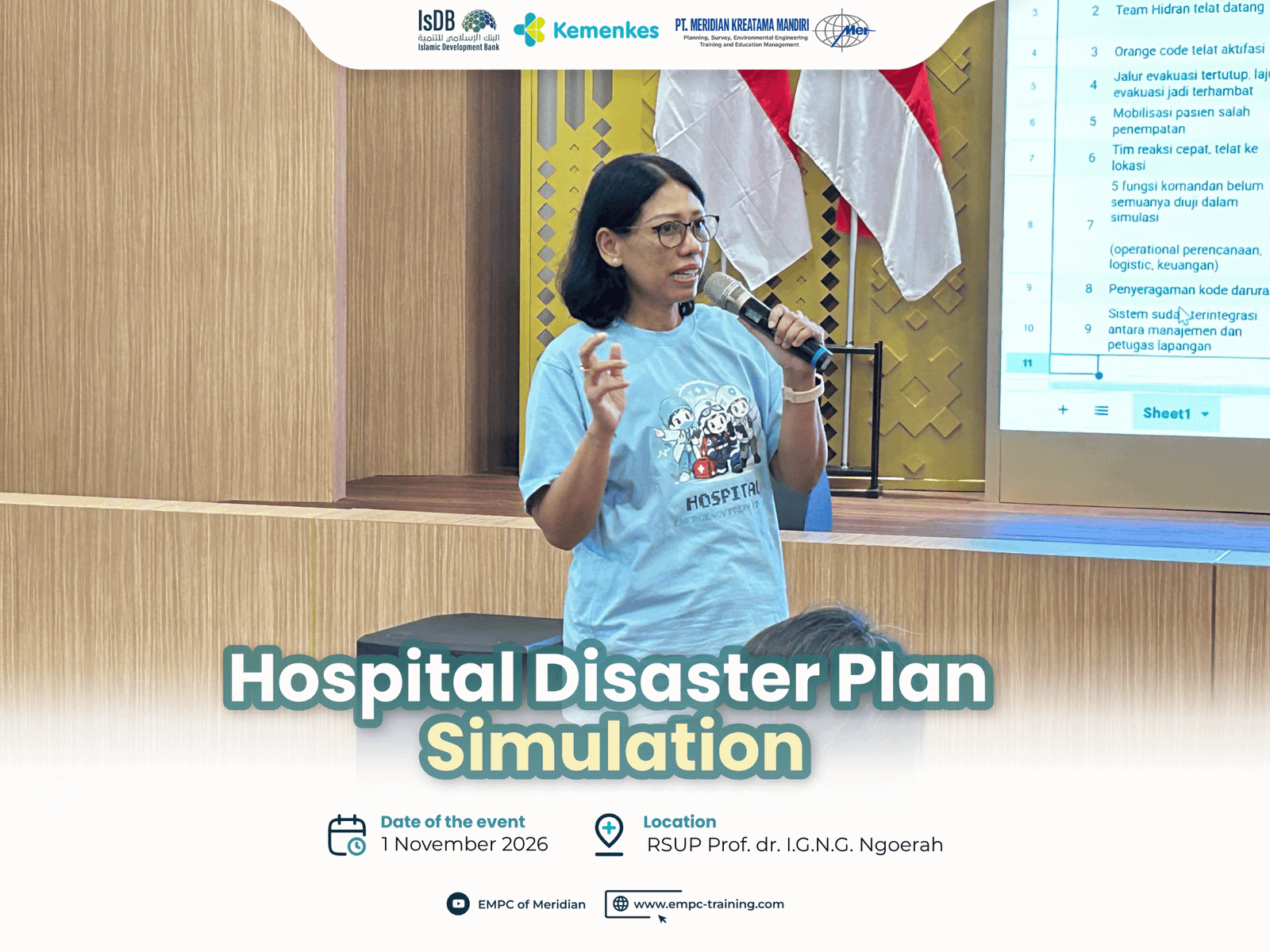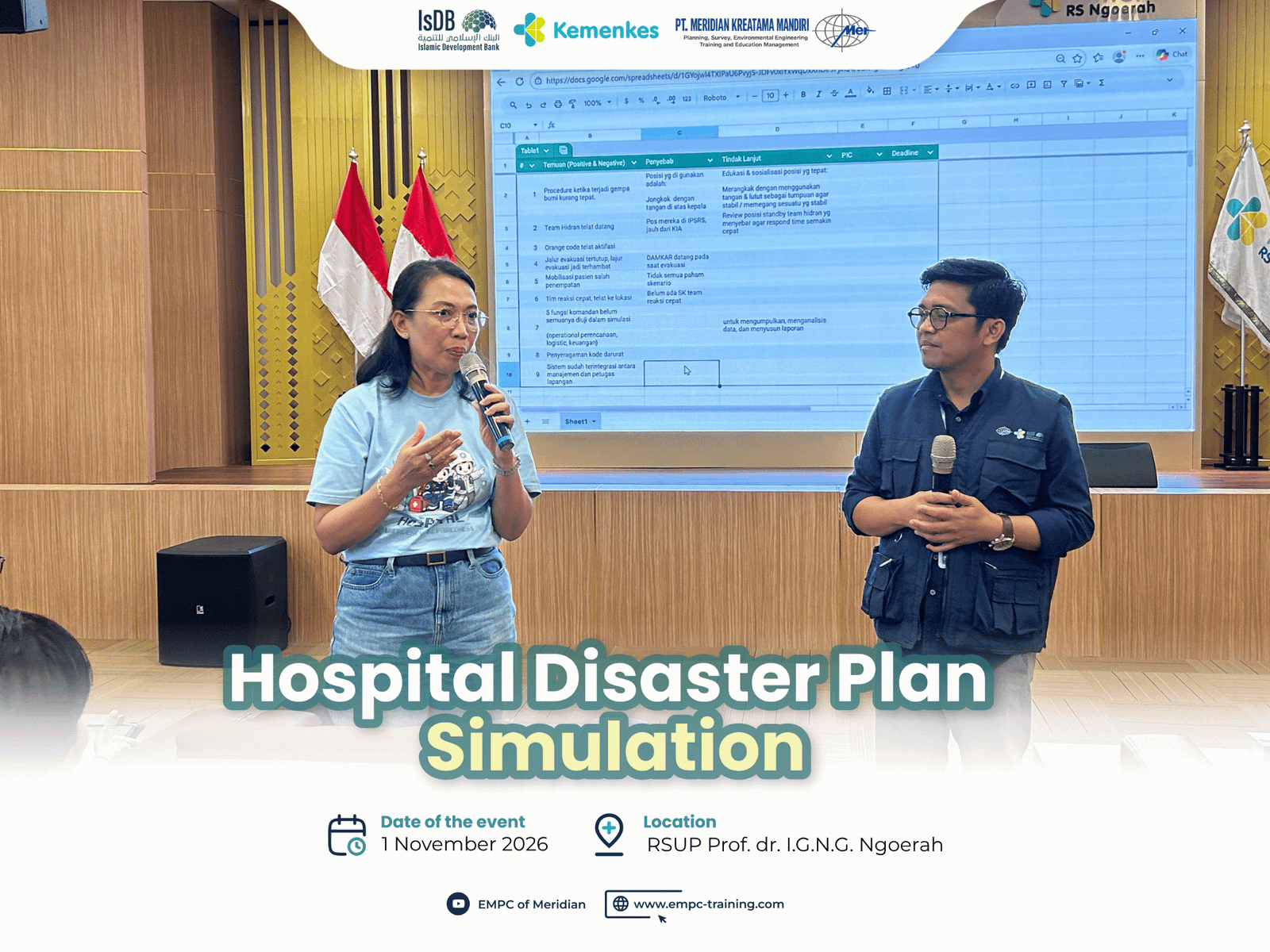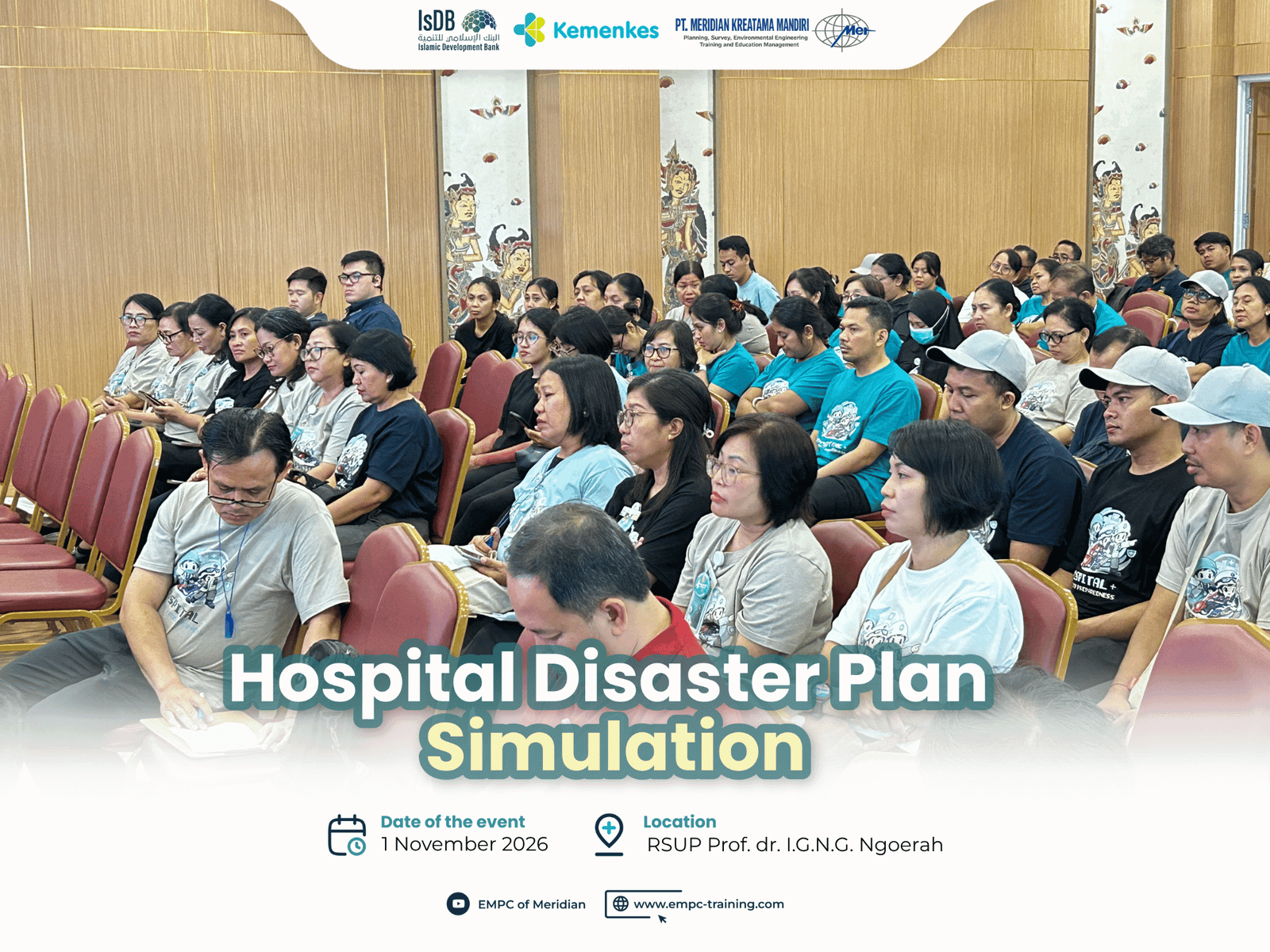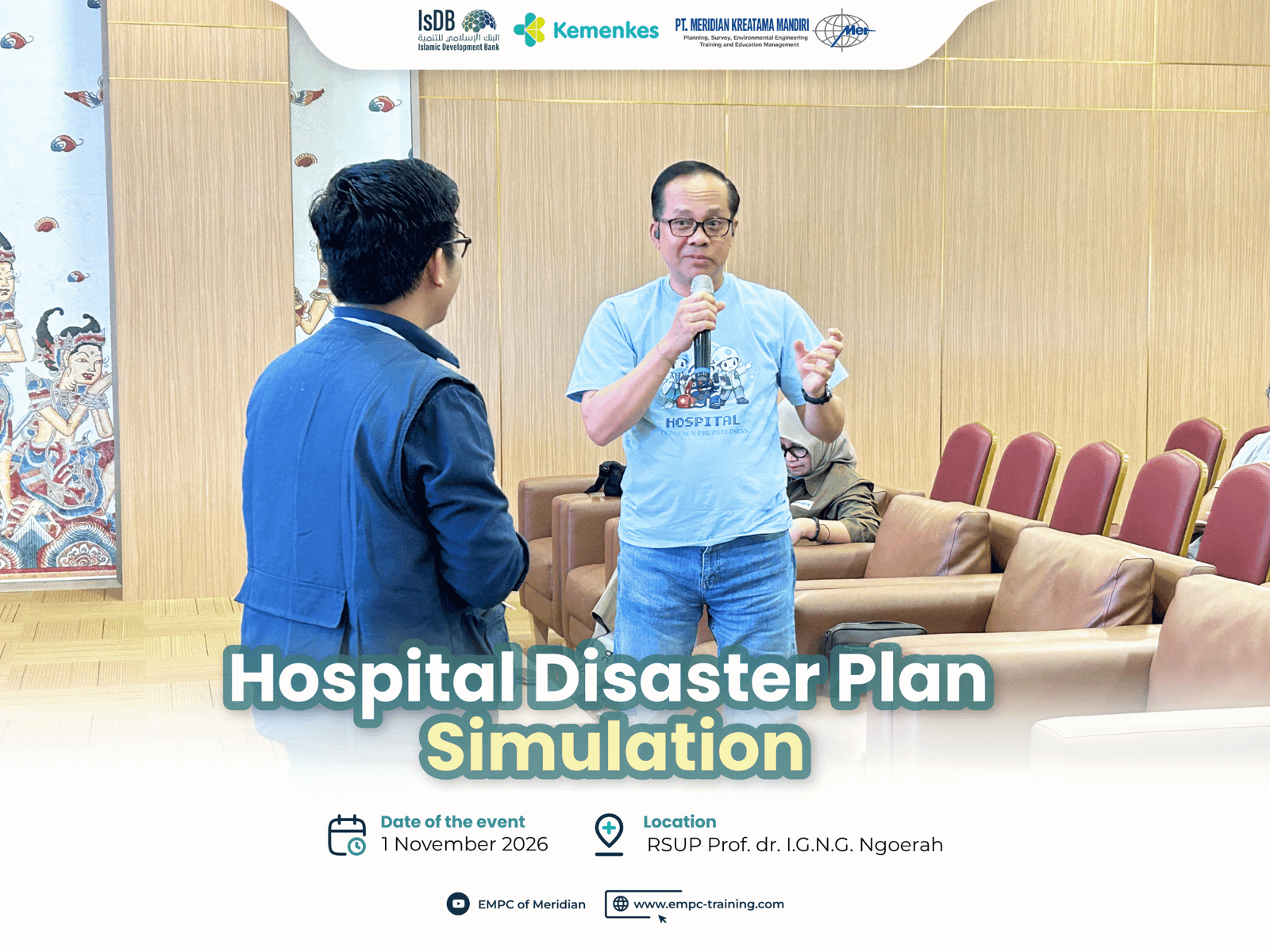
Hospital Disaster Plan – Simulation Batch 1
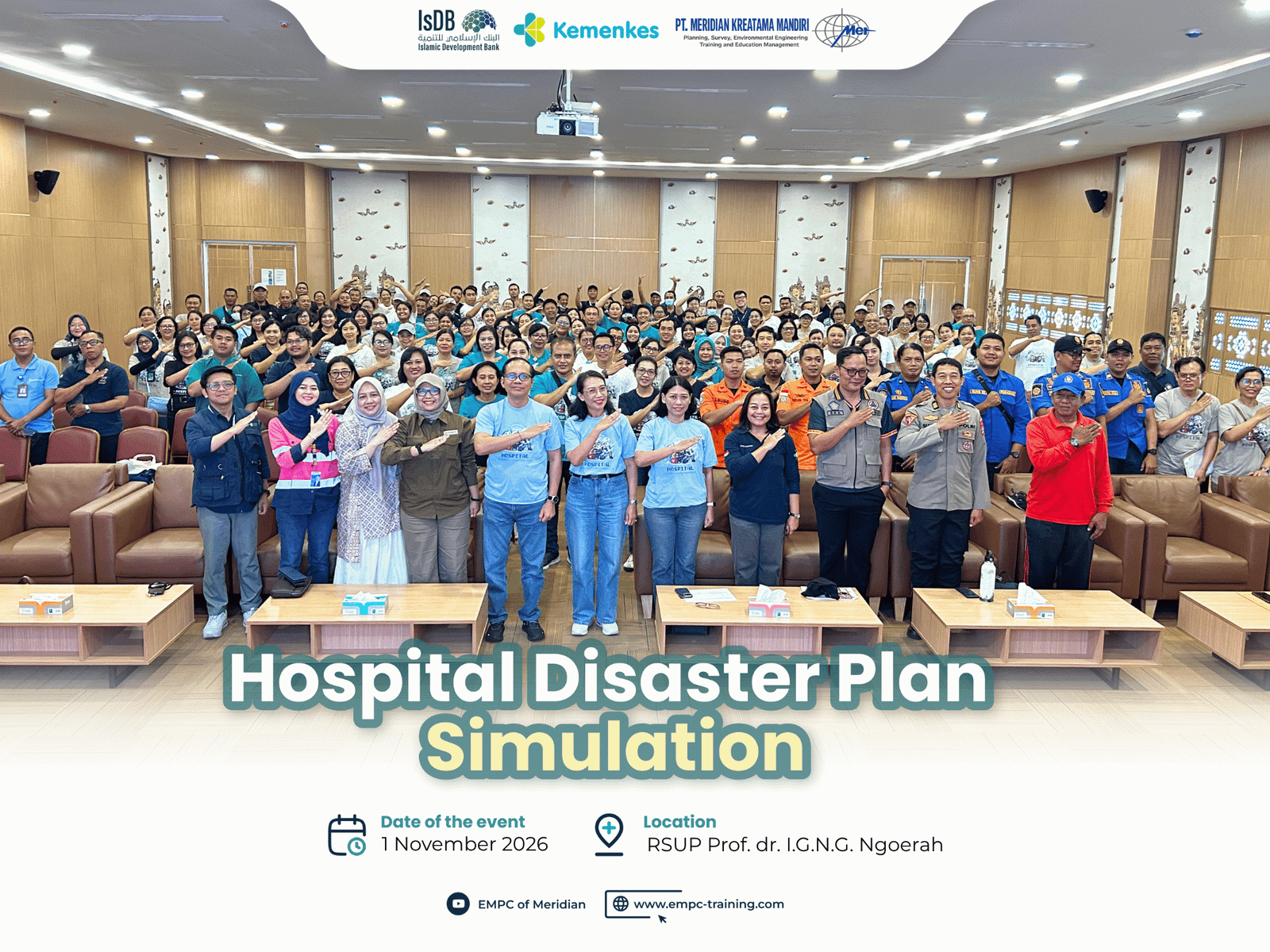
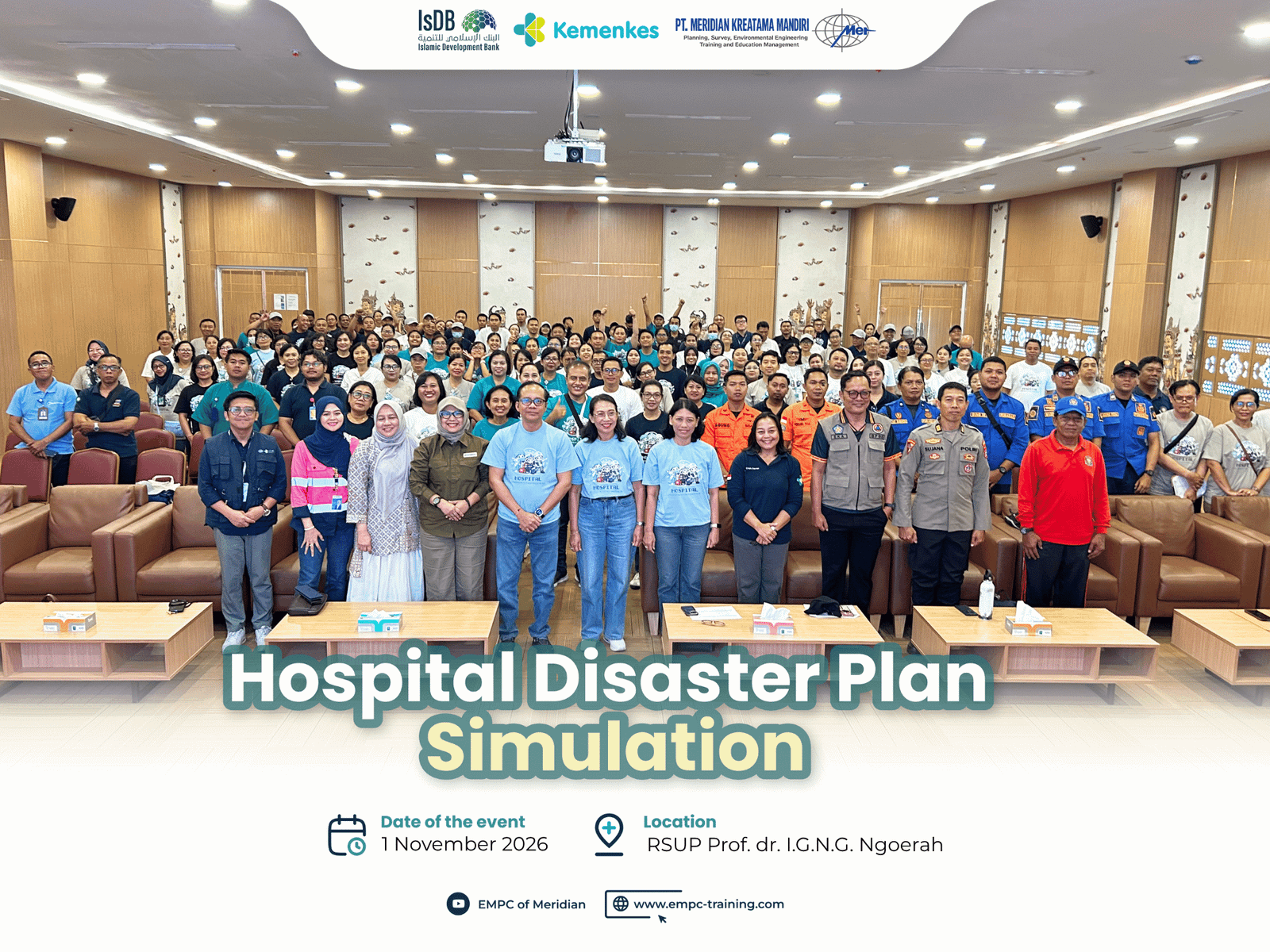
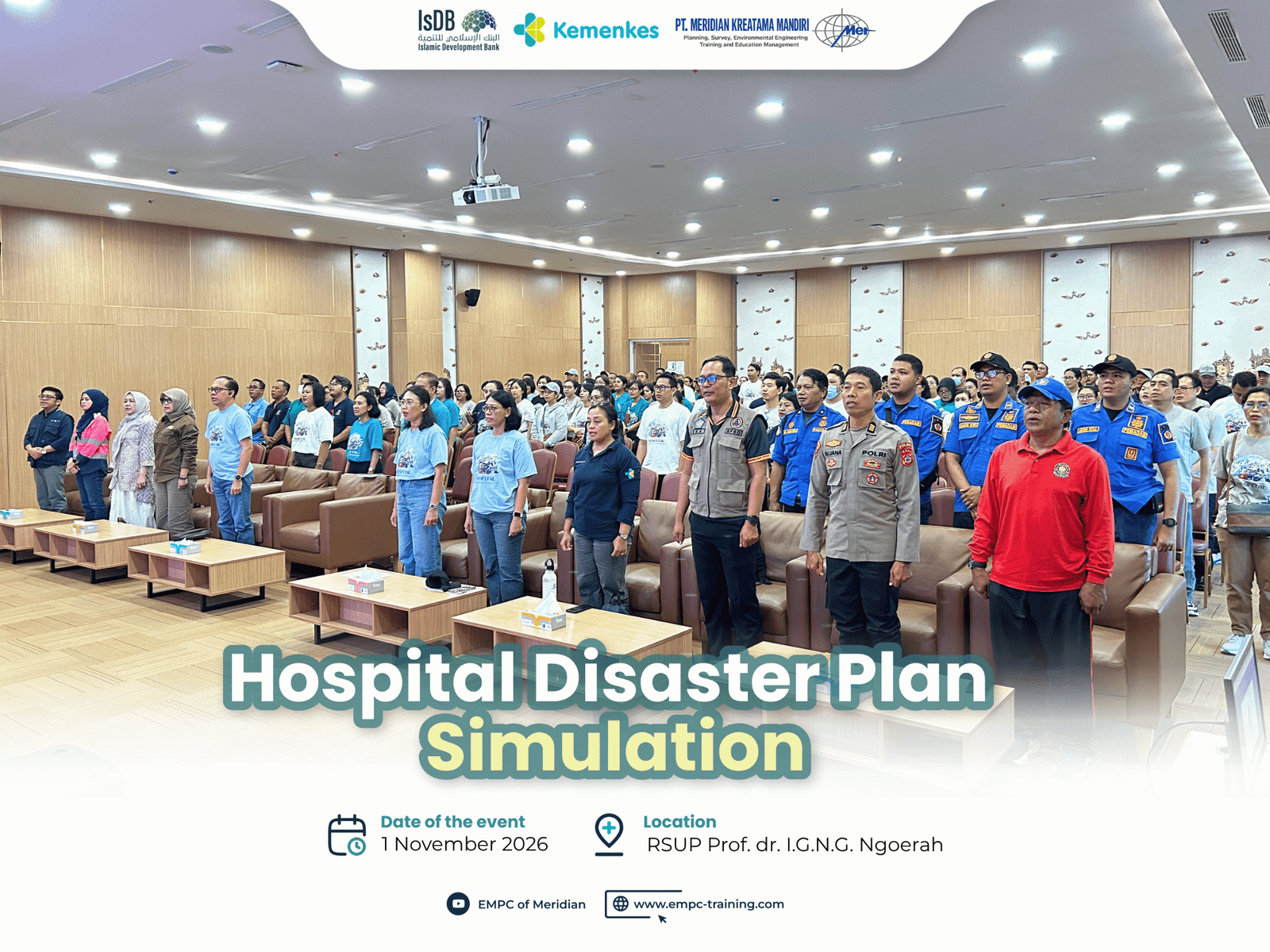
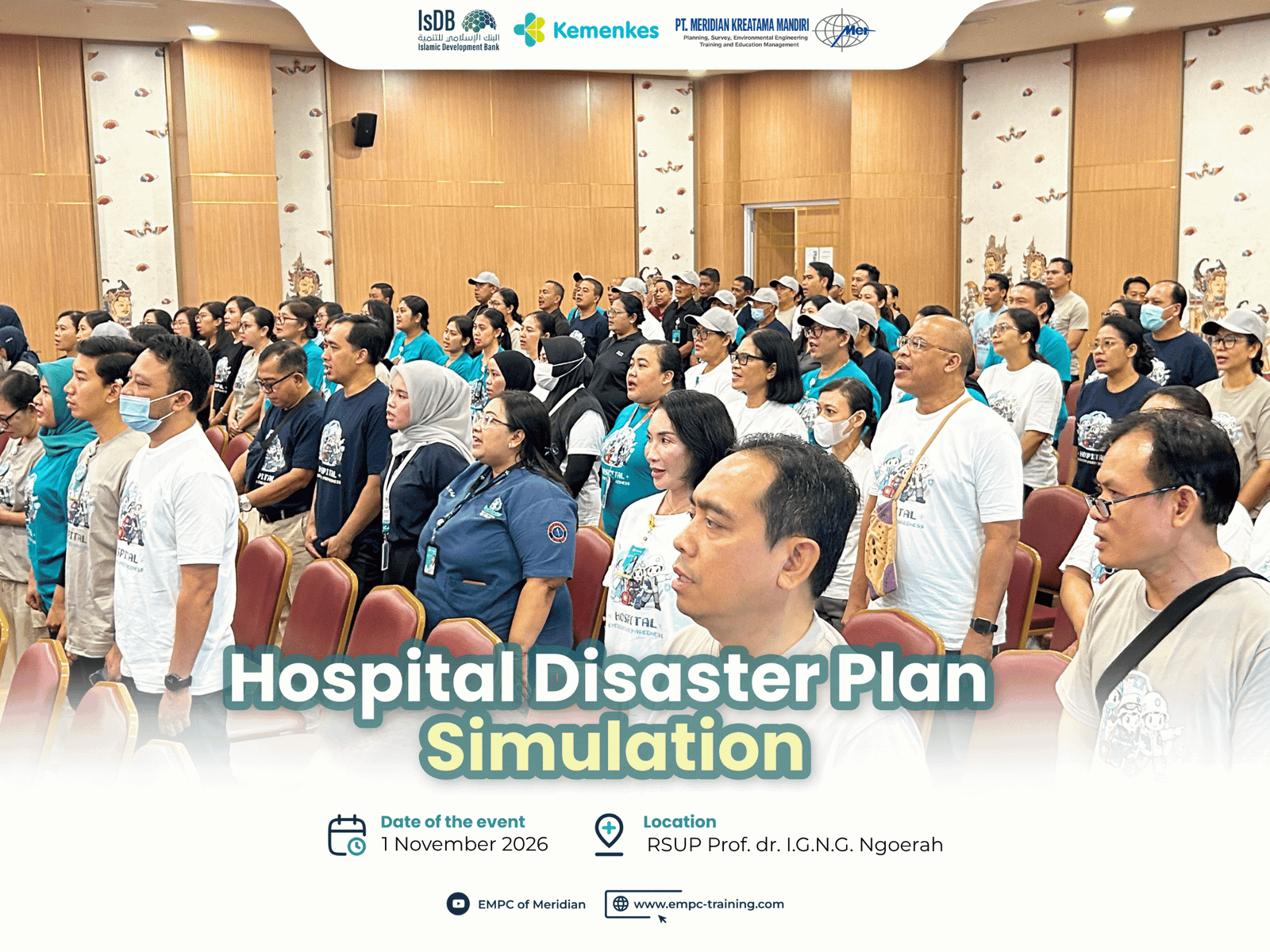
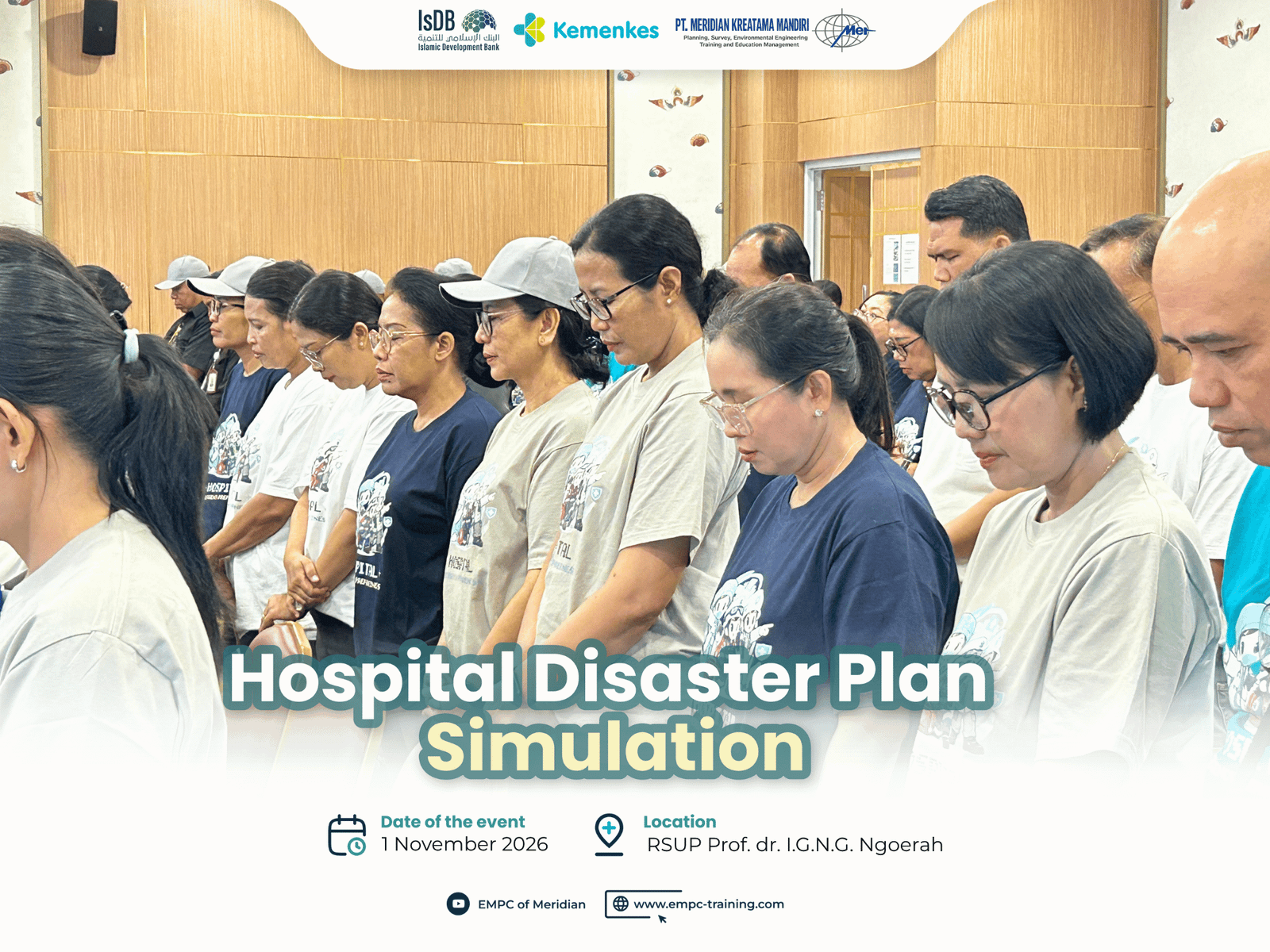
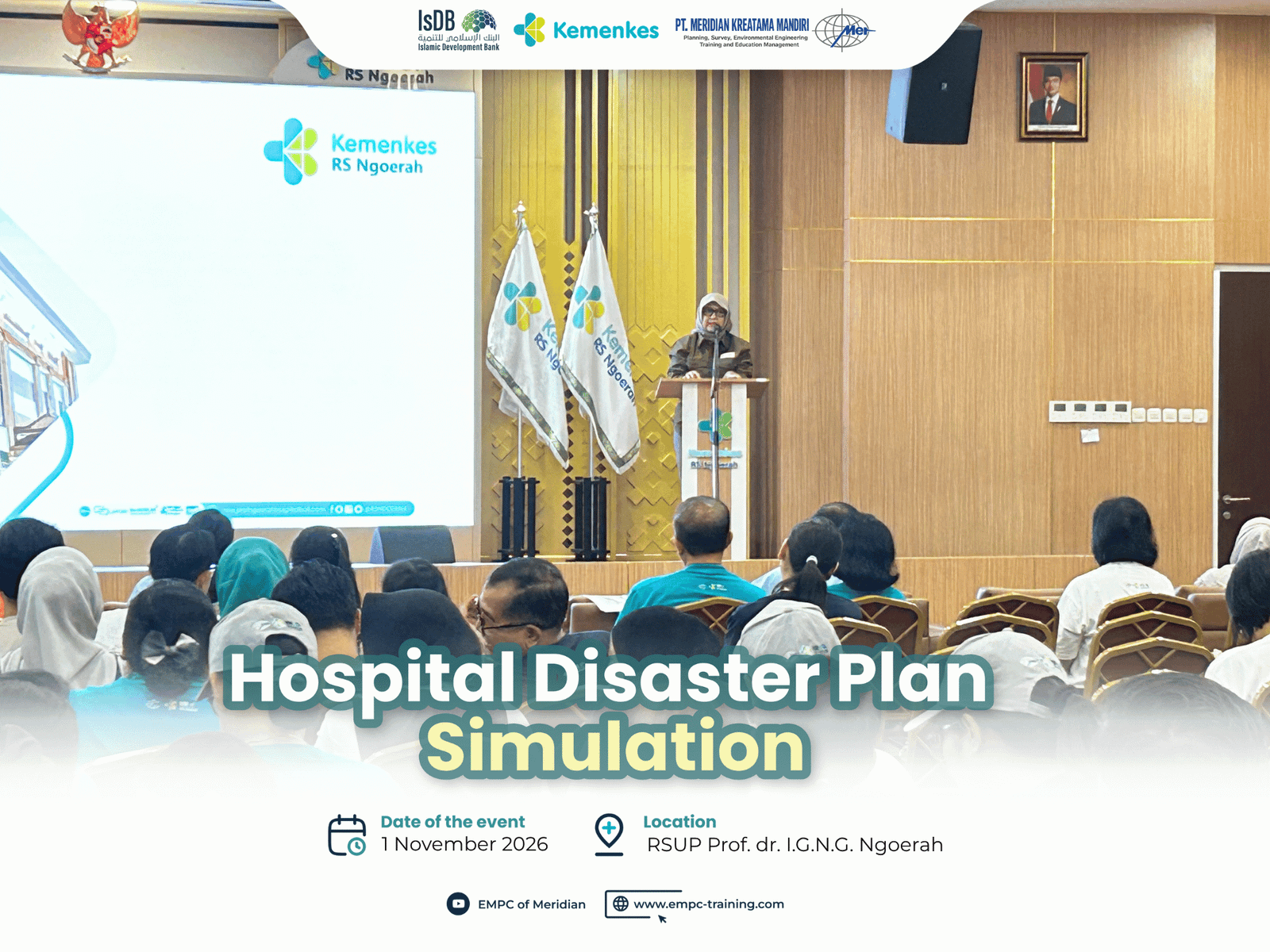
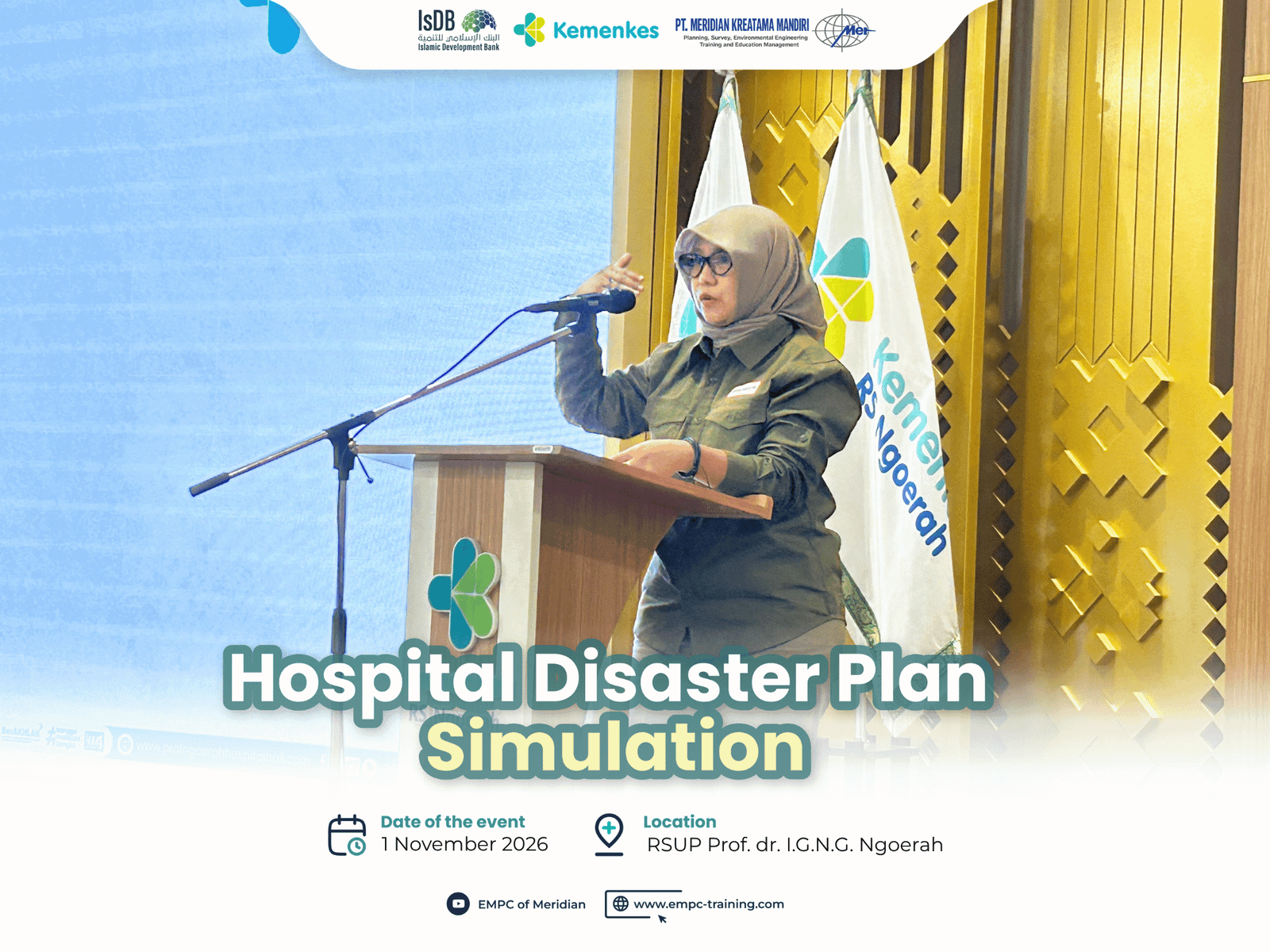
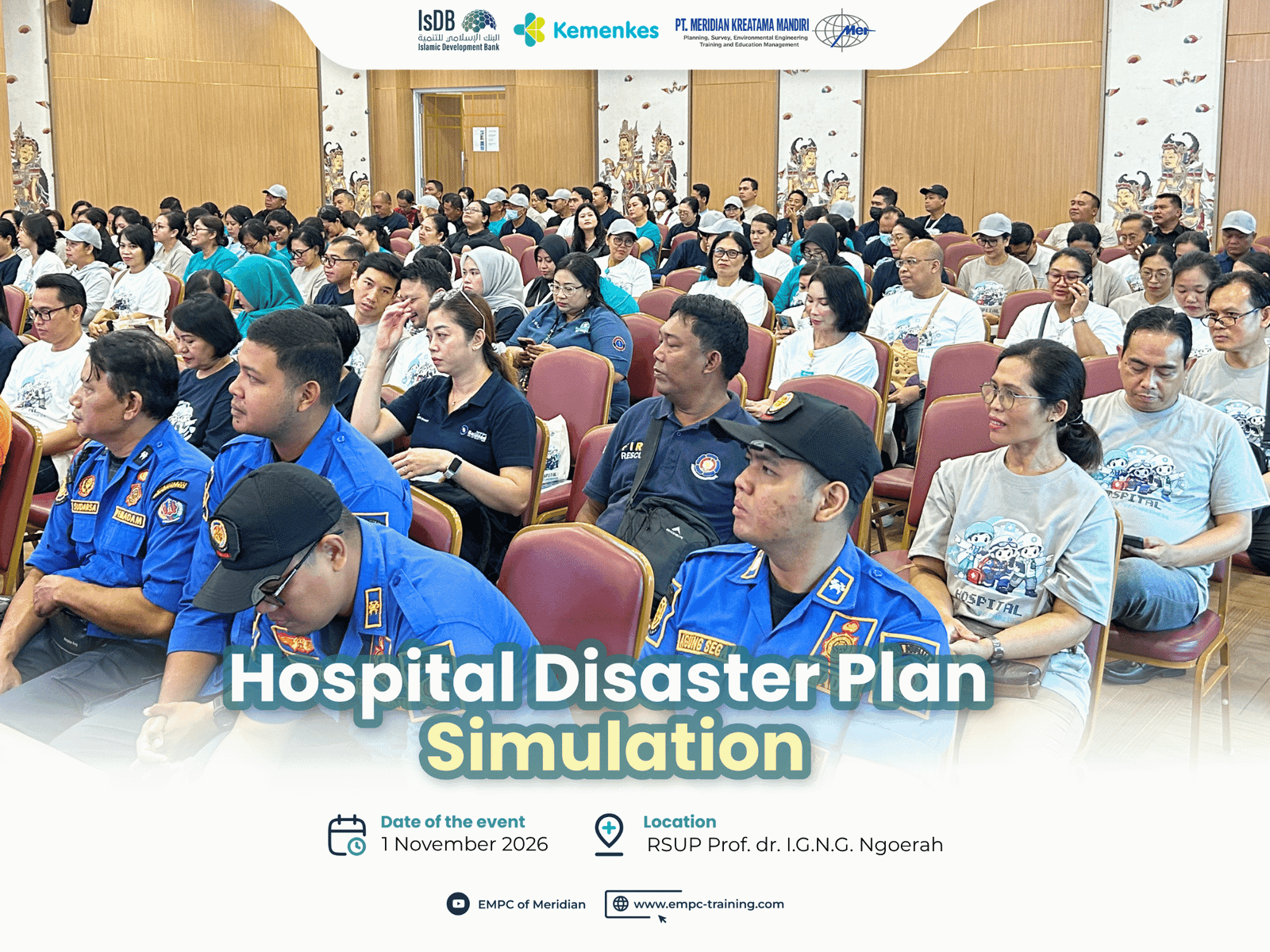
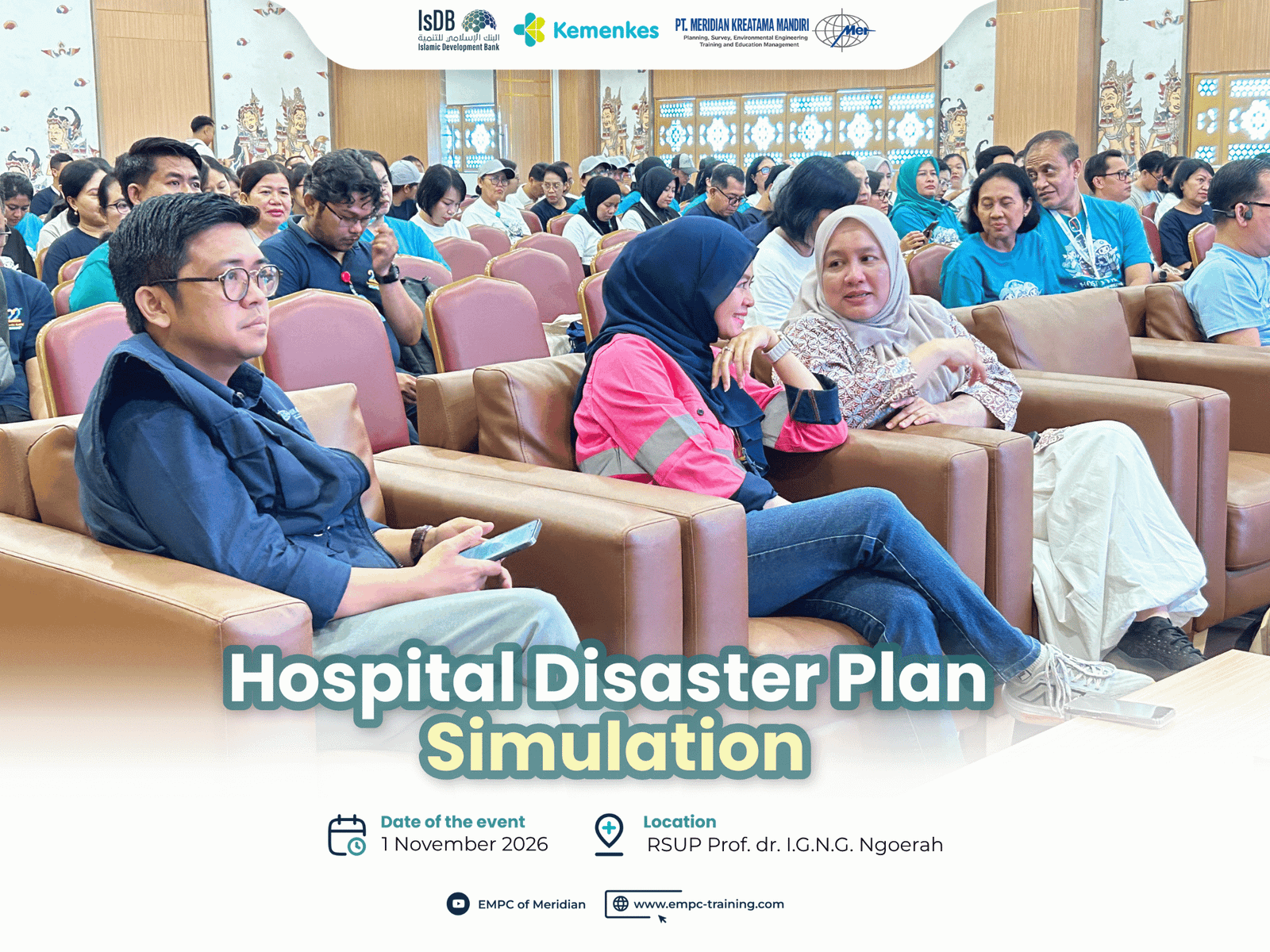
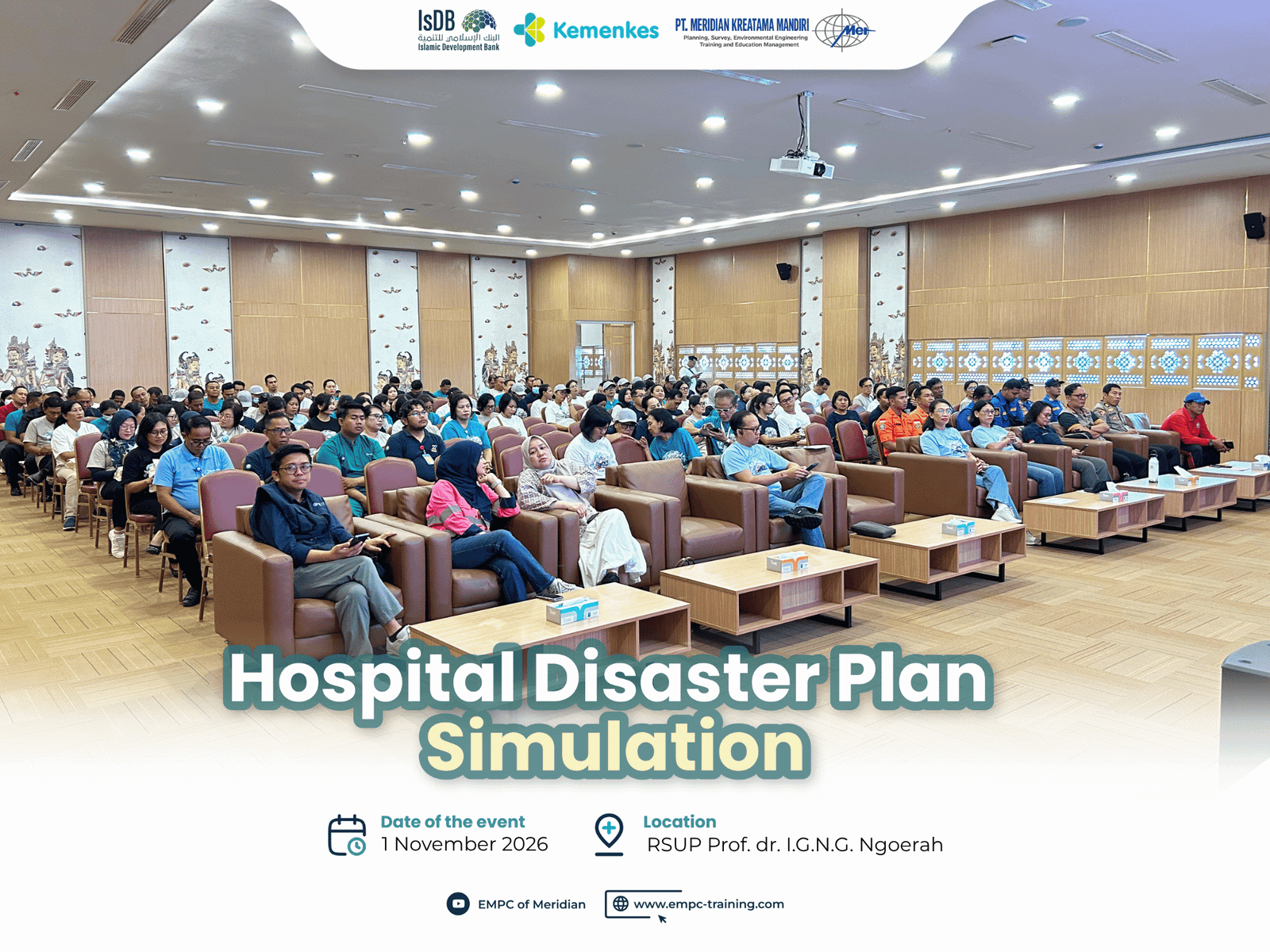
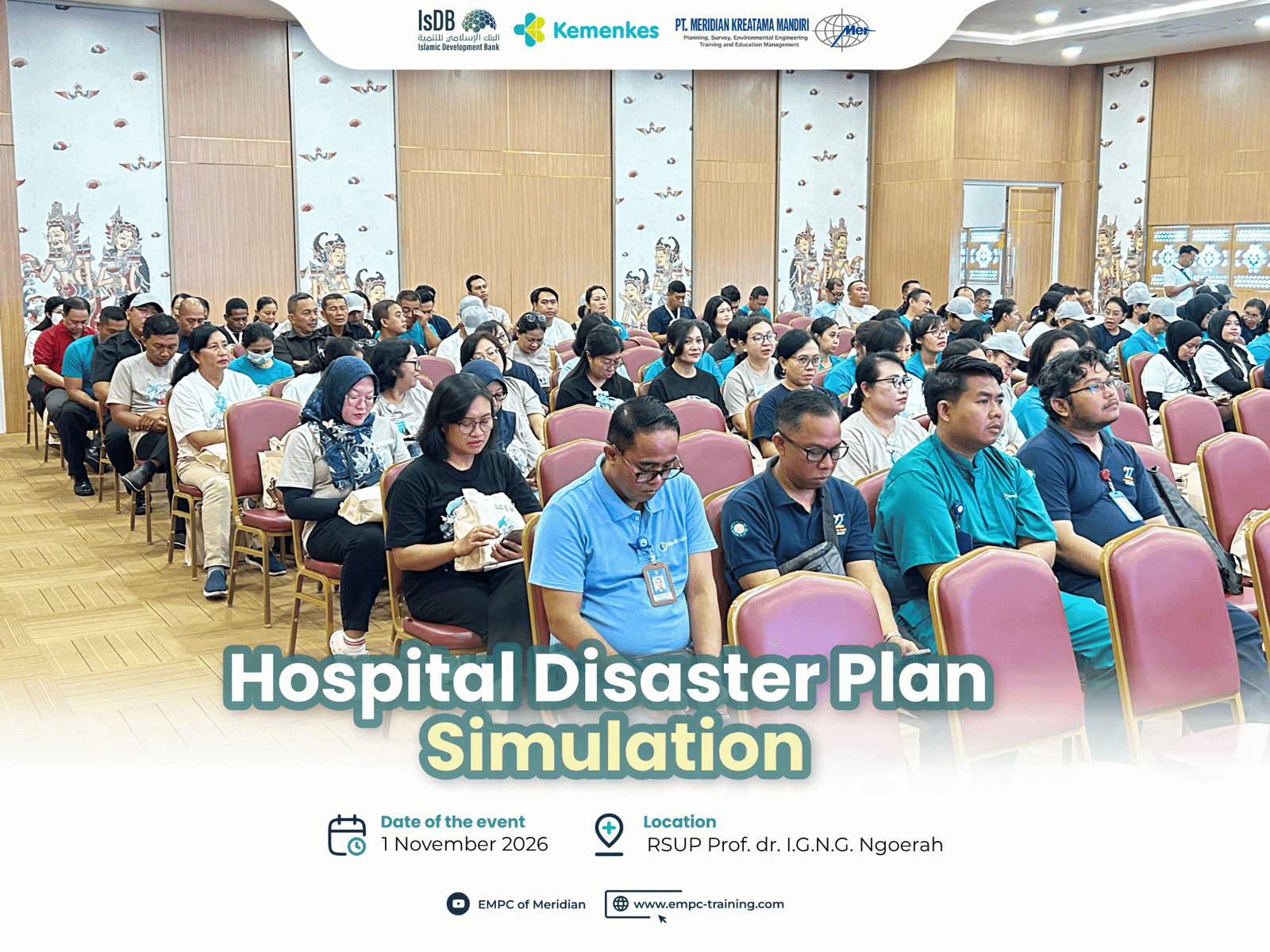
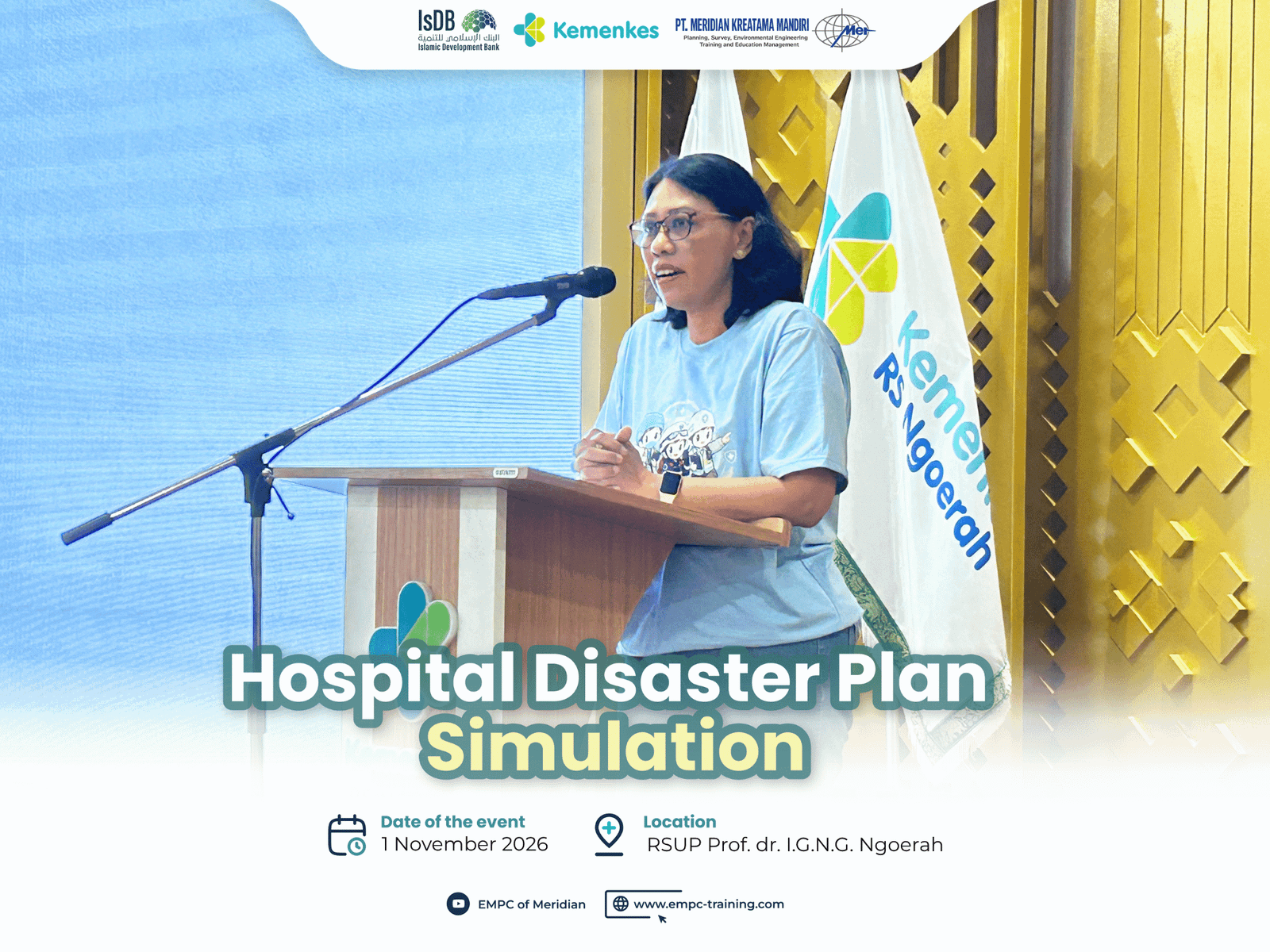
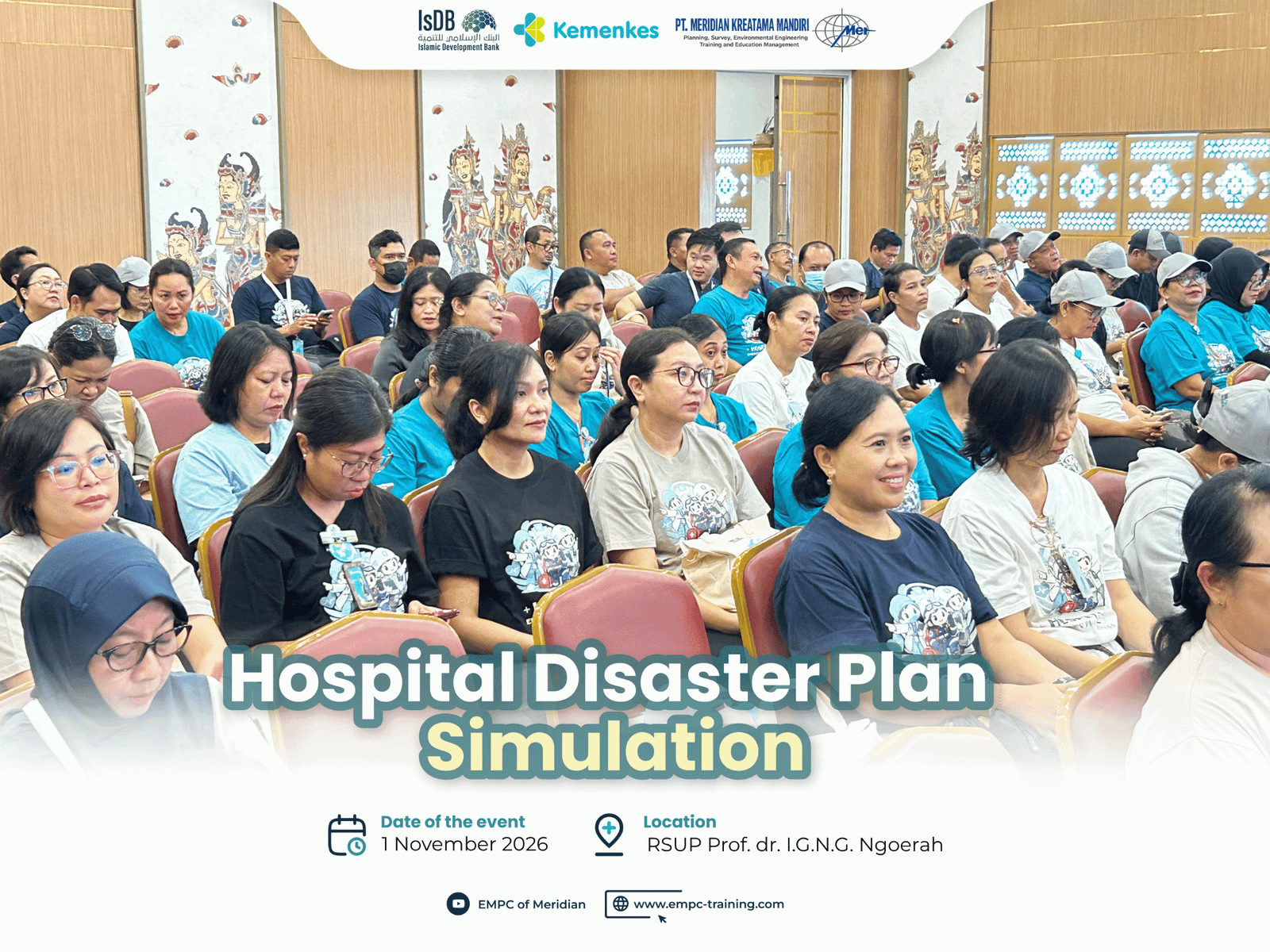
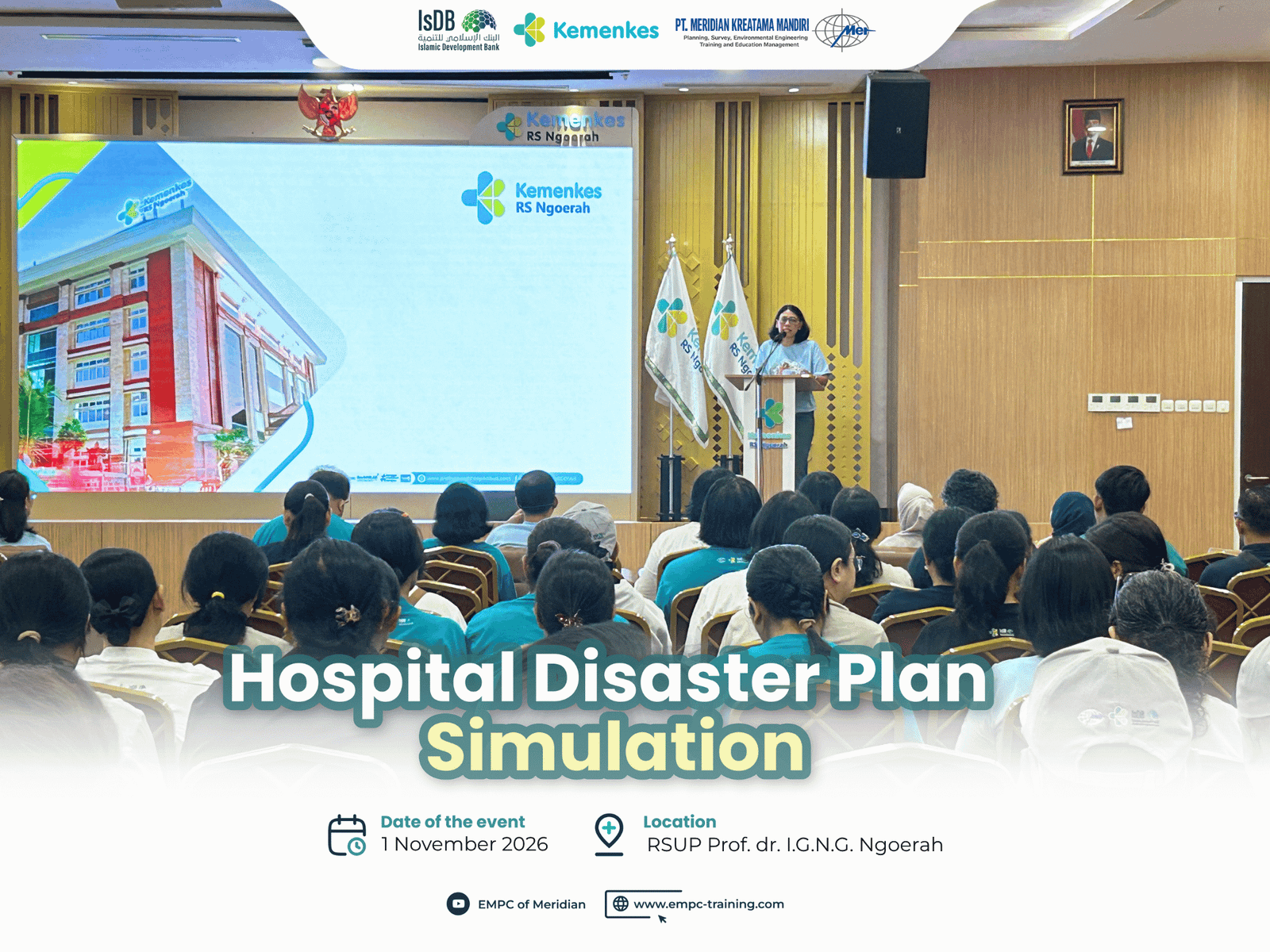
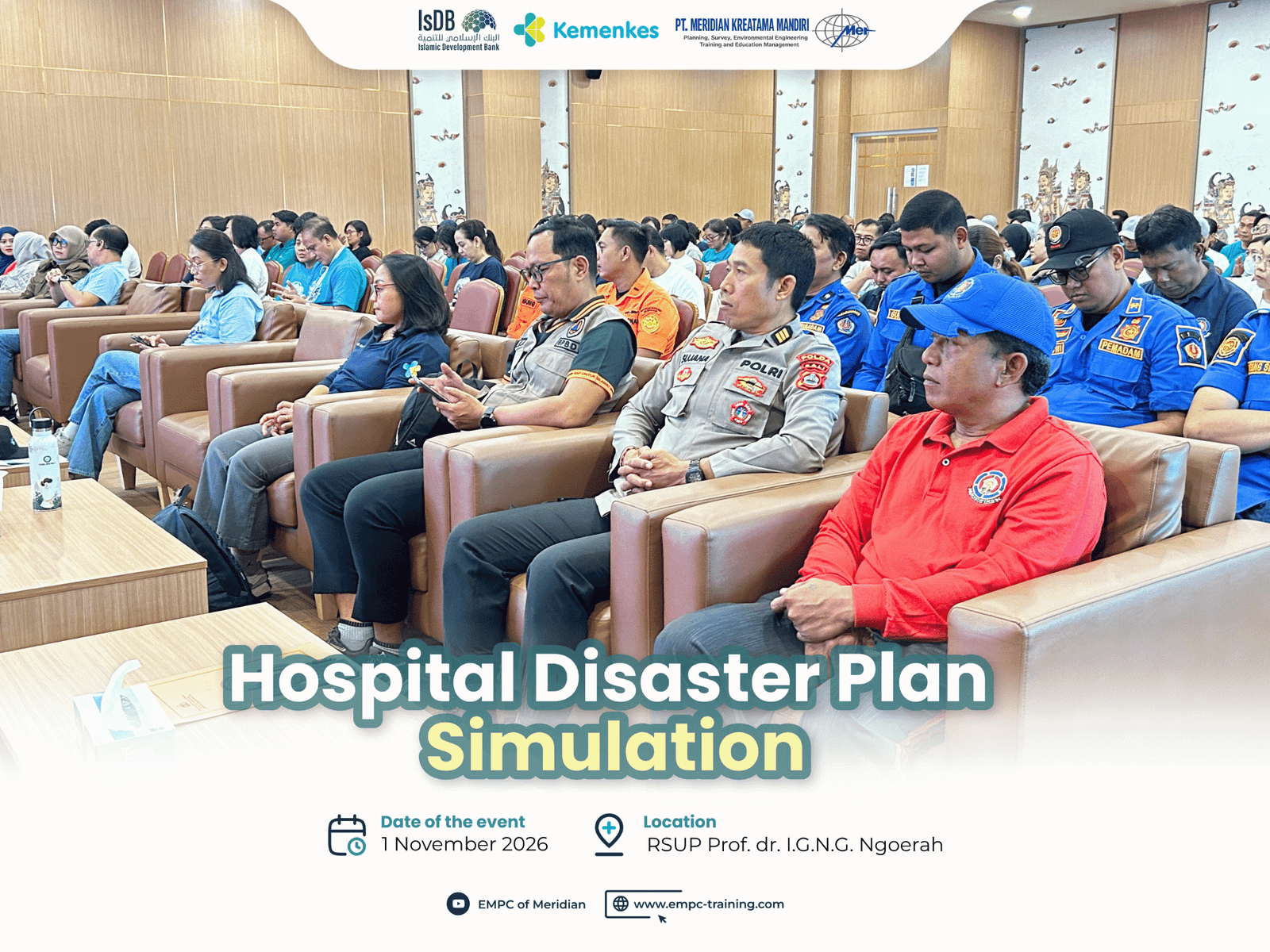
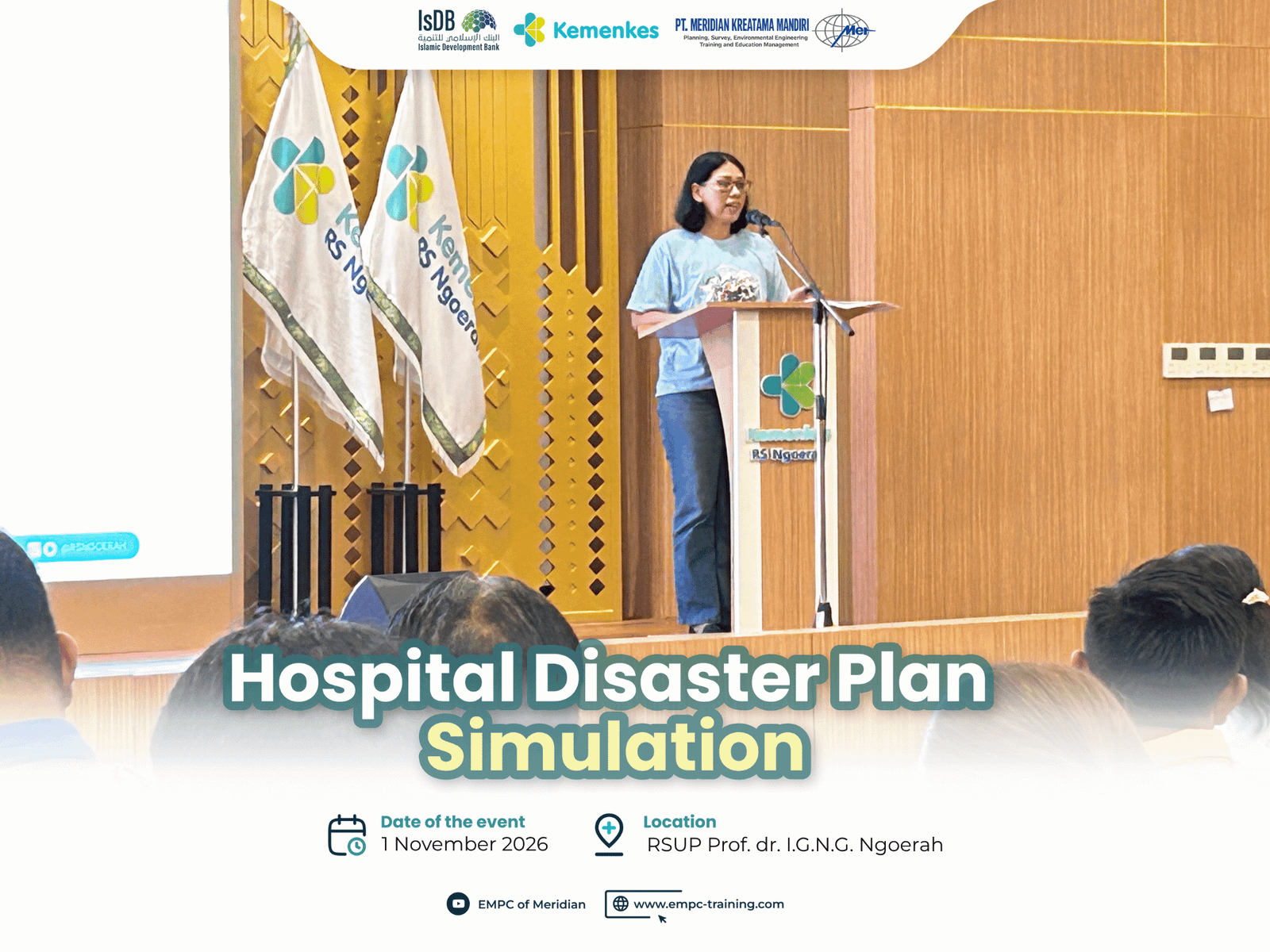
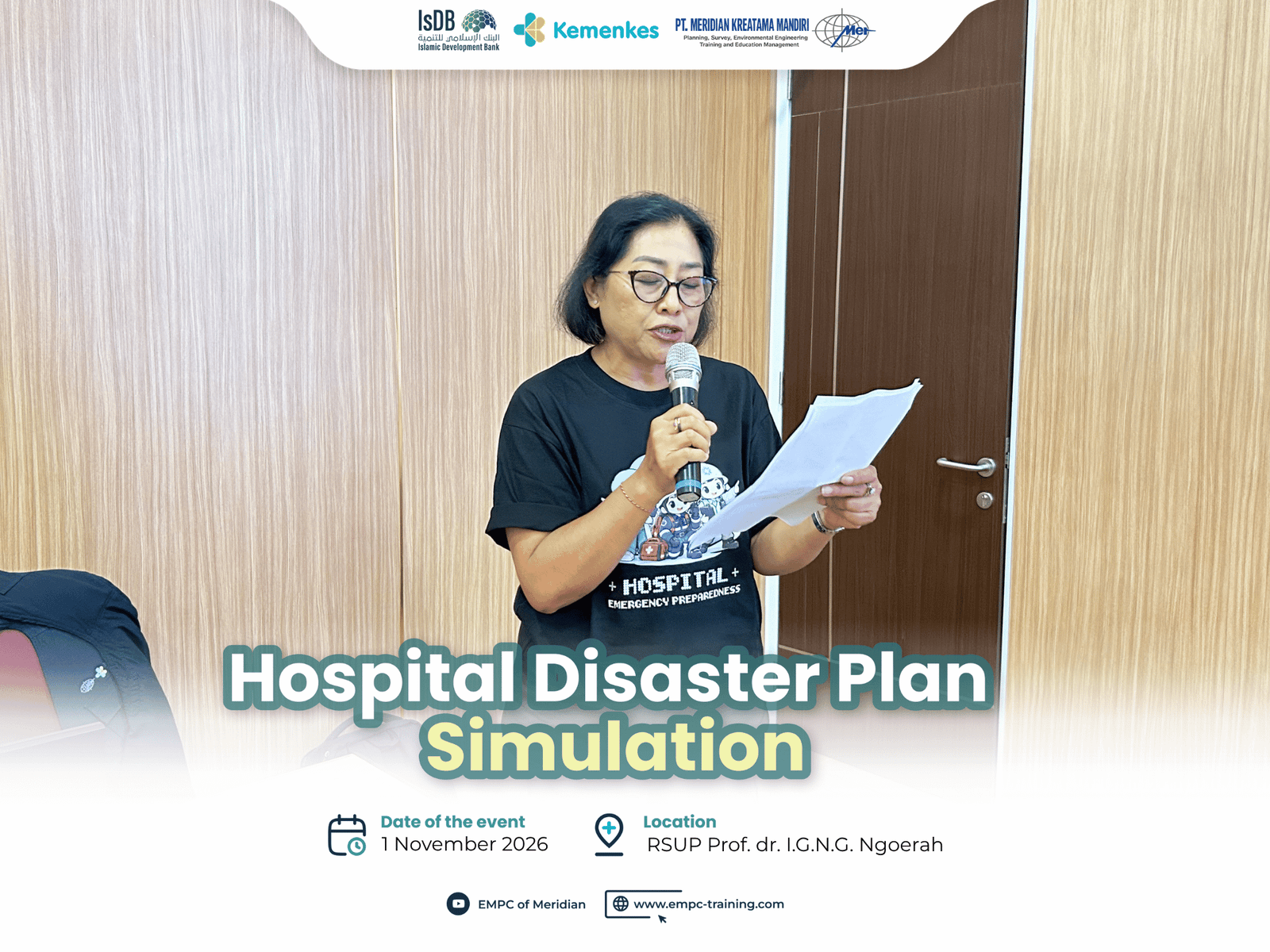
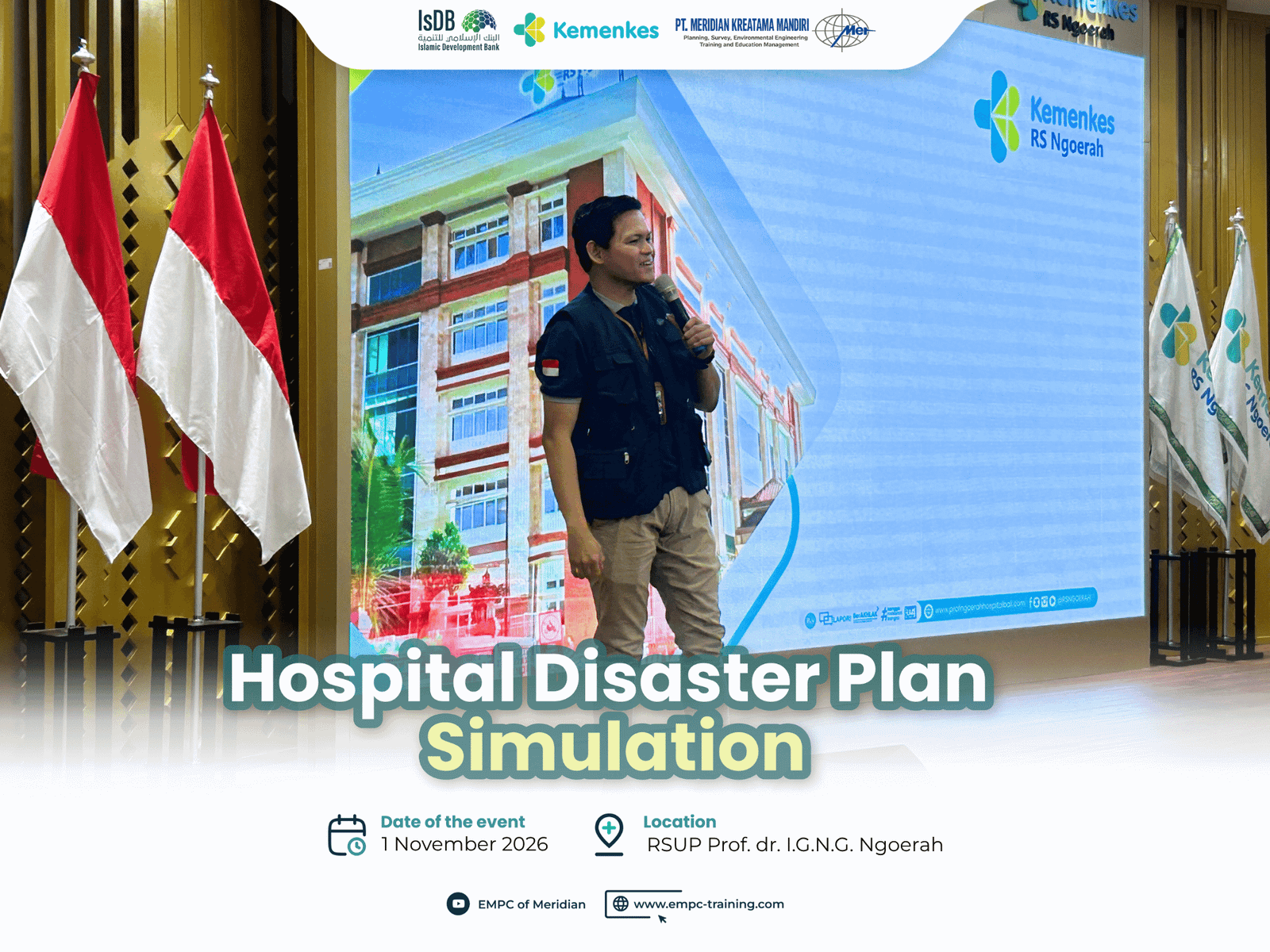
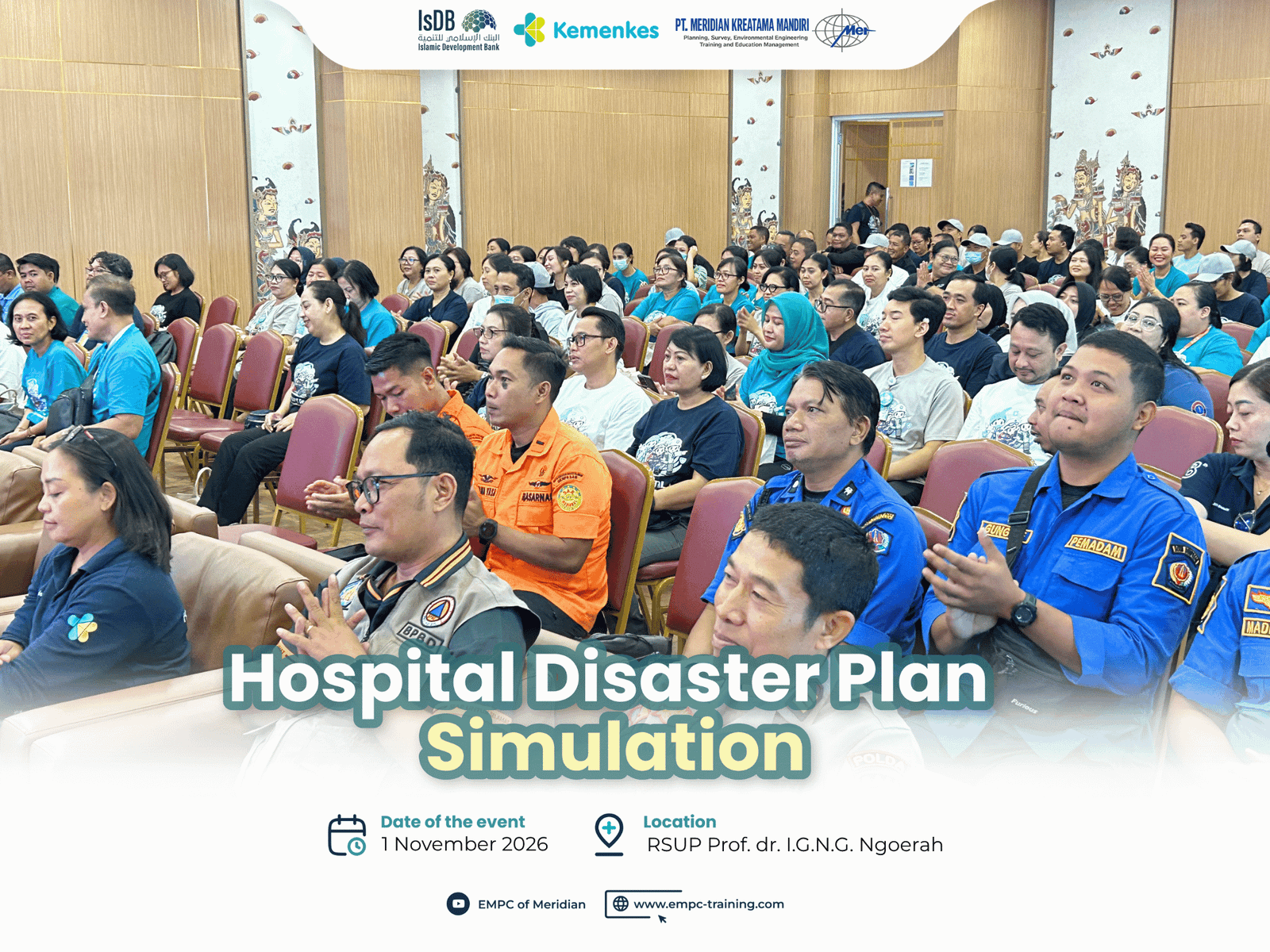
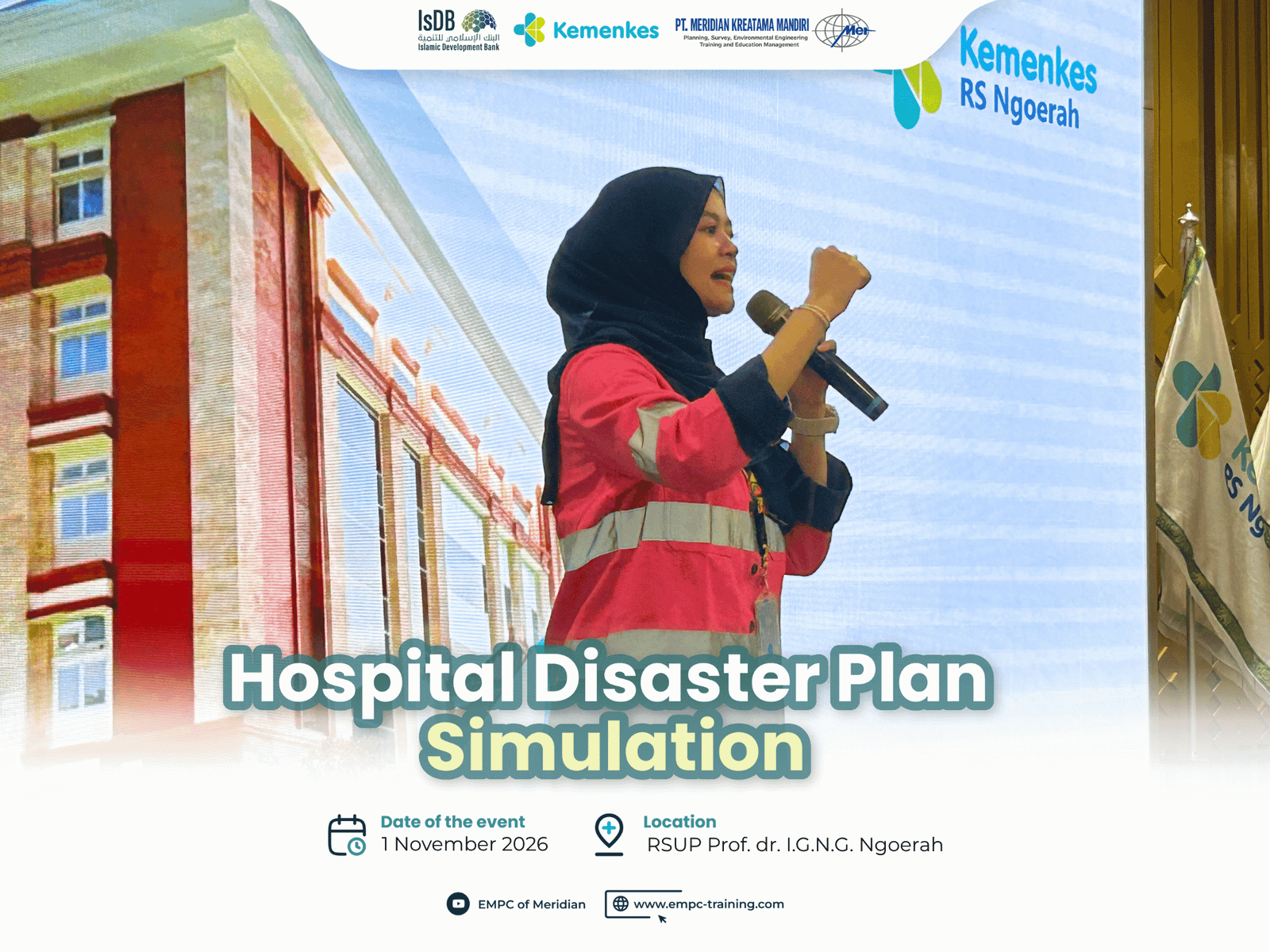
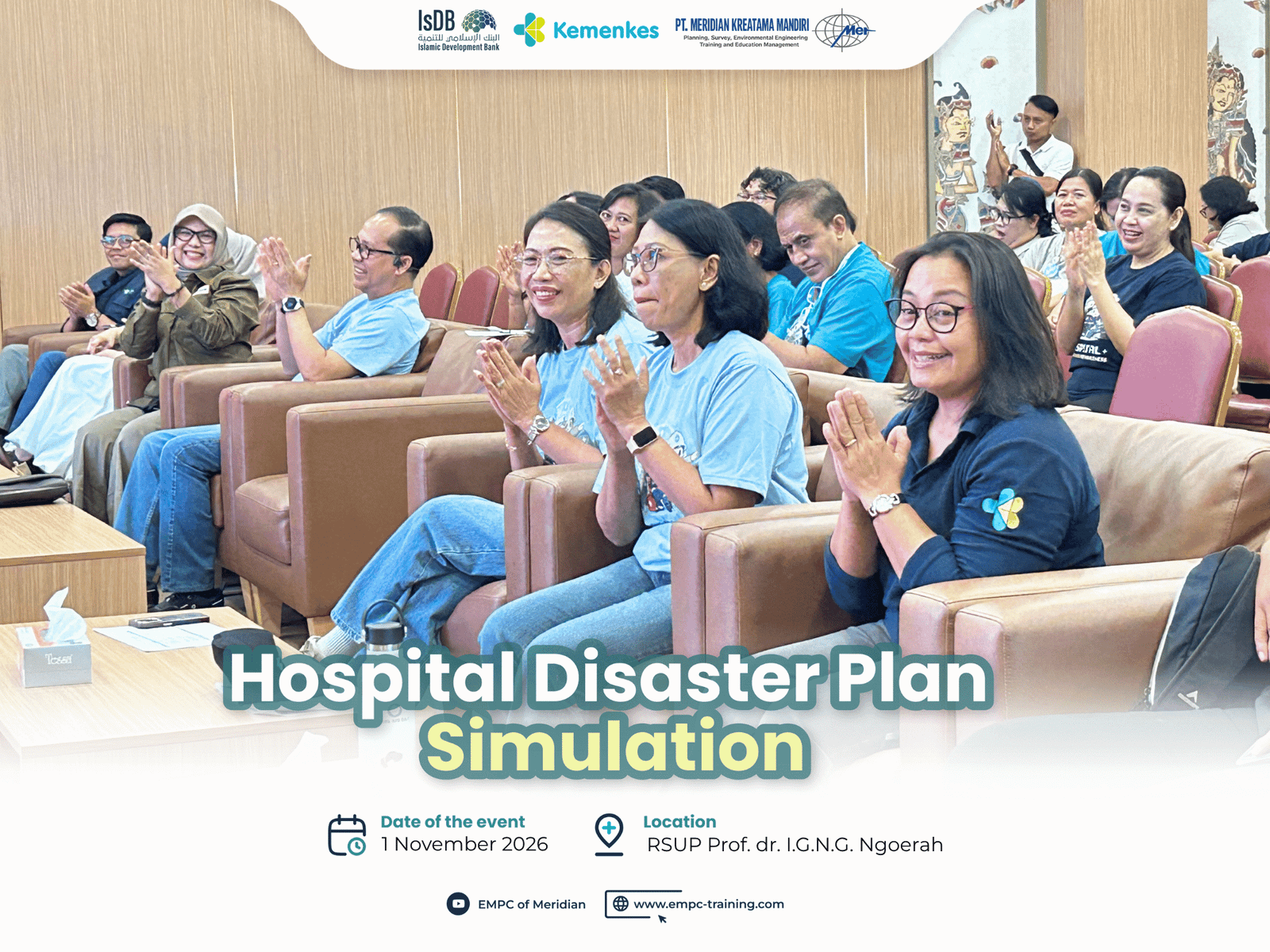
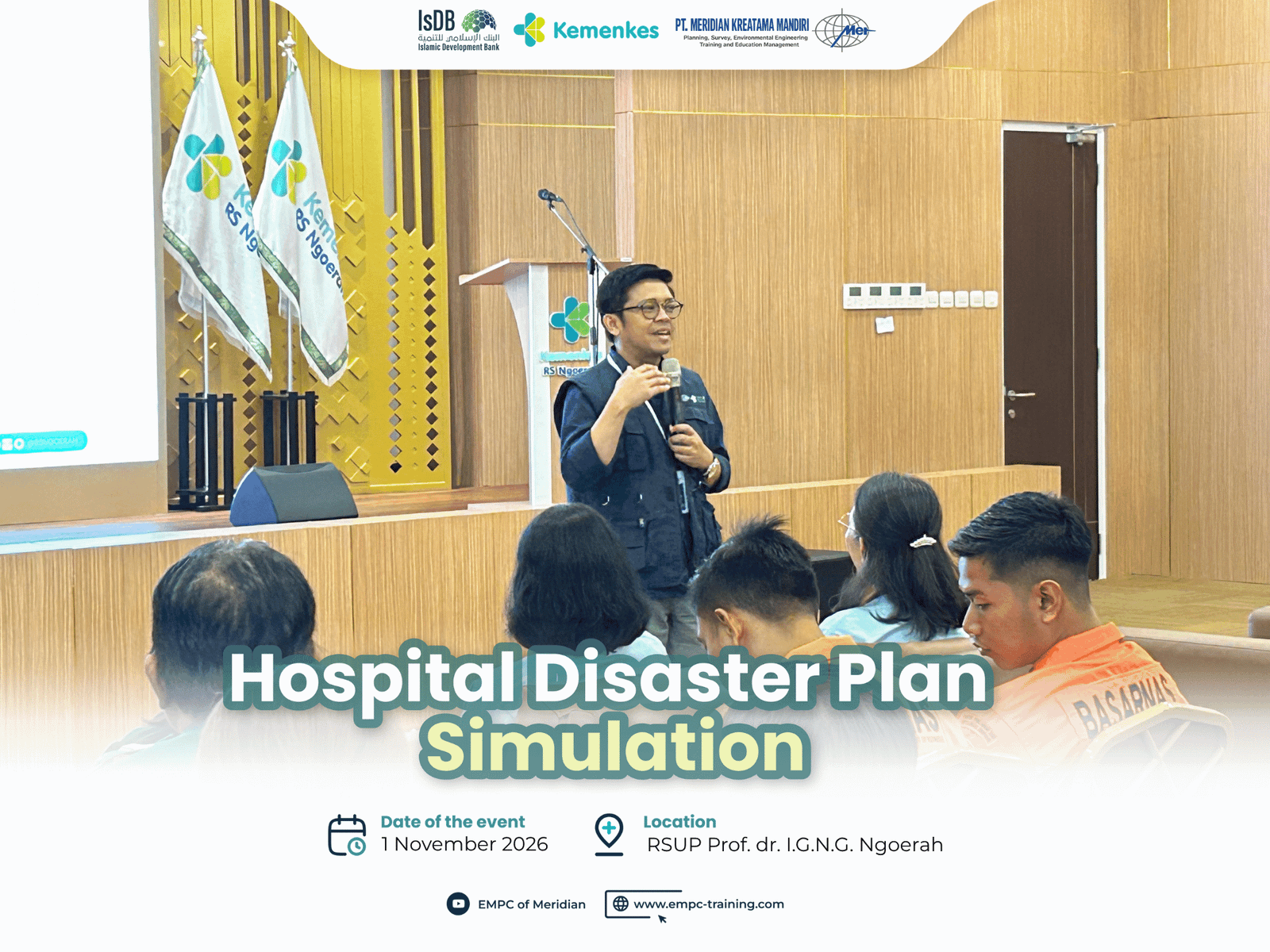
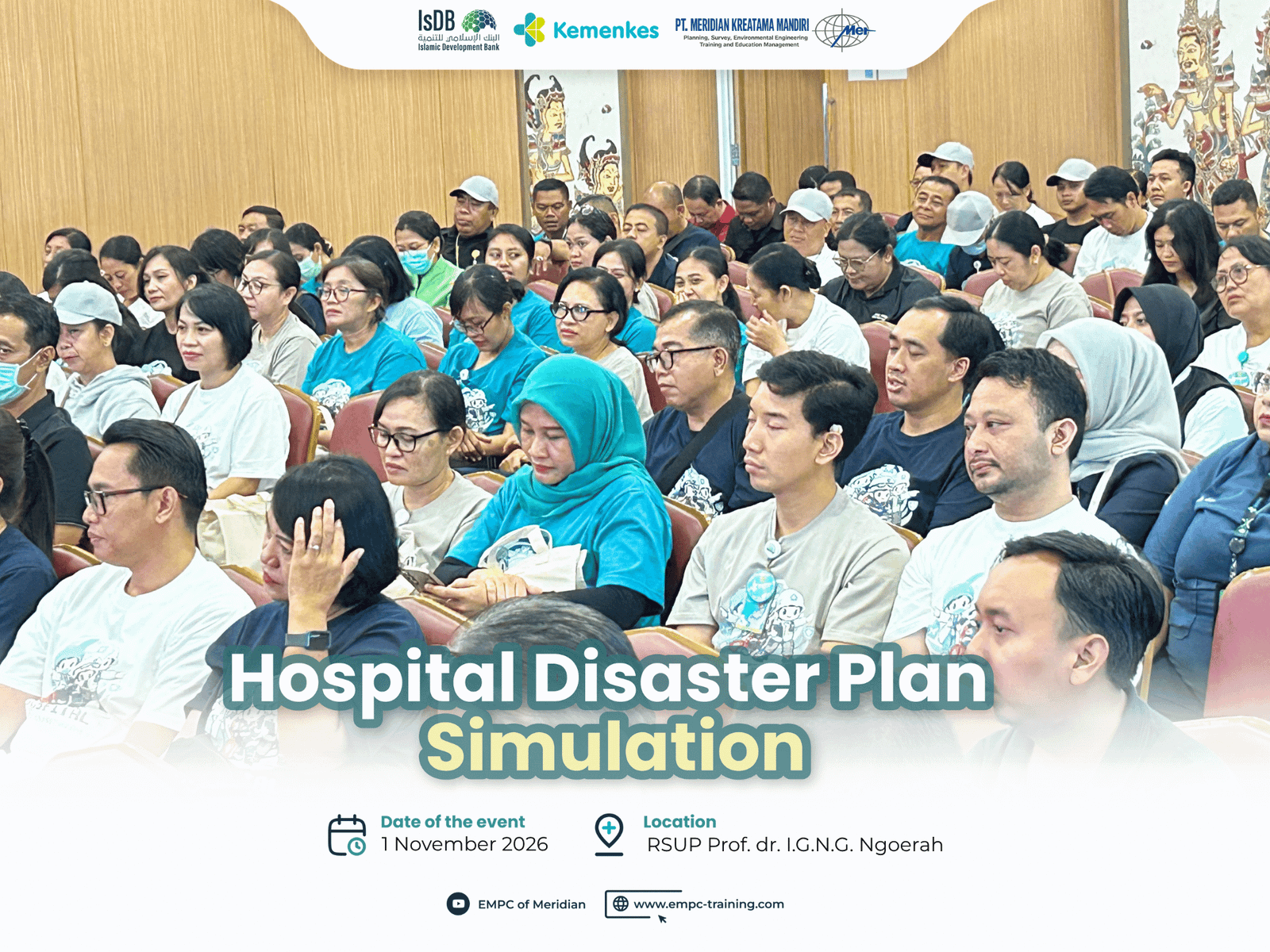
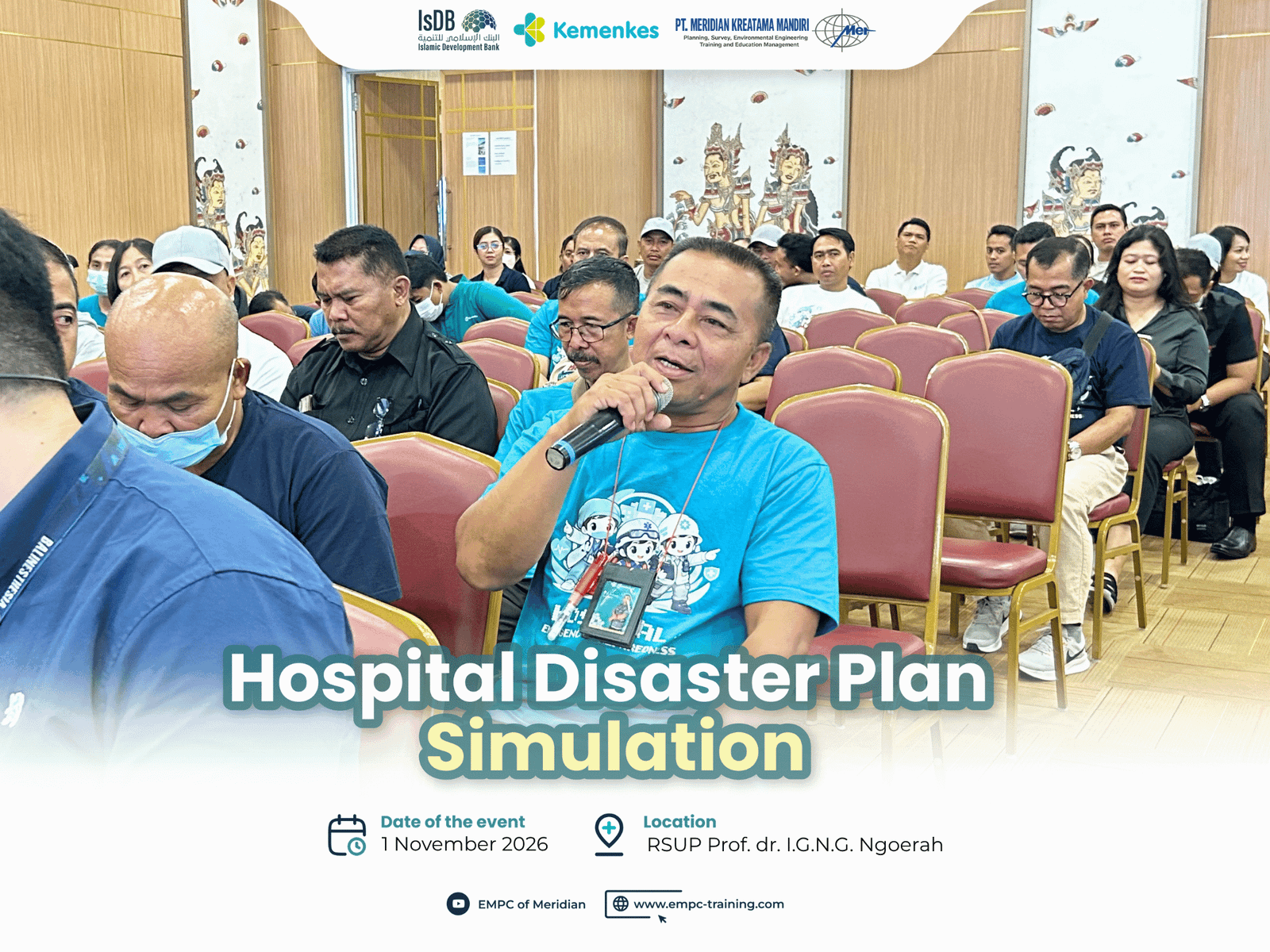
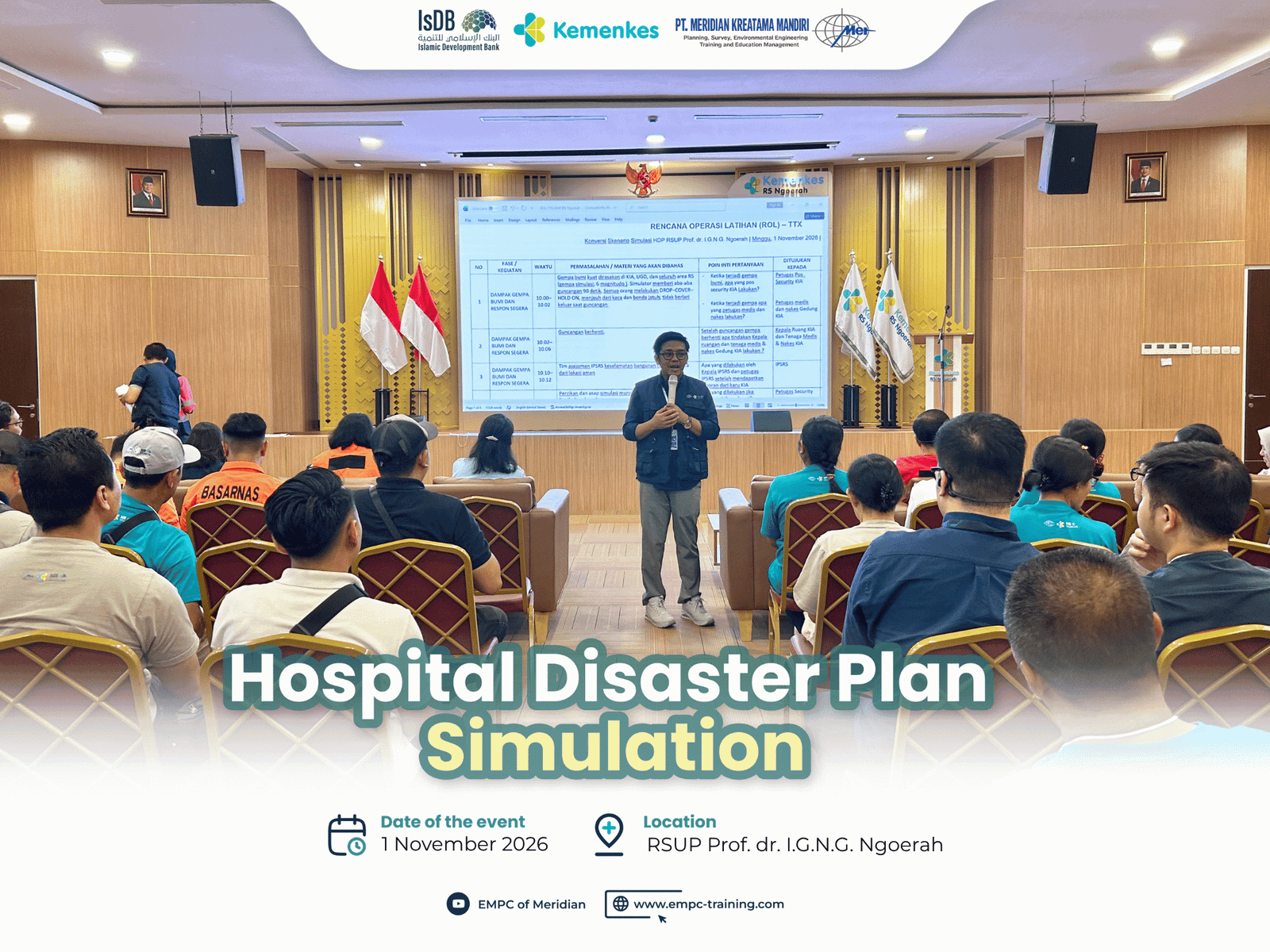
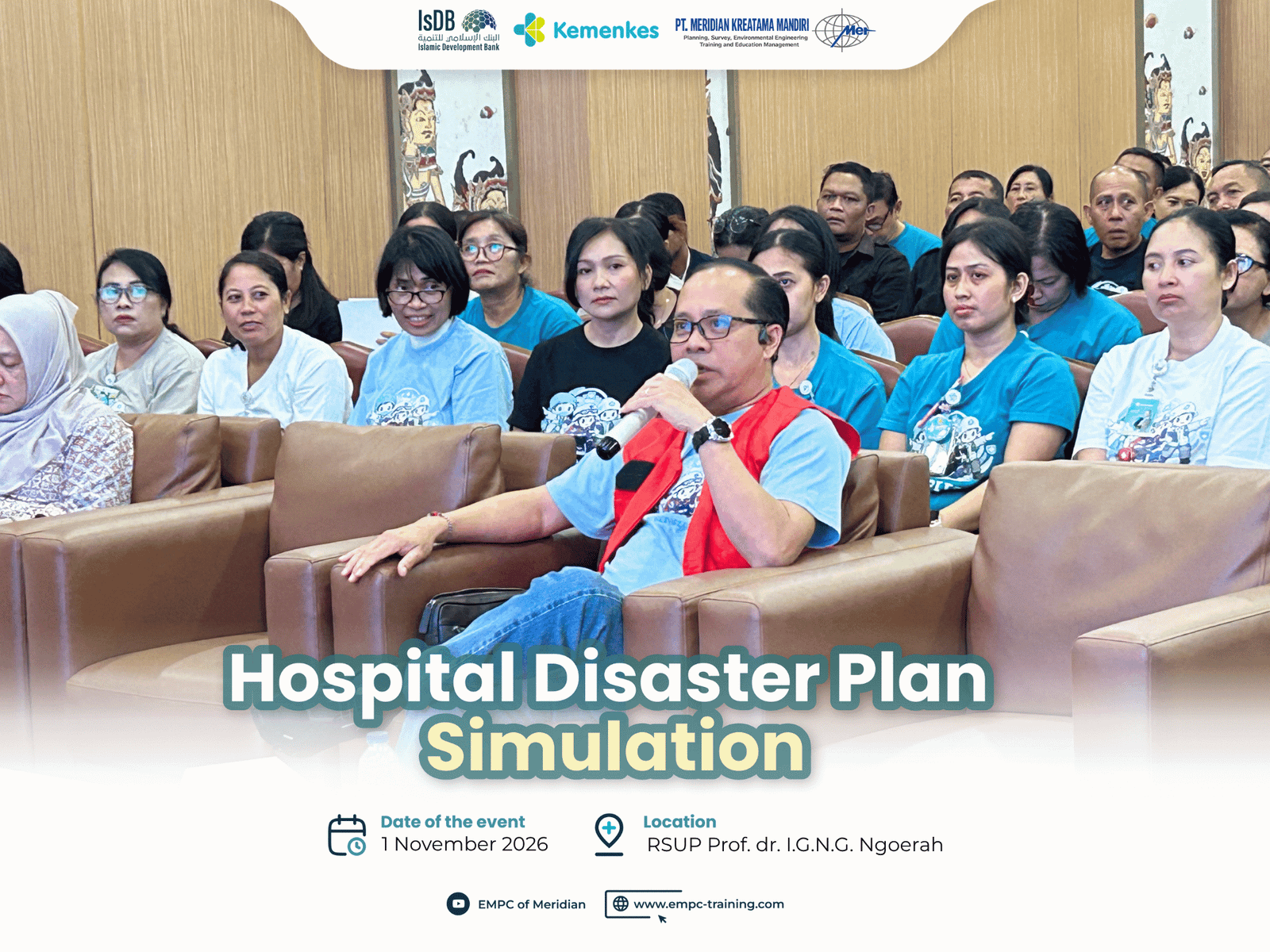
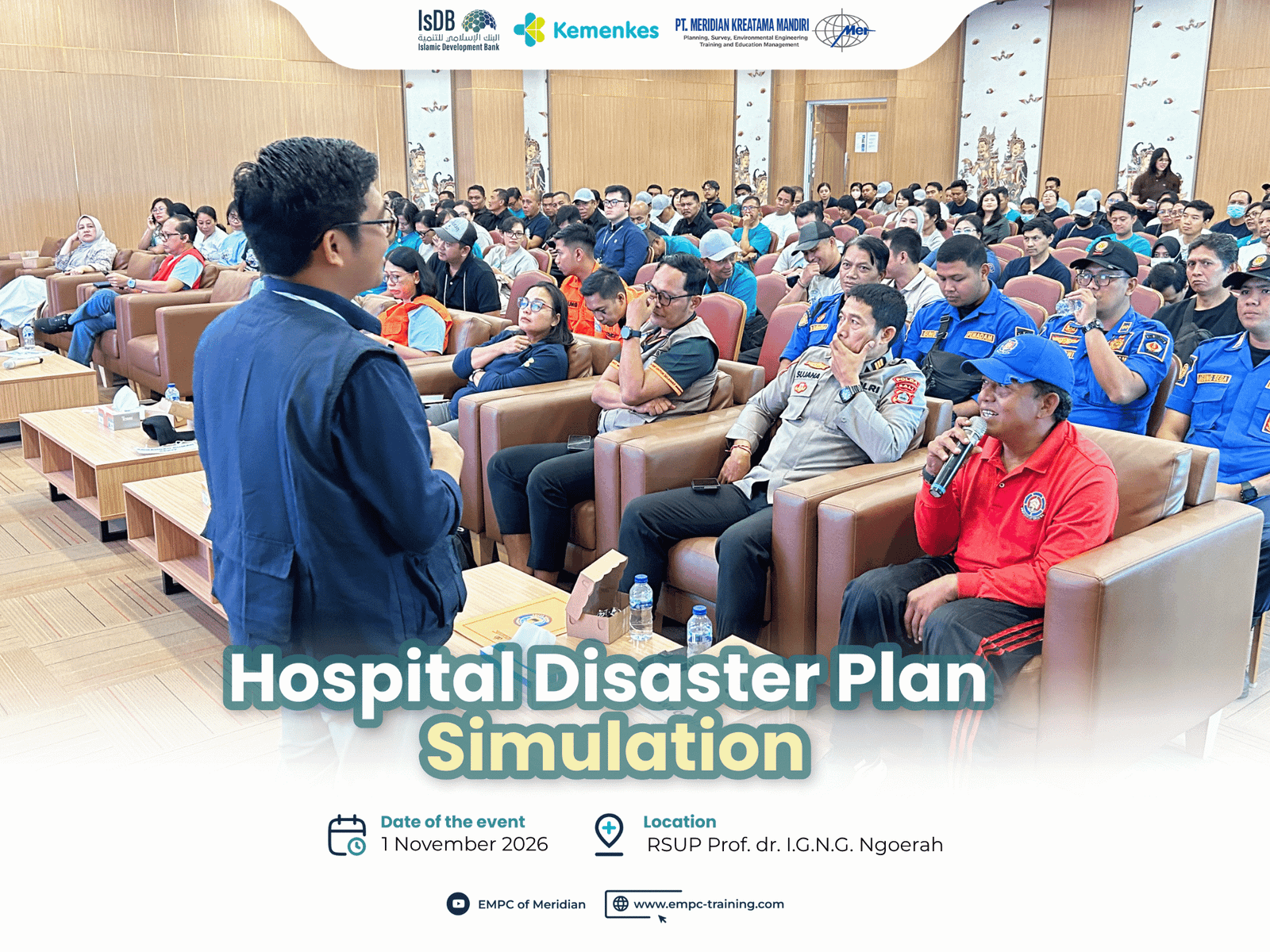
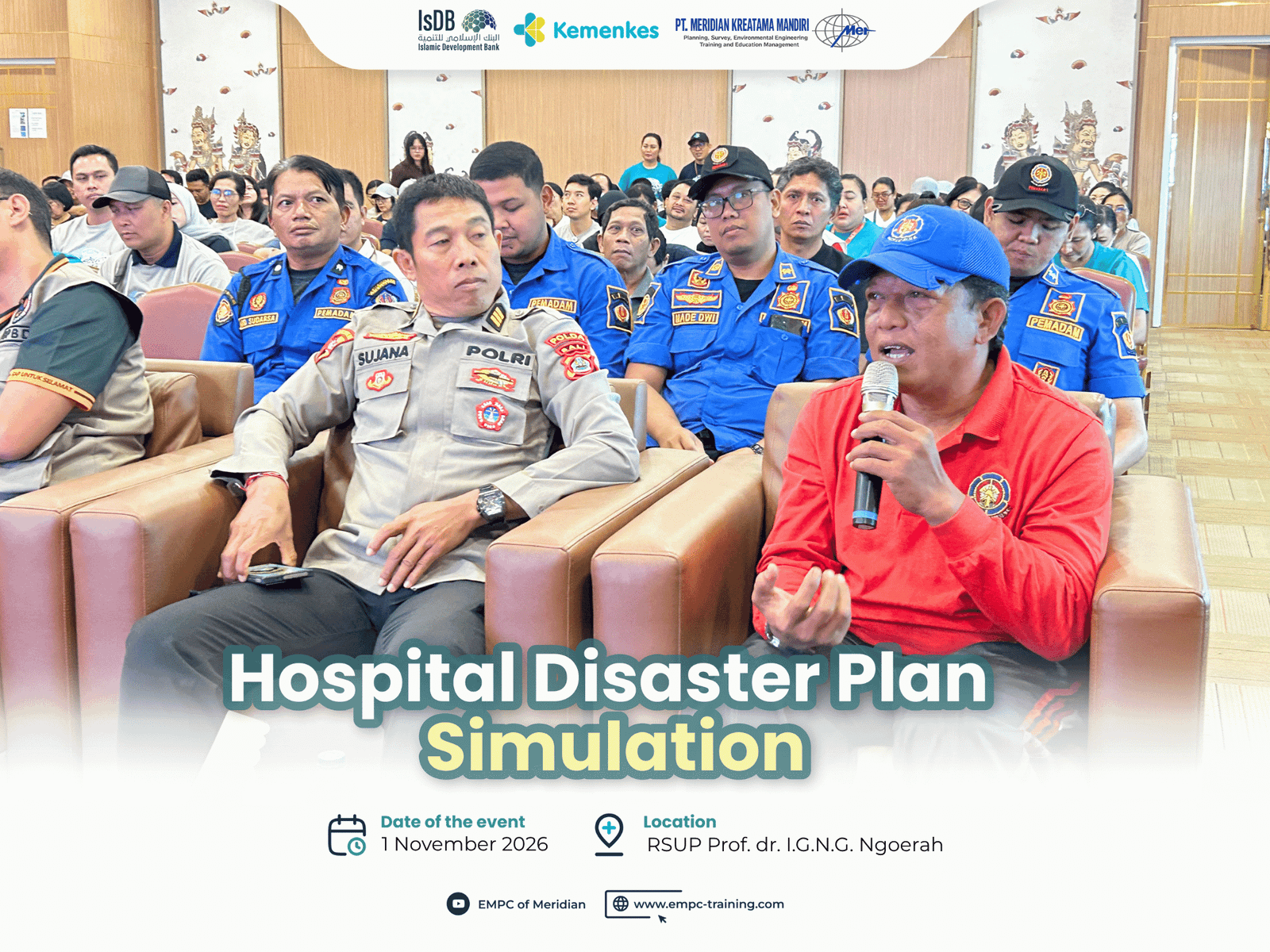
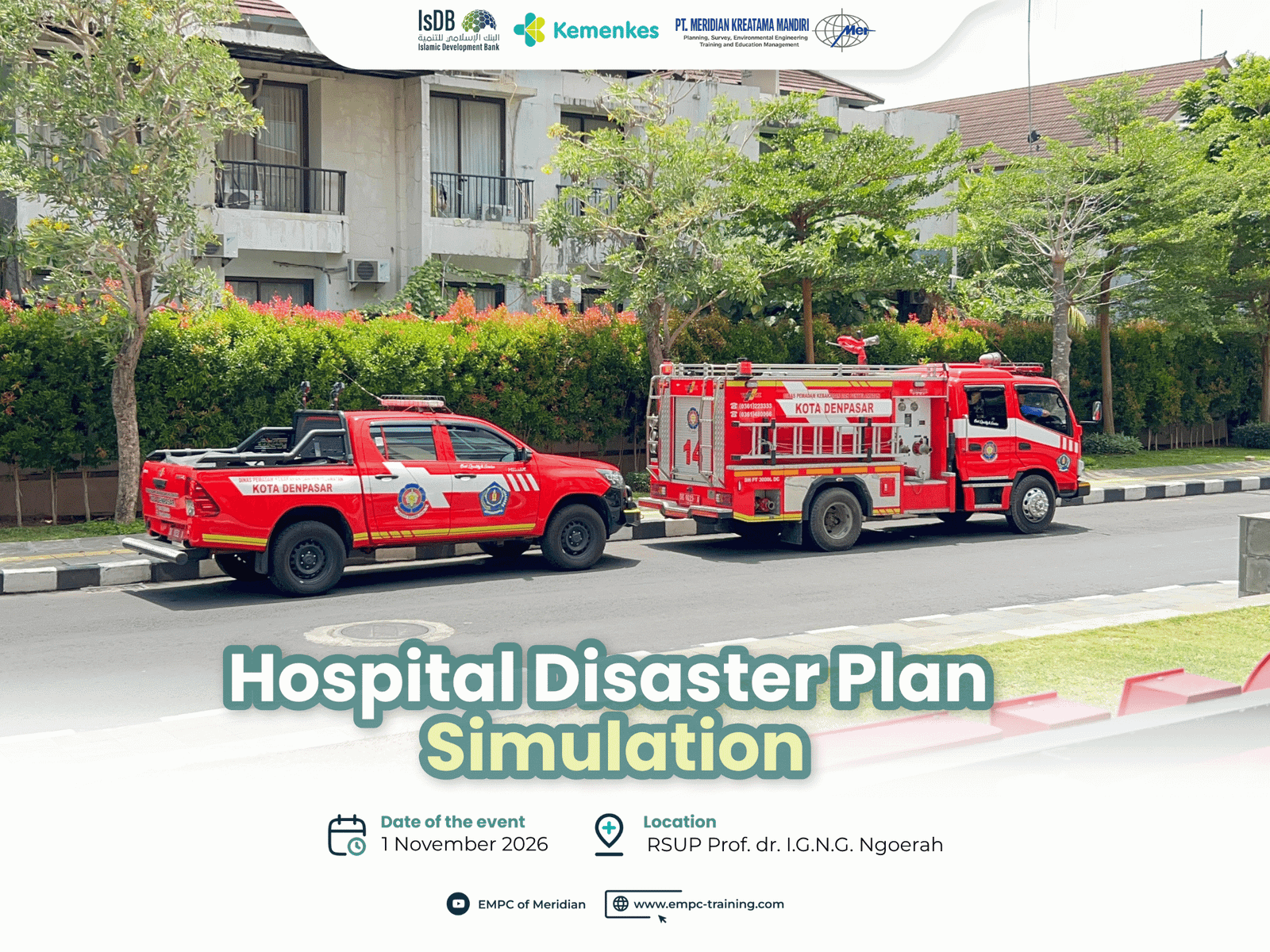
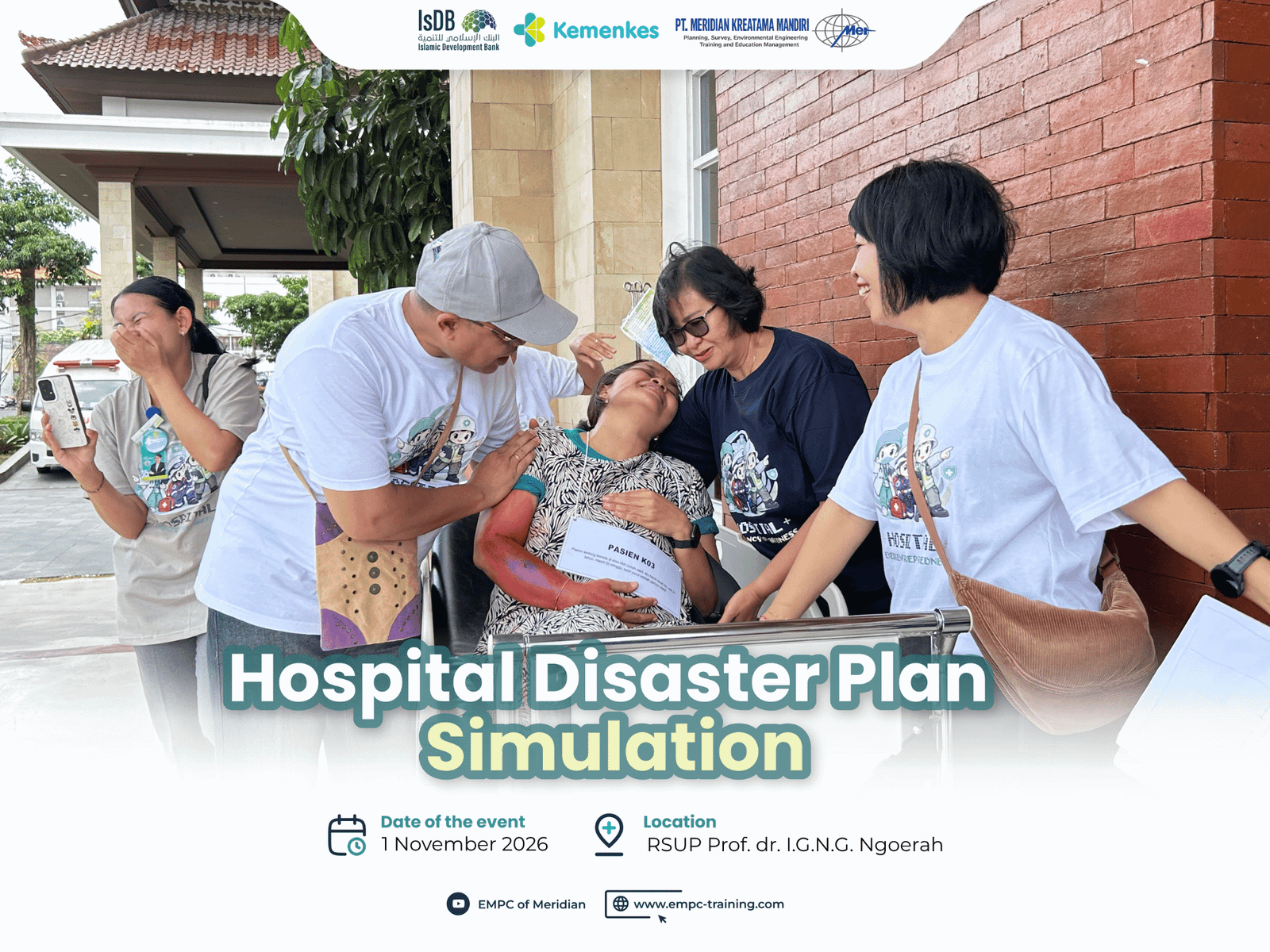
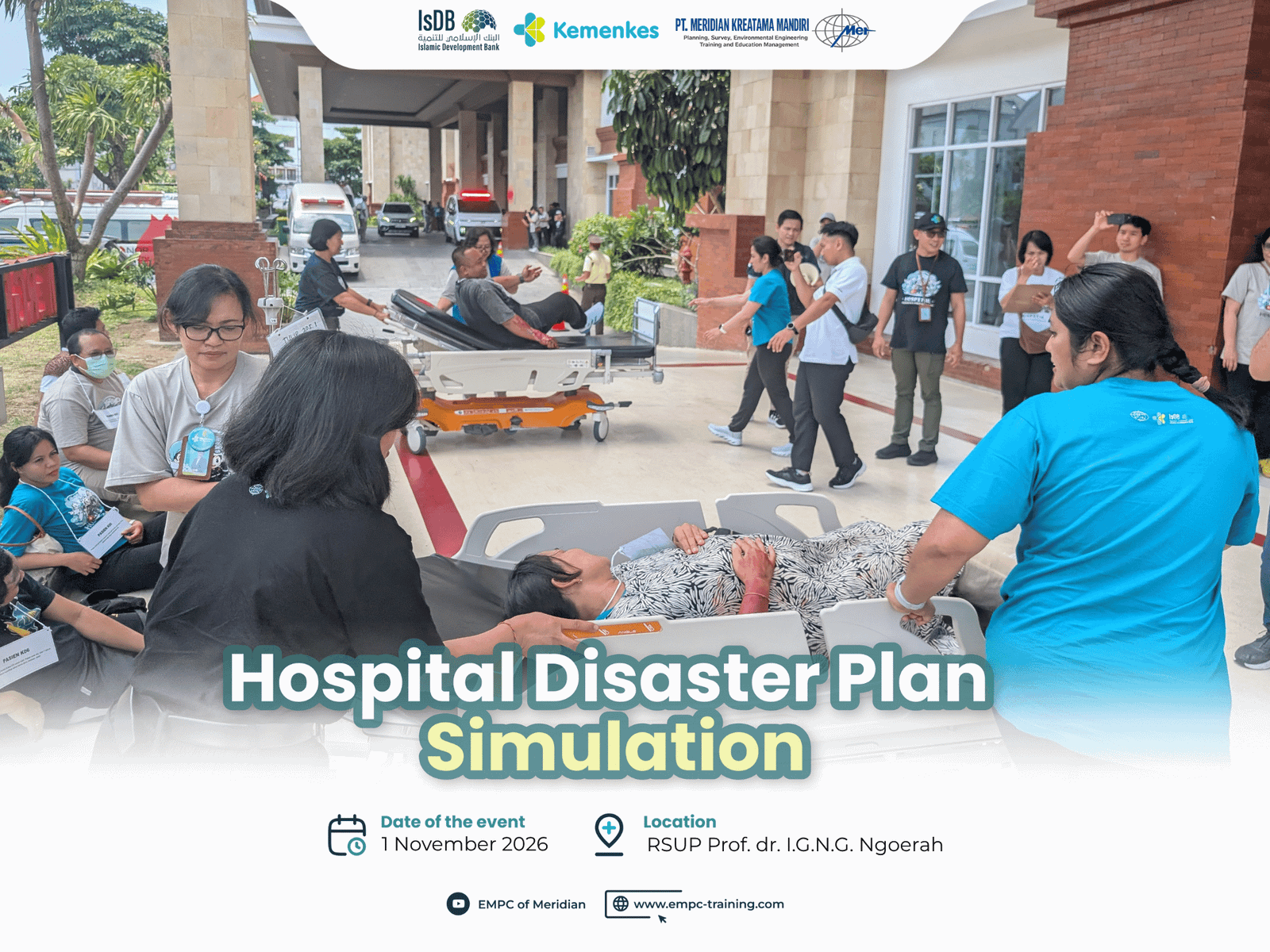
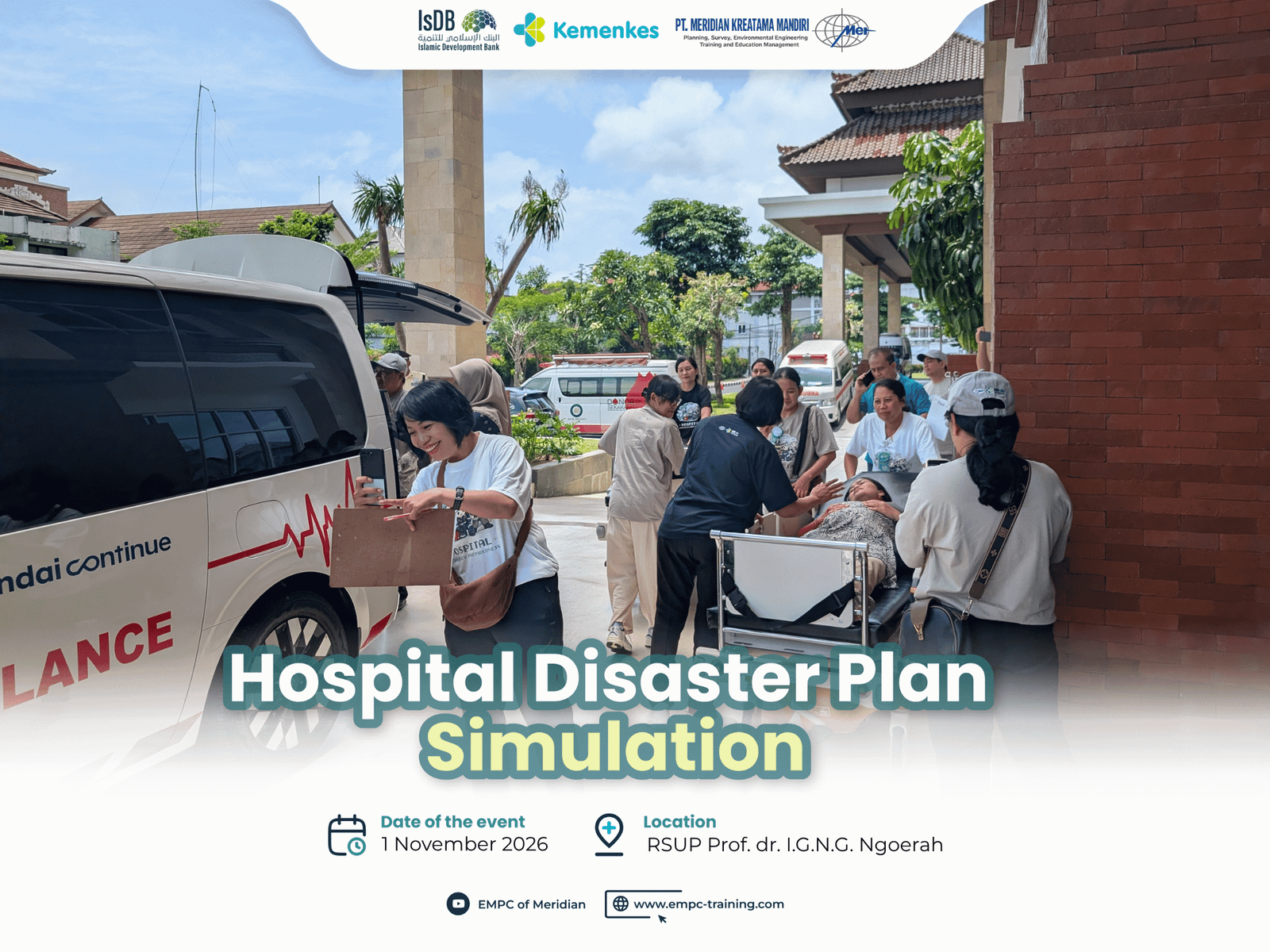
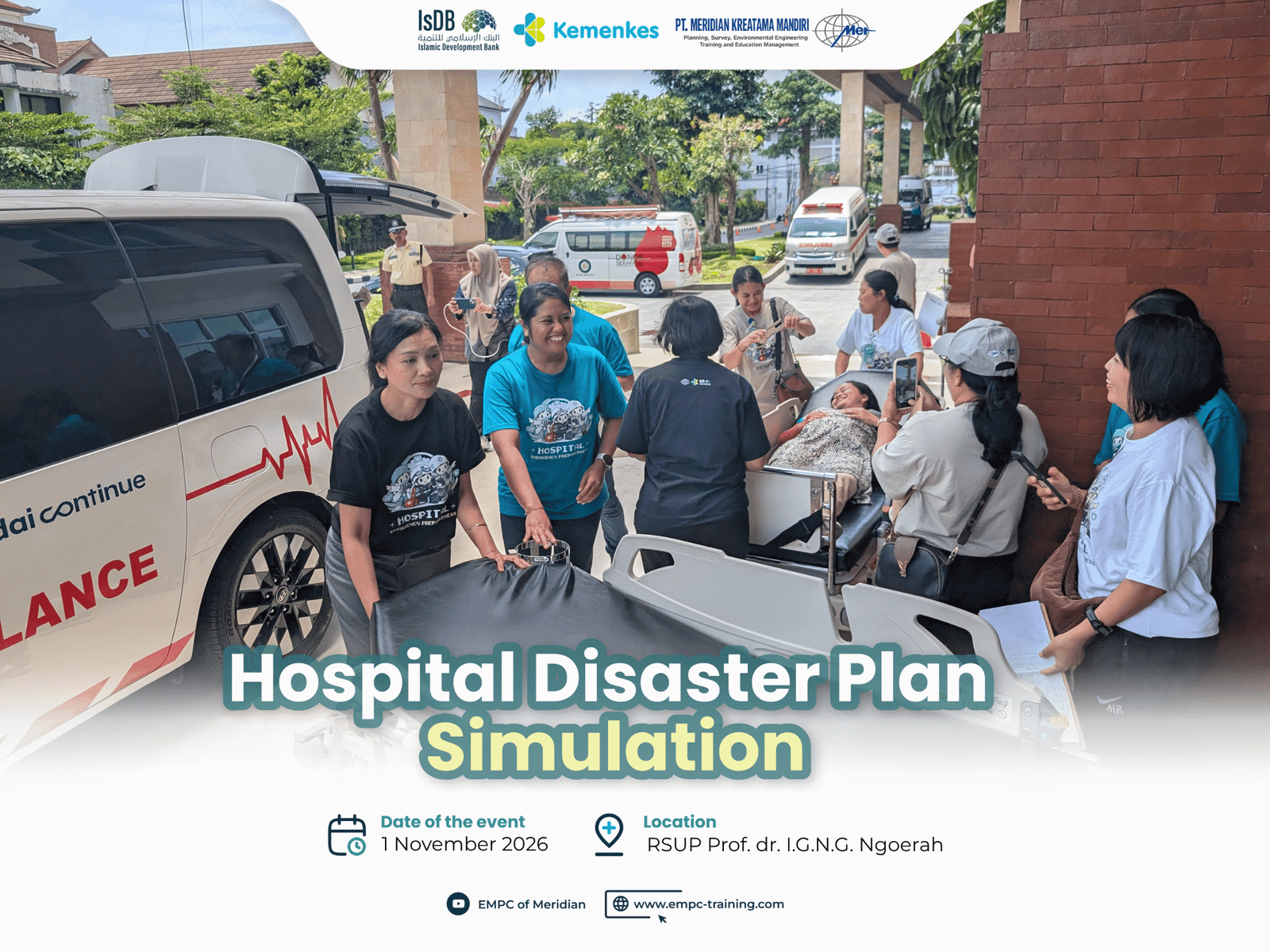
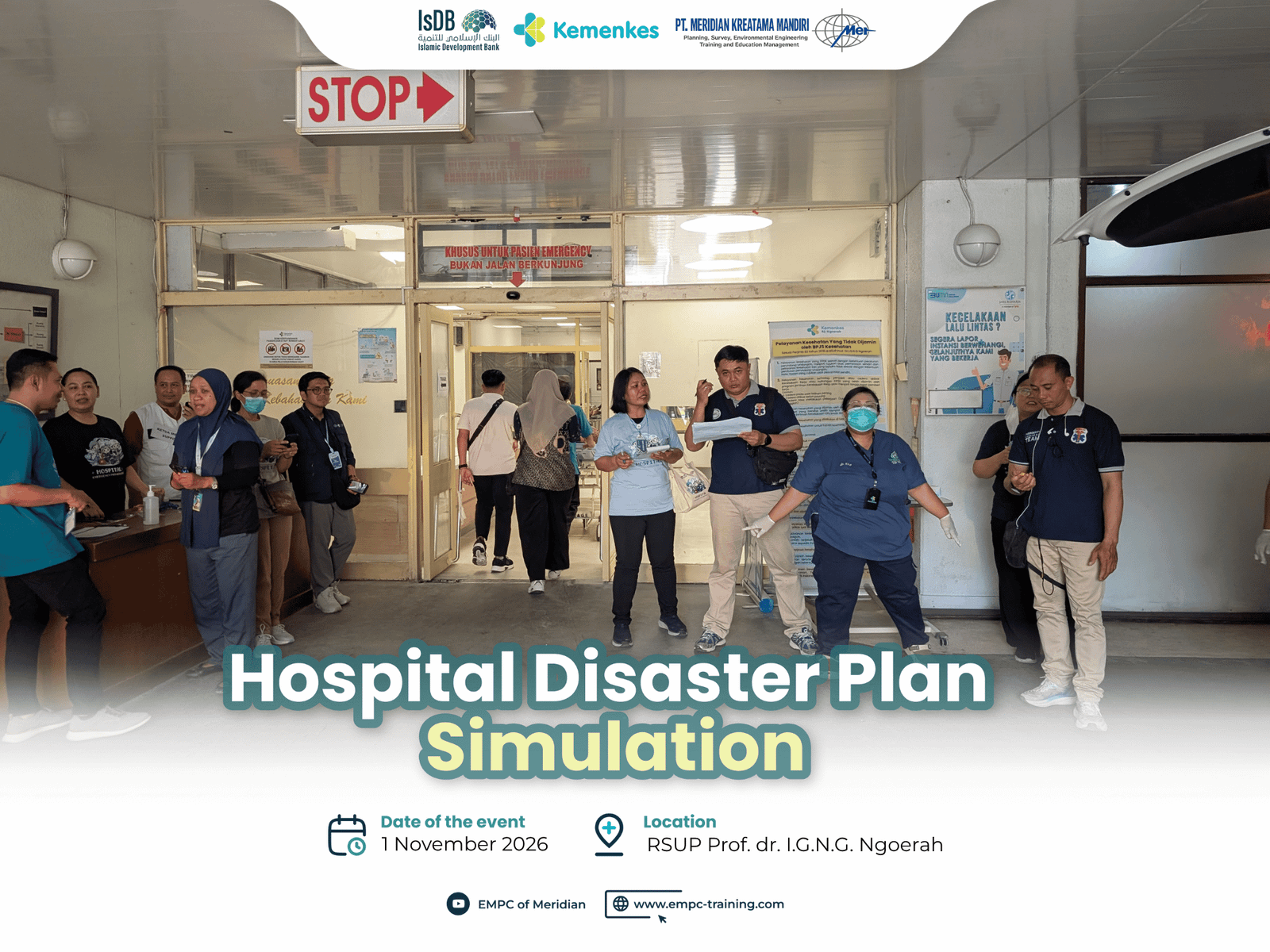
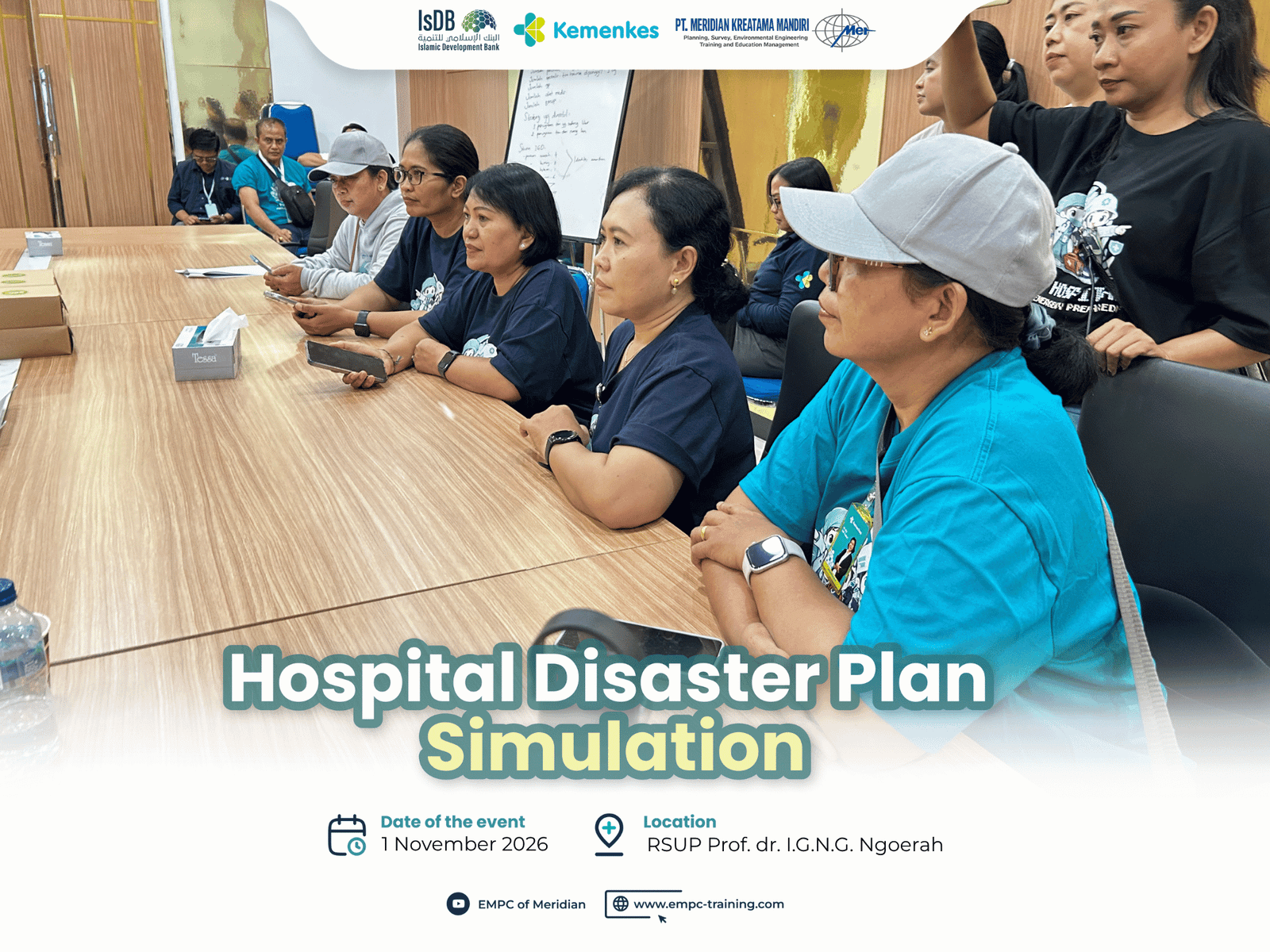
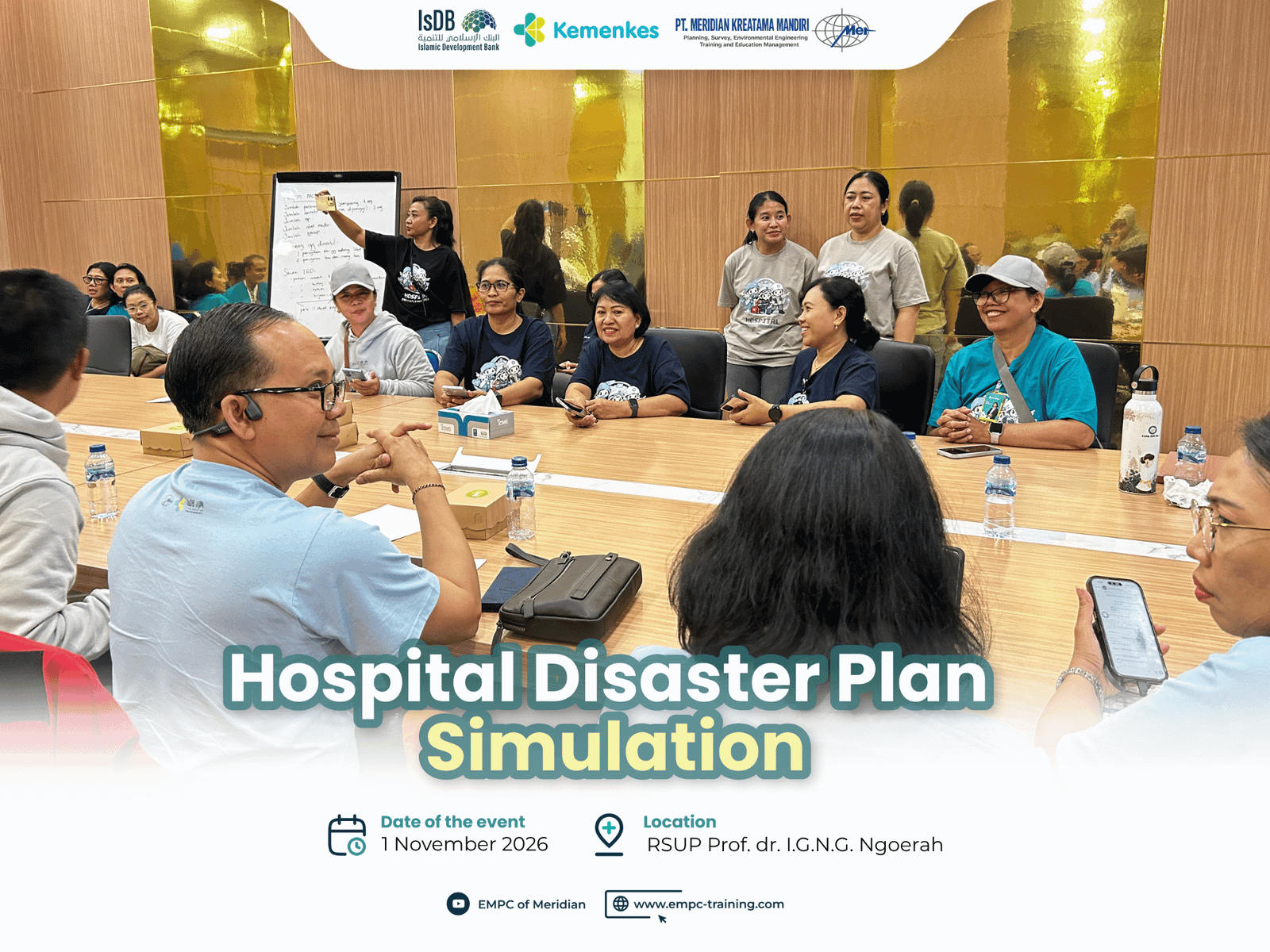
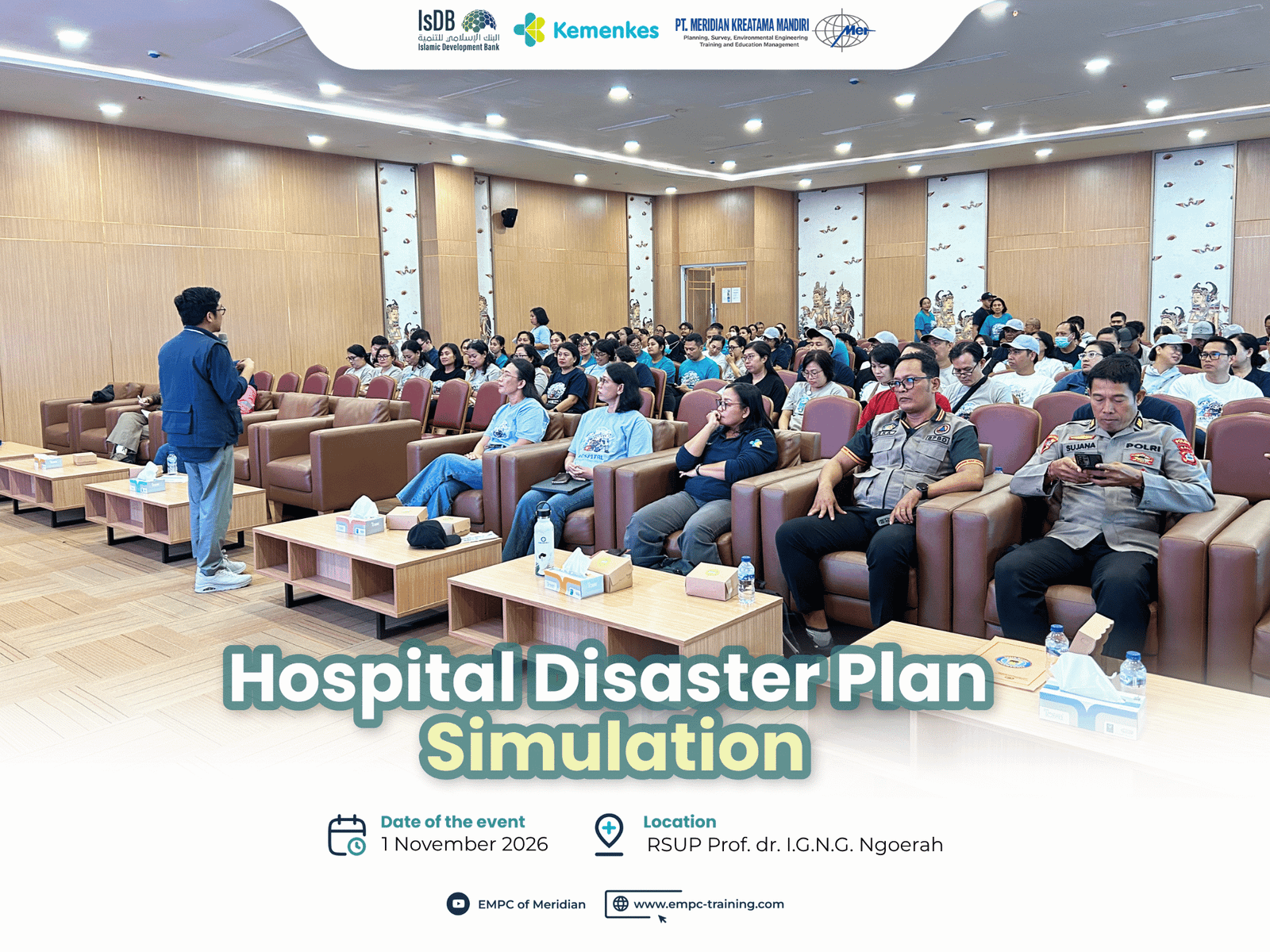
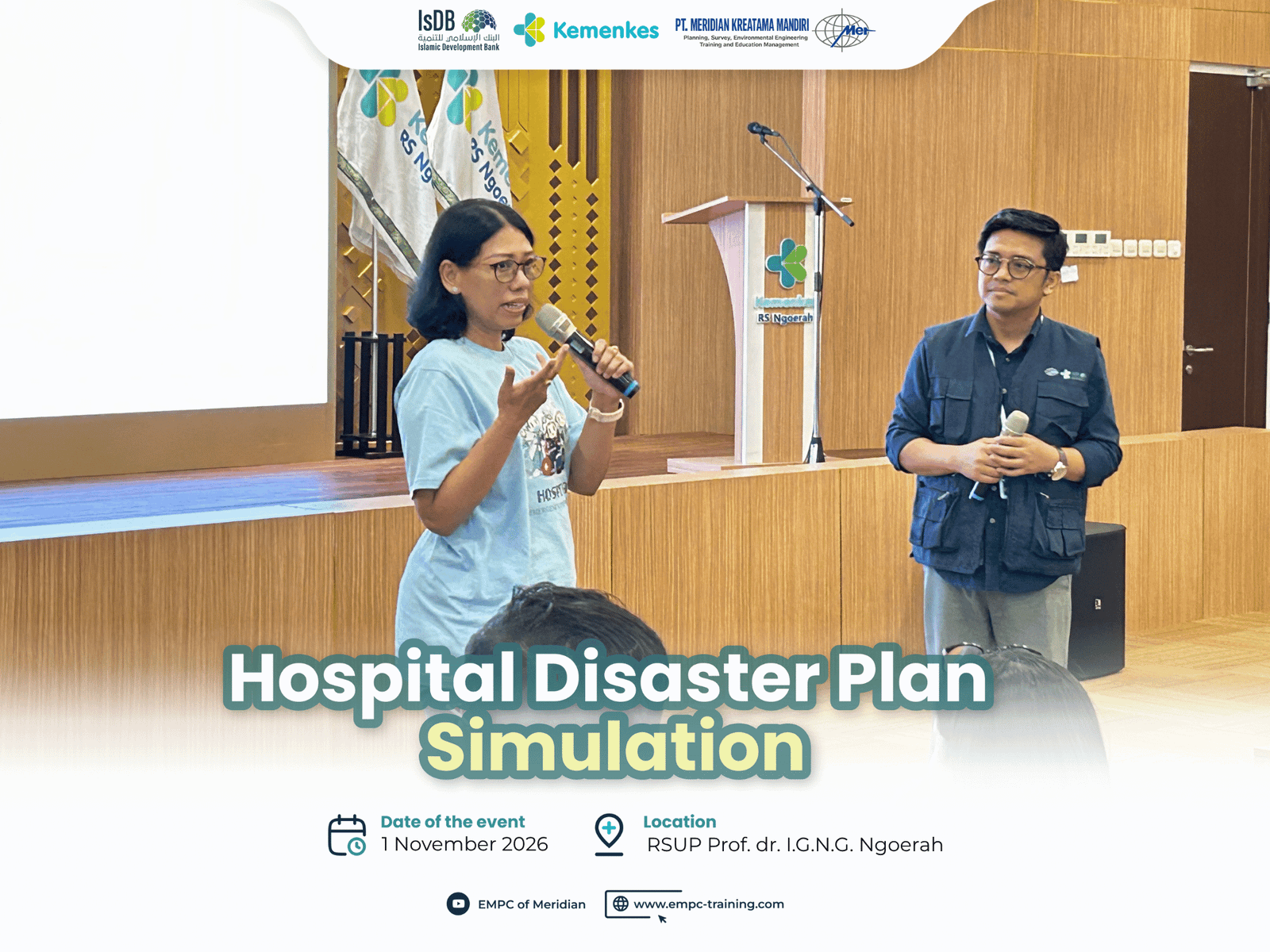
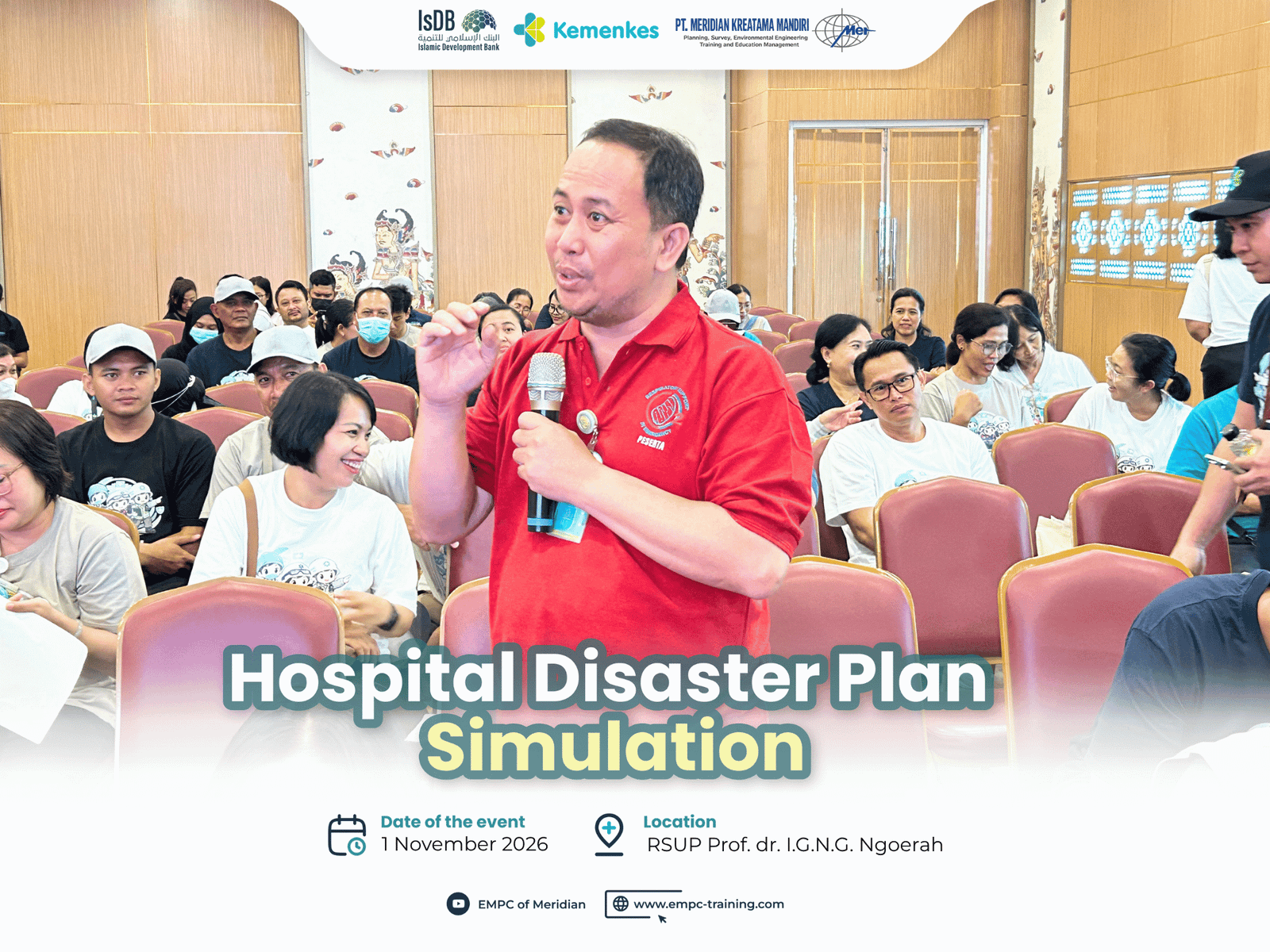
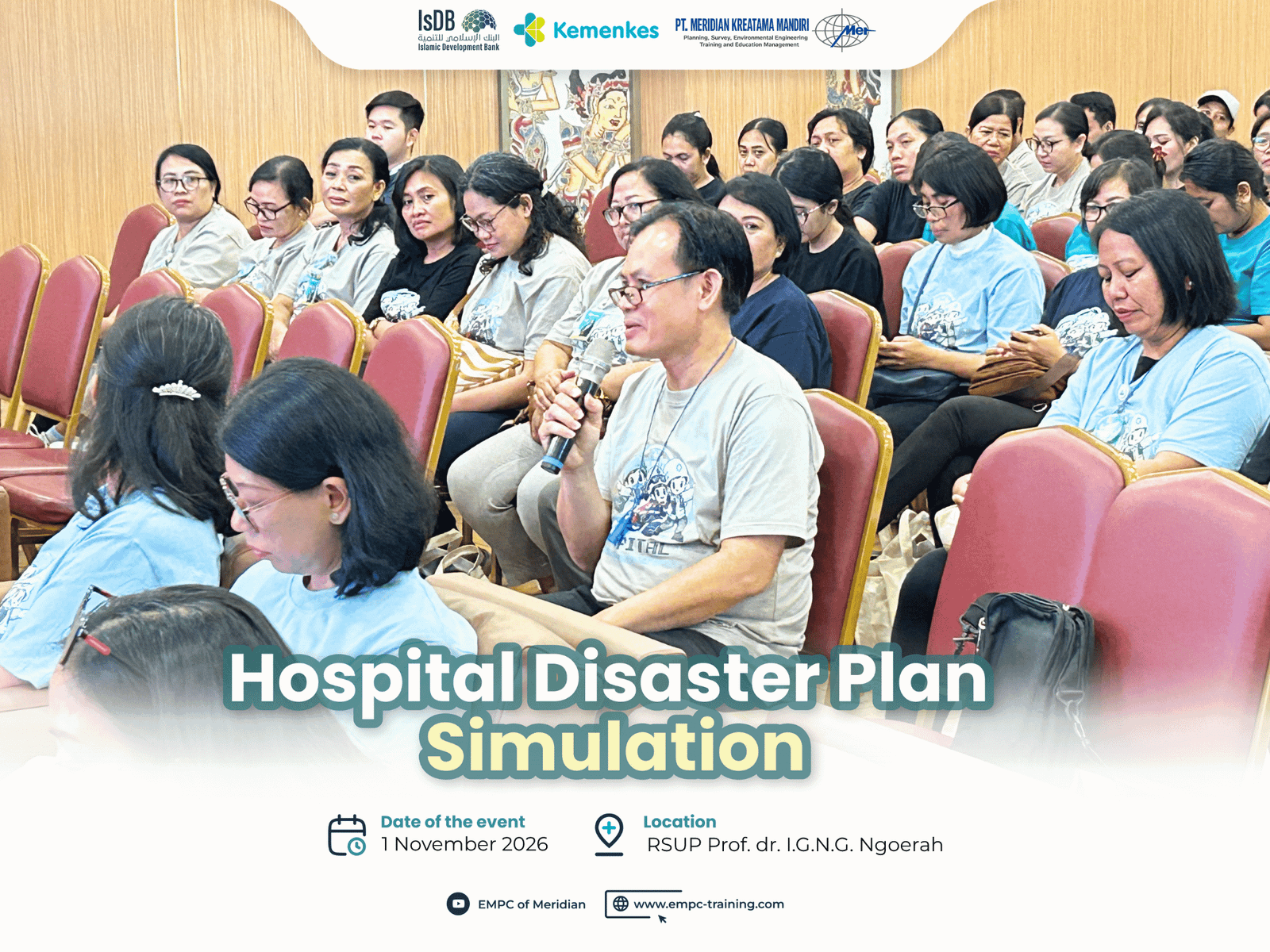
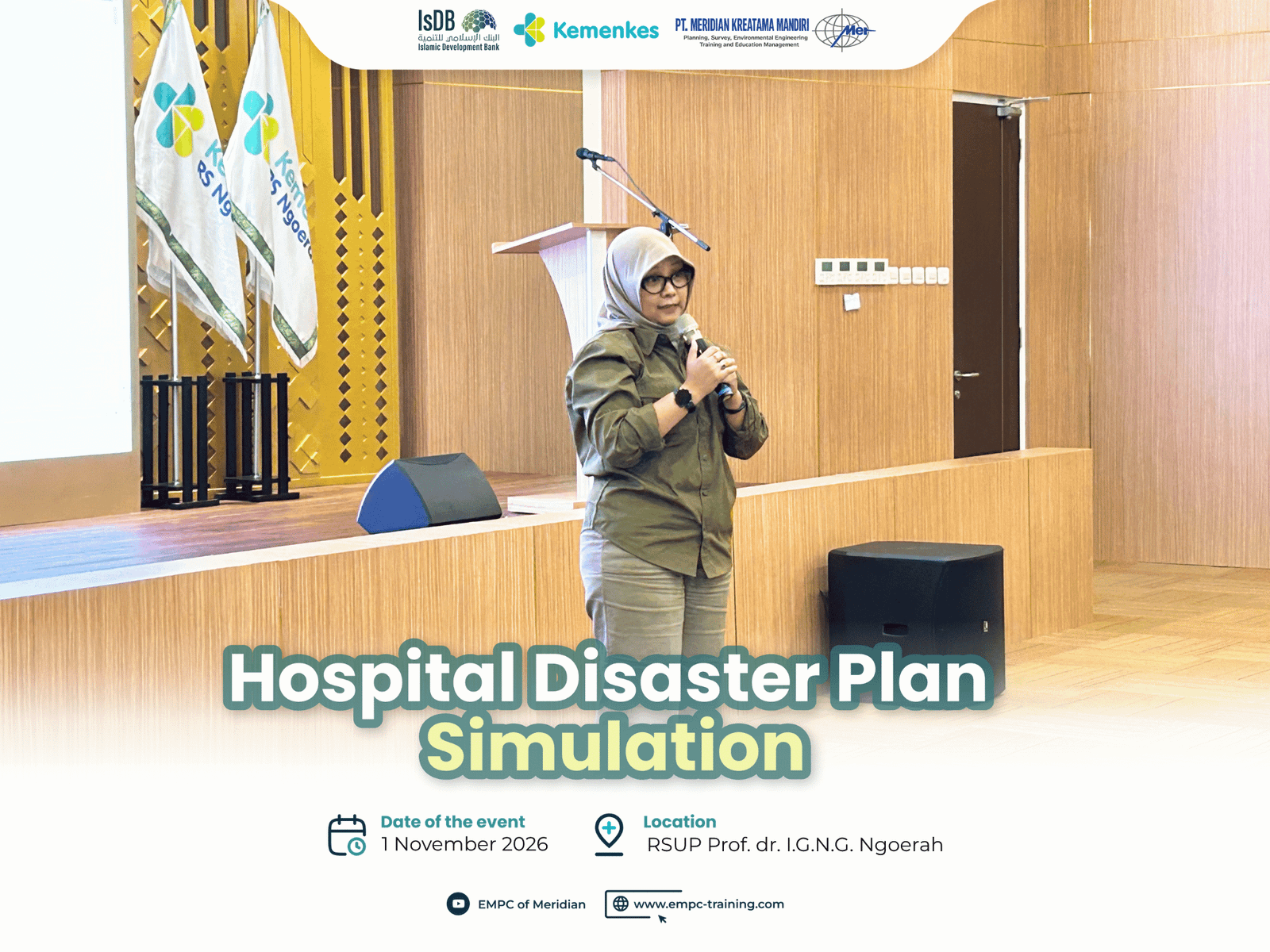
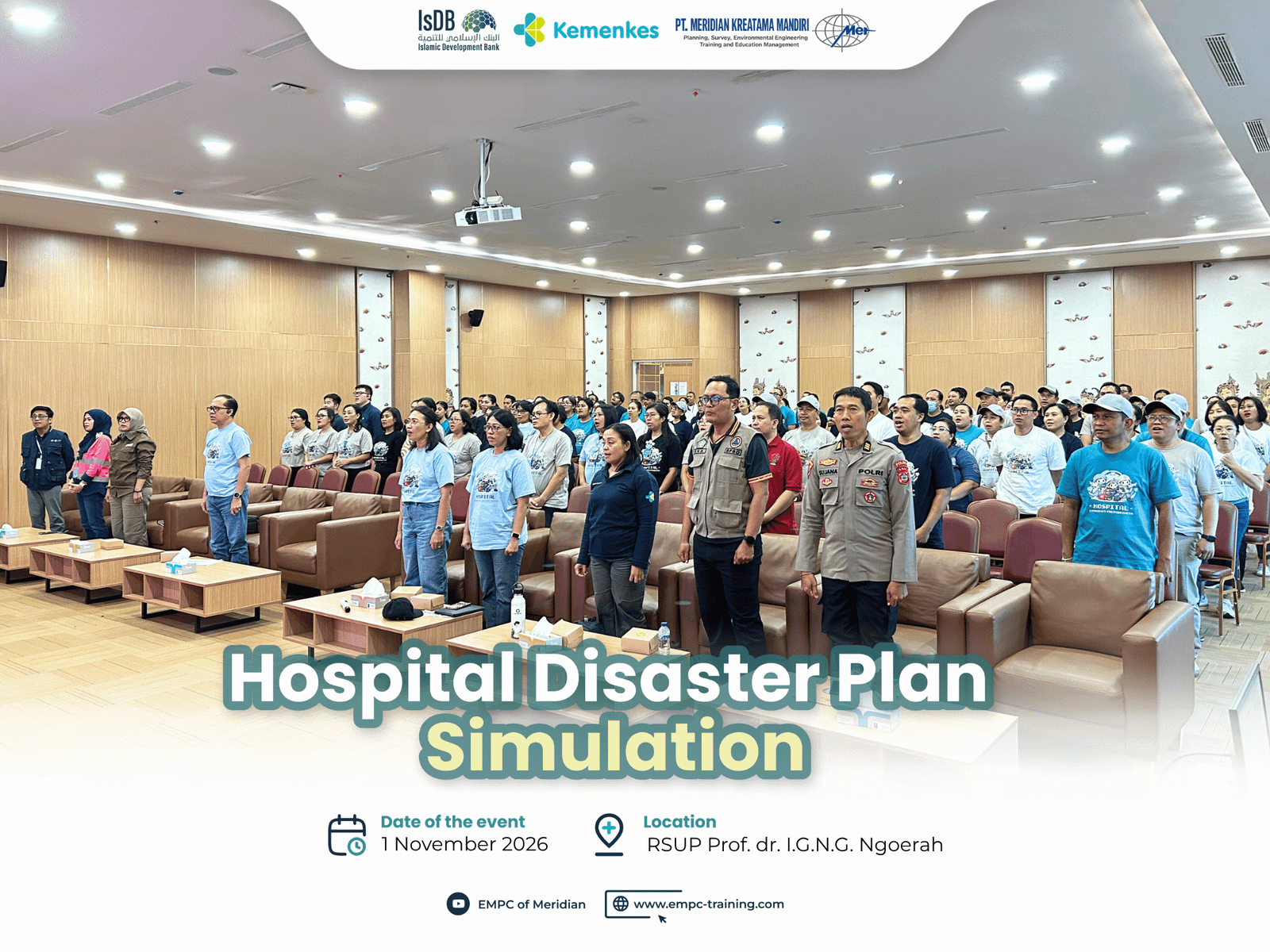
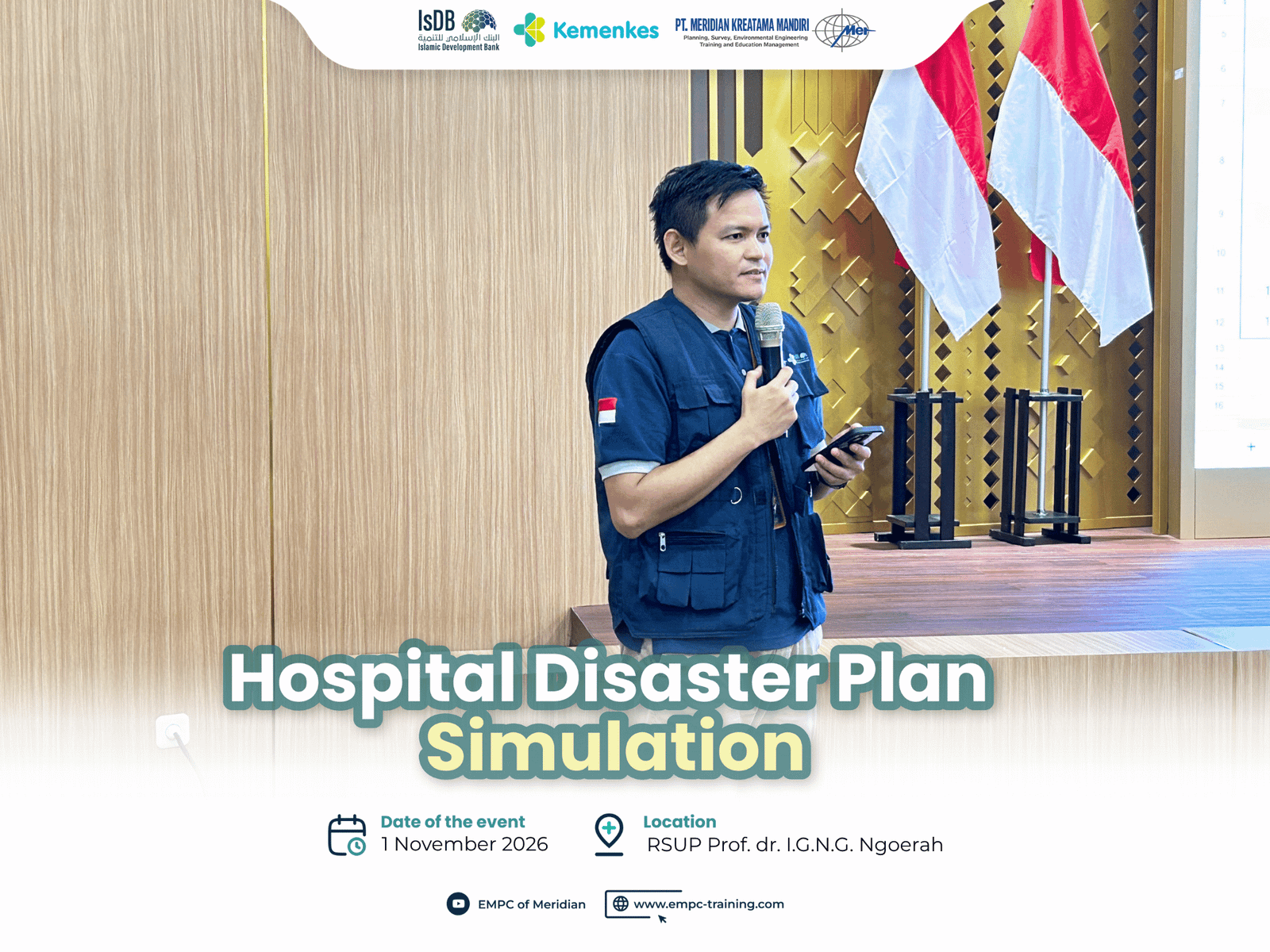
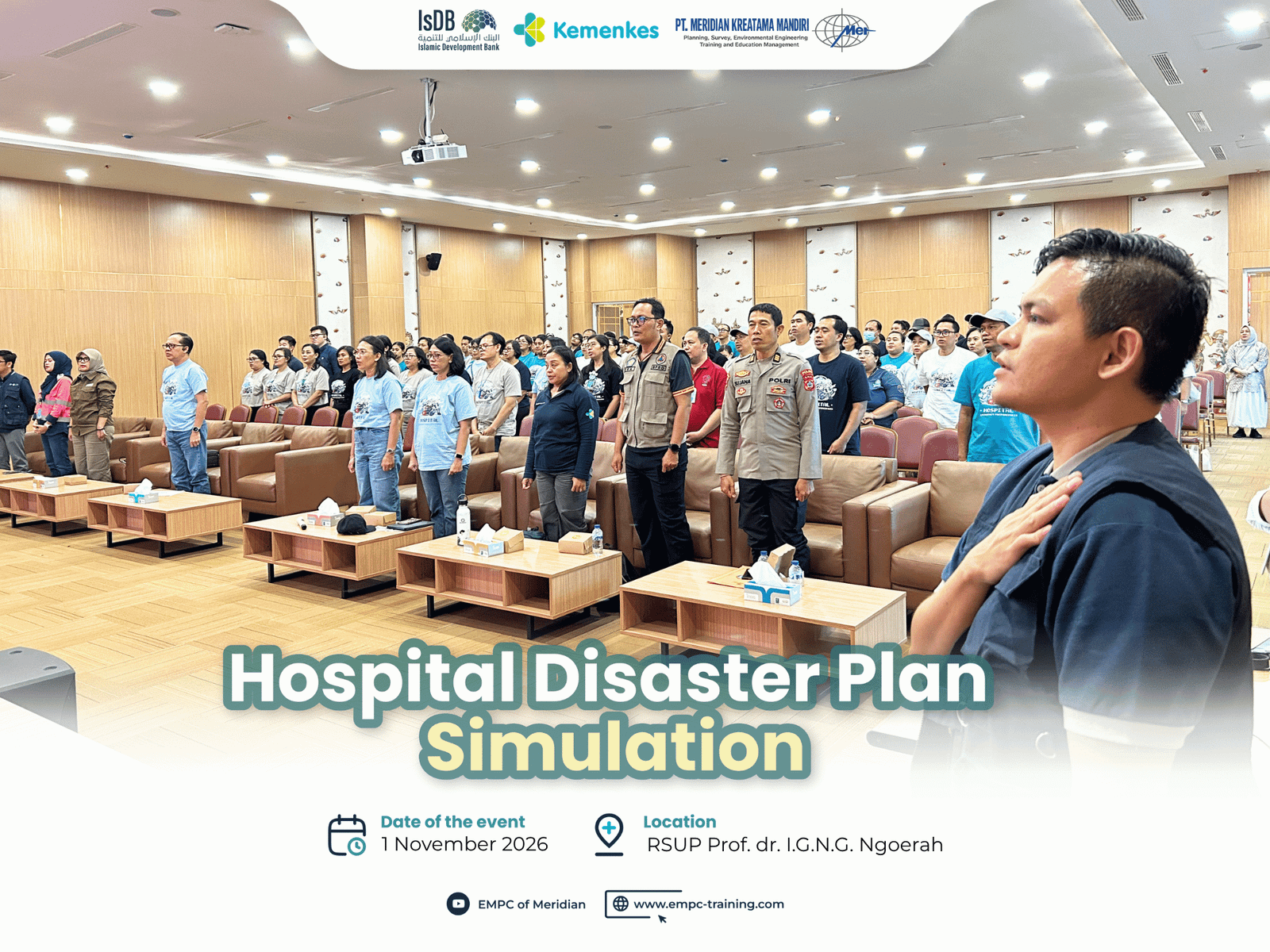
The Hospital Disaster Plan (HDP) Simulation was conducted at RSUP Prof. Dr. I.G.N.G. Ngoerah, Bali, as part of the EMPC Program Hospital Training under IsDB Project IDN: 1031.
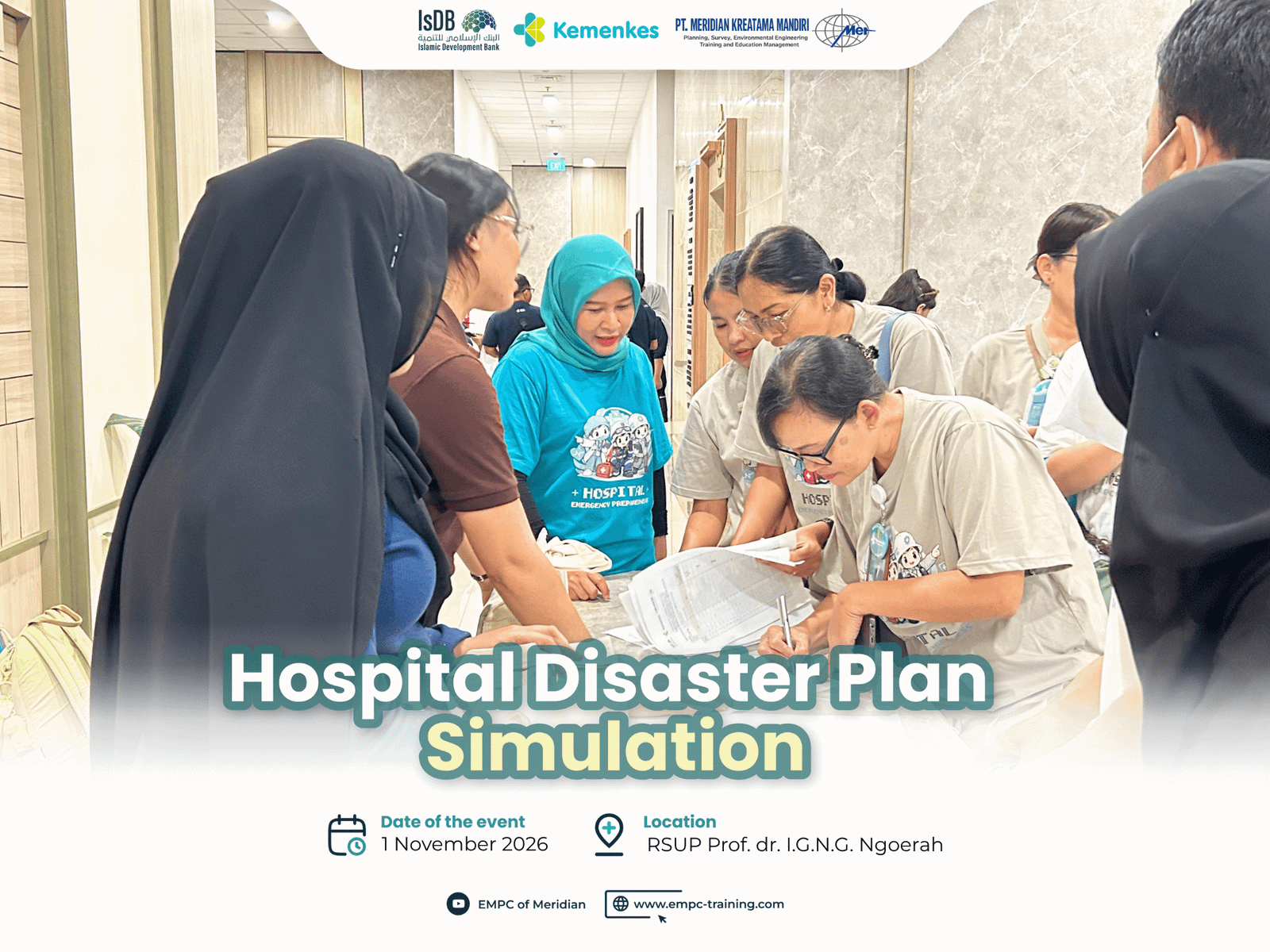
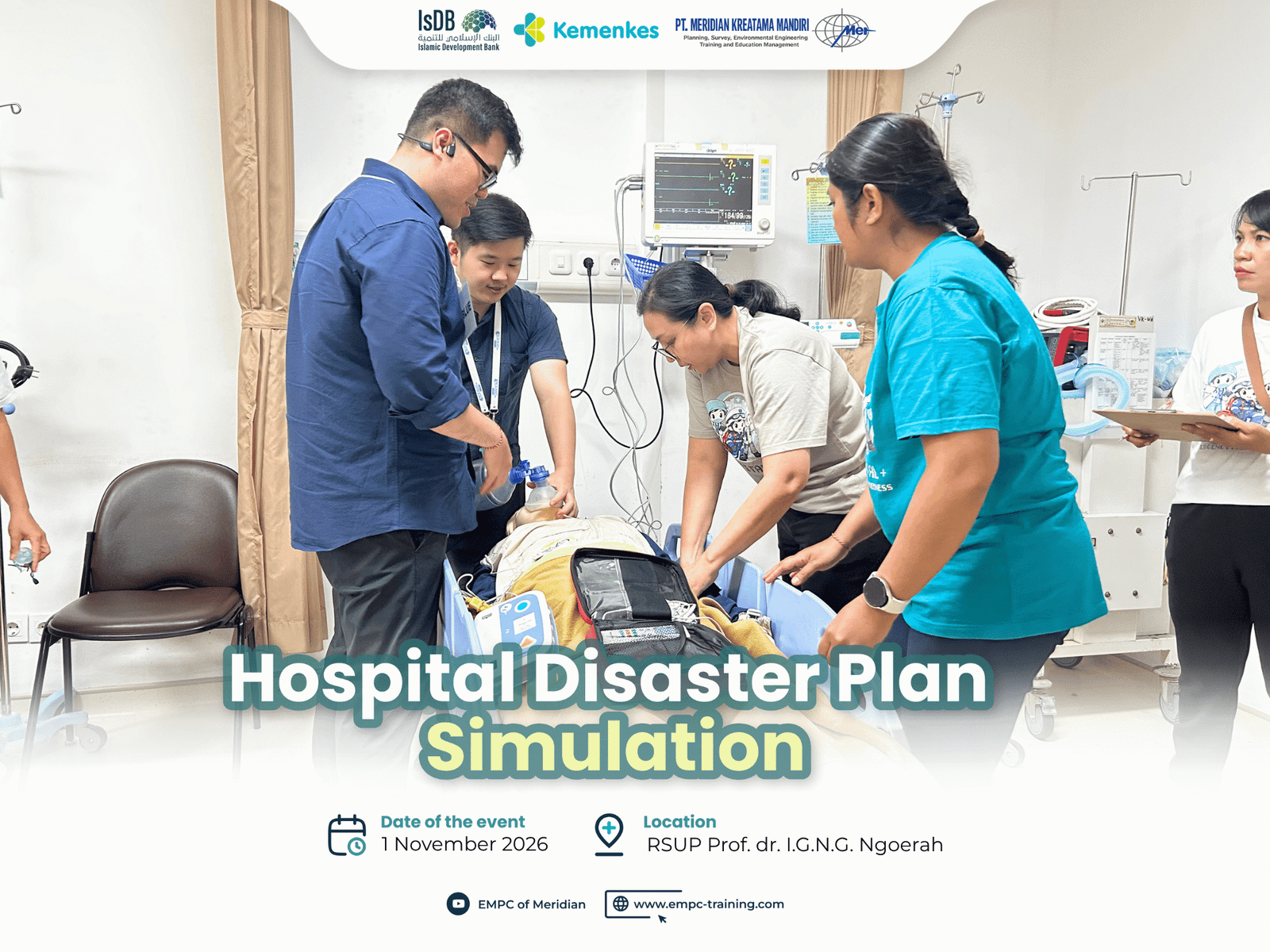
Moving beyond classroom-based learning, the simulation provided an opportunity for healthcare professionals to translate their knowledge of hospital disaster management into practical action. The activity emphasized the importance of preparedness, teamwork, effective communication, and coordinated decision-making when responding to emergency and disaster situations.
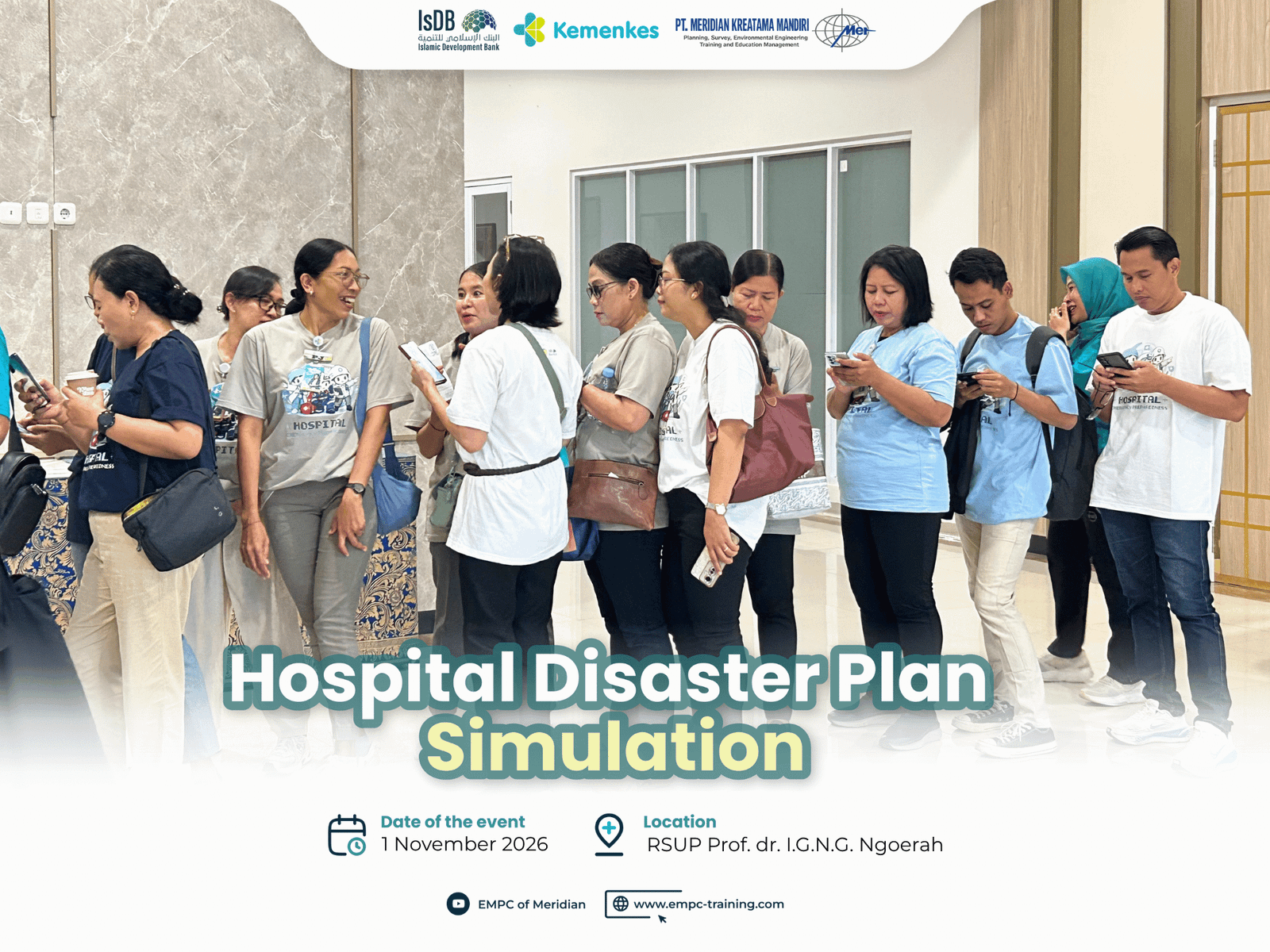
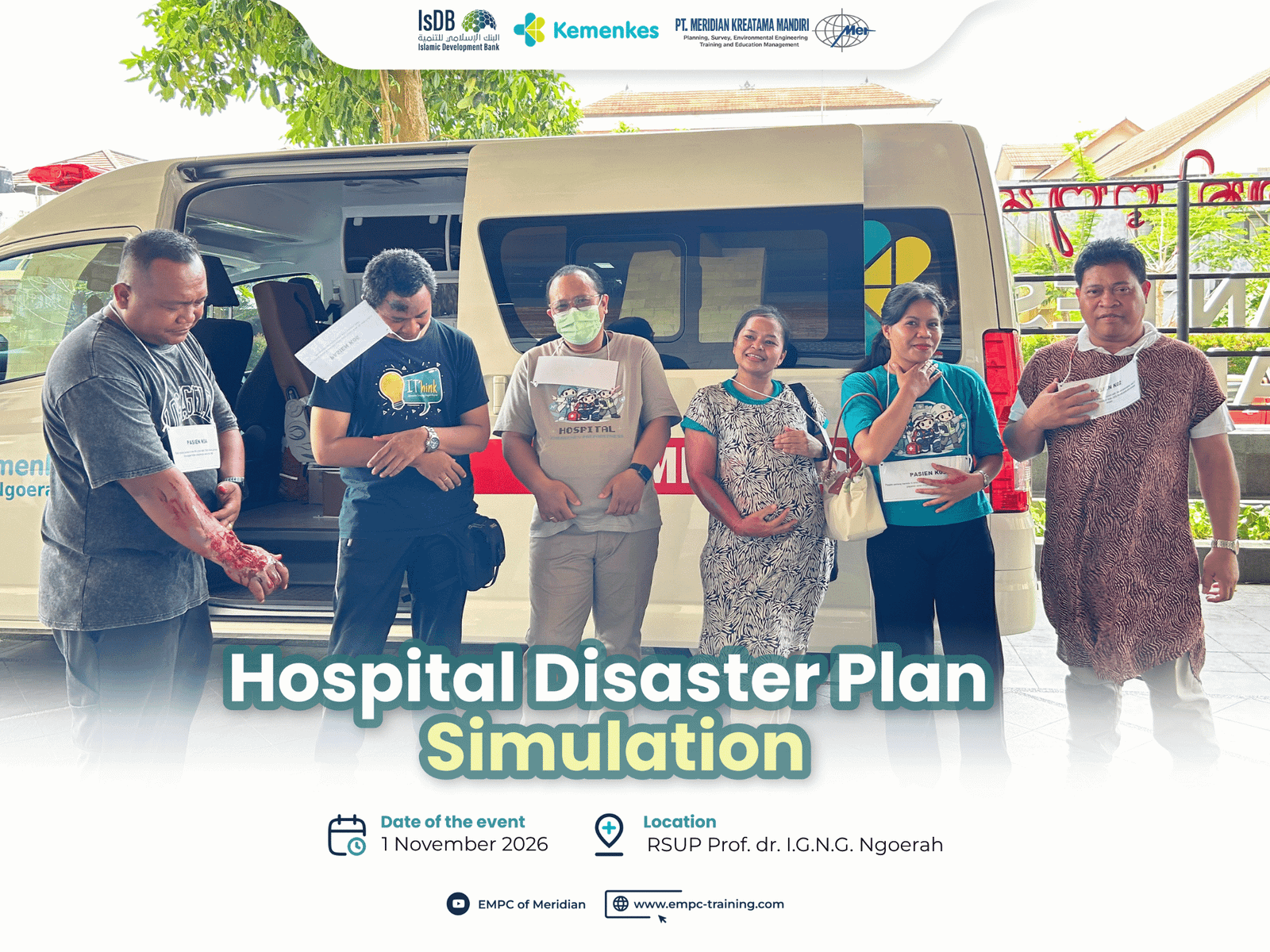
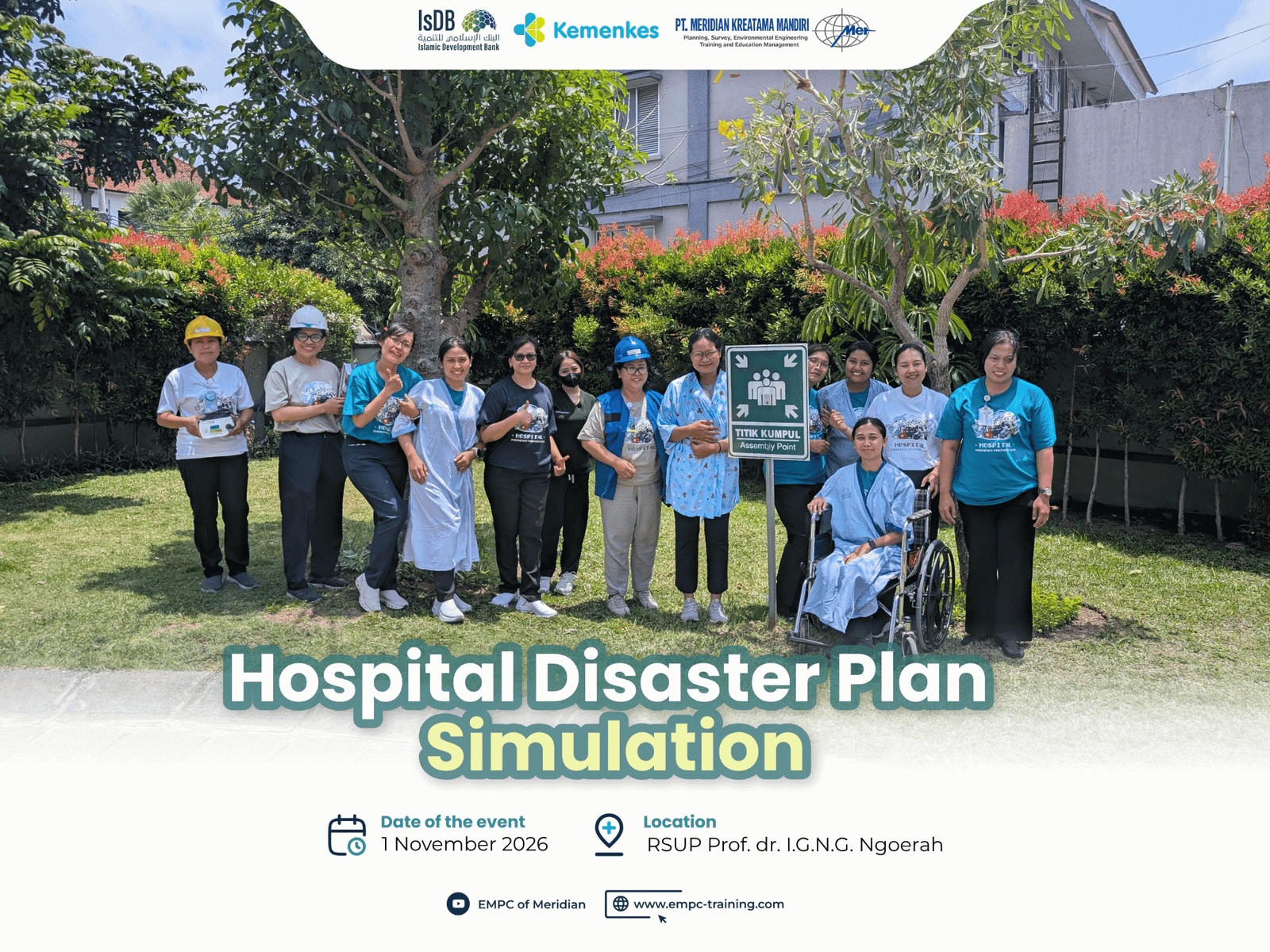
Through scenario-based exercises, participants were encouraged to experience the challenges of managing a disaster response within a hospital environment, reinforcing the understanding that successful emergency management depends on the collective readiness of every individual and department involved.
From Theory to Practice: Responding to Disaster Scenarios
Building upon the knowledge gained during previous Hospital Disaster Plan training sessions, the simulation focused on applying disaster preparedness principles in a practical setting.
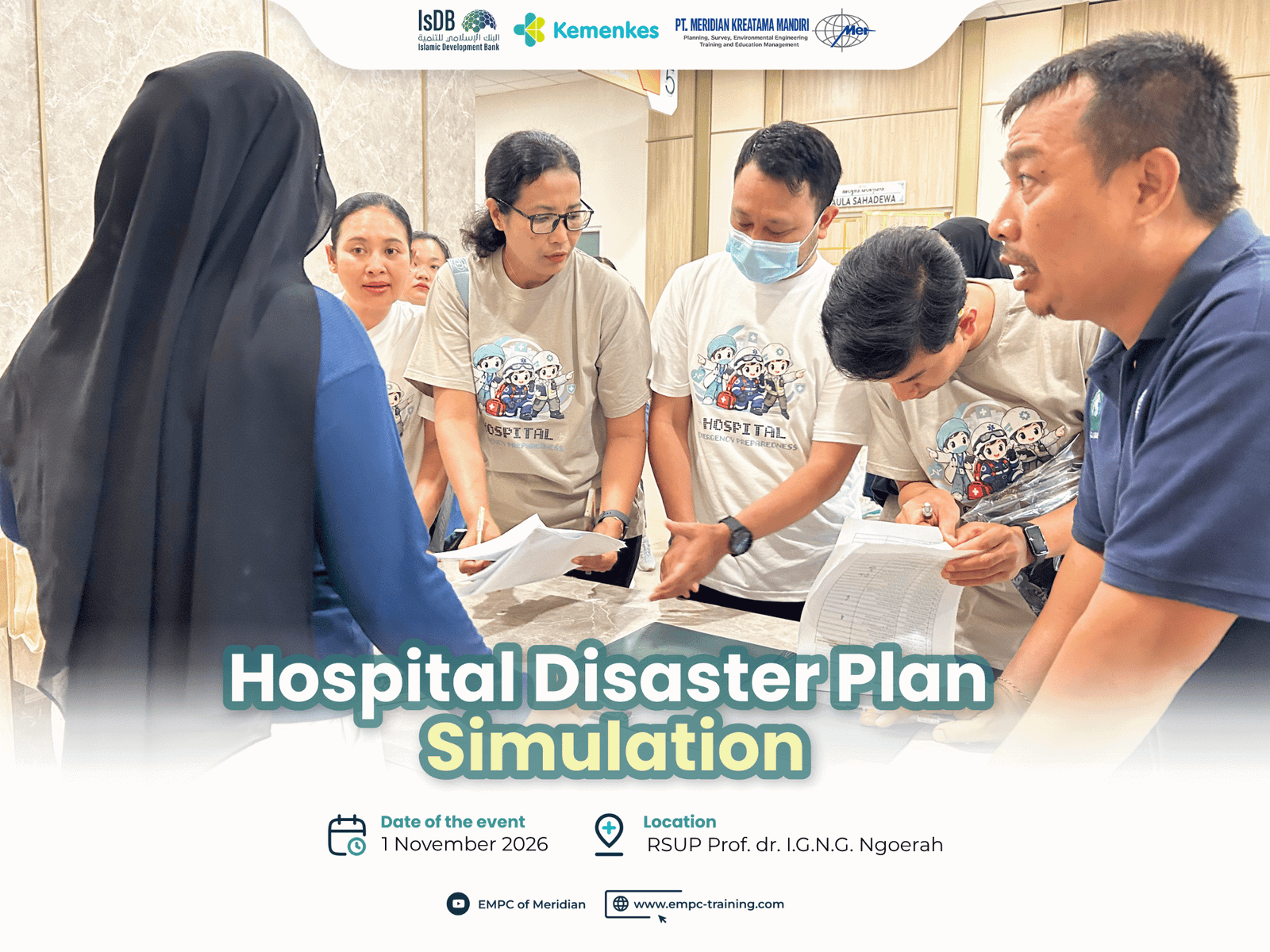
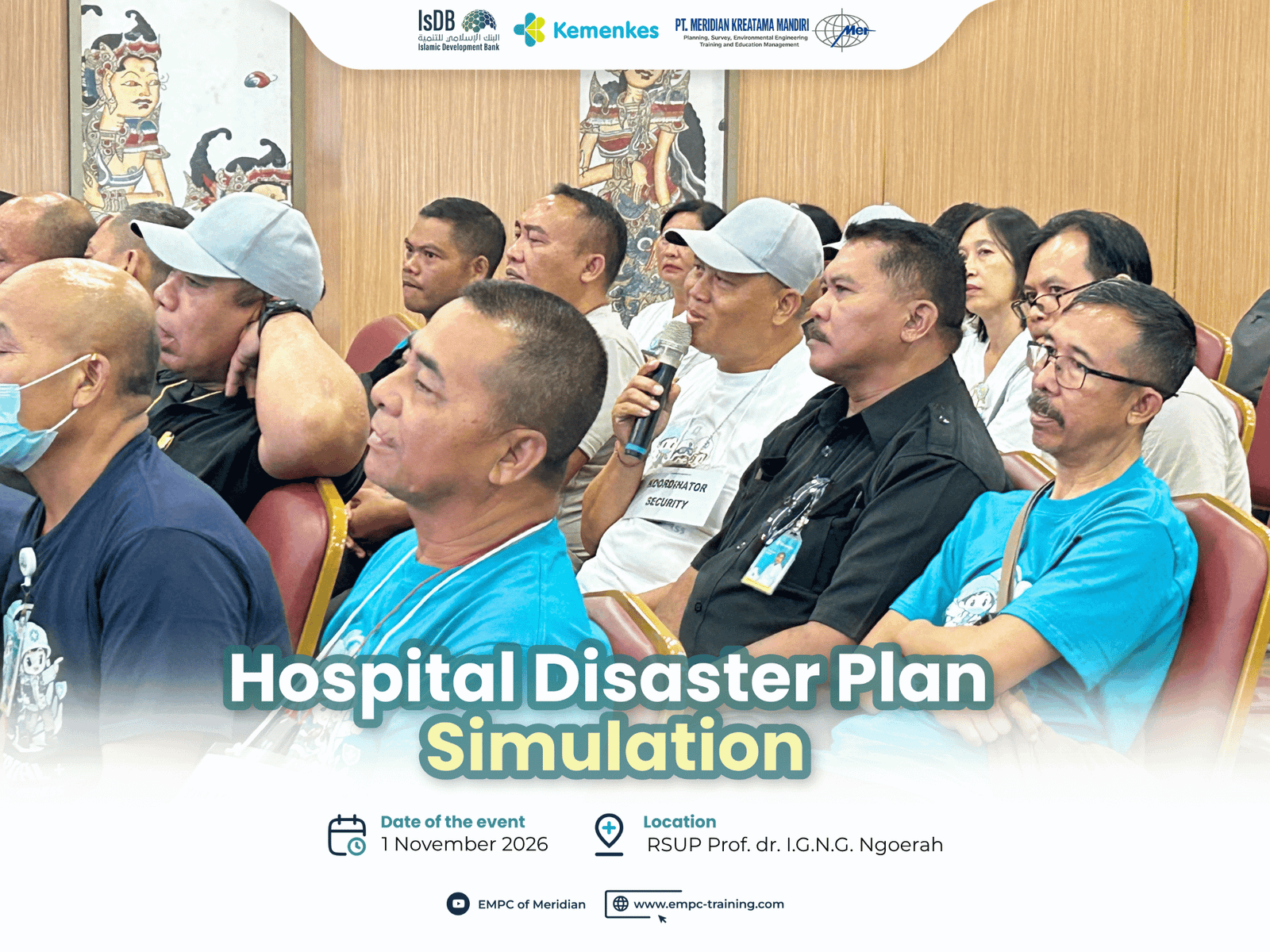
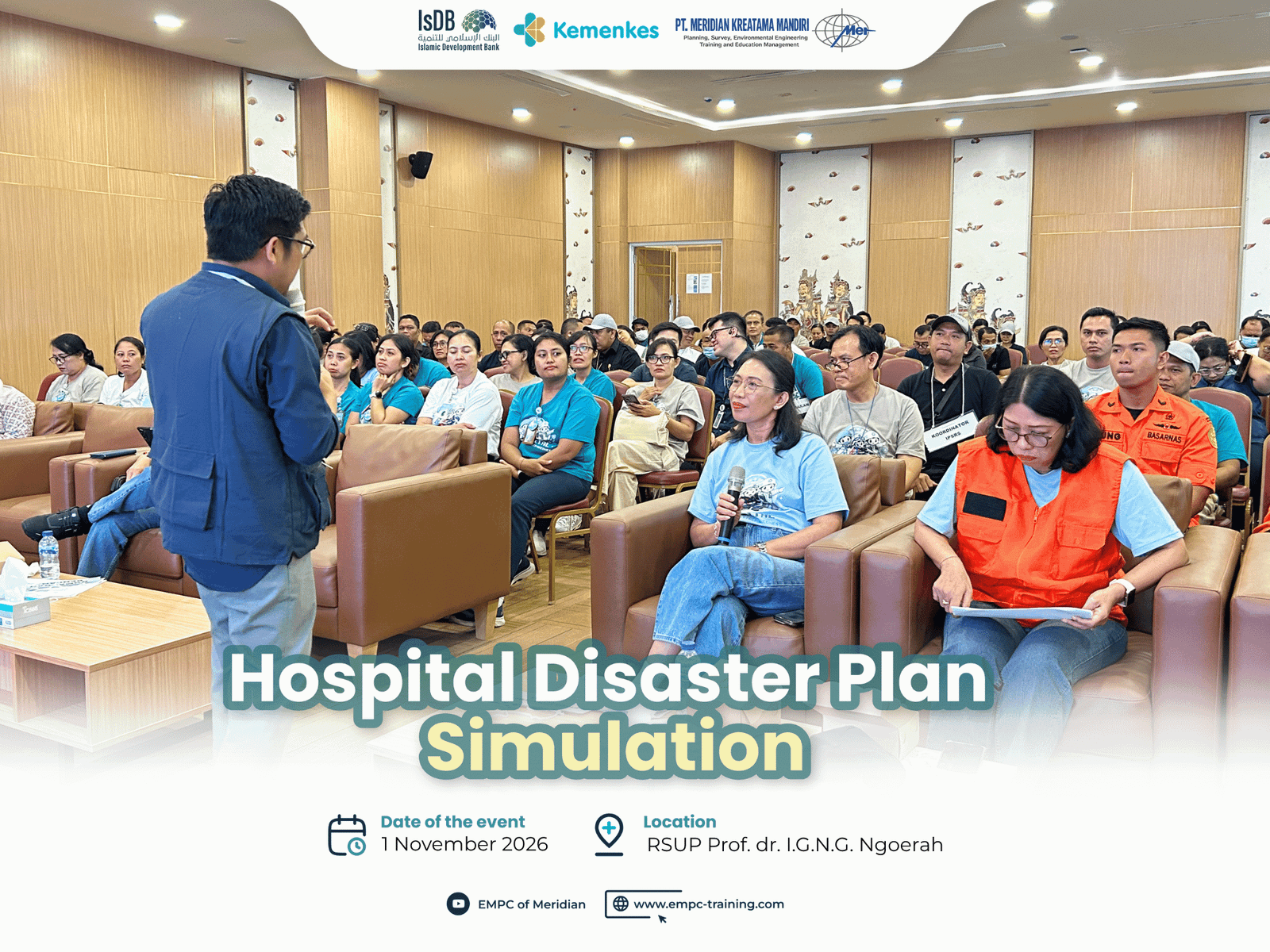
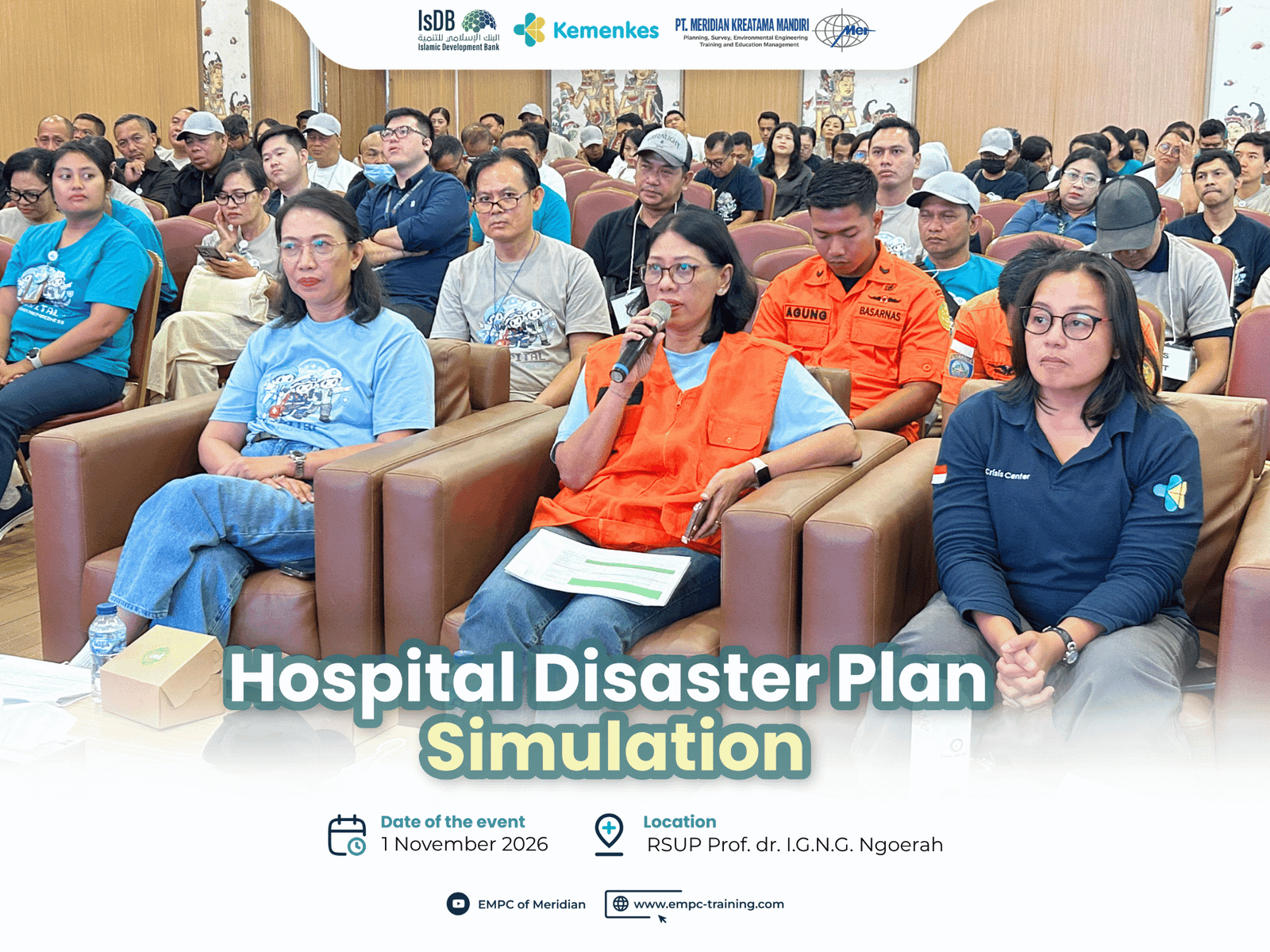
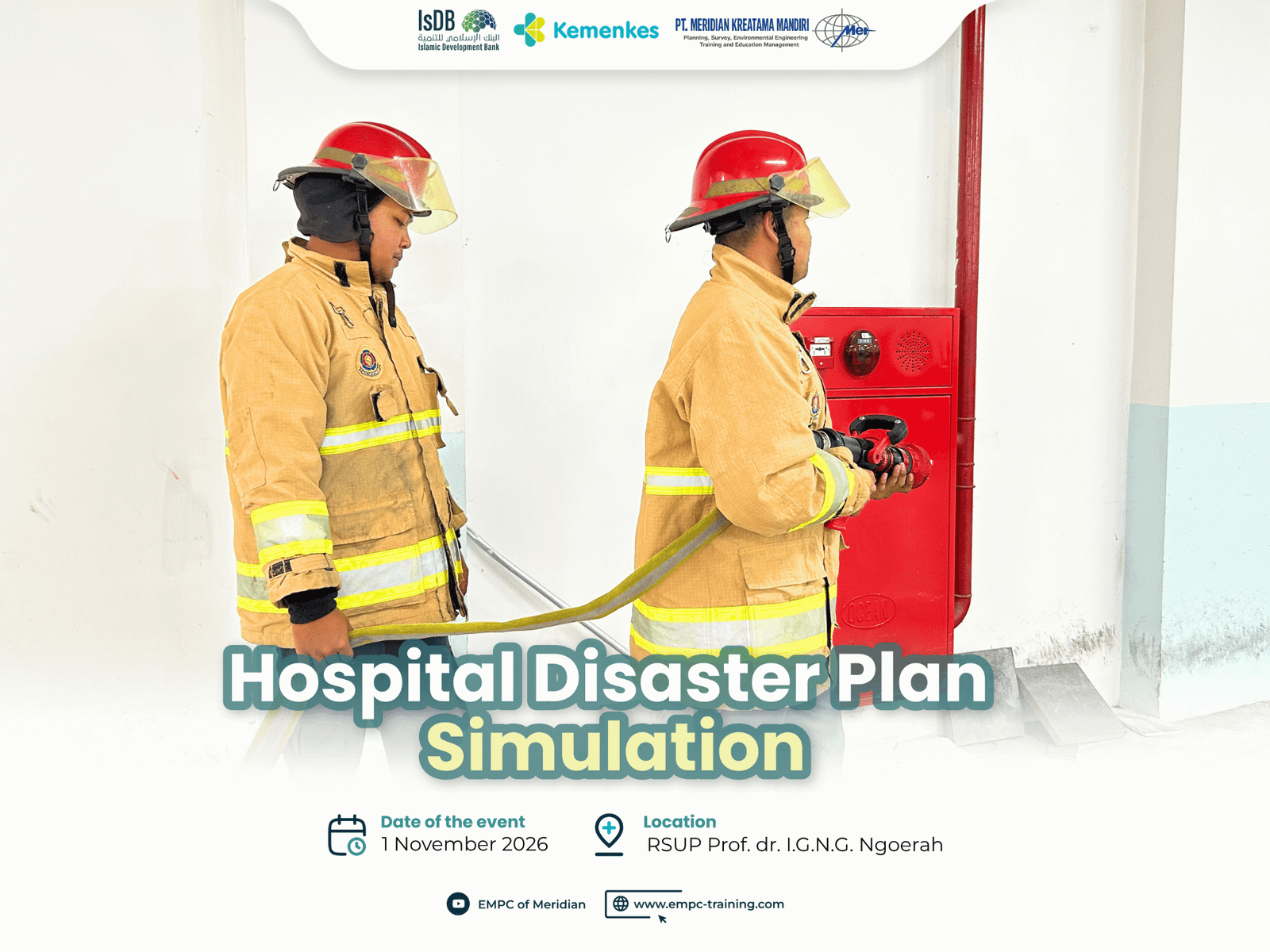
Participants were encouraged to respond to simulated emergency situations by applying established disaster management procedures, communicating across teams, and coordinating their respective responsibilities.
The exercises highlighted several essential aspects of hospital disaster response, including:
Activation and implementation of hospital emergency response procedures.
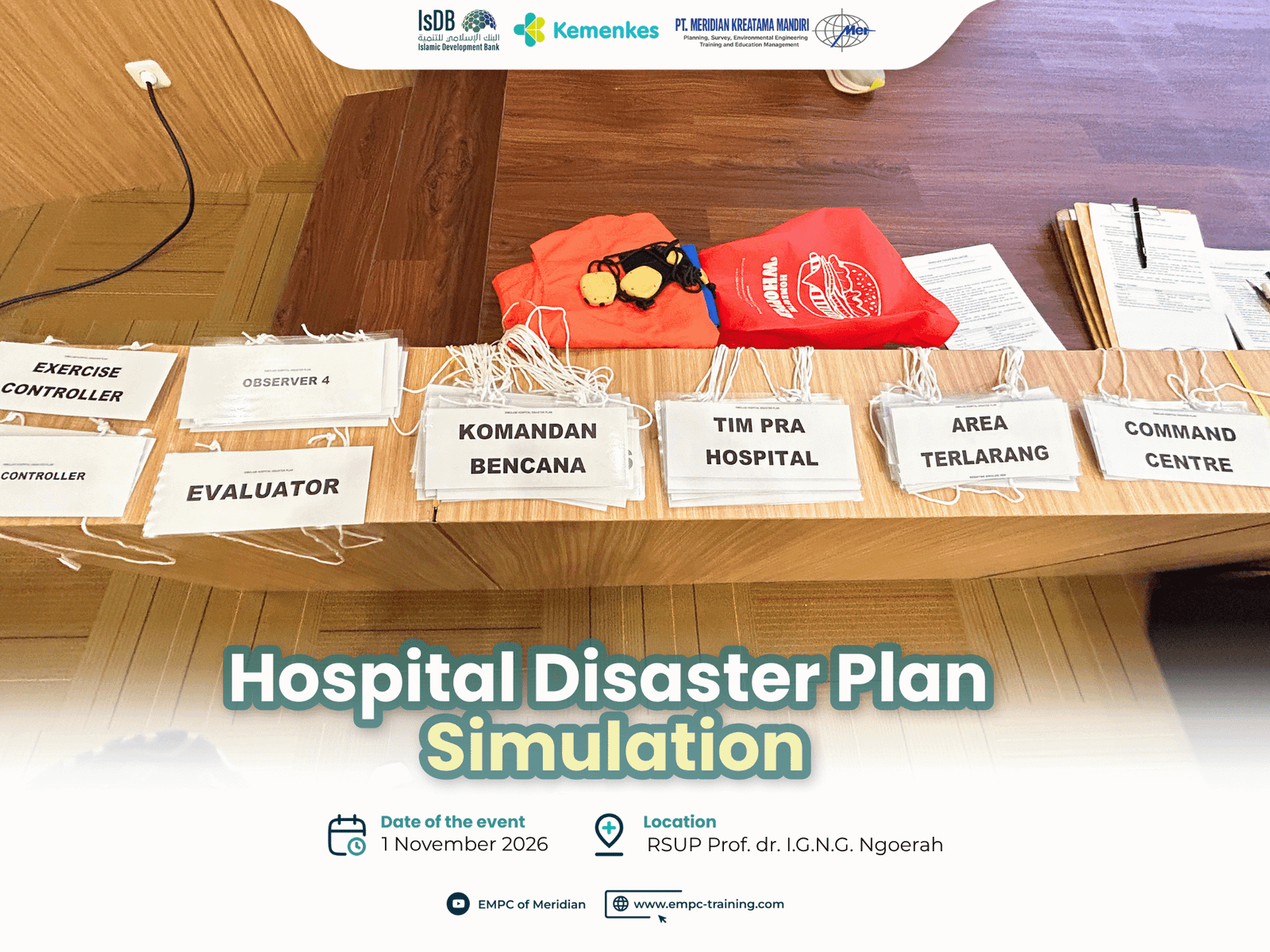
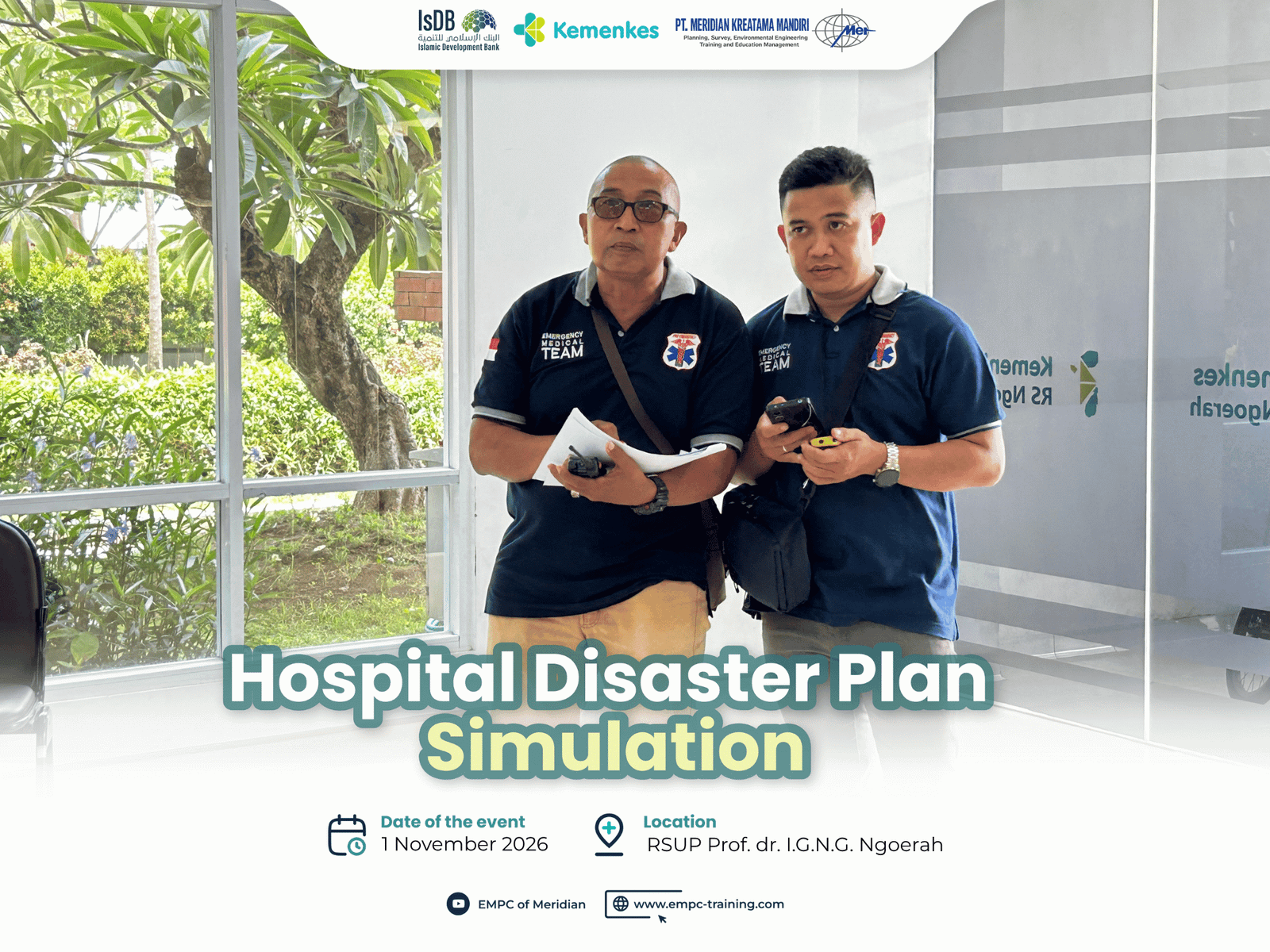
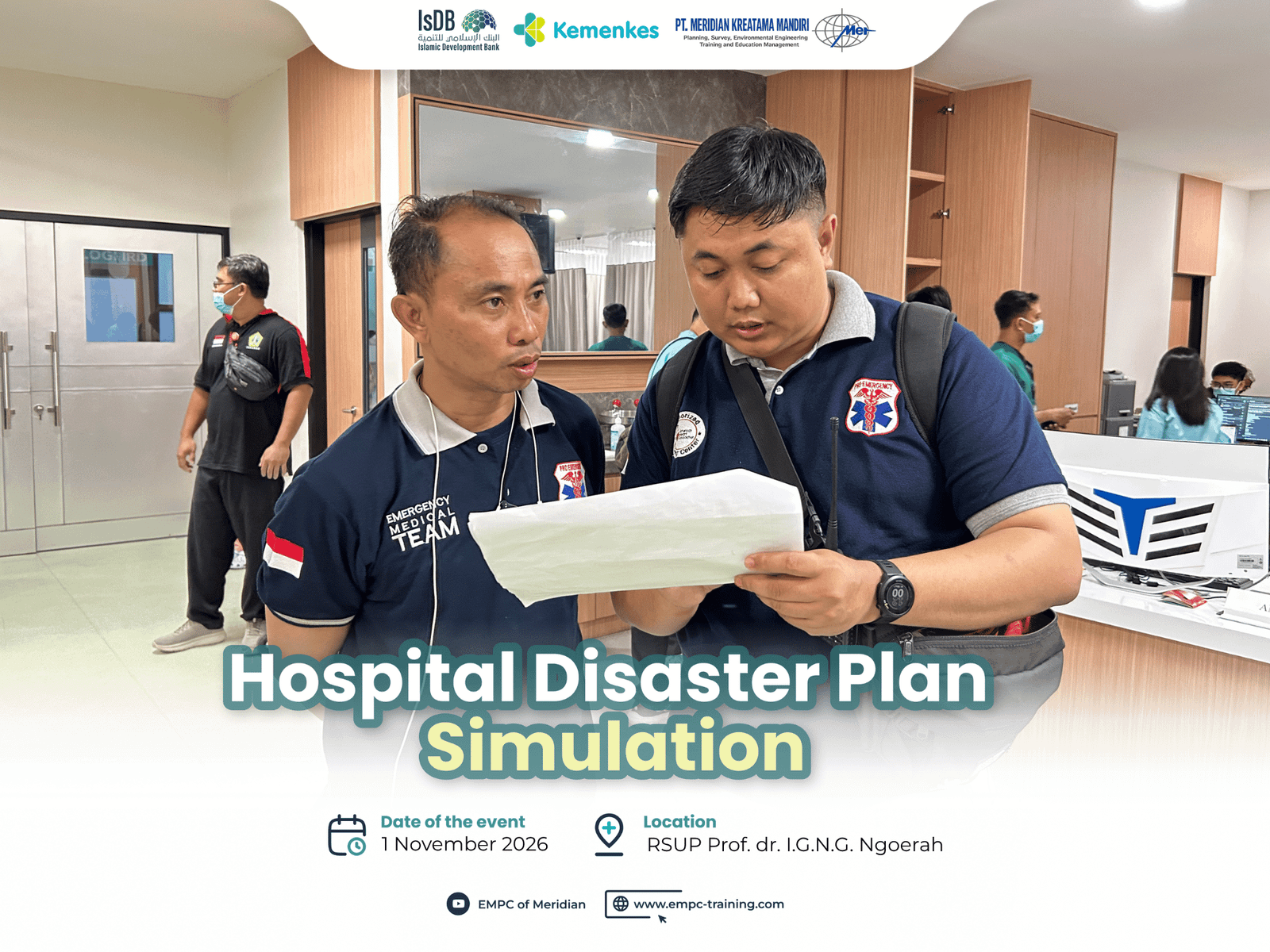
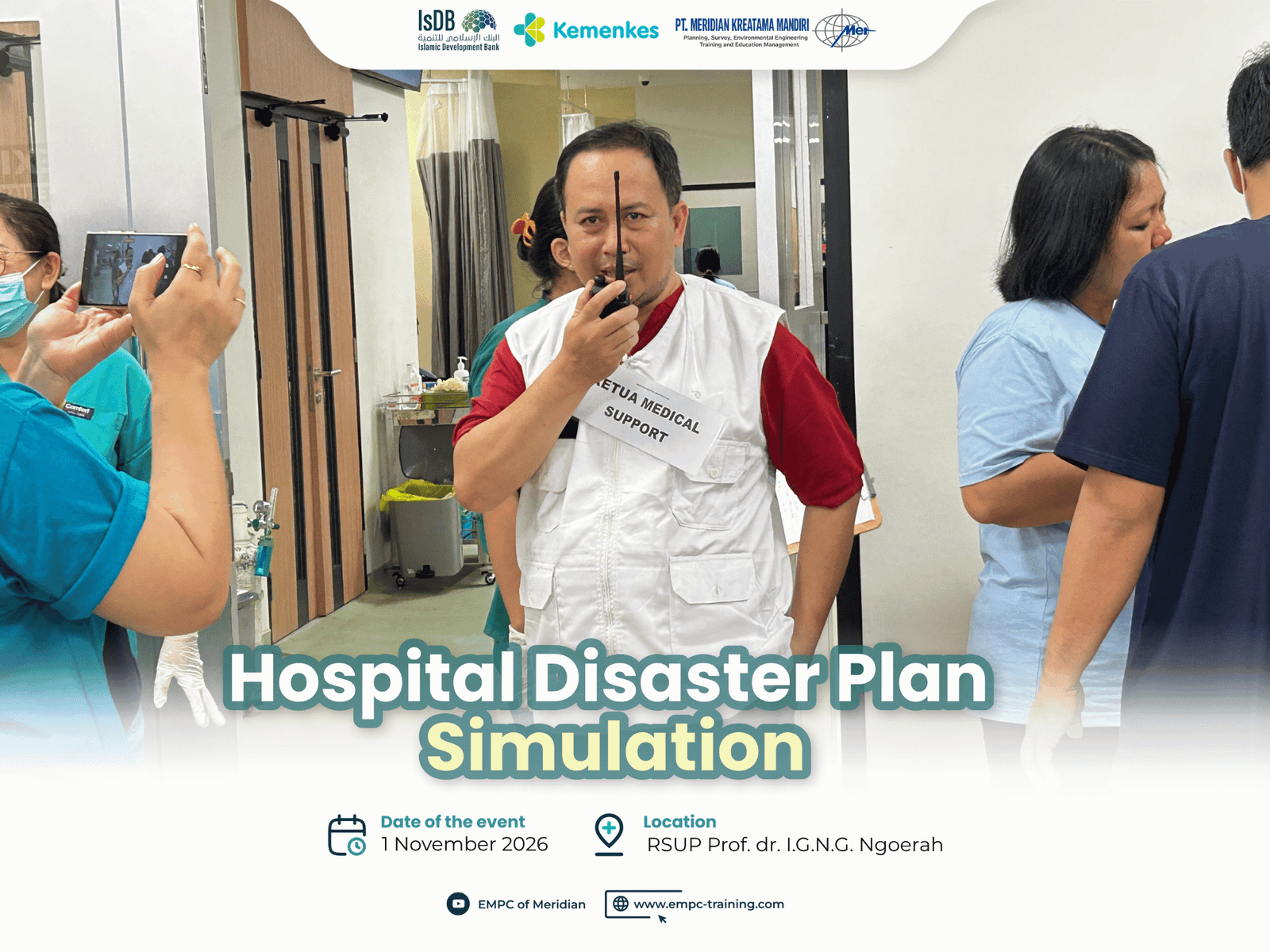
Coordination and communication among hospital disaster response teams.
Clear distribution of roles and responsibilities during emergency situations.
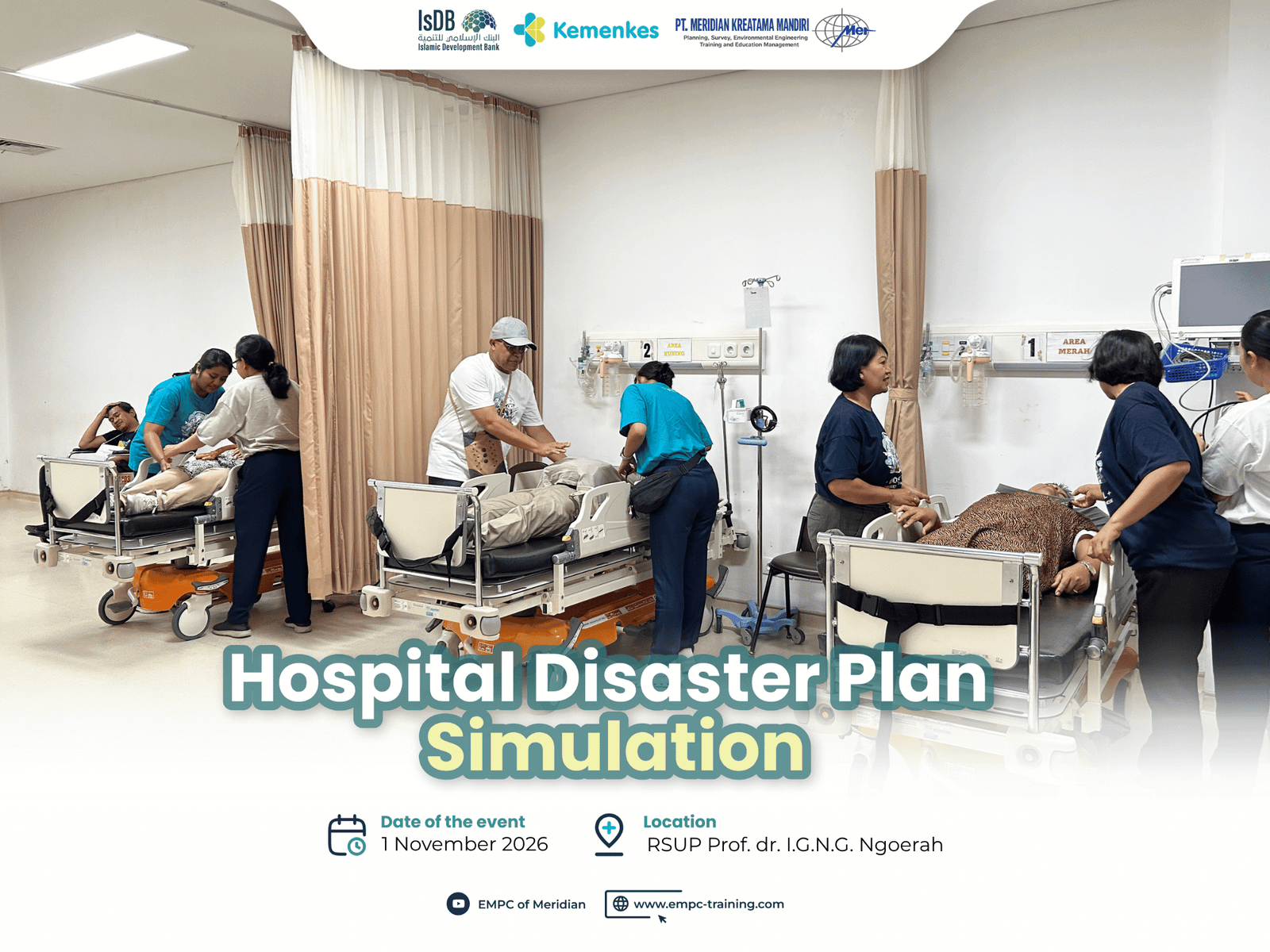
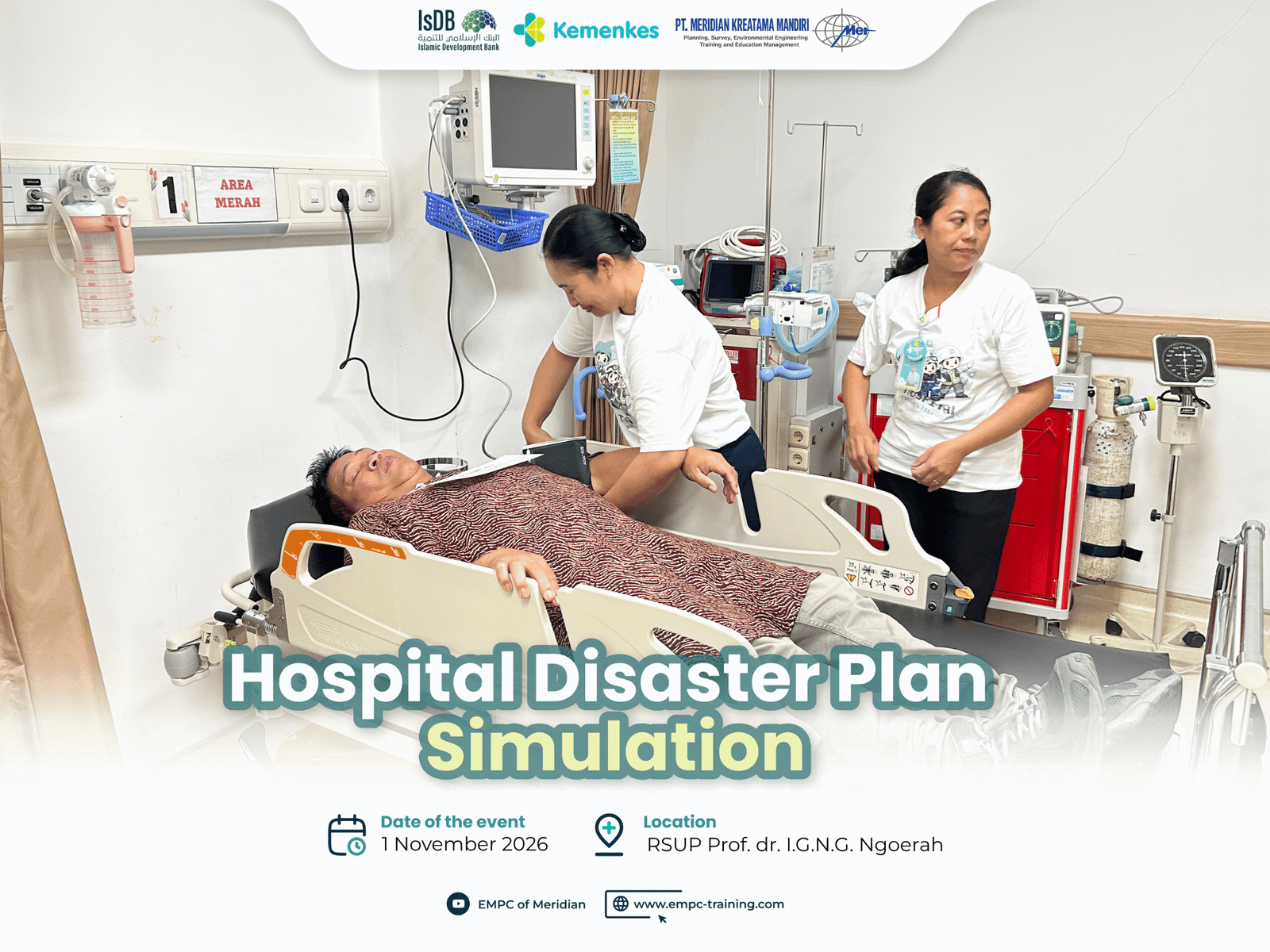
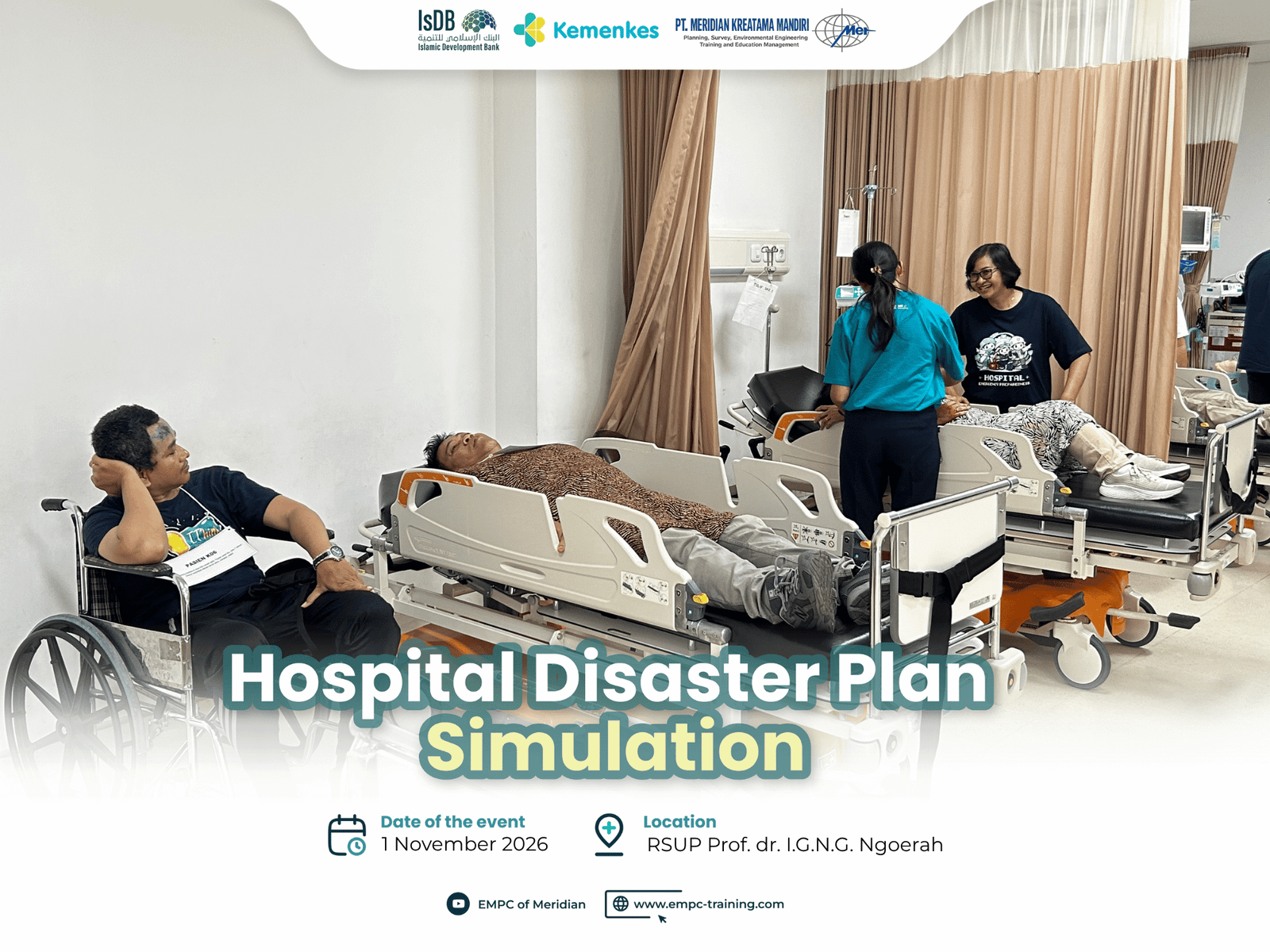
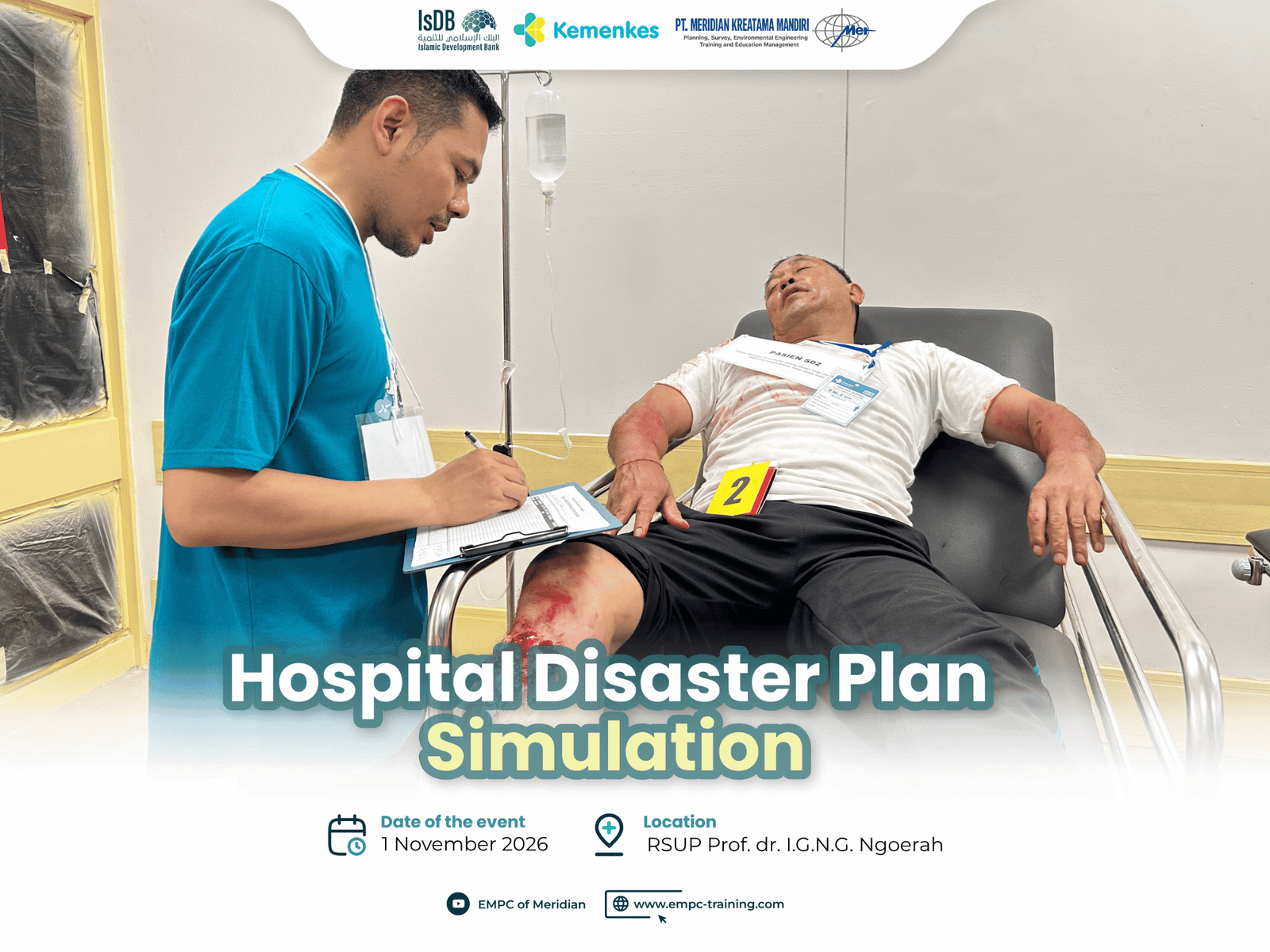
Patient safety, prioritization, and management during disaster scenarios.
Effective utilization of personnel, facilities, and available resources.
Maintaining essential hospital services throughout emergency operations.
These activities provided an opportunity to examine how disaster response plans can be translated into coordinated actions when hospitals face unexpected challenges.
One Team, One Mission: Strengthening Coordination Under Pressure
One of the central elements of the HDP Simulation was the importance of teamwork.
Participants were encouraged to work collaboratively, communicate effectively, and respond to evolving situations while maintaining coordination across different roles and responsibilities.
The dynamic nature of the simulation created an engaging learning environment in which participants could strengthen their situational awareness, adaptability, and ability to make timely decisions.
Beyond technical procedures, the activity reinforced a fundamental message: an effective hospital disaster response is built on strong coordination, mutual trust, and a shared commitment to patient safety.
Learning Through Evaluation and Reflection
The simulation also served as an opportunity to reflect on the implementation of hospital disaster preparedness strategies.
By observing how emergency procedures were applied during the exercises, participating teams could identify areas for improvement, recognize operational challenges, and gain valuable insights into strengthening future disaster response efforts.
This practical learning approach highlighted the importance of continuous evaluation in ensuring that hospital disaster plans remain relevant, effective, and applicable to real-world emergency situations.
Building a More Resilient Hospital Through Practical Preparedness
The implementation of the Hospital Disaster Plan (HDP) Simulation at RSUP Prof. Dr. I.G.N.G. Ngoerah represents another important step in strengthening institutional readiness and fostering a proactive culture of disaster preparedness.
Through this initiative, EMPC – PT Meridian Kreatama Mandiri, together with its project partners and participating healthcare institutions, continues to support capacity-building efforts aimed at enhancing hospital emergency response capabilities in Indonesia.
As part of IsDB Project IDN: 1031, the simulation reinforces the importance of integrating theoretical knowledge, practical experience, and cross-disciplinary collaboration to develop more resilient healthcare facilities.
By transforming preparedness plans into coordinated action, the program contributes to strengthening the ability of healthcare professionals to respond effectively, maintain essential services, and prioritize patient safety when emergencies arise.
Because when disaster strikes, preparedness is no longer just a plan—it becomes action.
1 November 2026